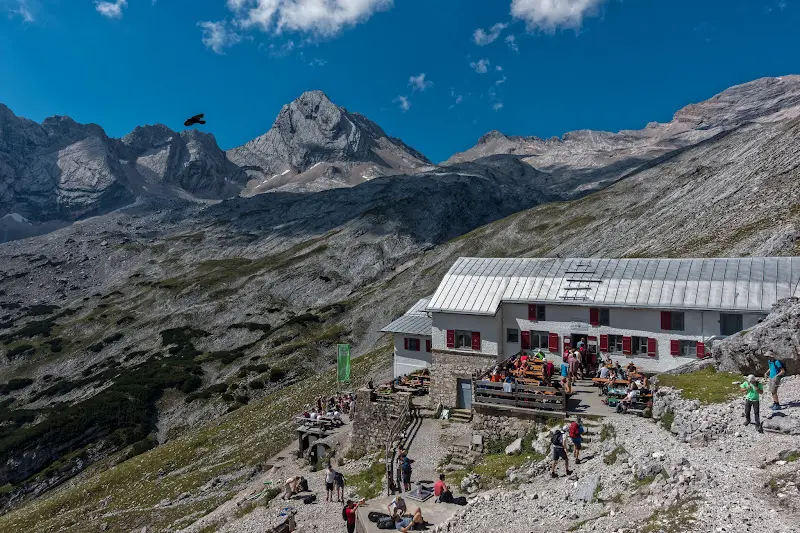
Pedal to the Finish — Ferries, Trails & Baltic Shores
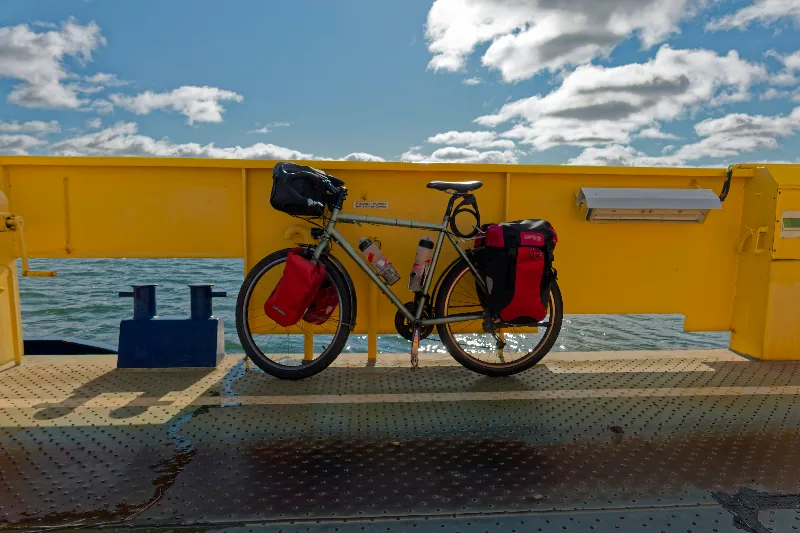
By train and night ferry from Munich via Lübeck to Helsinki, then west through Finland's calm archipelago to Turku, and on by ferry to Tallinn. From there down the length of the Baltic coast - Estonia's forest roads and outlying islands, a startled bear on Saaremaa, Riga's Art Nouveau streets, Latvia's wild Cape Kolka and the Cold War radio telescopes of Irbene, the storm-battered coast to Liepāja, and finally Lithuania's Curonian Spit and Thomas Mann's summer house at Nida, almost within sight of the Russian border. About 1800 km of flat, forested coastline, a great many ferries, one memorable bear encounter and rather more rain than sunshine.
Tue Aug 11 - Packed and Ready
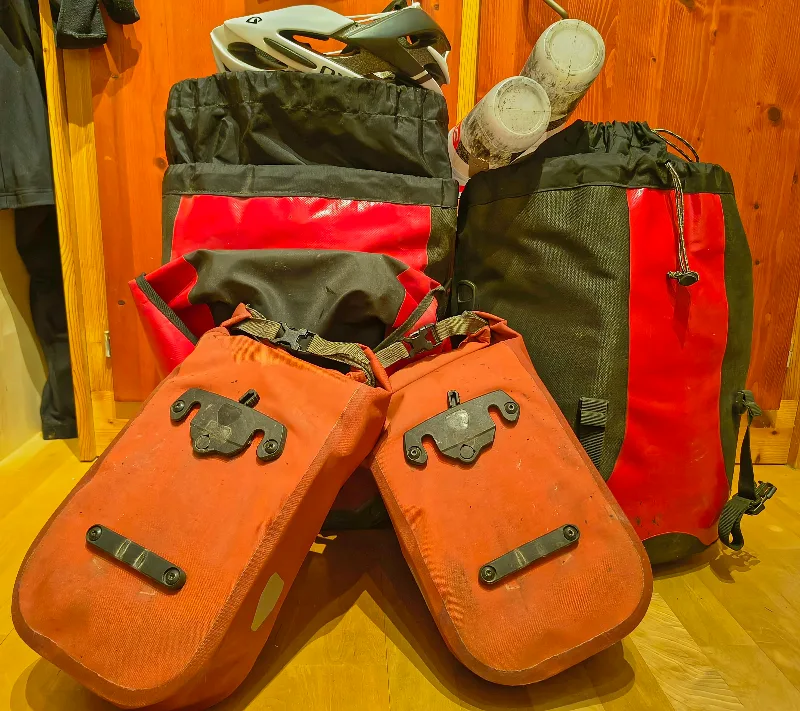
Final packing day before departure - panniers, tent and bike loaded and ready for the road.
Wed Aug 12 - Trains to Lübeck
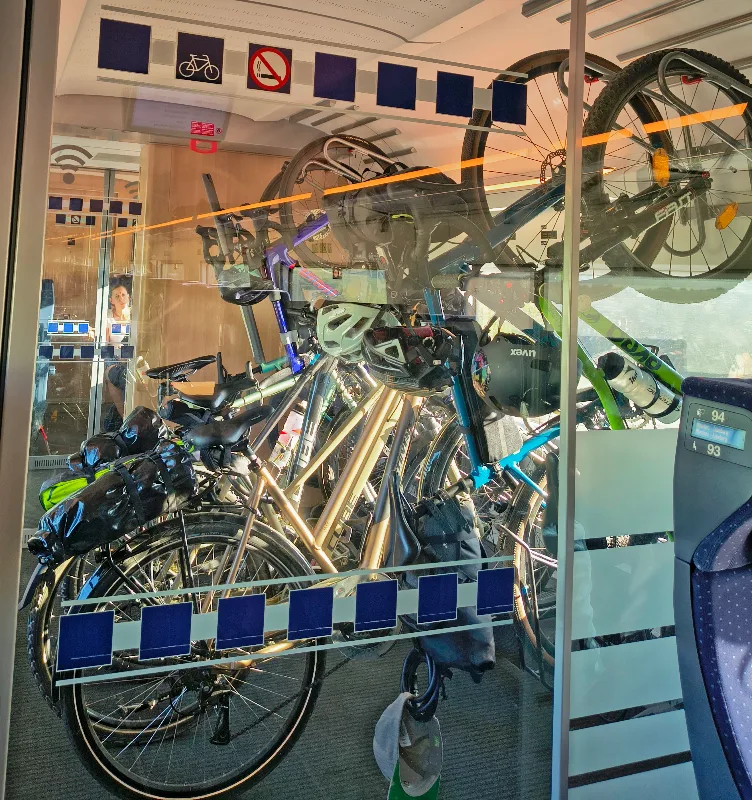
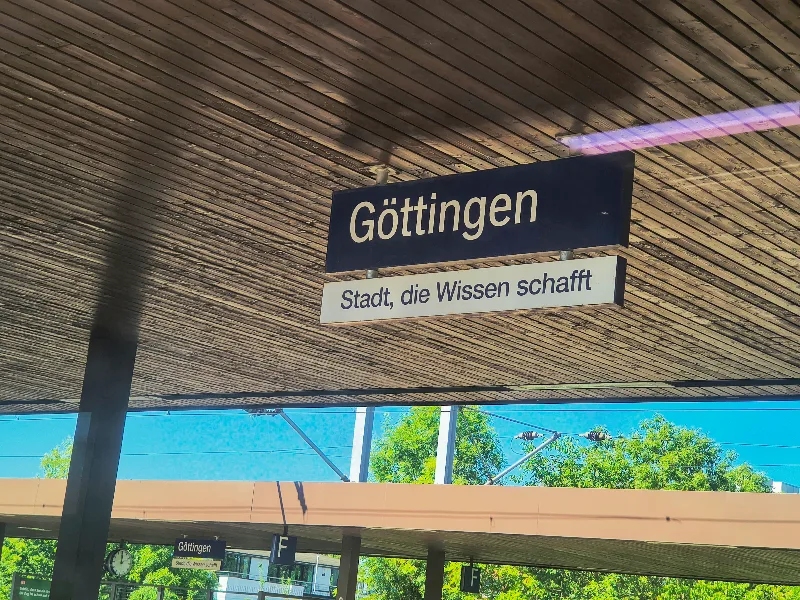
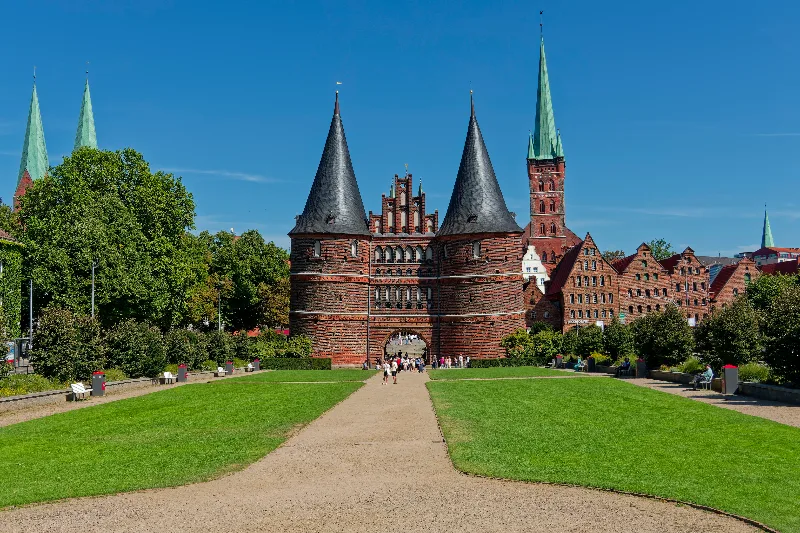
A long day of train travel from Munich via Lüneburg towards Lübeck - the first train ran smoothly, but the second was packed. By evening I reached the harbour, where the ferry to Finland had just arrived; boarding was scheduled for 10:40 p.m.
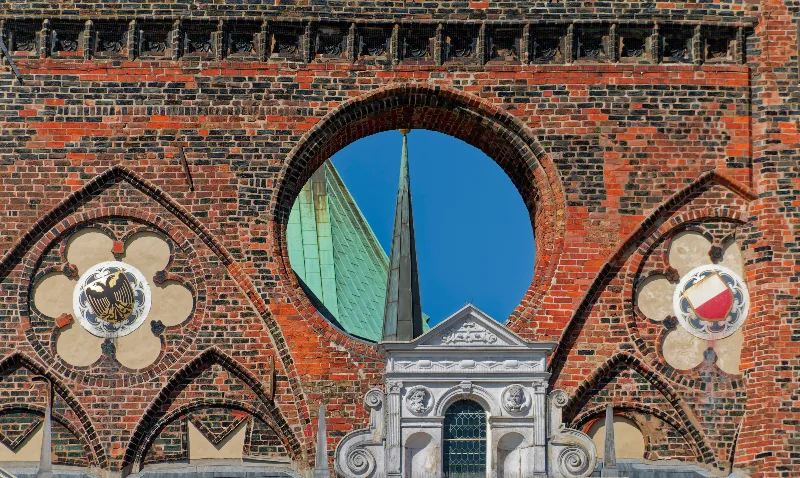
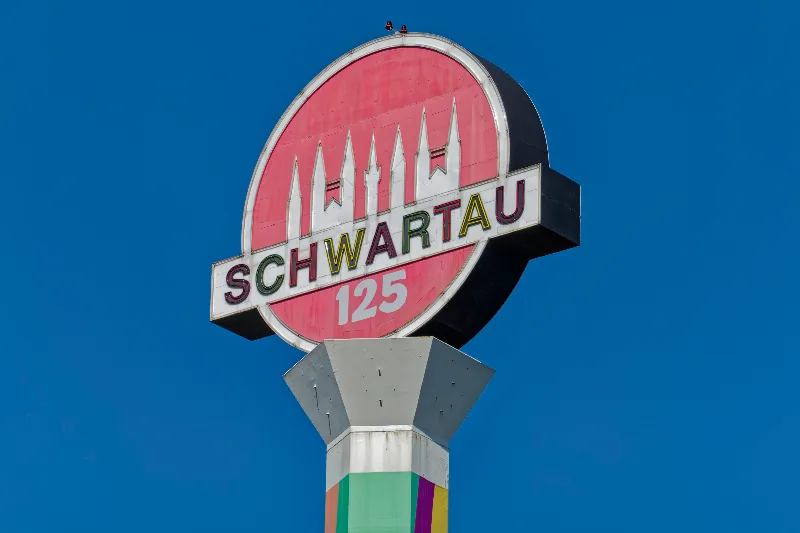
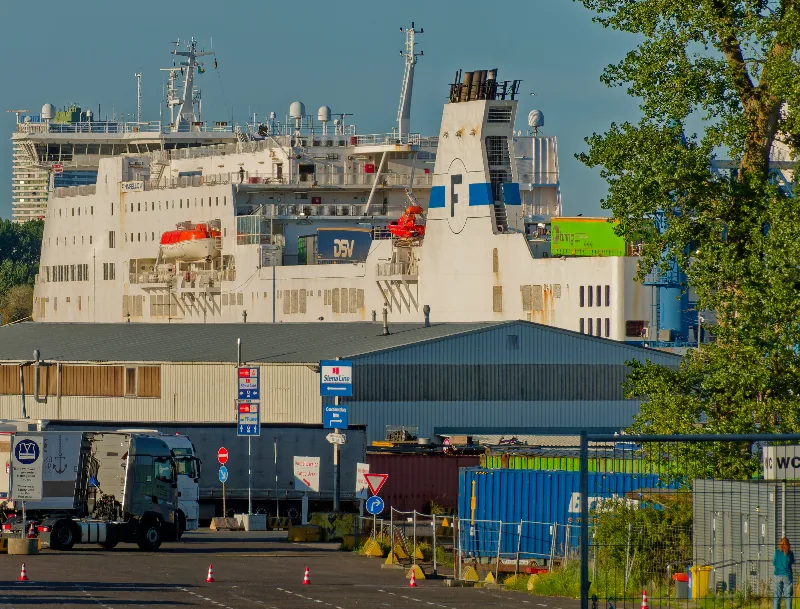
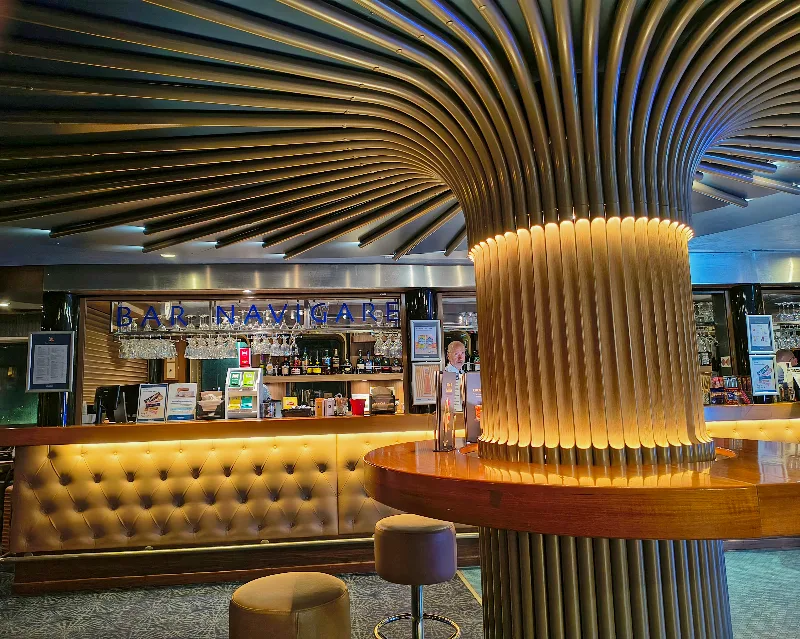
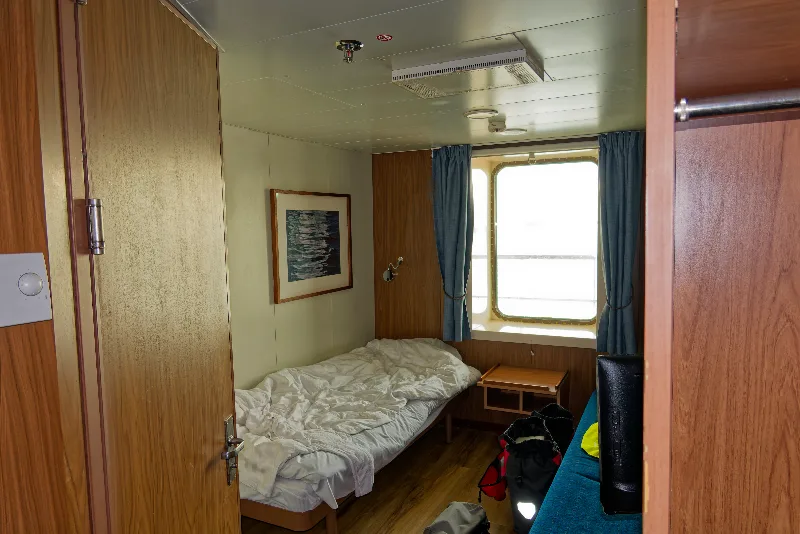
The cabins were not ready until 1 a.m. so together with two cyclists from Freiberg I visited the bar and had a beer, live music included.
Thu Aug 13 - Overnight Ferry to Finland
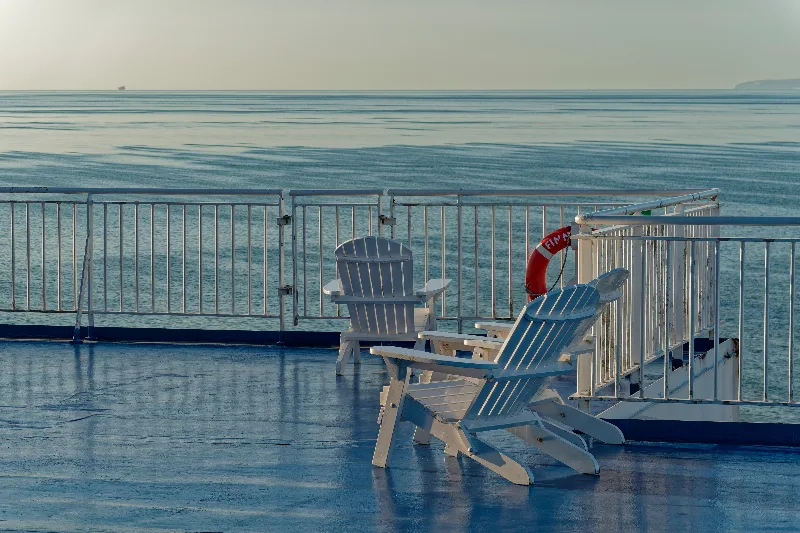
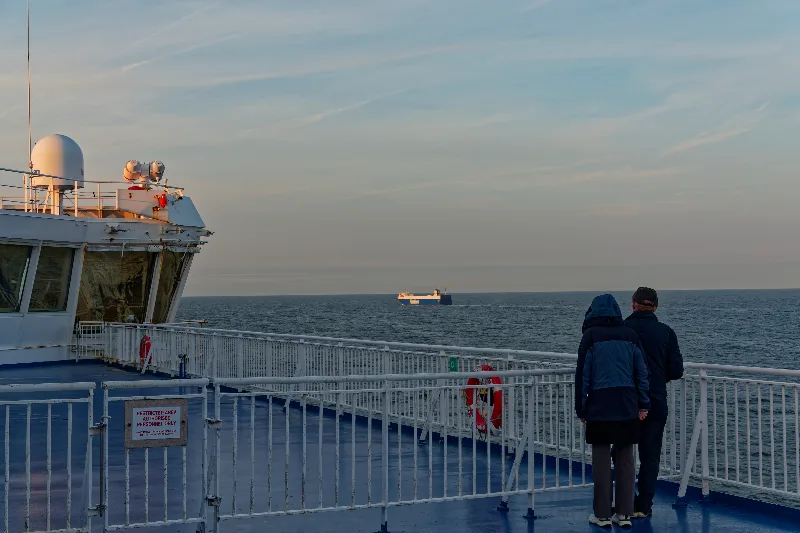
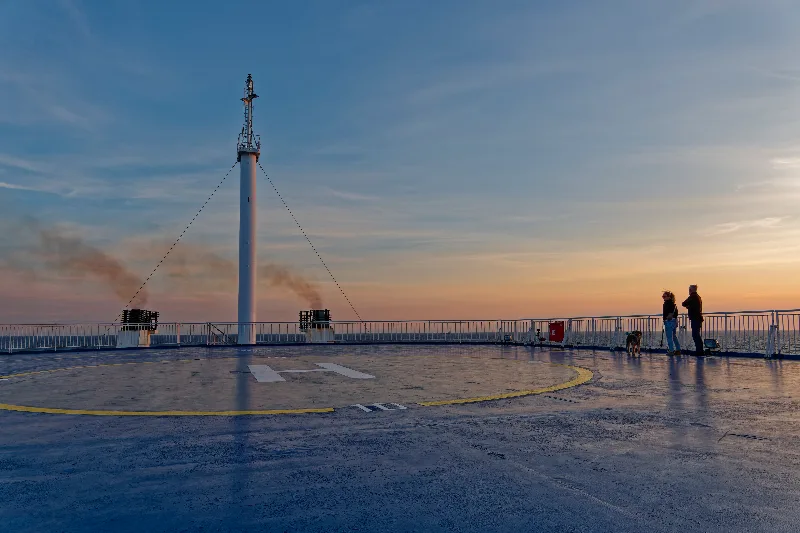
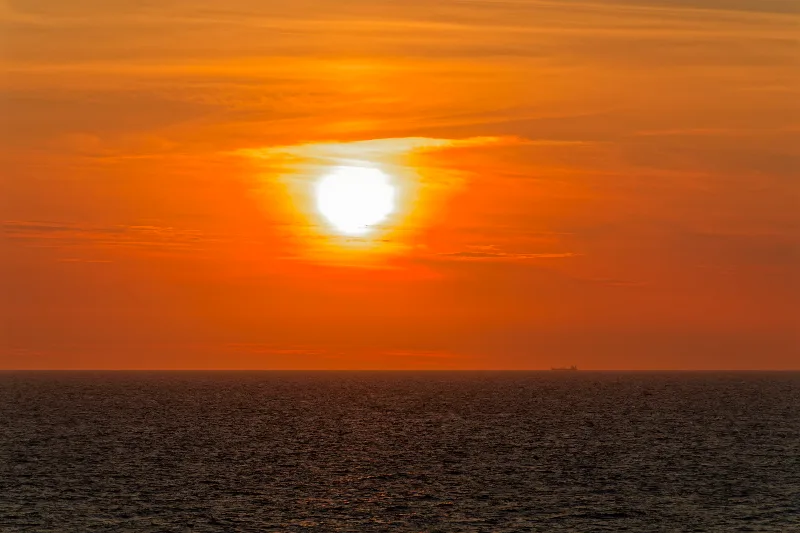
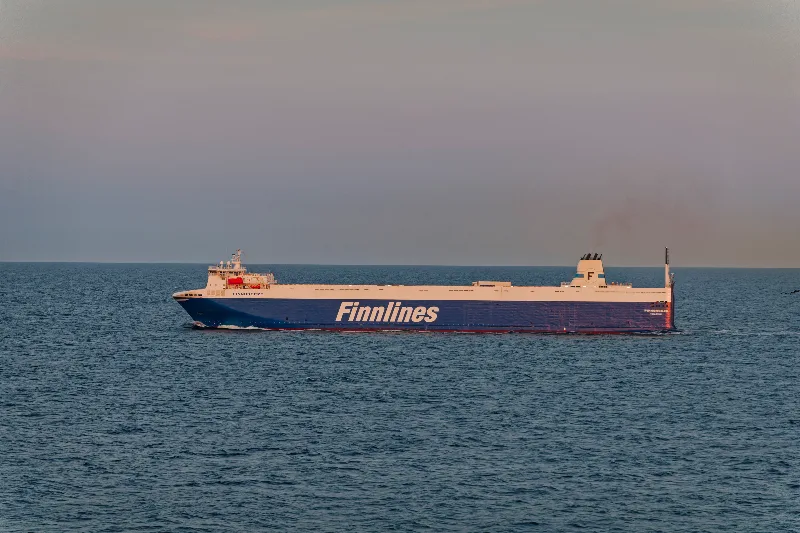
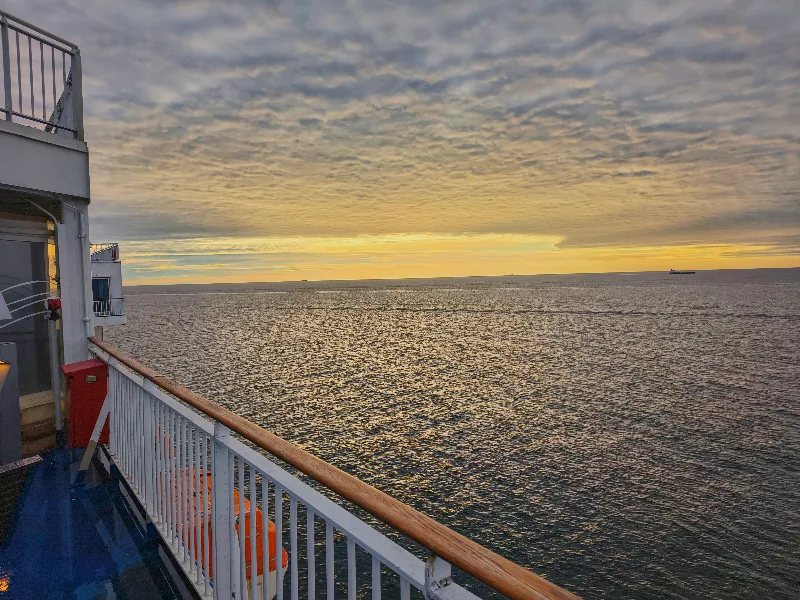
Crossing the Baltic Sea overnight, passing between Bornholm and Denmark - one of the few stretches along the way with any mobile signal.
Fri Aug 14 - Helsinki to Inga
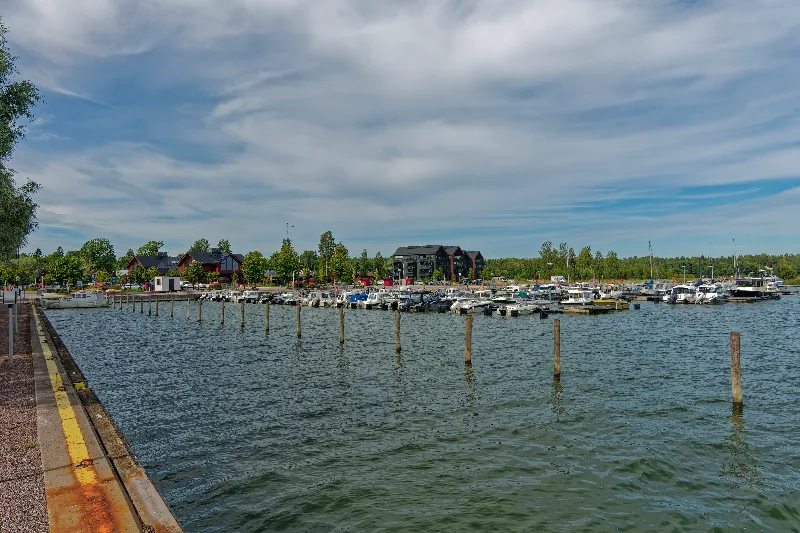
The ferry Finnlady docked at about 9 a.m., and by 9:30 a group of twelve cyclists disembarked together. The port lies about 15 km east of Helsinki; after a bit of sightseeing there, I headed west along the coast towards Inga.
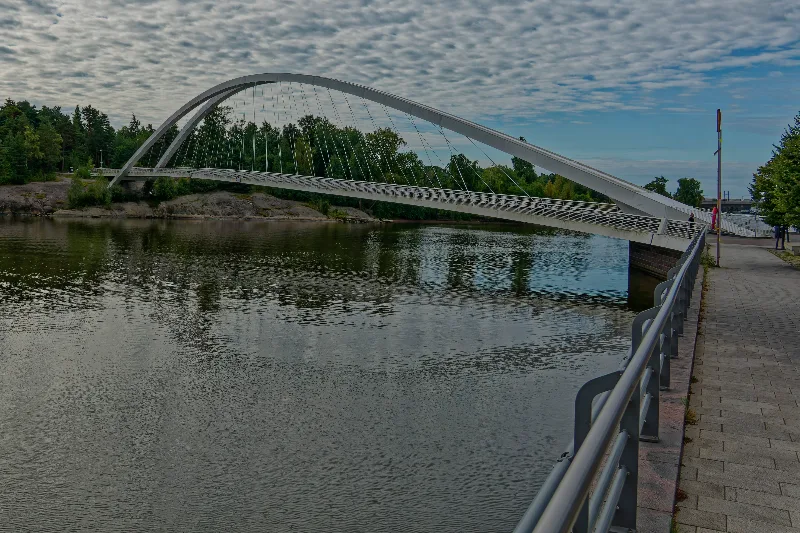
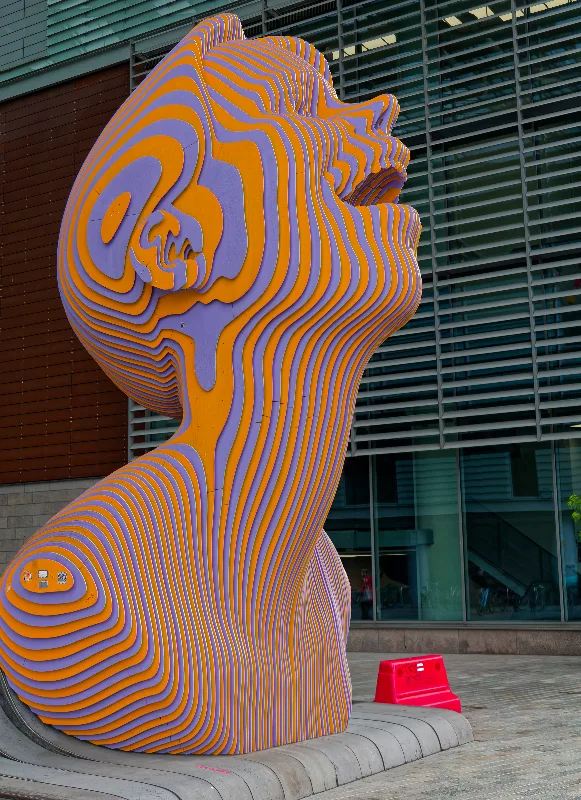
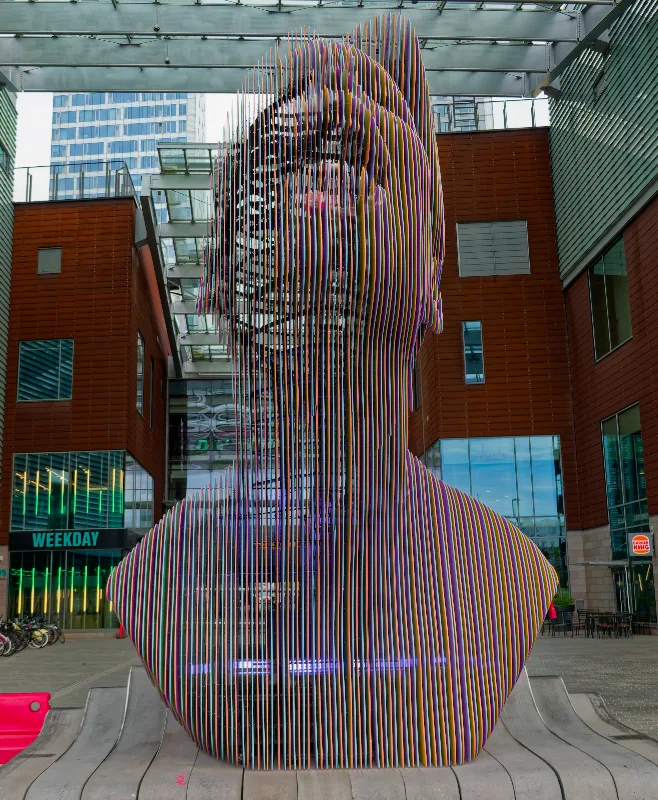
Helsinki
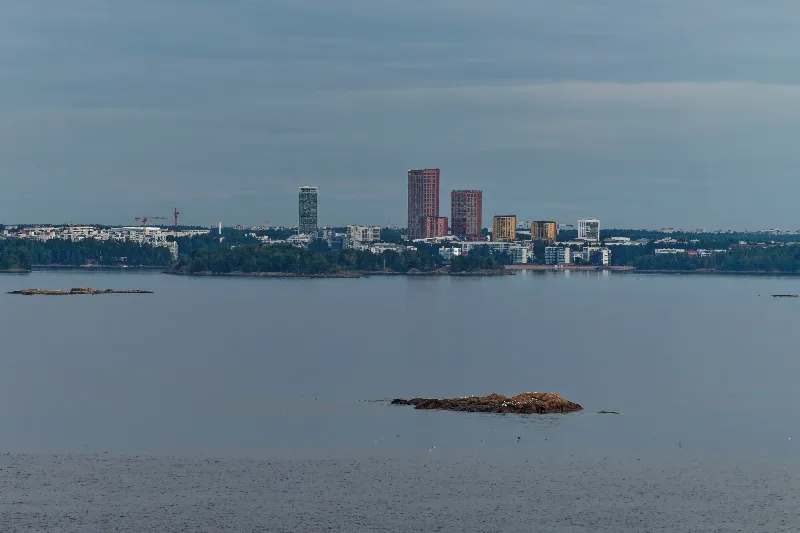
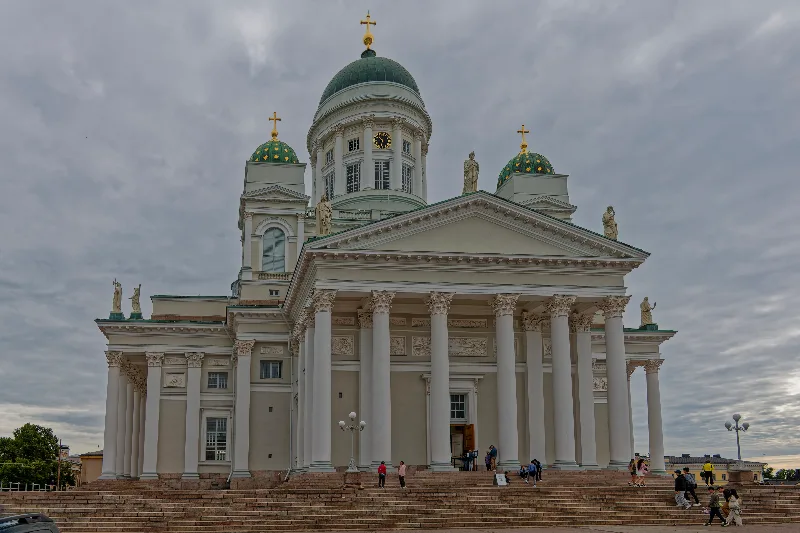
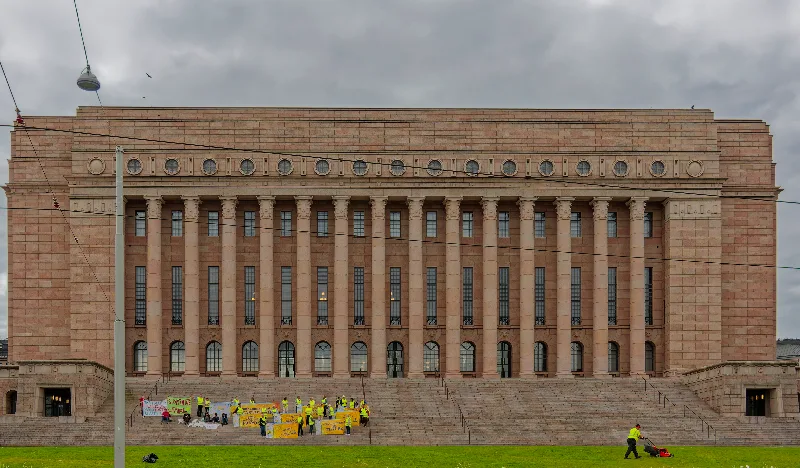
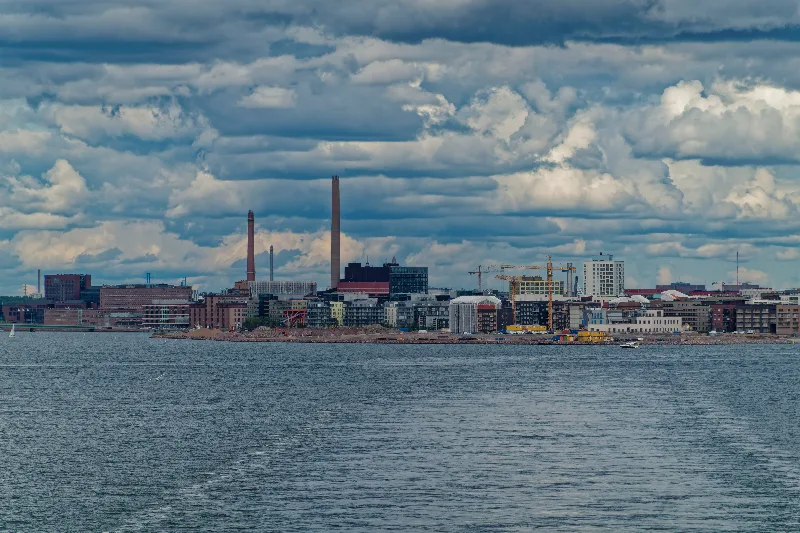
Helsinki, the capital of Finland, lies on a peninsula jutting into the Gulf of Finland and is home to around 670,000 people, with well over a million in the wider metropolitan area. Founded in 1550 by the Swedish king Gustav Vasa as a trading rival to Tallinn, the city remained a modest port town for centuries. Its fortunes changed after 1809, when Finland became an autonomous Grand Duchy of the Russian Empire and Helsinki was made the new capital in 1812, replacing Turku.
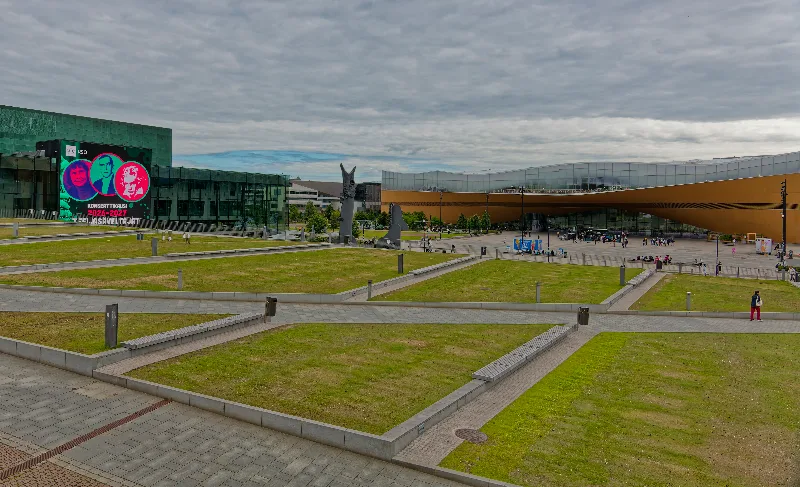
Much of the city centre was rebuilt in a stately Neoclassical style during the early 19th century under the German-born architect Carl Ludvig Engel, giving Senate Square and the white cathedral their distinctive look. The nearby sea fortress of Suomenlinna, built by Sweden in the 18th century and now a UNESCO World Heritage Site, guards the approach to the harbour. Helsinki is also known for its modern design tradition and its ferry connections across the Gulf of Finland and the Baltic - and, for a cyclist passing through, a genuinely excellent network of cycle paths.
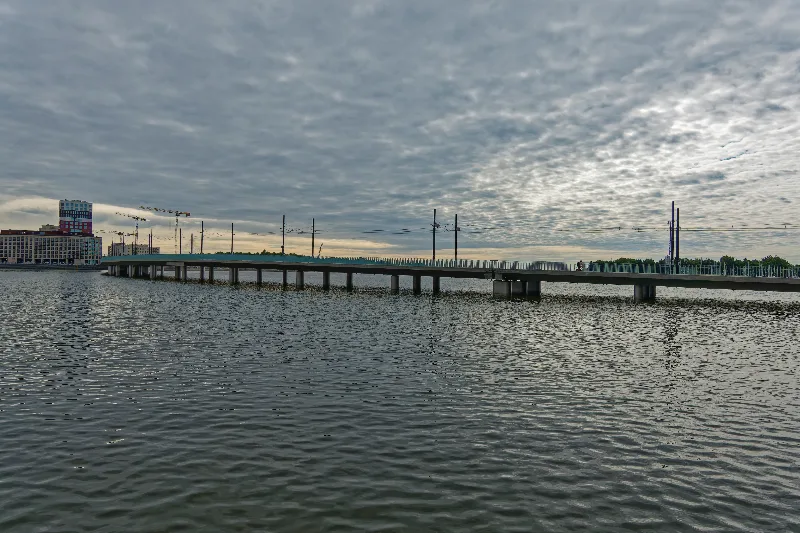
Sat Aug 15 - Finnish Farmland
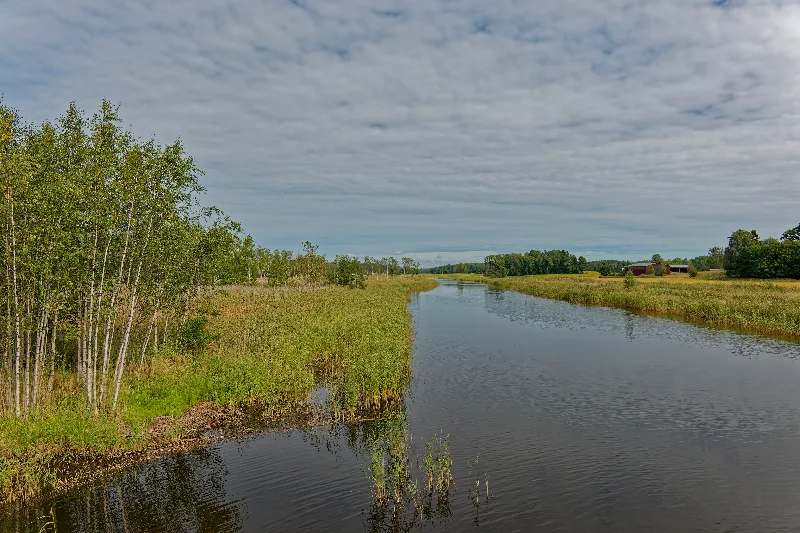
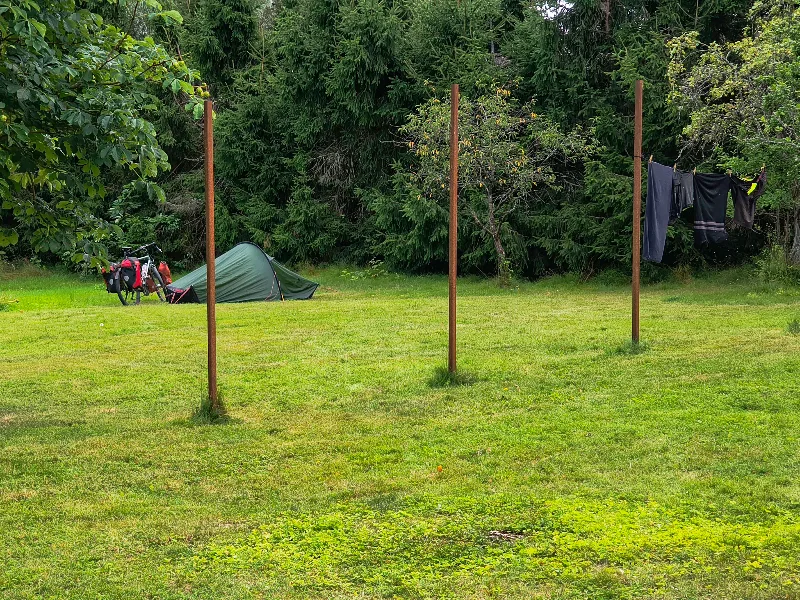
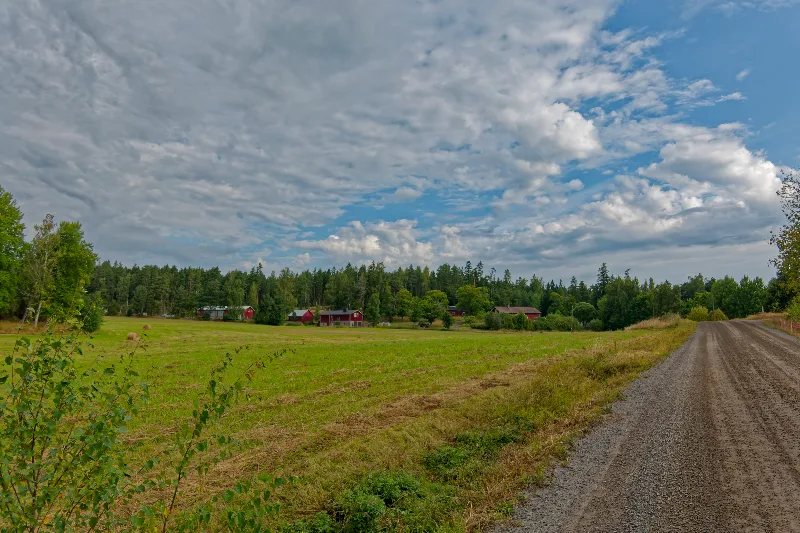
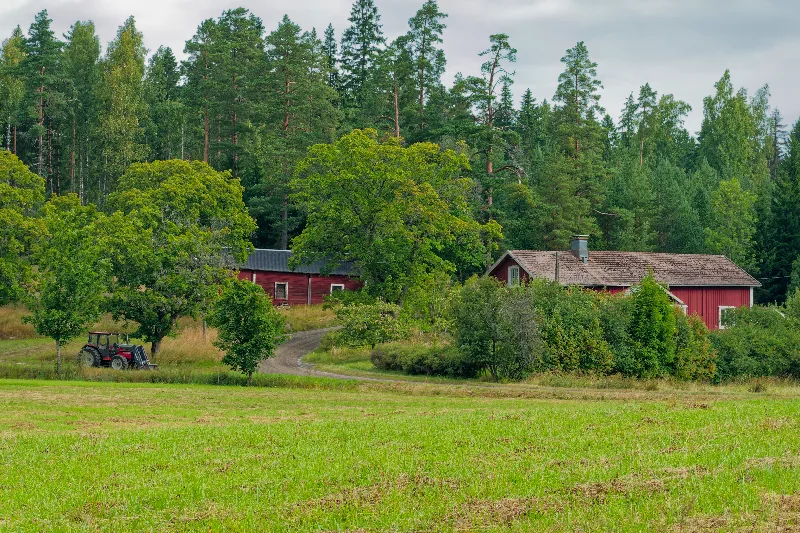
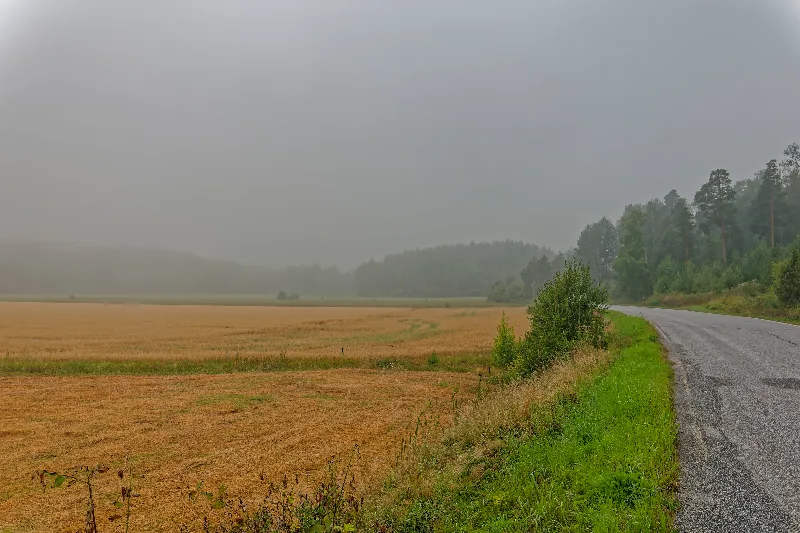
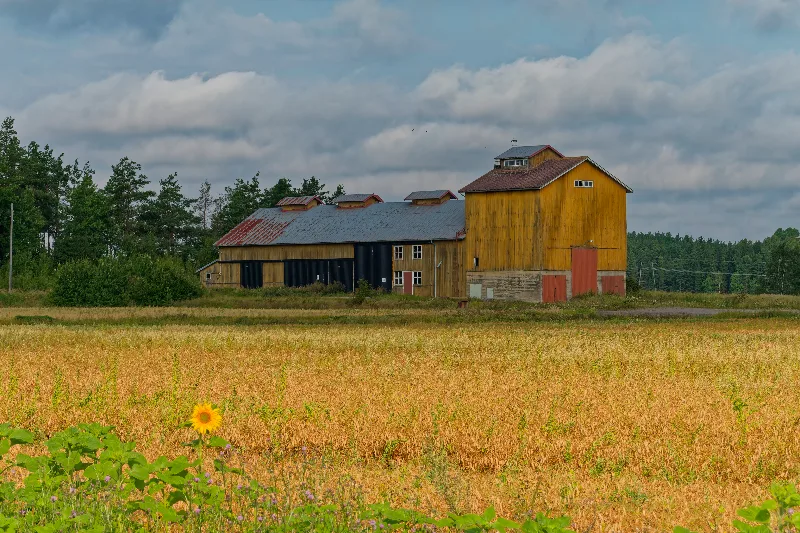
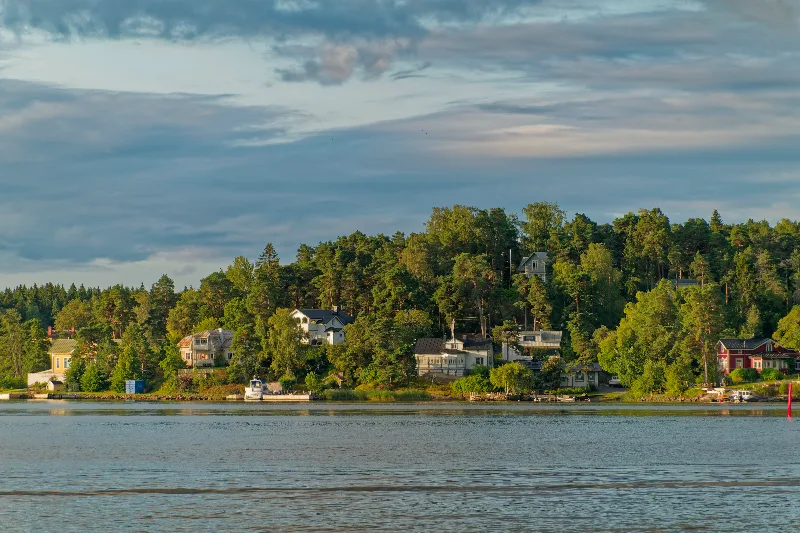
It rained during the night but had stopped by 5:30 a.m. when I got up. Breakfast came from a Lidl in Ekenäs; the farmland around here is pleasant but unspectacular - though Finland has a very particular quality of light. Tomorrow I'll reach the islands south of Turku, which should be a highlight of this stretch. I may also bring my schedule forward by two days, taking the train to Helsinki and the ferry to Tallinn a little earlier to have more time in Estonia - Finland is simply too big to do justice to in four to seven days.
Sun Aug 16 - Into the Archipelago
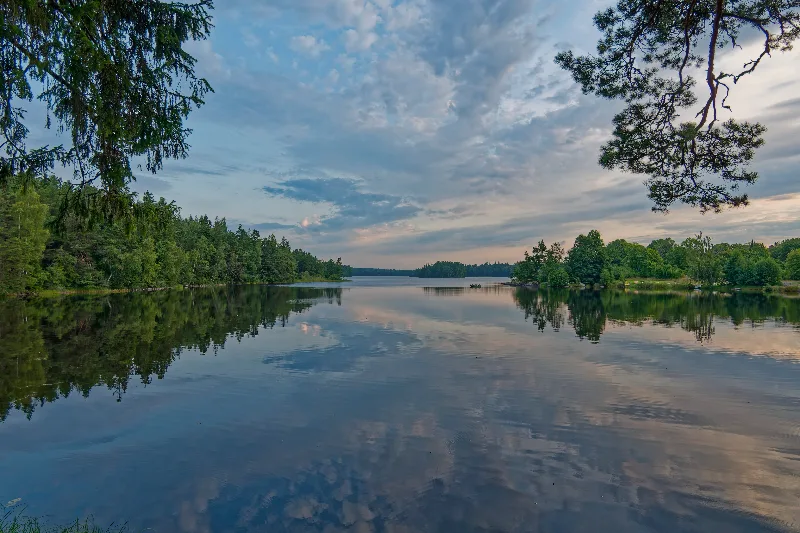
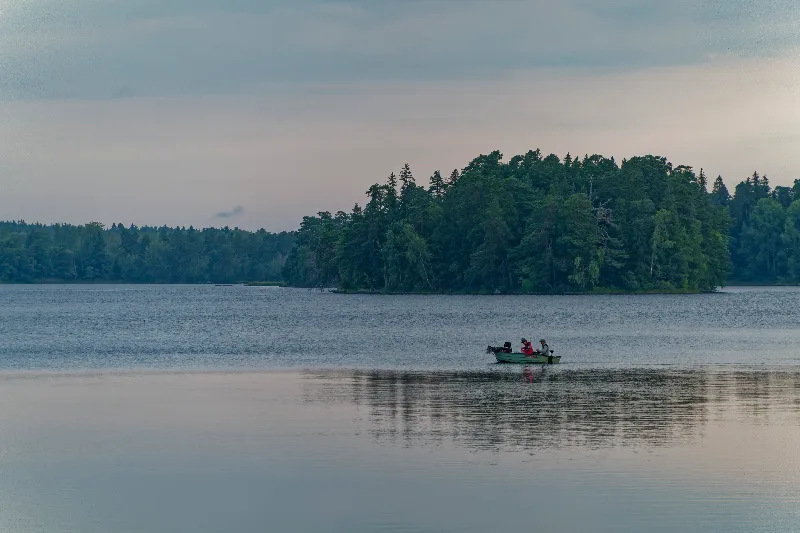
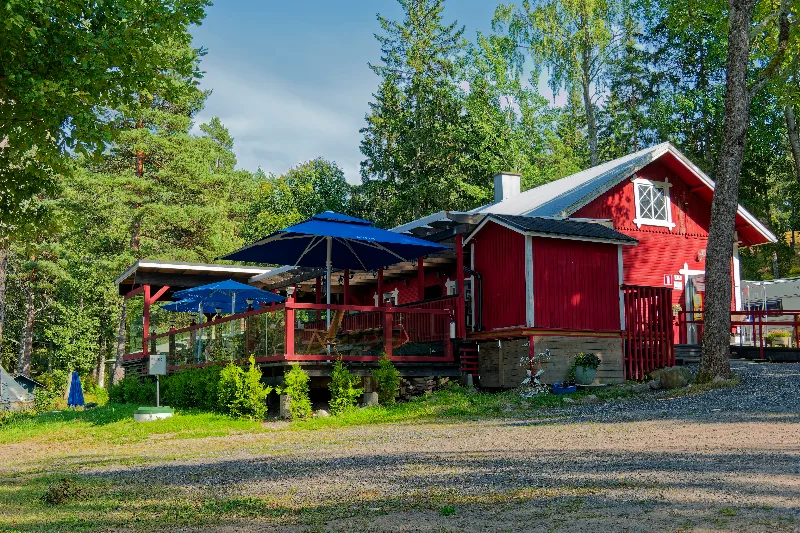
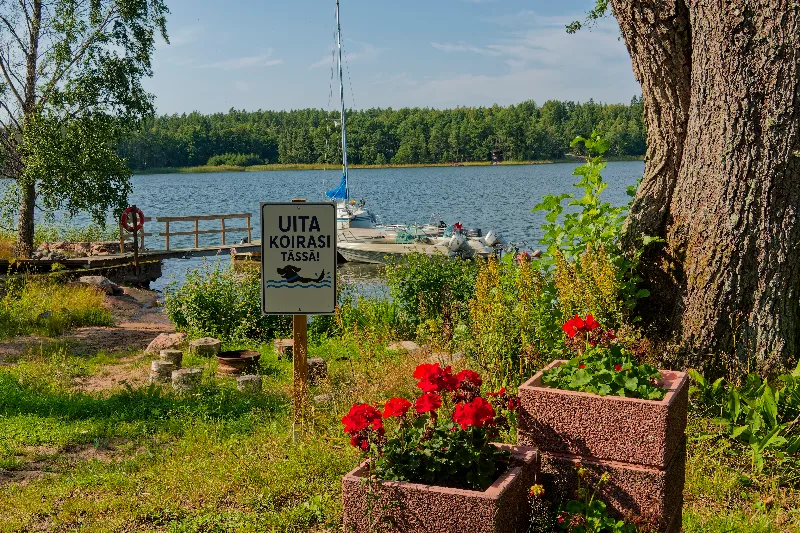
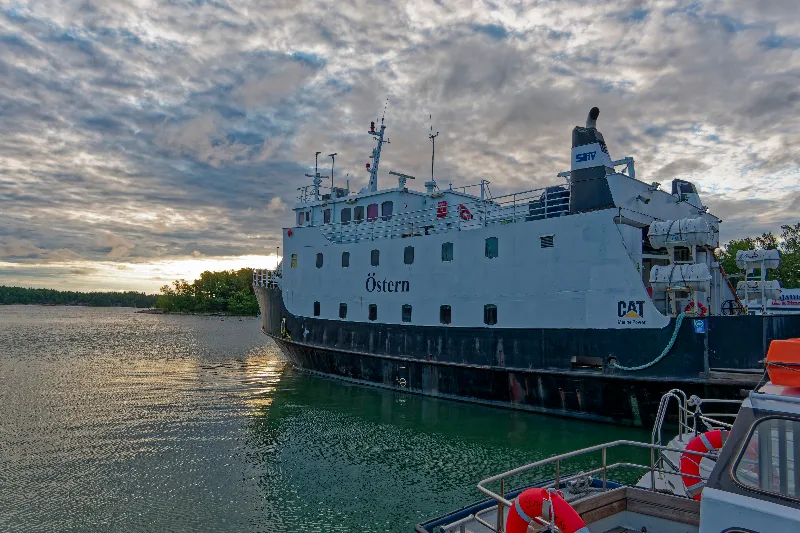
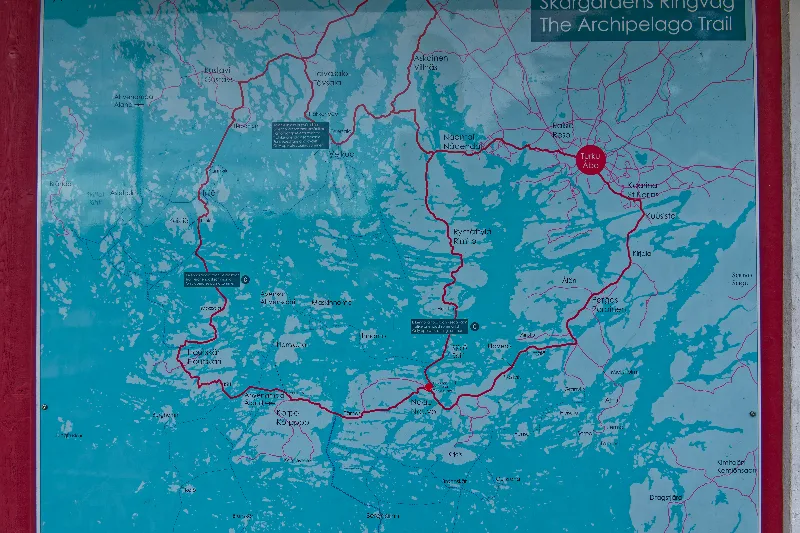
Set off a bit later today, around 7:30 a.m. - the campsite had been lively overnight with a large wedding party. The weather was cloudy but mild, with more rain overnight, though the tent had almost dried out by morning. Covered about 110 km to Nauvo/Nagu, arriving just too late for the 12:40 ferry; the next one leaves at 8:40 tomorrow morning, followed by the ride up to Turku.
The plan for the rest of the trip is taking shape: instead of taking the train from Tampere three days later as originally planned, I'll go from Turku to Helsinki now, which leaves more time for the Baltic states - about 16 days for roughly 1500 km, plus another 100 km or so if I make the side trip towards Kaliningrad to see the Thomas Mann House on the Curonian Spit, which I'd really like to do.
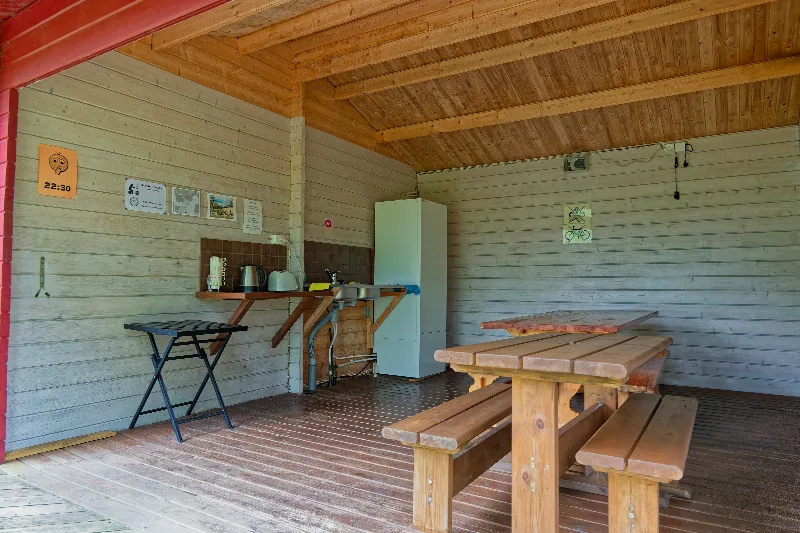
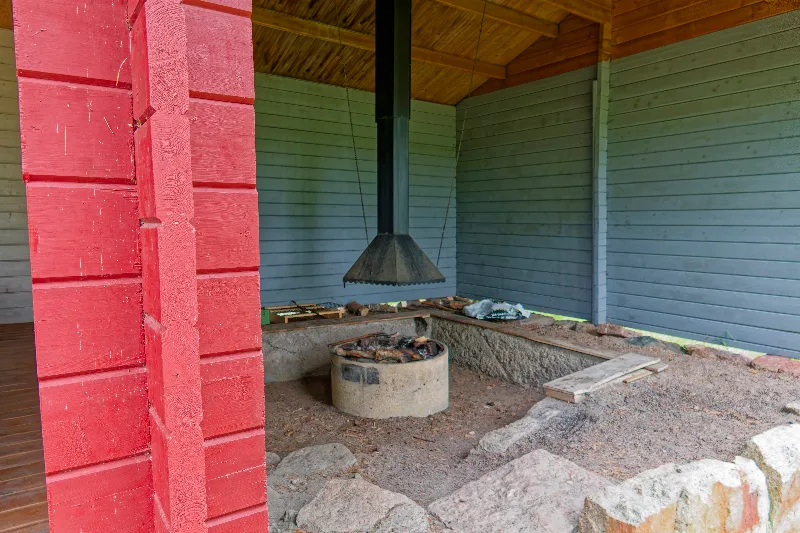
Mon Aug 17 - Nauvo to Turku
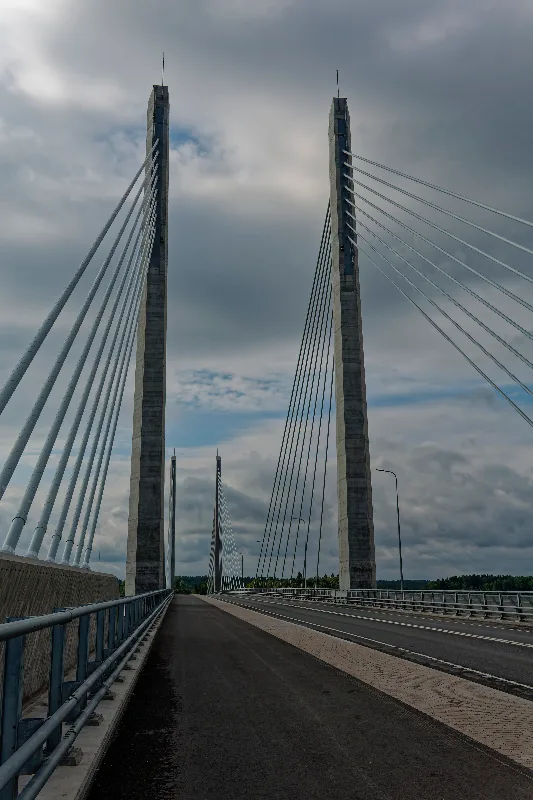
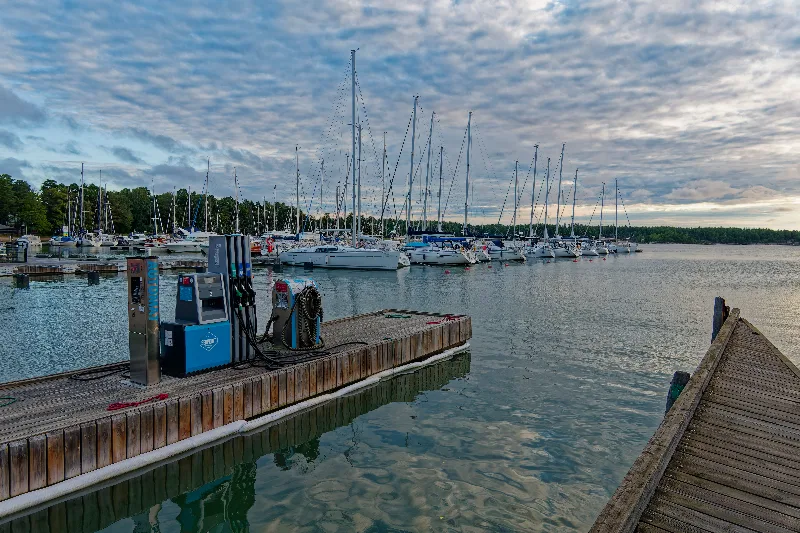
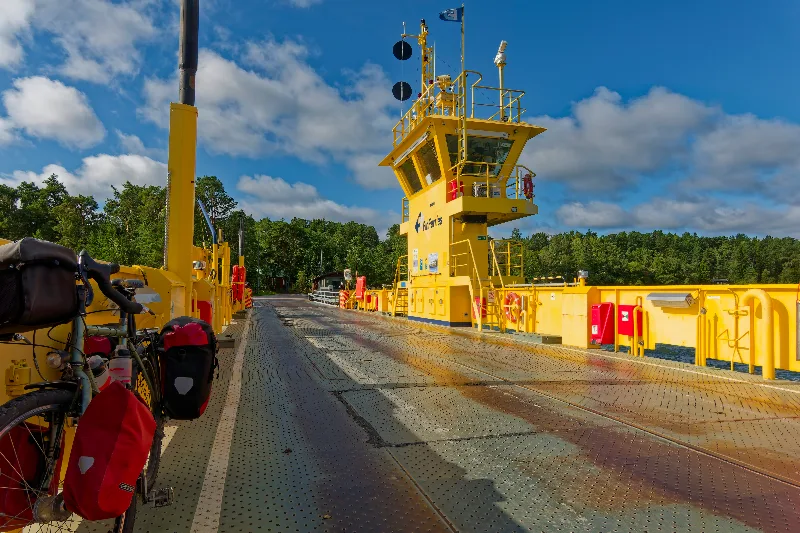
Only 80 km today, but a couple of ferry crossings and a fair number of hills slowed progress. A little sightseeing in Turku, then a campsite on a peninsula about 12 km south of the city centre.
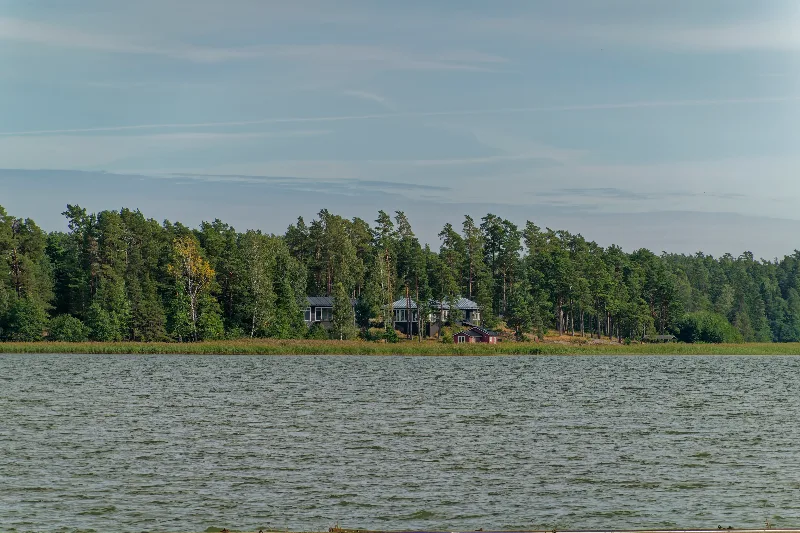
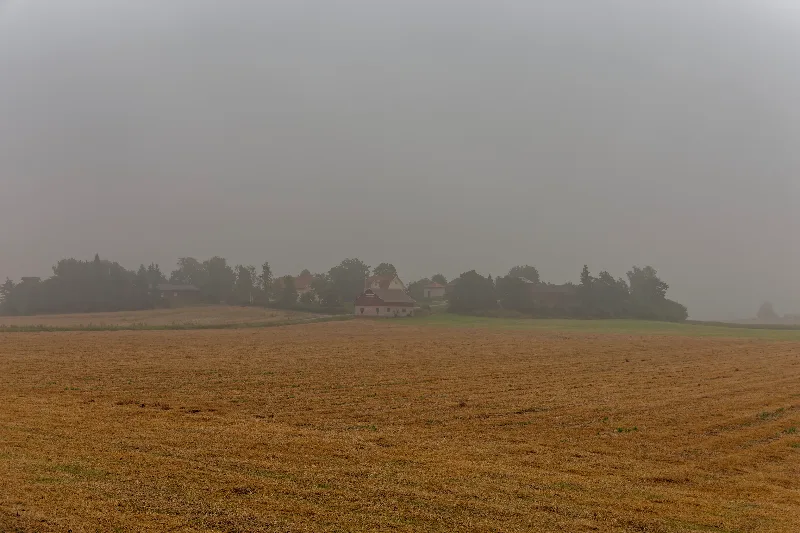
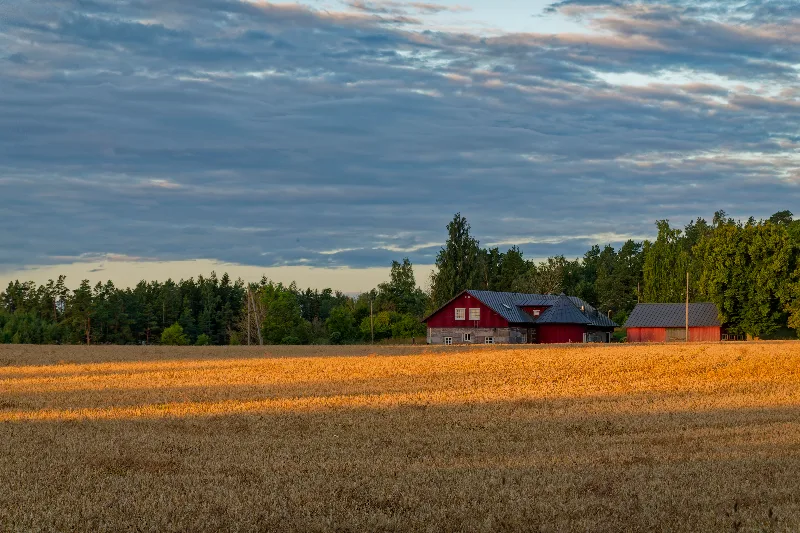
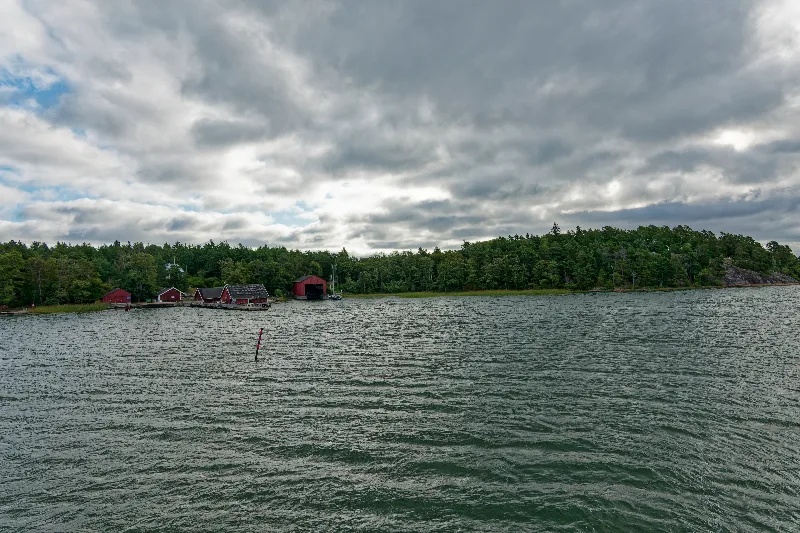
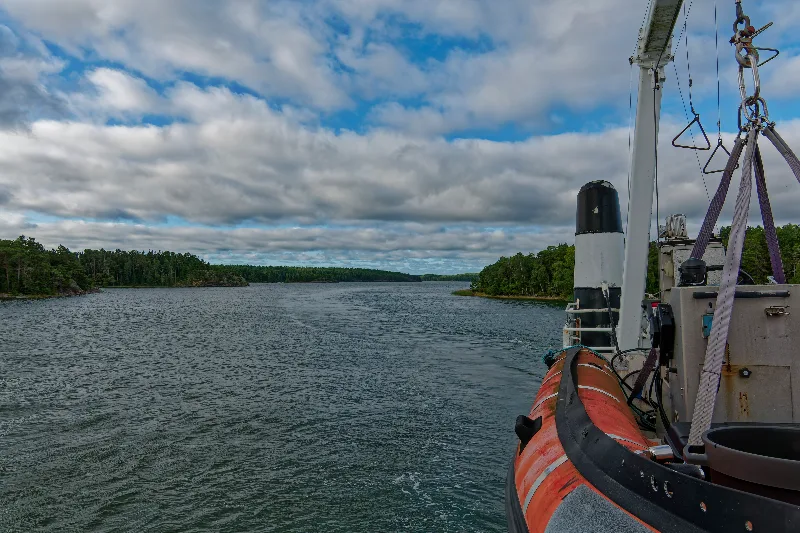
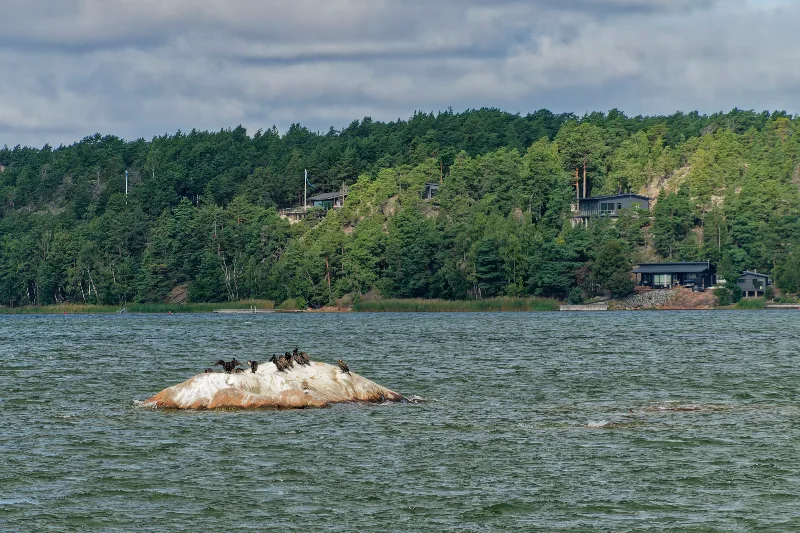
The landscape up here is spacious but not particularly dramatic - no steep coastlines like Norway or the surprises Ireland kept offering, just the occasional glimpse of the sea between fields and forest. I suspect the Baltic states will look similar. From the ferry I booked the next legs online: train from Turku to Helsinki, the ferry on to Tallinn, and a hotel there - remarkably easy in today's connected world.
Turku
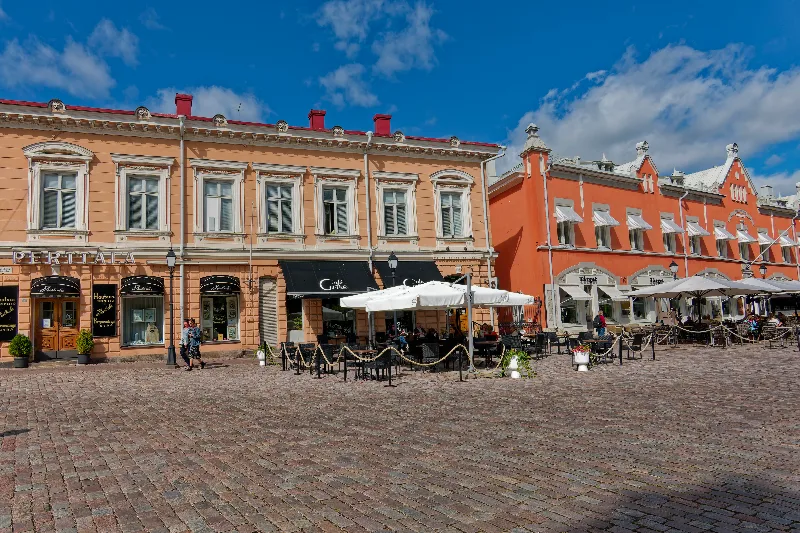
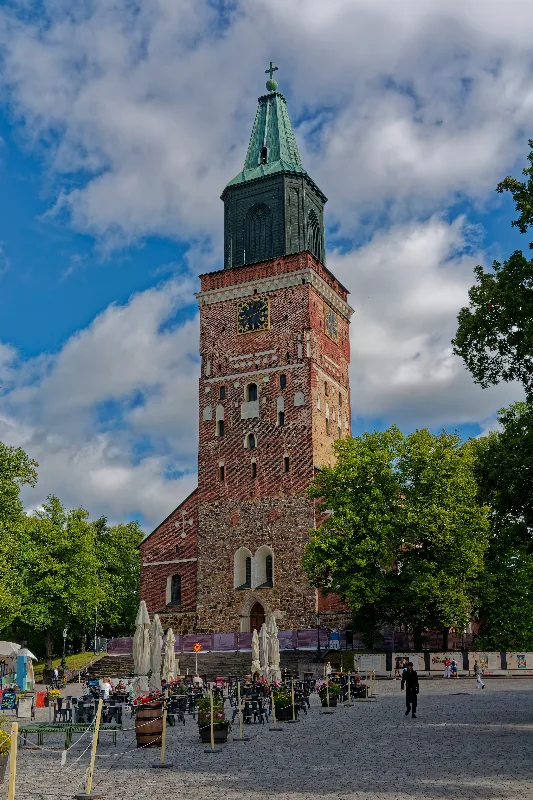
Turku, on Finland's southwestern coast at the mouth of the Aura River, is the country's oldest city and its former capital, a role it held until 1812 when the seat of government moved to Helsinki. Founded in the 13th century around Turku Castle and Turku Cathedral - still the two most prominent landmarks on the riverbanks - the city grew as a centre of trade, church administration and, later, Finland's first university, founded in 1640.
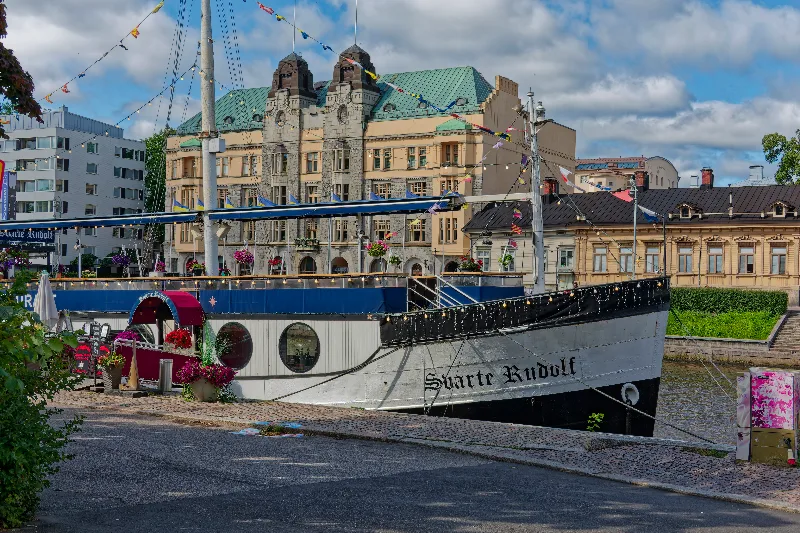
Today Turku is a lively university town and the gateway to the Archipelago Sea, the vast maze of islands and skerries stretching south and west towards Åland and Sweden - the same waters this route had just crossed by ferry. The Aura River, lined with cafés, museums and the old market hall, remains the heart of the city, and Turku is still connected to Stockholm and the archipelago by some of the busiest ferry routes in the Baltic.
Tue Aug 18 - Turku to Tallinn
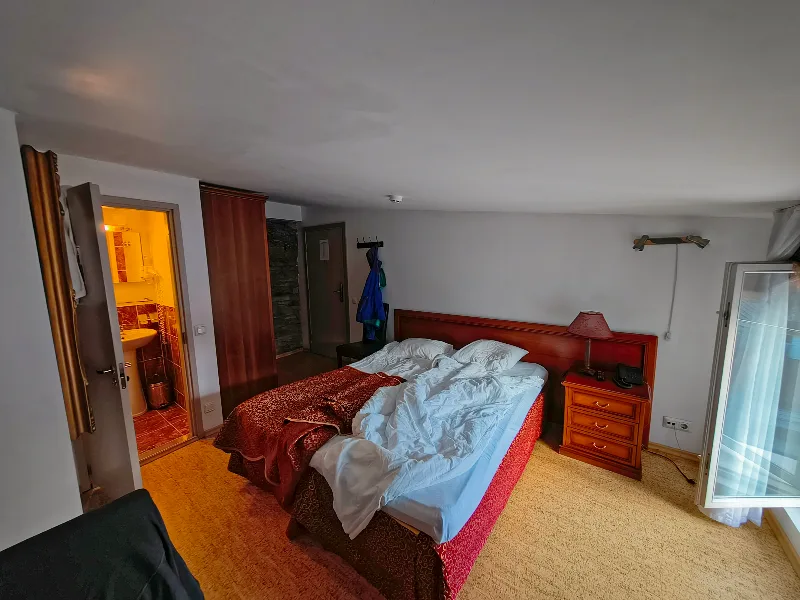
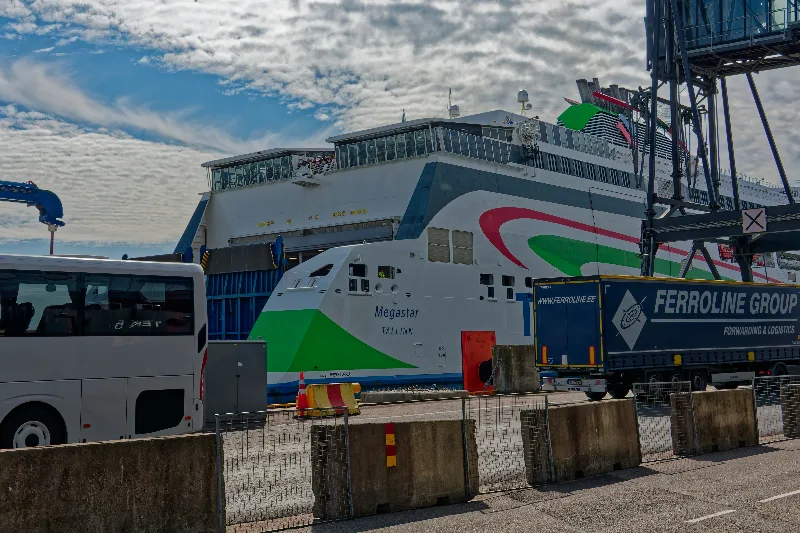
Left south of Turku at 6:50 a.m., reaching the station a full hour early for the train, which arrived in Helsinki on schedule. Twenty minutes later I was at the ferry terminal; boarding went smoothly and the ferry even left 15 minutes early. In Tallinn by 3:30 p.m., in the hotel by 3:55, and out sightseeing again by 4:30 after a quick shower.
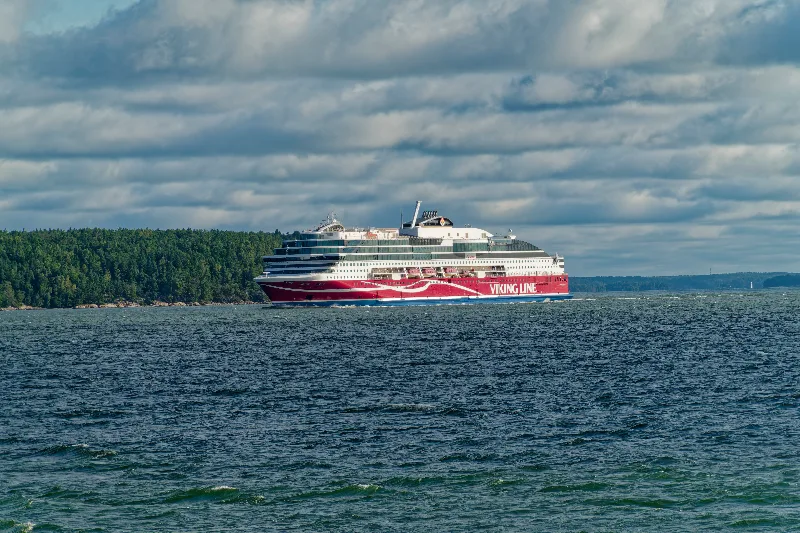
The morning ride into Turku had plenty of good cycle paths and quite a few bike commuters. Everything here feels a touch calmer than back home - noticeable in the traffic and in how people move. Th ferry was twice the size of the Travemünde–Helsinki ferry, though that crossing takes 30 hours compared to just two hours here, and this one was loaded with an impressive number of trucks. Someone mentioned that bear meat shows up on the menu in Tallinn for about 45 euros - a running joke for the rest of the trip, given how often bears would come up again later.
Tallinn
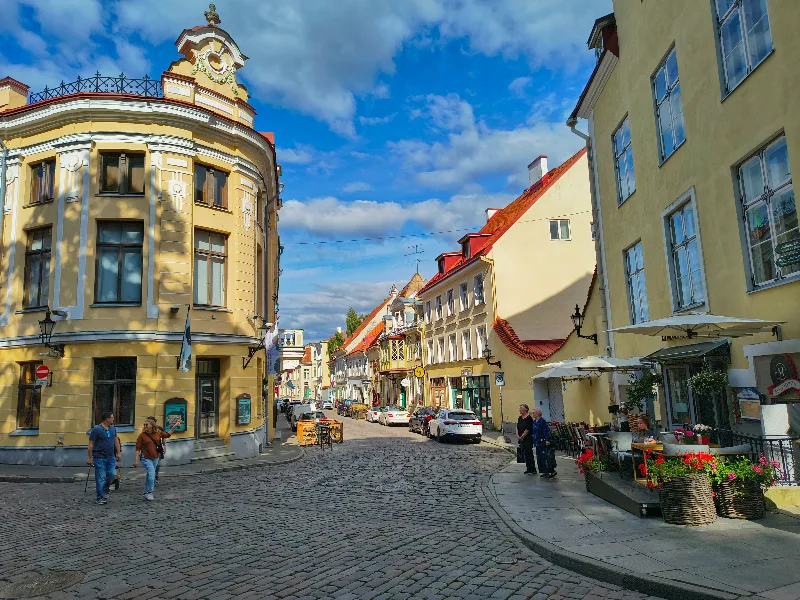
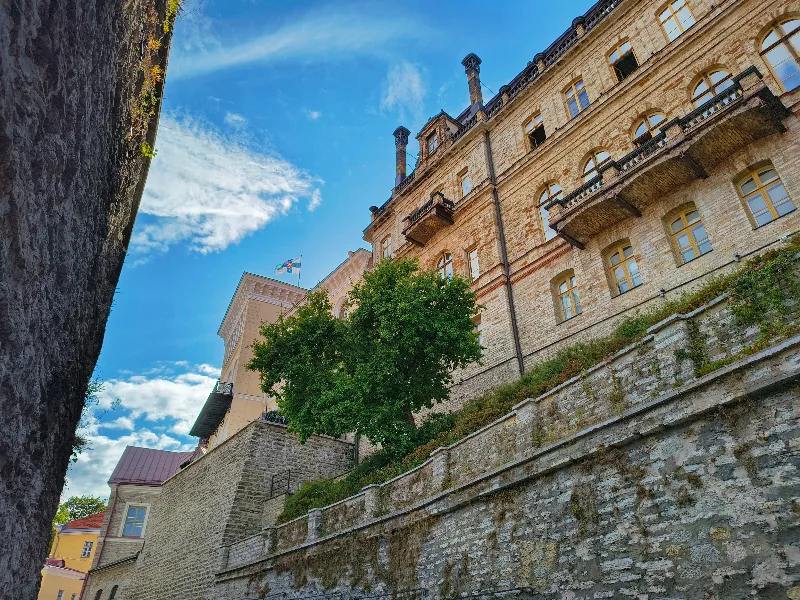
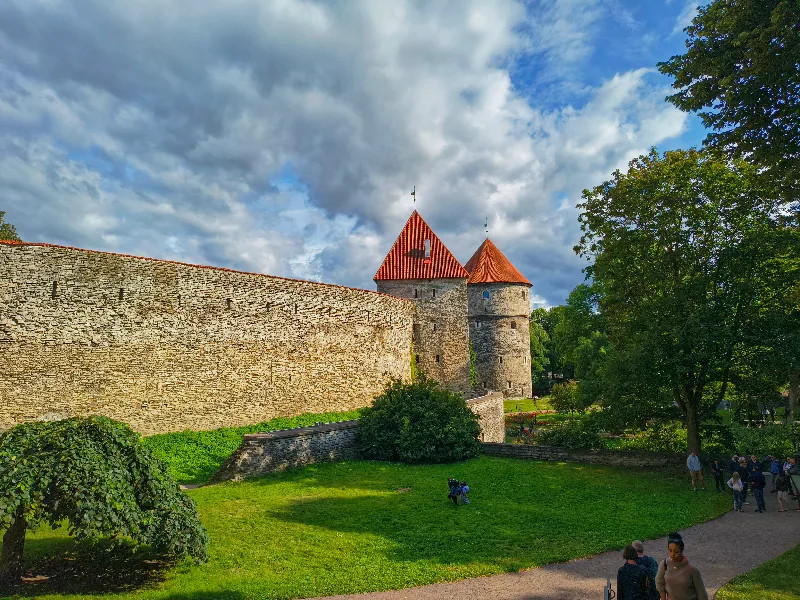
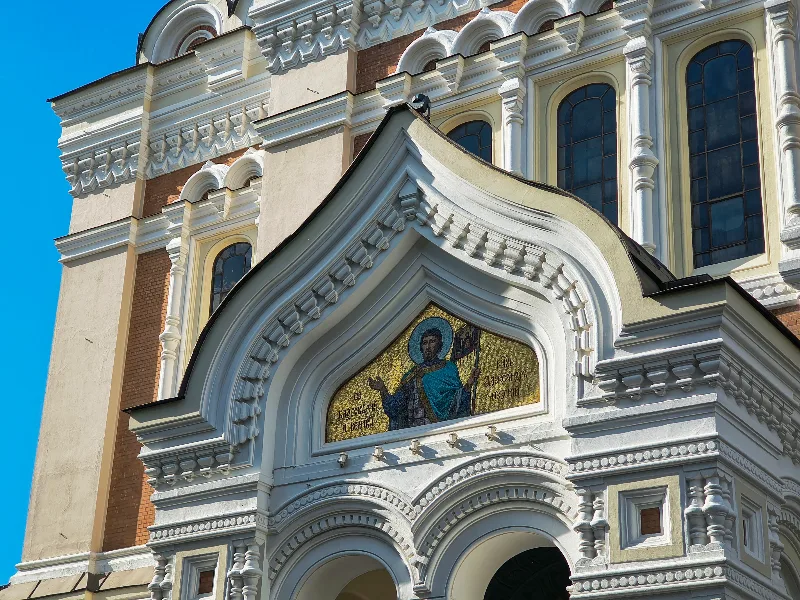
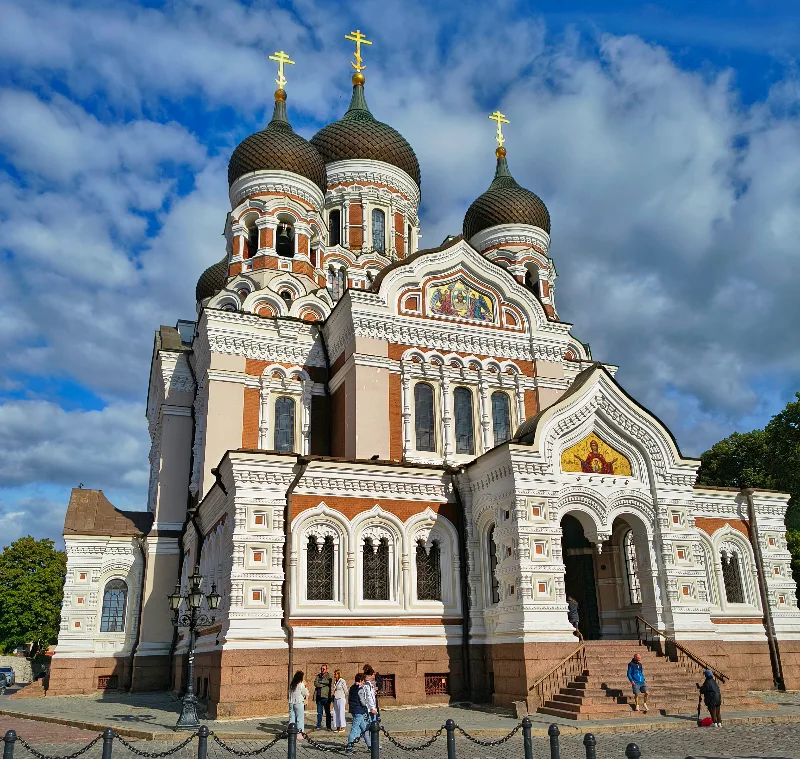
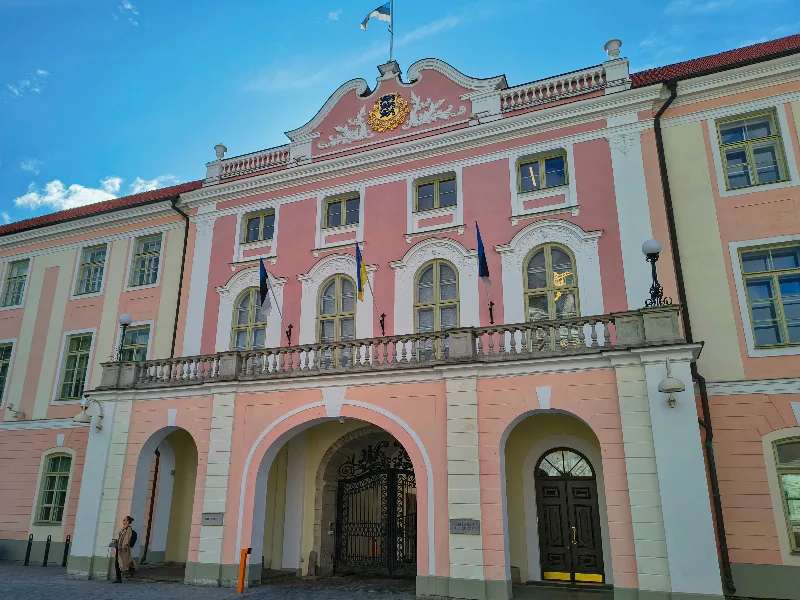
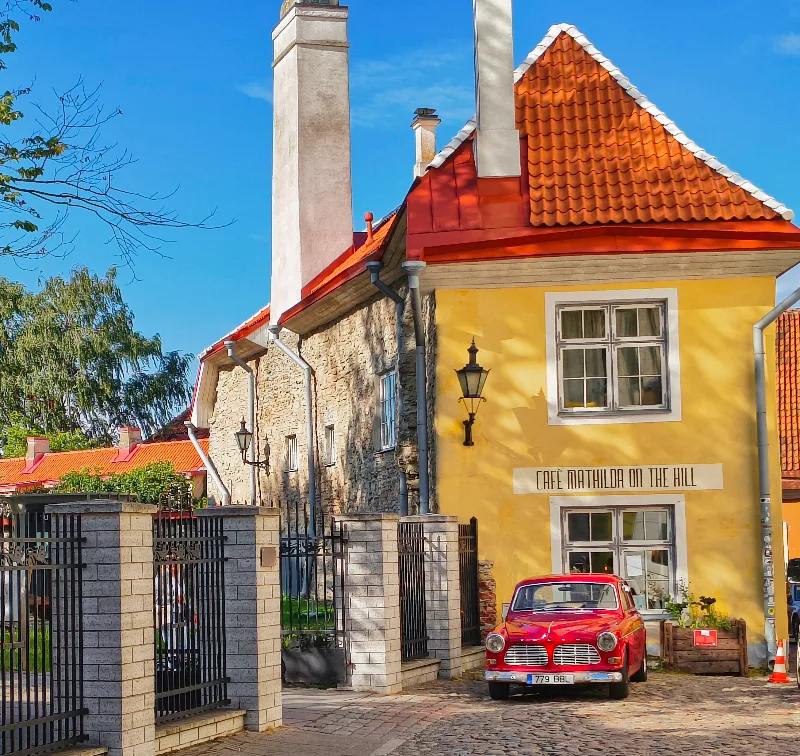
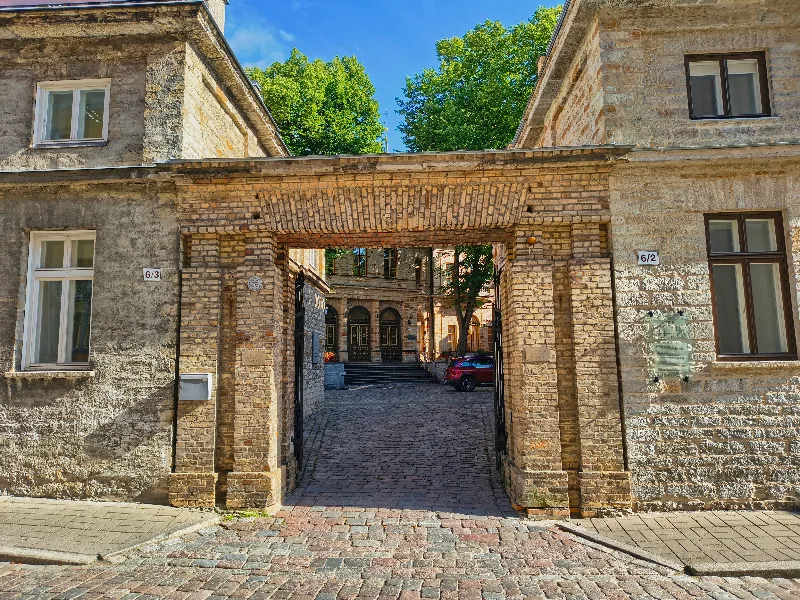
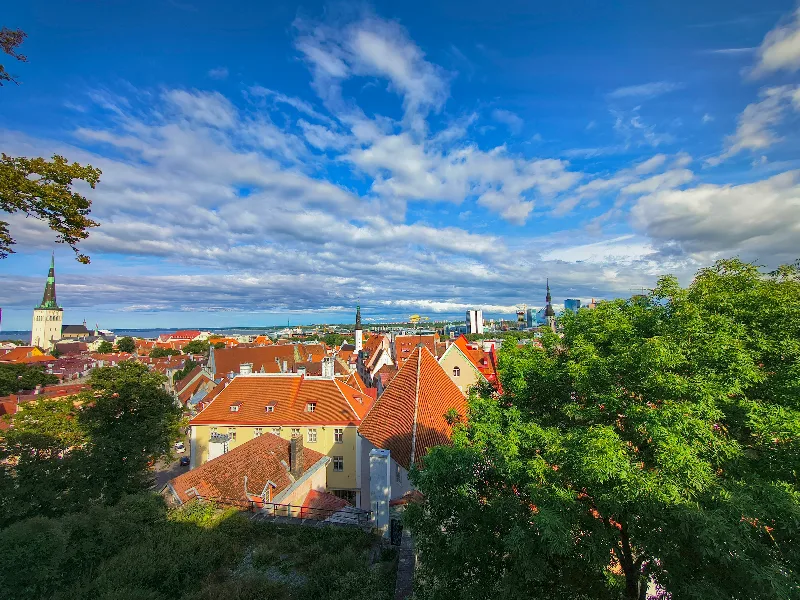
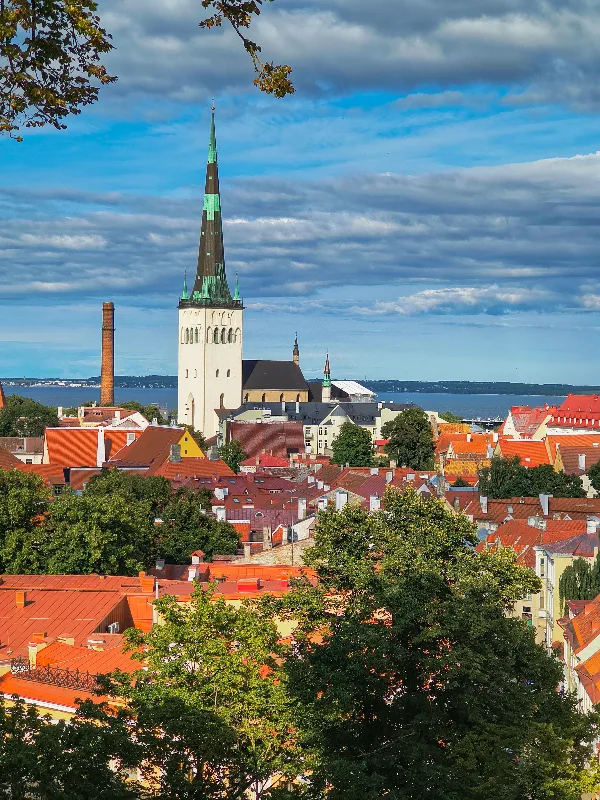
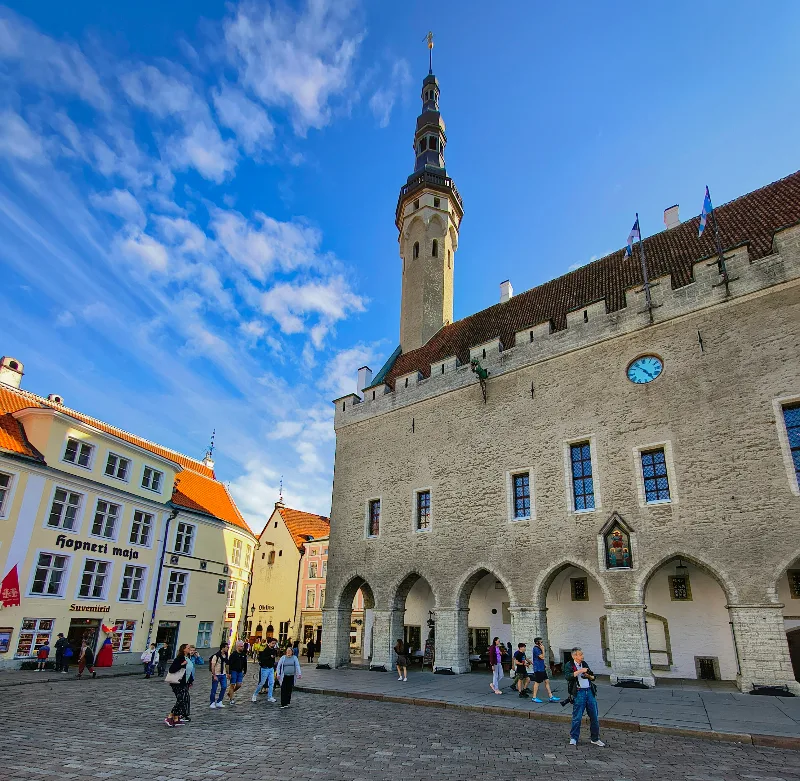
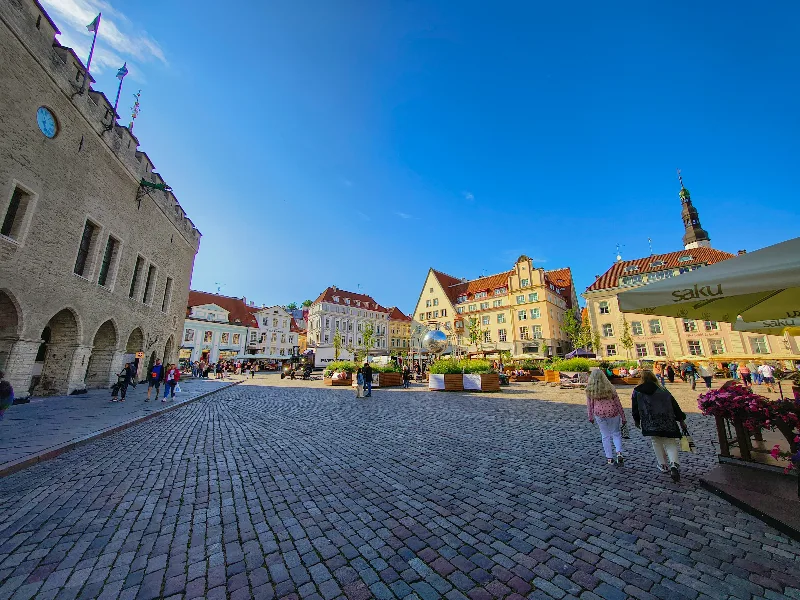
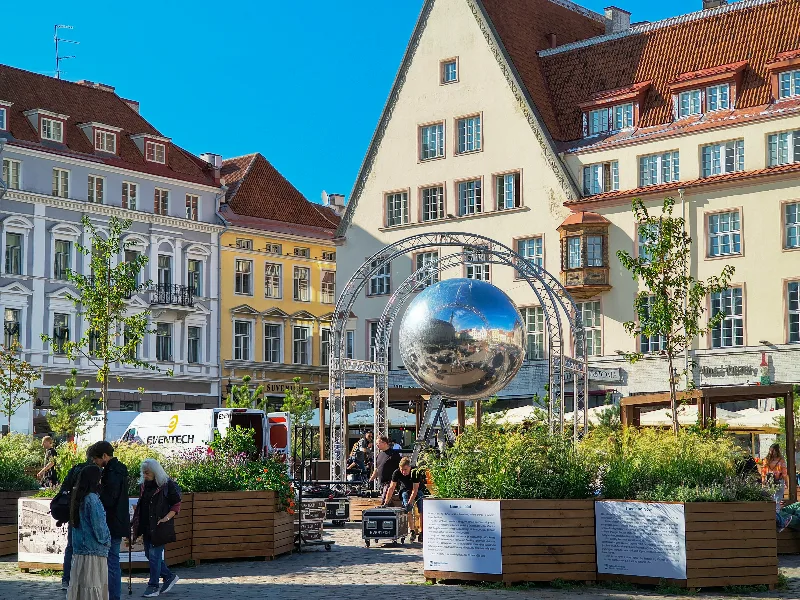
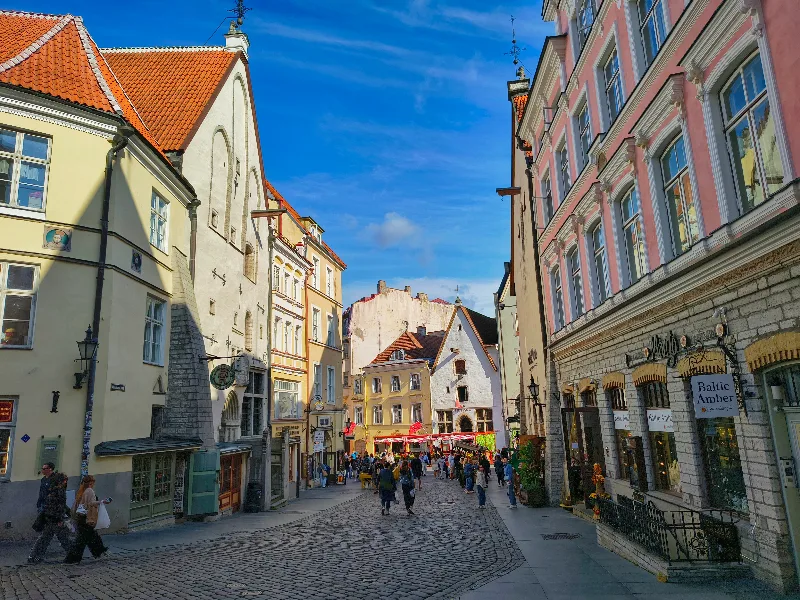
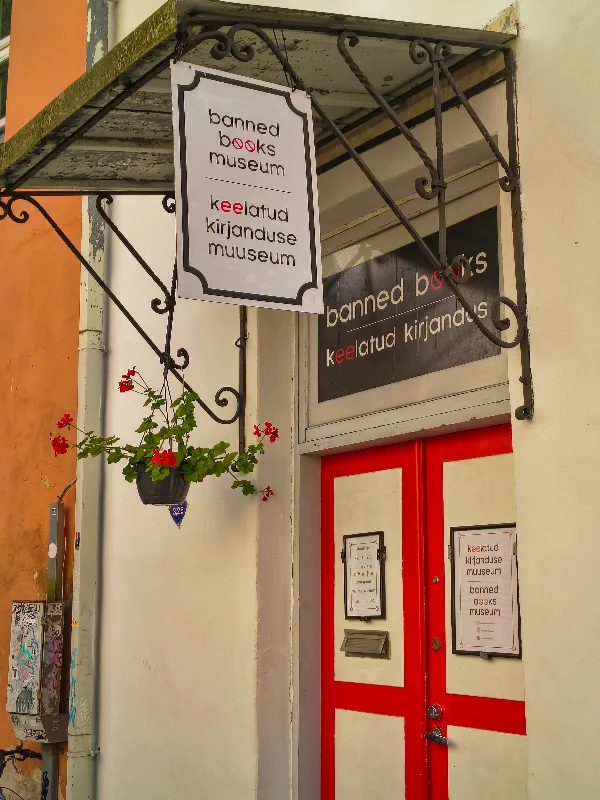
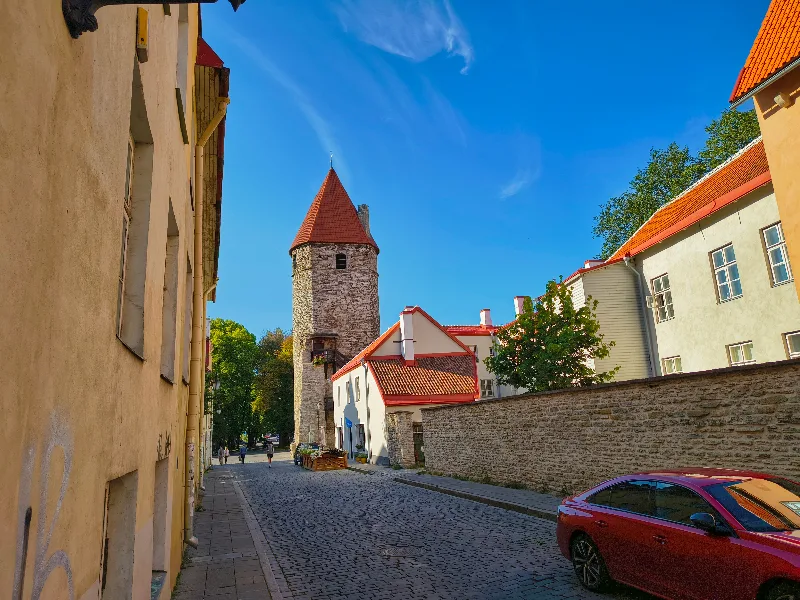
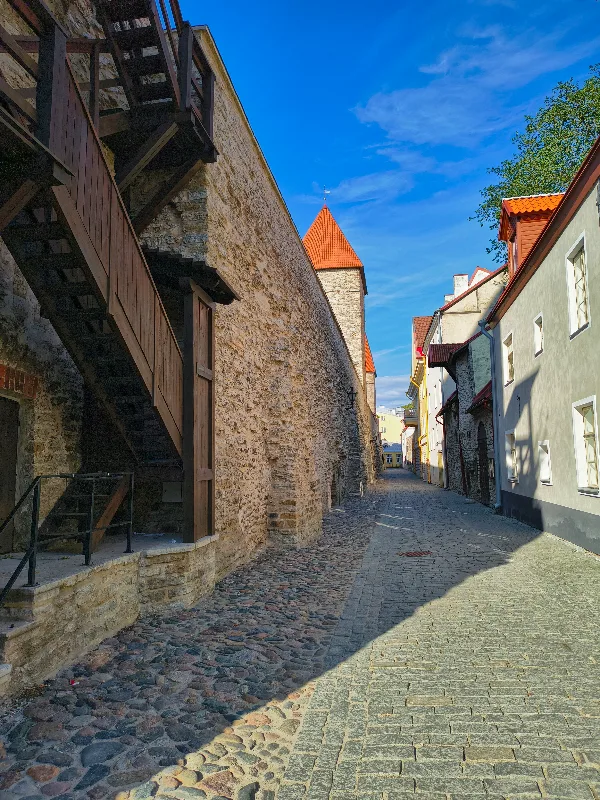
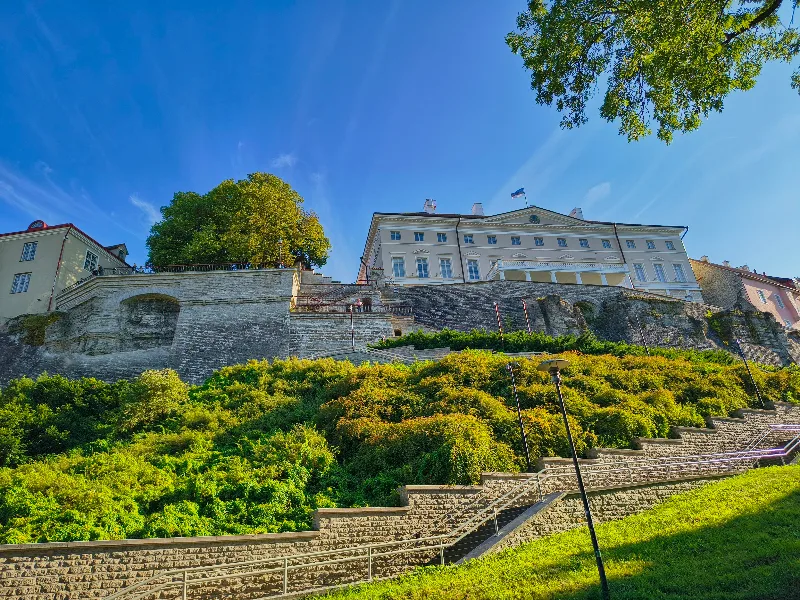
Tallinn, the capital of Estonia, sits on the southern shore of the Gulf of Finland, directly across the water from Helsinki. Its Old Town - one of the best-preserved medieval town centres in Europe and a UNESCO World Heritage Site - grew from a fortified hill, Toompea, and a lower merchant town that joined the Hanseatic League in the 13th century. Over the centuries the city passed through Danish, German, Swedish and Russian rule; its name is often said to derive from the Estonian "Taani linn," meaning "Danish town."
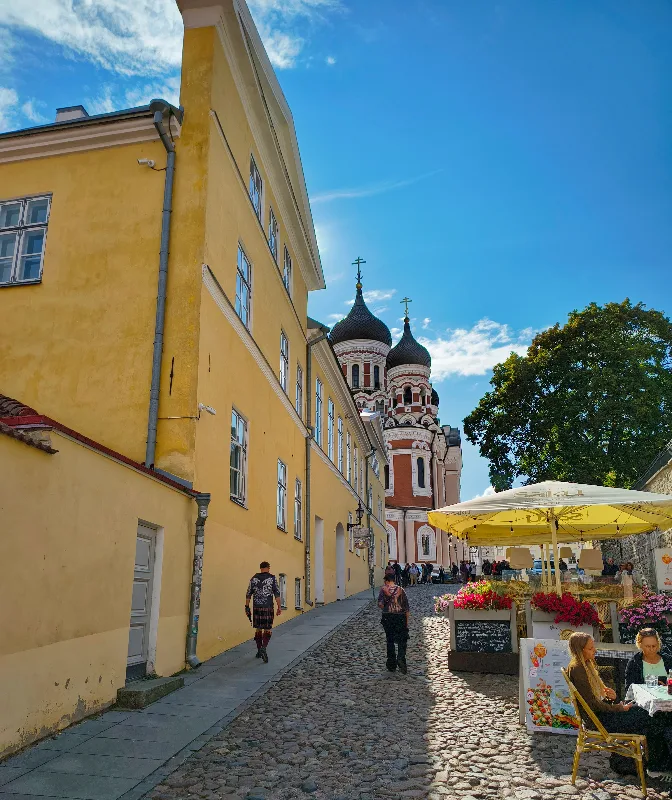
Cobbled streets, merchant houses, guild halls and defensive towers still define the Old Town, while Toompea Hill carries both the Estonian parliament and the onion-domed Alexander Nevsky Cathedral, built in 1900 during the Russian imperial period. Modern Tallinn has also become known well beyond the Baltic as a centre of digital innovation - Skype was developed here - a striking contrast to the medieval streets just a short walk away.