Pedal to the Finish — Ferries, Trails & Baltic Shores
Sun Aug 30 - Into Lithuania
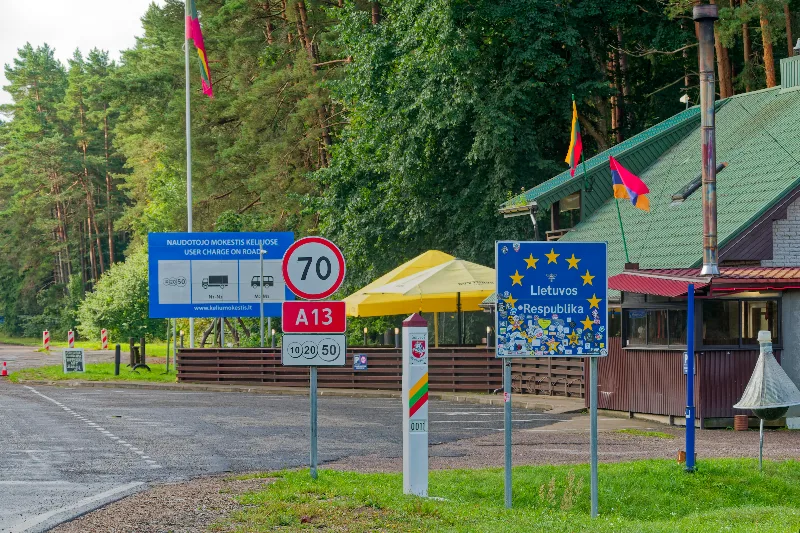
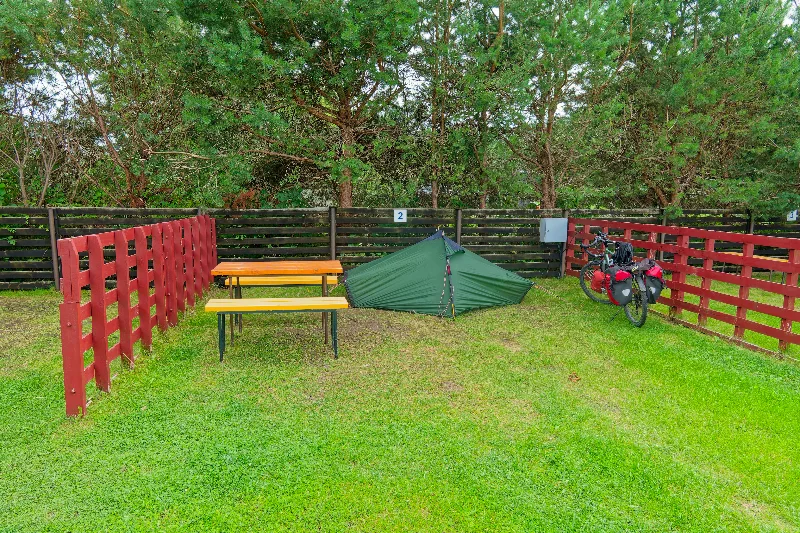
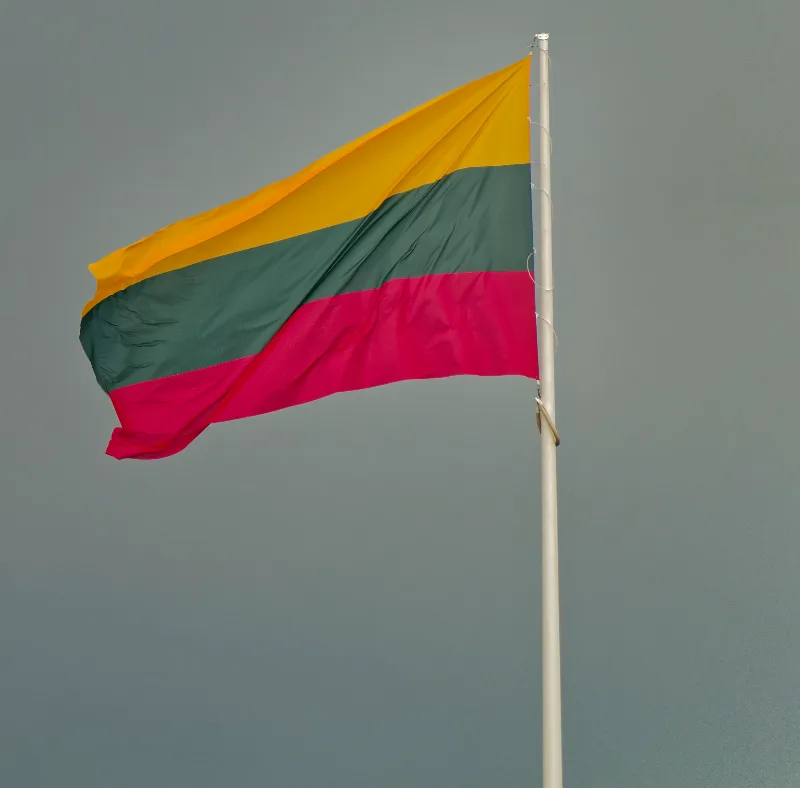
A fairly uneventful day. Last night I met a cyclist from Annecy who had ridden there via Denmark, Trondheim, the Lofoten Islands and the North Cape, then back down through Finland and the Baltics, now heading on towards Poland - we'd already crossed paths a few times over the past week. About 50 km in, I crossed the border into Lithuania; south of it, a long stretch of summer holiday resorts seemed to run almost continuously all the way to Klaipeda. Tonight's campsite is at Karkle - a good starting point for tomorrow's ferry to Nida.
Rain started again just five minutes after the tent was up, leading to a quiet afternoon inside with audiobooks and videos. Plan for the coming days: roughly 75 km tomorrow, 65 the day after, 55 on Tuesday and a short 15 km on Wednesday before the return ferry.
Baltic Amber
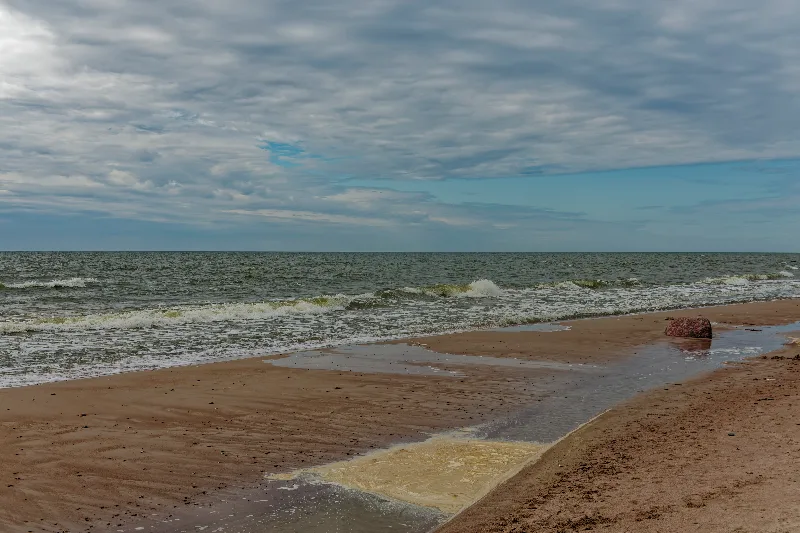
Amber found along Baltic beaches is fossilised resin from coniferous forests that grew here around 35–40 million years ago, later carried and concentrated by the sea. The Baltic coast - including the shores of Latvia, Lithuania and Kaliningrad - holds by far the largest known deposits in the world, and amber has been traded from here since prehistory: the "Amber Road" carried it overland to the Mediterranean, where it was prized by the Greeks and Romans, long before the region's inhabitants left any written history of their own.
Storms are still the best time to look, since they stir up amber from the seabed and cast it ashore, particularly along the sandy coasts of the Curonian Spit and around Palanga, Lithuania's amber capital, where an entire museum is dedicated to it. Beyond jewellery, amber also has a long folklore association in the region with protection and healing, and its trade shaped the wealth and outside interest in this coastline for thousands of years before oil or timber ever did.
Mon Aug 31 - The Curonian Spit
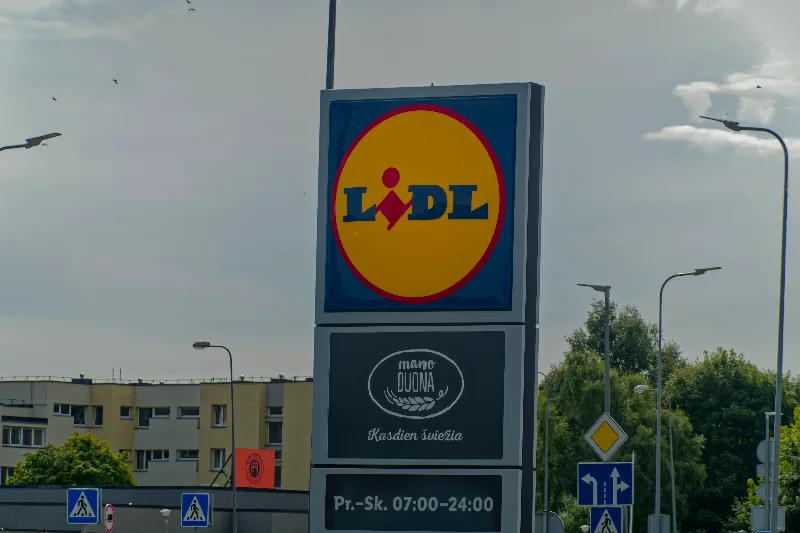
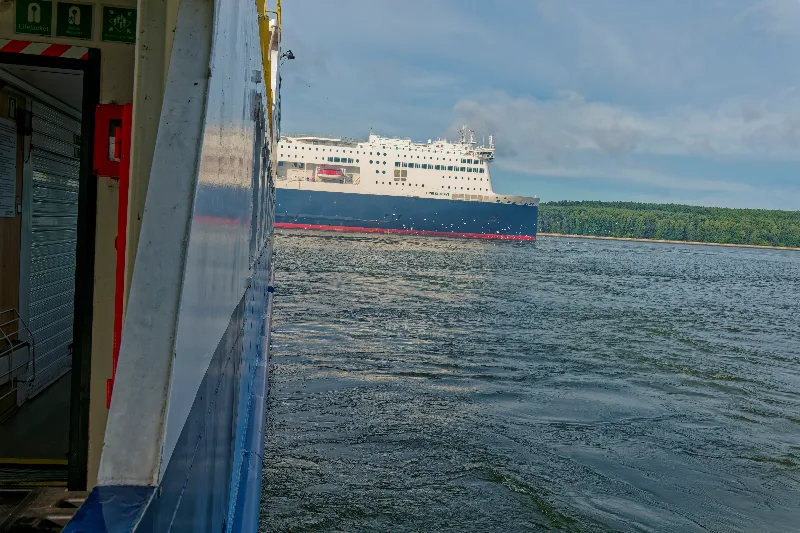
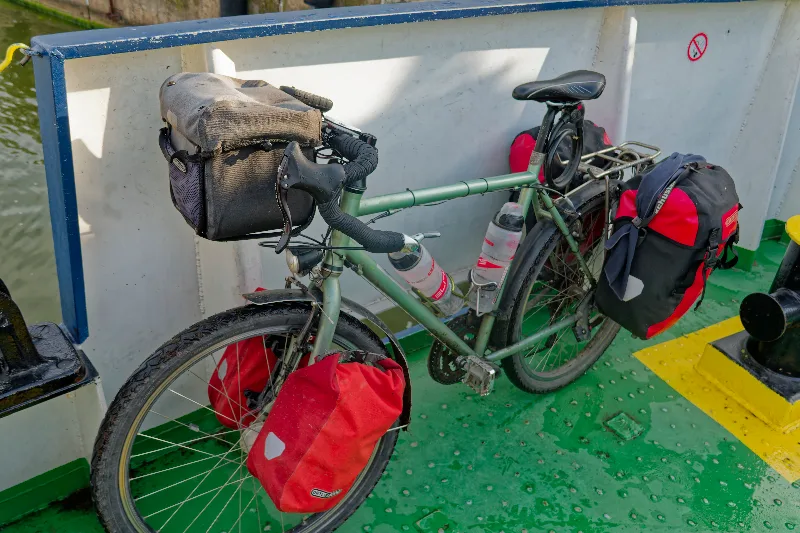
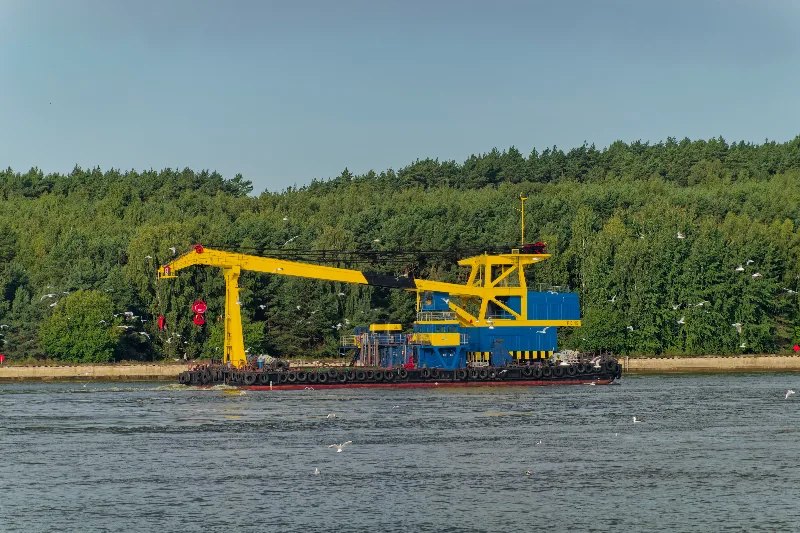
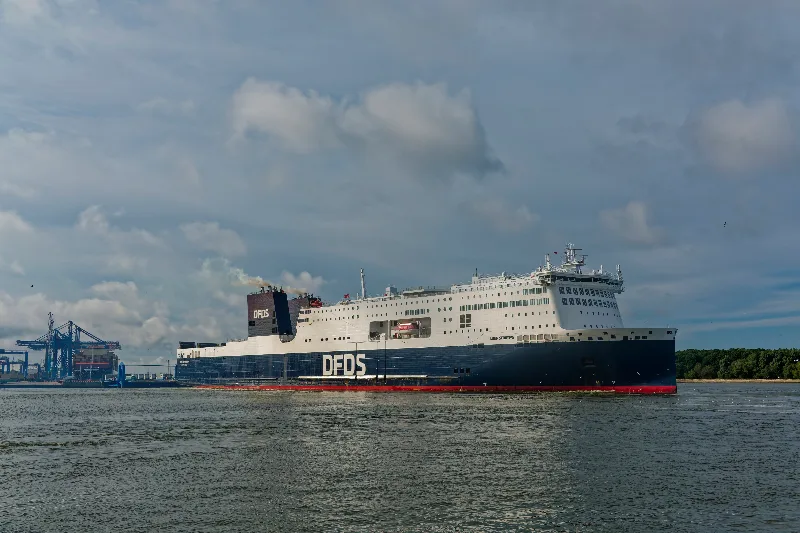
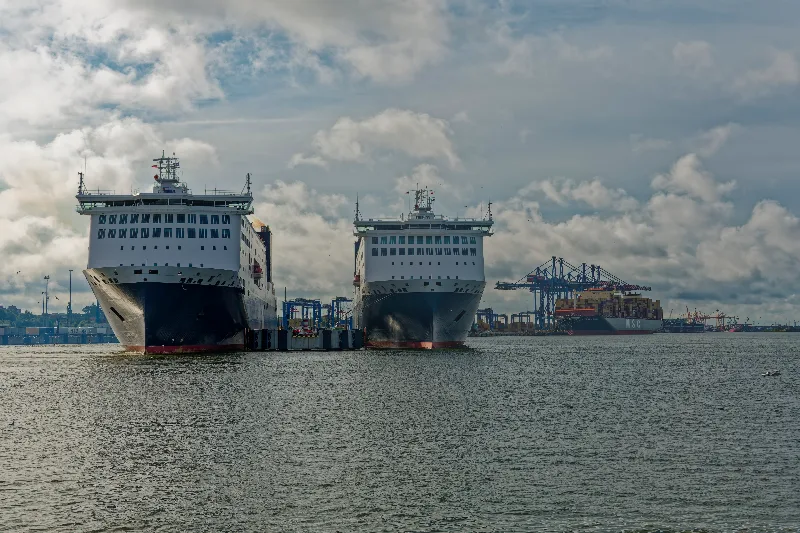
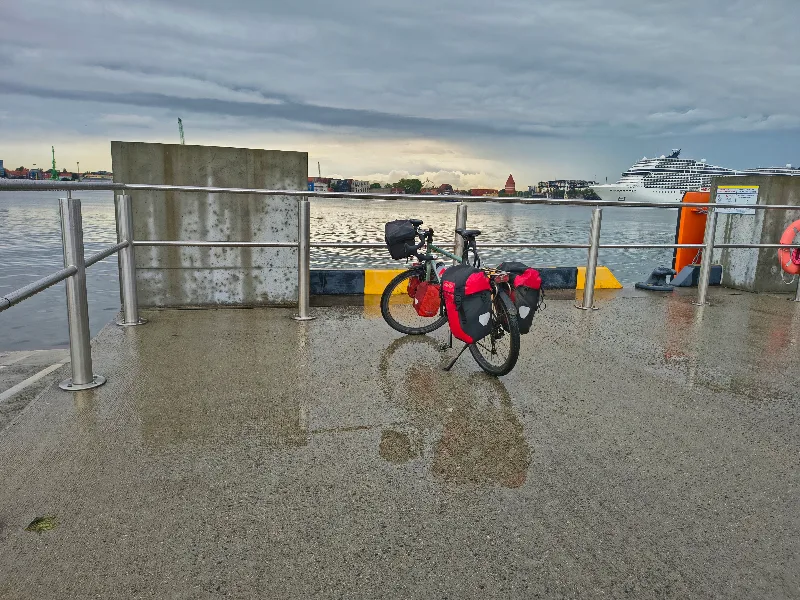
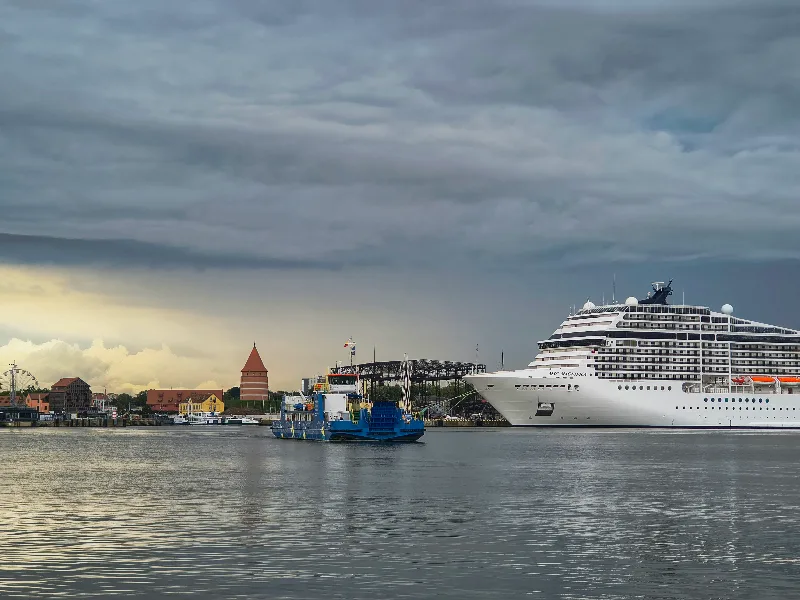
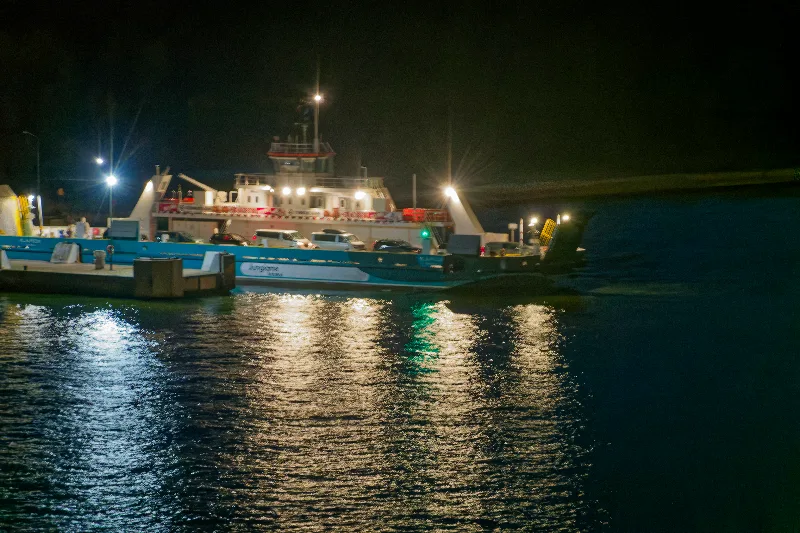
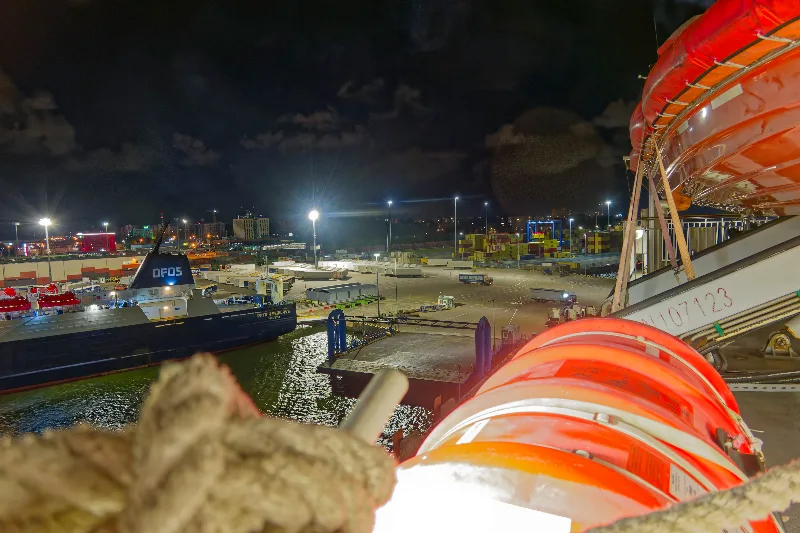
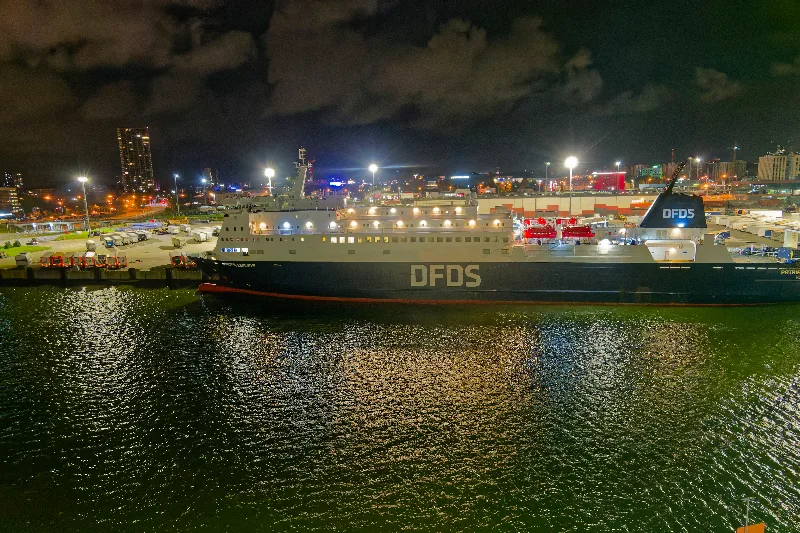
A nice cycle path took me from the campsite to Klaipeda, with a short breakfast stop at a supermarket. At the new ferry terminal I spotted two DFDS ships - one of which will be "mine" on Wednesday - before crossing to the Curonian Spit. From there it was 50 km to Nida/Neringa and the Thomas Mann House, a small museum in the house where he spent three summers until 1932, reportedly working on "Joseph and His Brothers" while there. A short ride took me to within about 500 m of the Russian border, and tonight's campsite is close to Nida.
A gear note: my Garmin GPS quietly gave up on the very first day in Finland and couldn't be coaxed back to life. I'd half expected something like this, so I was carrying a backup - an old eTrex 30 from my Everest trip, preloaded with the same tracks. It's happened before, in New Zealand in 2015, were I've carried a spare as well, but on no other trip I did that. My fifteen-year-old rain poncho is also falling apart; I patched it up with a needle and thread for now, and a new one from Rose is already on its way home. Good weather today, but rain is forecast for this evening and tomorrow, and again on Wednesday - the return home to Munich is getting closer.
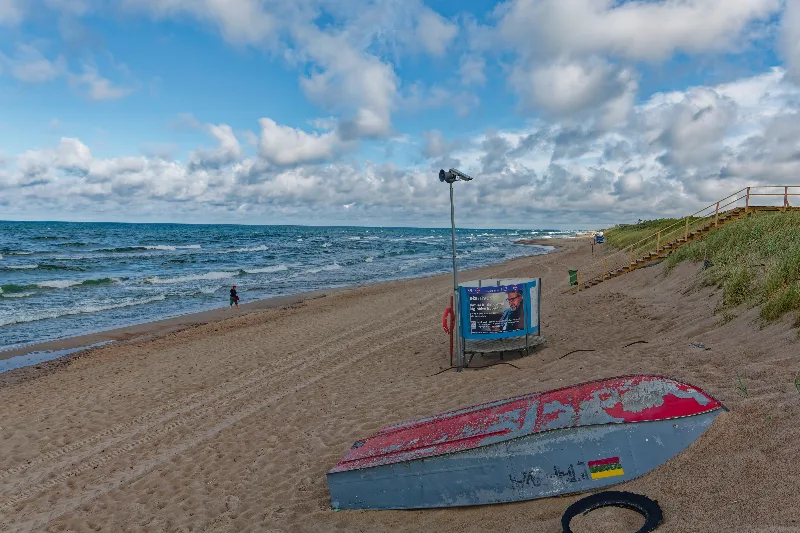
The Curonian Spit
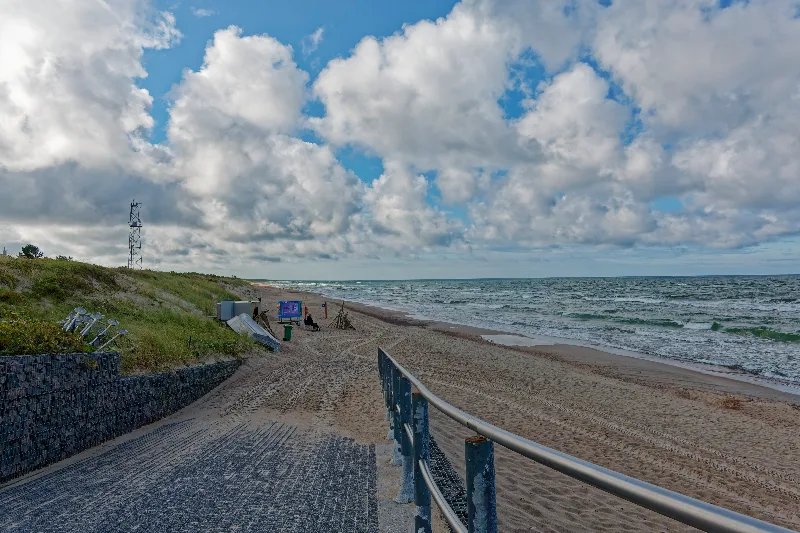
The Curonian Spit is a narrow strip of sand, roughly 98 km long and in places less than 400 metres wide, separating the freshwater Curonian Lagoon from the open Baltic Sea. Split today between Lithuania and Russia's Kaliningrad Oblast, it was formed over the past 5,000 years by wind, waves and currents piling up sand along a shifting sandbar - a process that continues today. A UNESCO World Heritage Site since 2000, it is recognised for both its dramatic dune landscape and the long human struggle to keep it habitable.
Left to itself, the loose sand drifted freely - entire fishing villages were buried by the moving dunes in the 18th and 19th centuries. From the 1800s a huge programme of pine forestation across the spit finally stabilised much of the sand, and today around two-thirds of the Spit is covered in forest, with the tallest dunes, near Nida, still rising over 50 metres and among the largest drifting dunes in Europe.
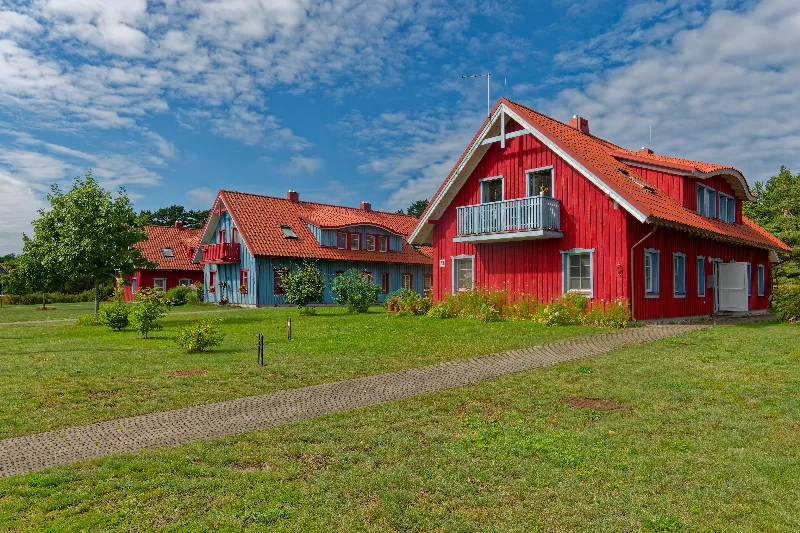
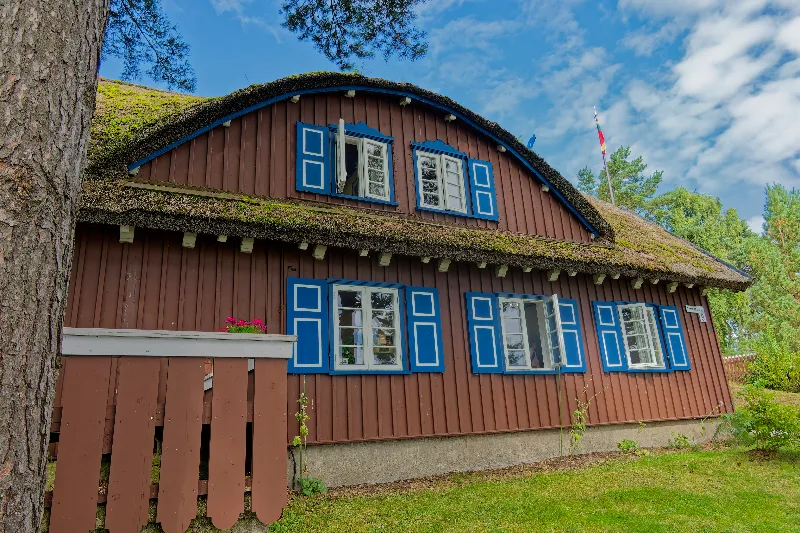
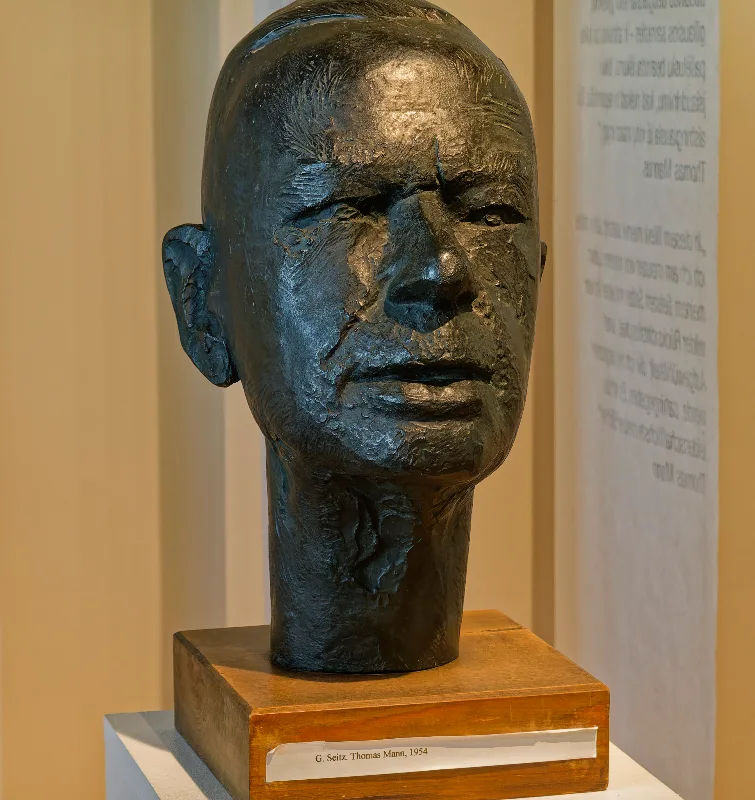
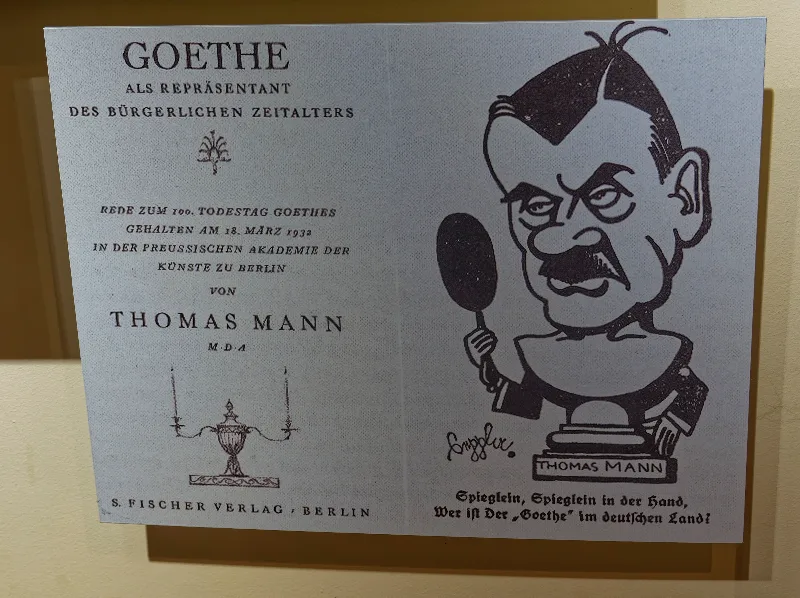
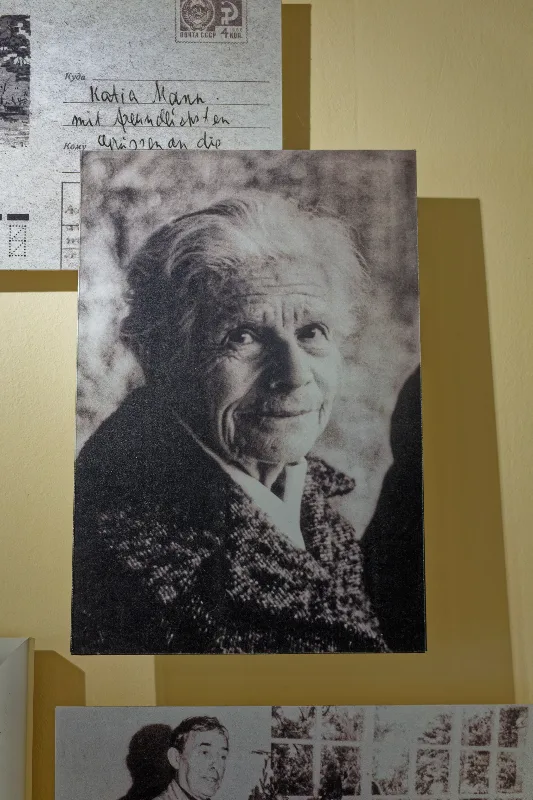
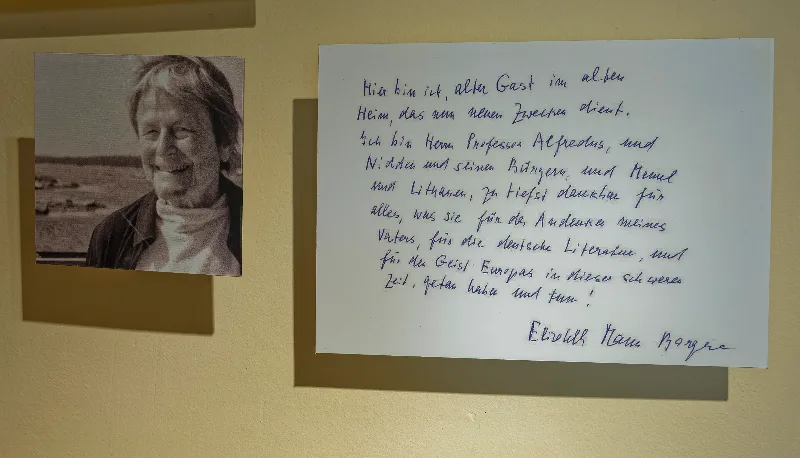
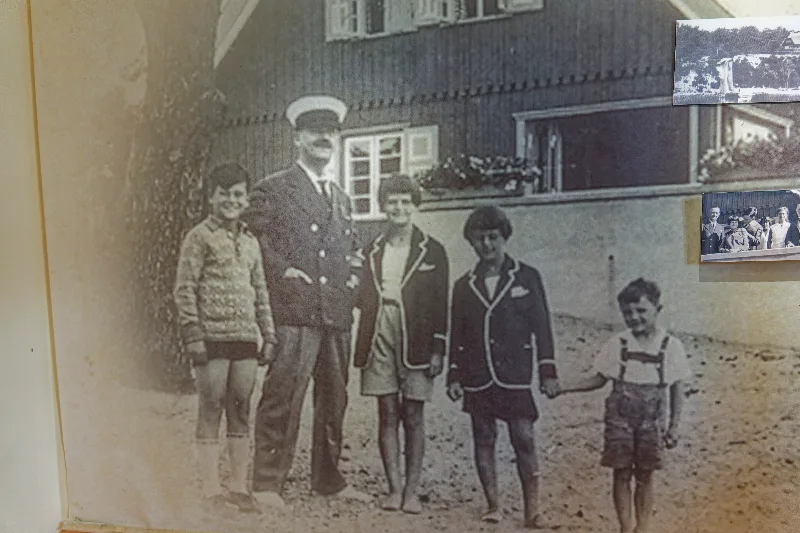
Thomas Mann House, Nida
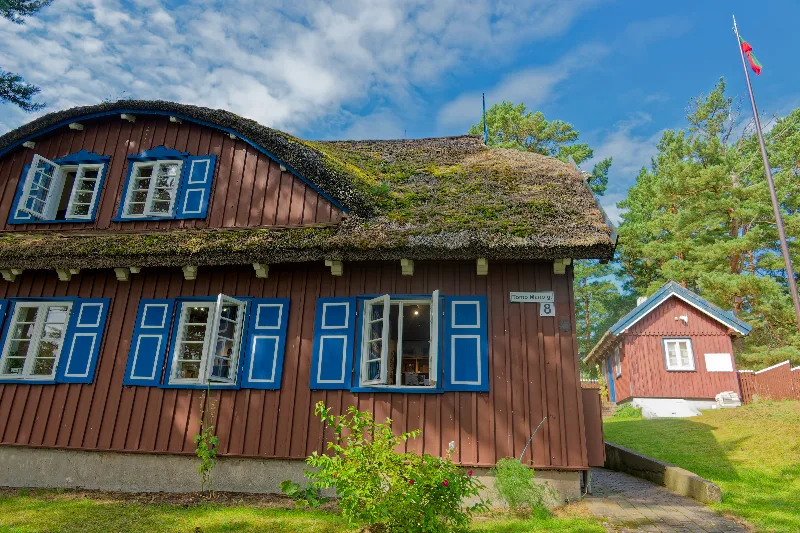
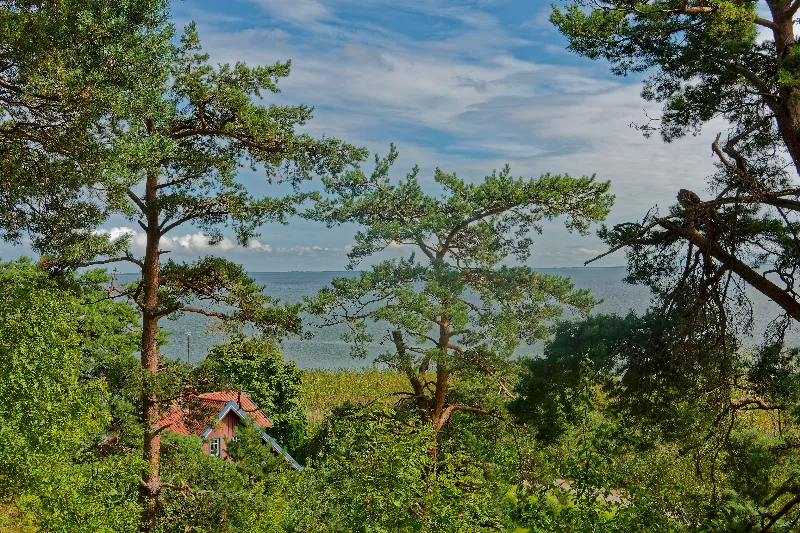
The Thomas Mann House in Nida was built in 1930 for the German writer, who had just won the Nobel Prize in Literature the previous year, as a modest thatched-roof summer retreat overlooking the Curonian Lagoon. Mann and his family spent three summers here, from 1930 to 1932, drawn by the landscape and the relative calm of what was then part of the Memel Territory, administered by Lithuania. It was here that he worked on parts of "Joseph and His Brothers," the vast novel cycle he continued writing for years afterward.
The rise of Nazism in Germany made further visits impossible - Mann, an outspoken critic of the regime, went into exile in 1933 and never returned to the house. Rebuilt after wartime damage, the house today operates as a small museum and cultural centre, and its garden and view over the lagoon remain much as Mann himself would have known them.
Kaliningrad Oblast
Kaliningrad Oblast is a Russian exclave wedged between Poland and Lithuania on the Baltic coast, with no land connection to the rest of Russia. Until 1945 the region was the northern part of German East Prussia, centred on the old Hanseatic and Prussian capital of Königsberg. After the Soviet Union annexed it at the end of the Second World War, most of the German population fled or was expelled, Königsberg was renamed Kaliningrad after a Soviet politician, and the area was resettled with people from across the USSR.
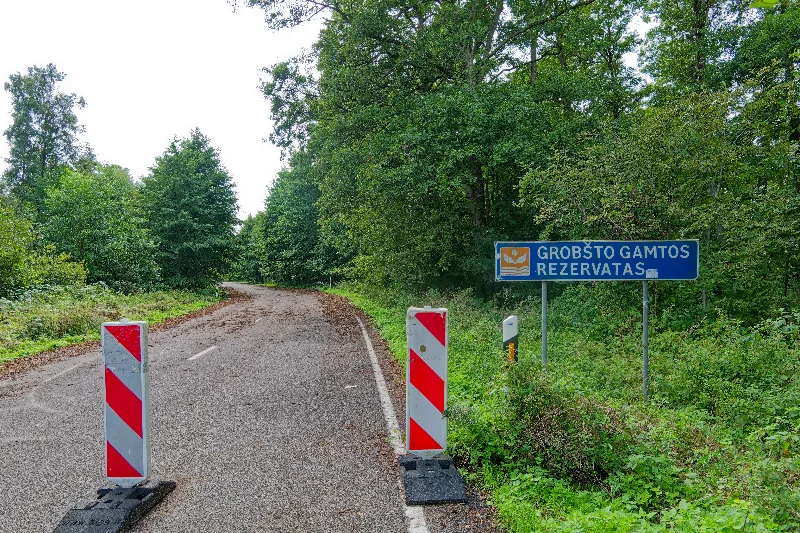
Heavily militarised as the headquarters of the Soviet, and now Russian, Baltic Fleet, the oblast was closed to foreigners for decades and remains one of the most heavily garrisoned parts of Russia today. Since Lithuania and Poland joined the EU and Schengen area in 2004 and 2007, the border here has become one of the sharpest lines in Europe - which is why, standing on the Curonian Spit only some 500 m from the frontier, actually crossing it was never really an option on this trip.
Tue Sep 1 - Klaipeda
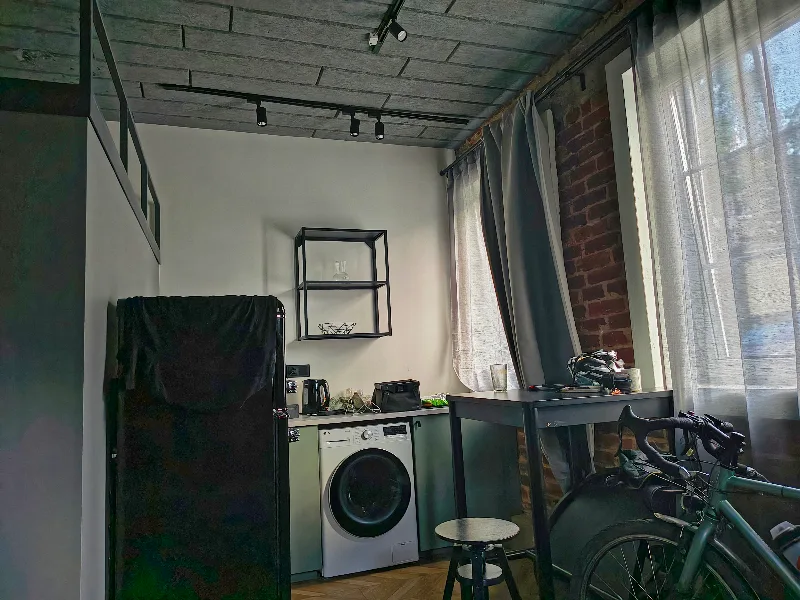
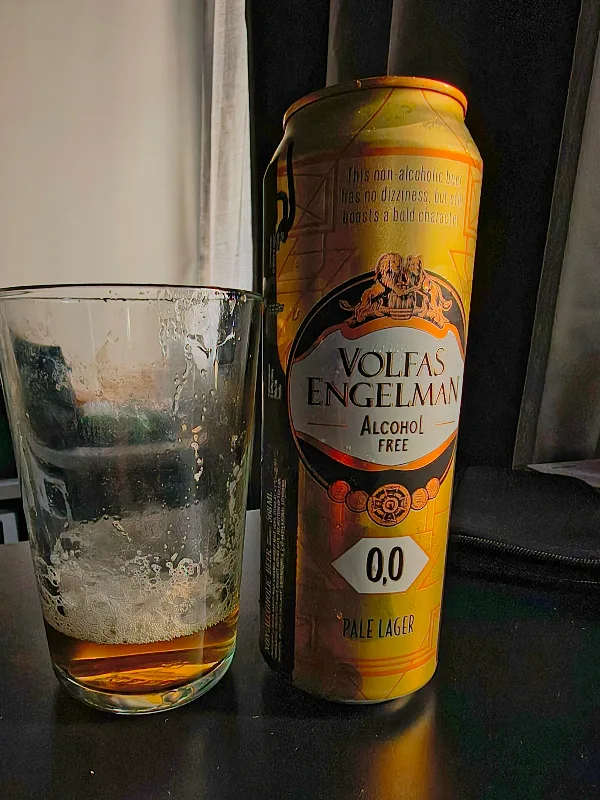
A quiet day in Klaipeda - including doing laundry in my rented appartment, since after three weeks on the road, freshly washed socks feel like an entirely different piece of clothing. One local curiosity: 1 September is the first day of the school year in Lithuania, and by law alcohol sales in supermarkets are suspended for the day, to keep the focus on children and education.
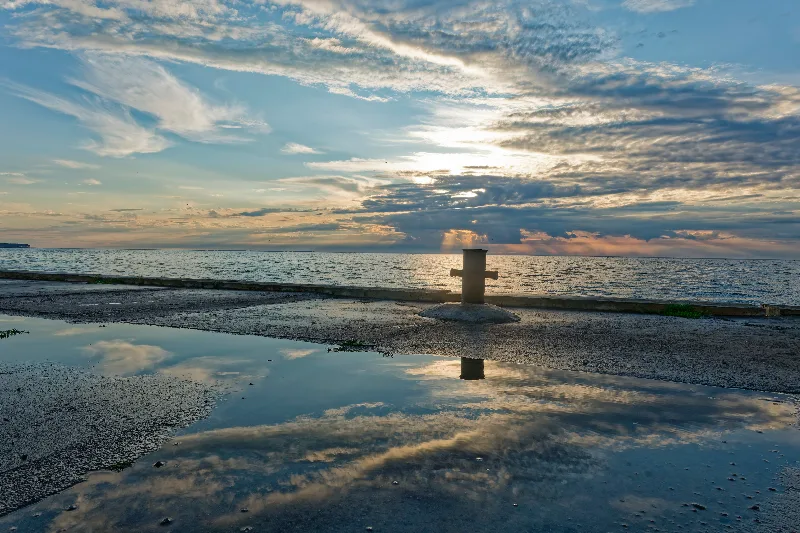
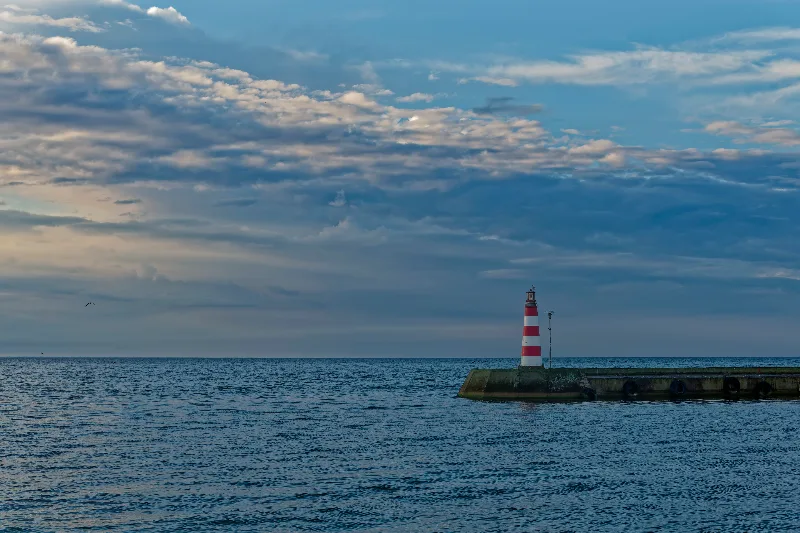
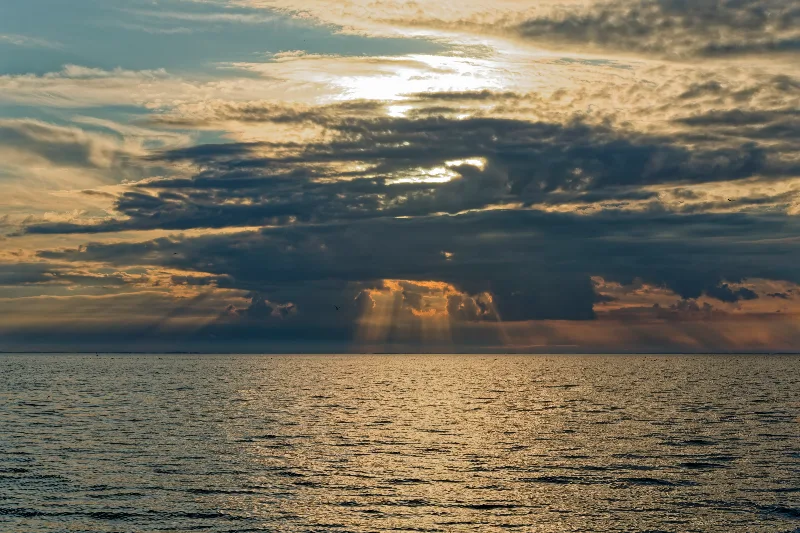
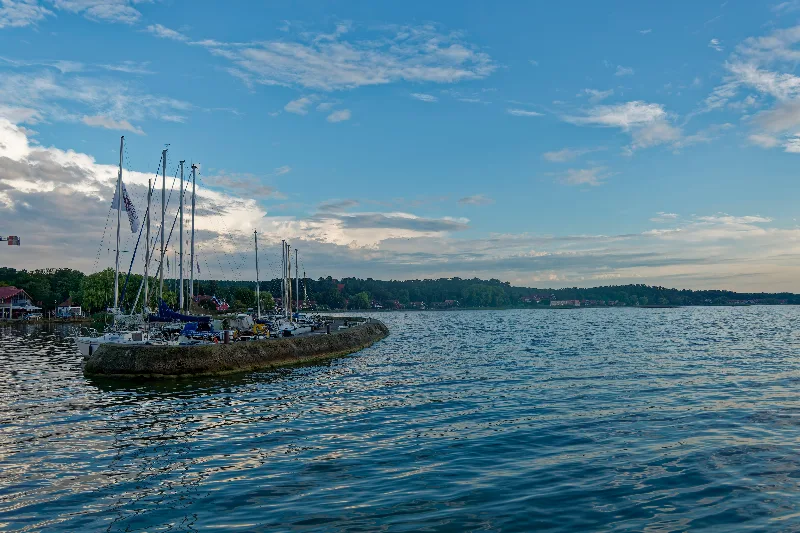
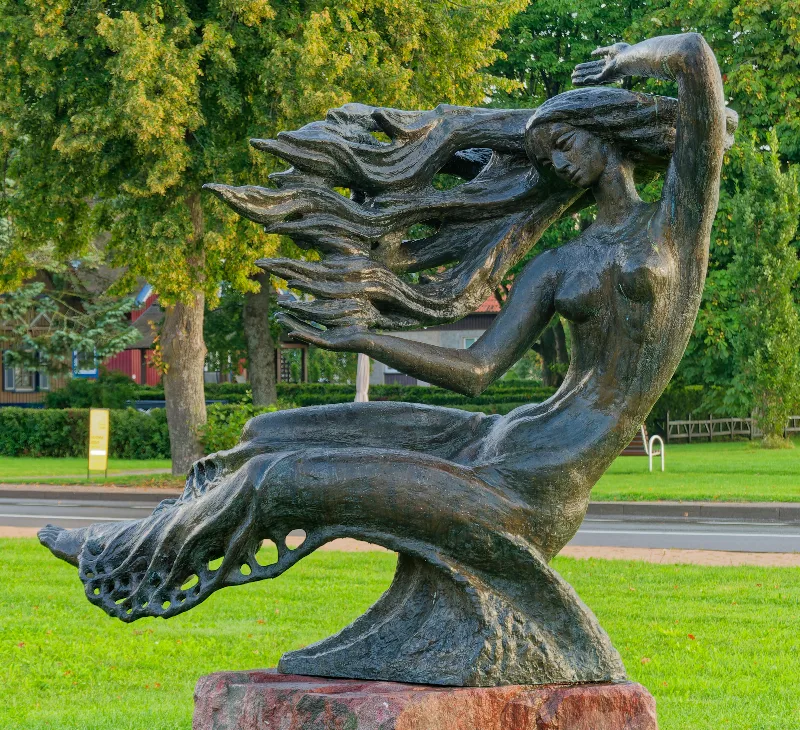
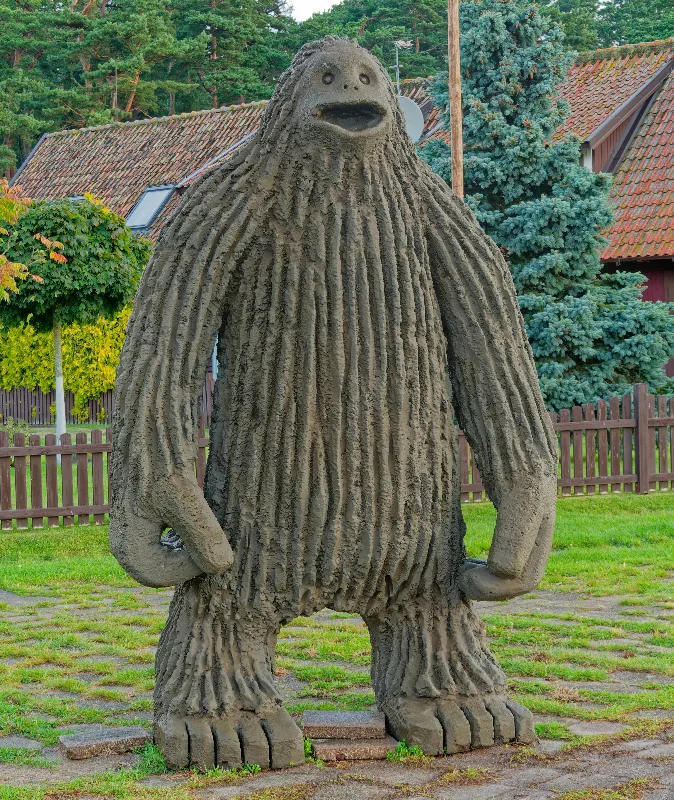
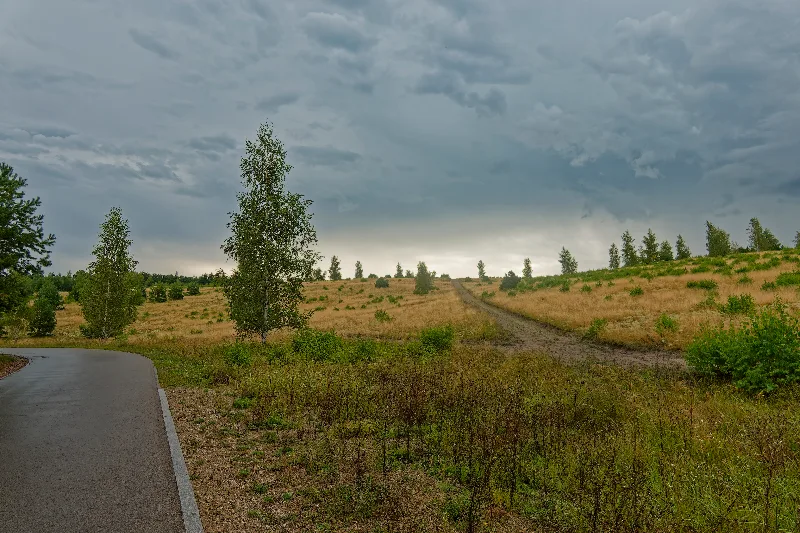
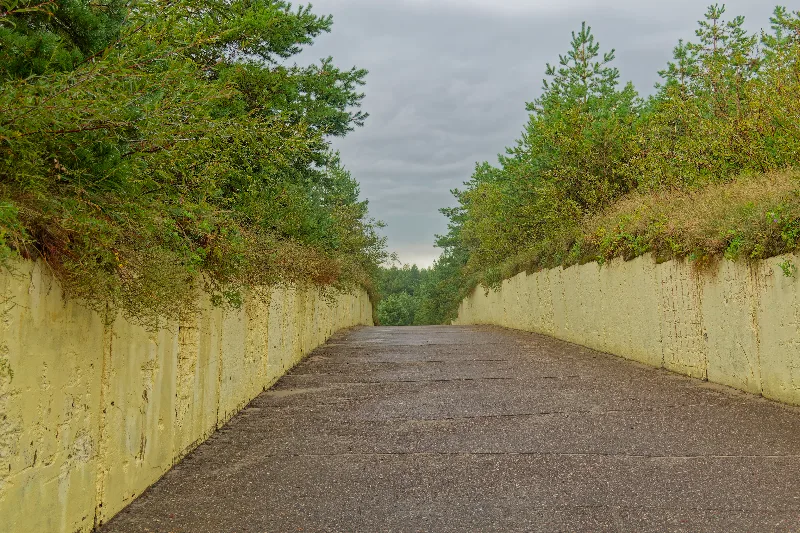
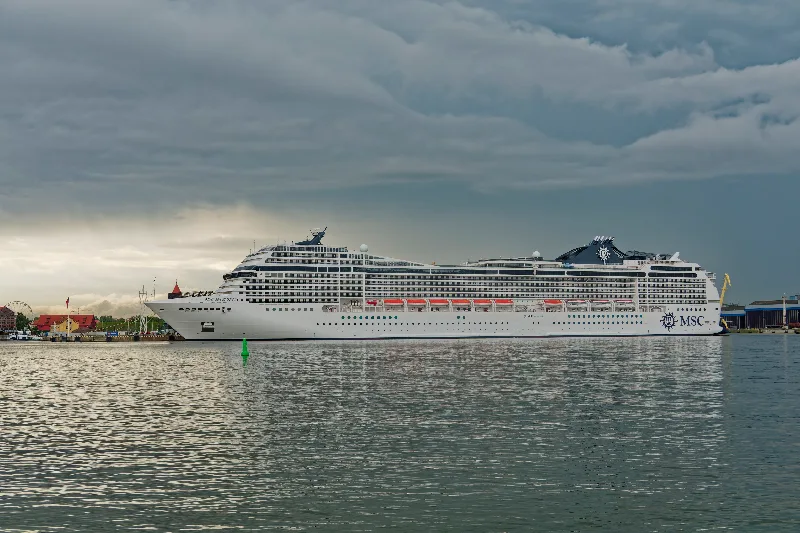
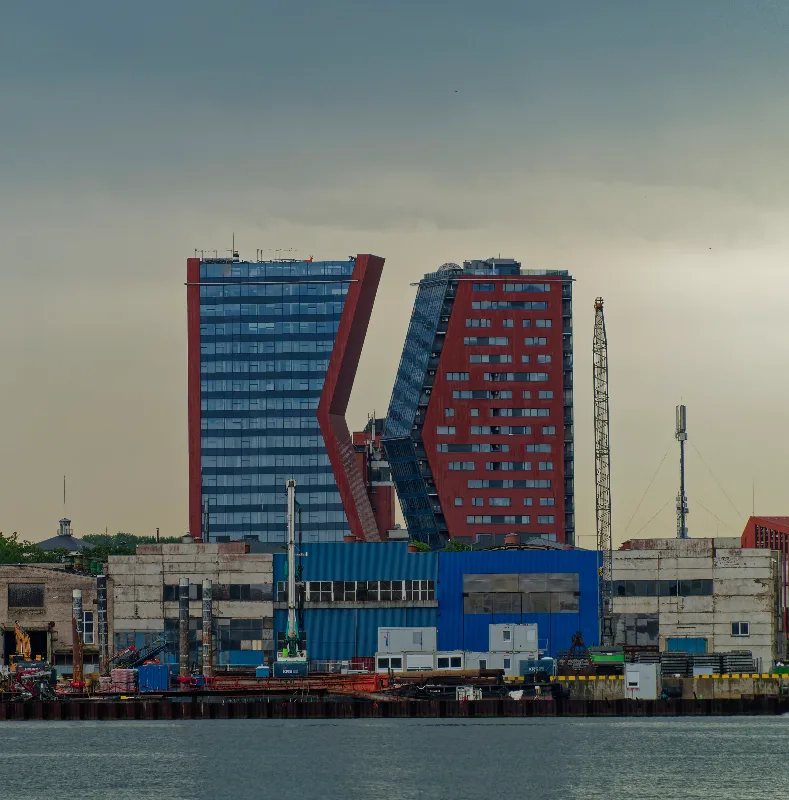
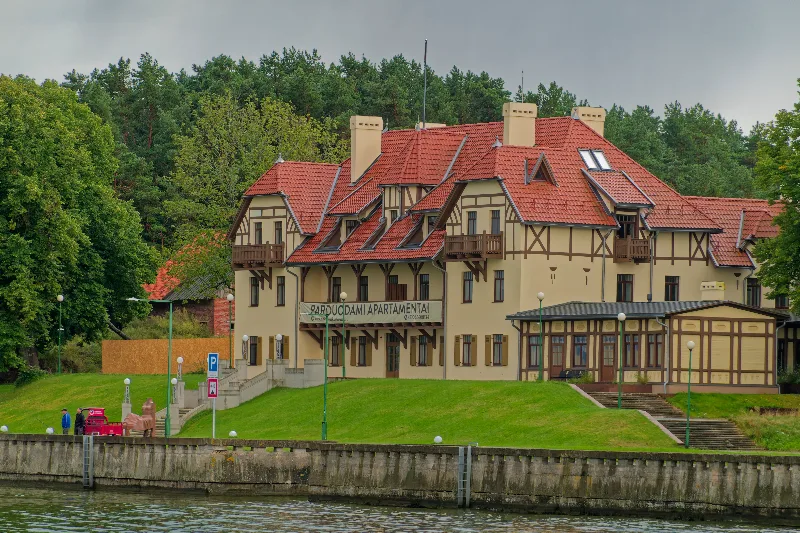
Klaipeda (Memel)
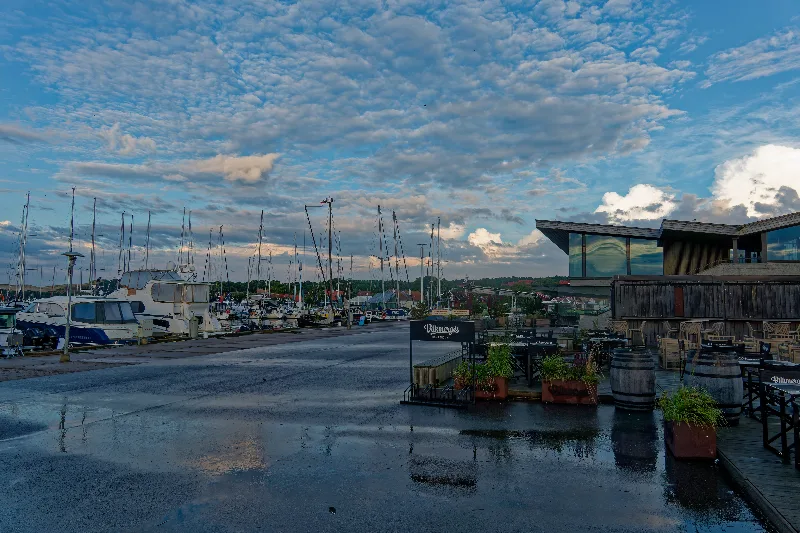
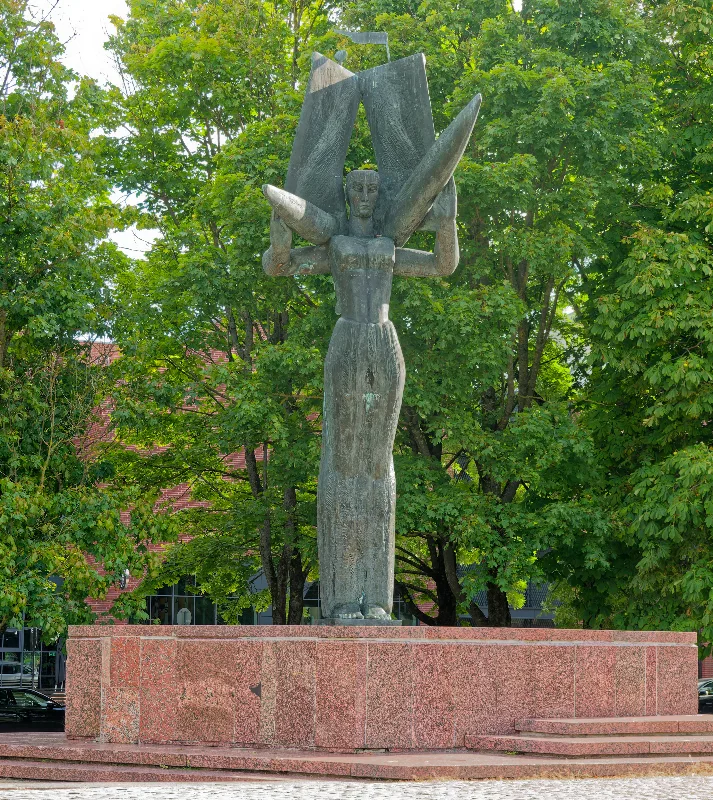
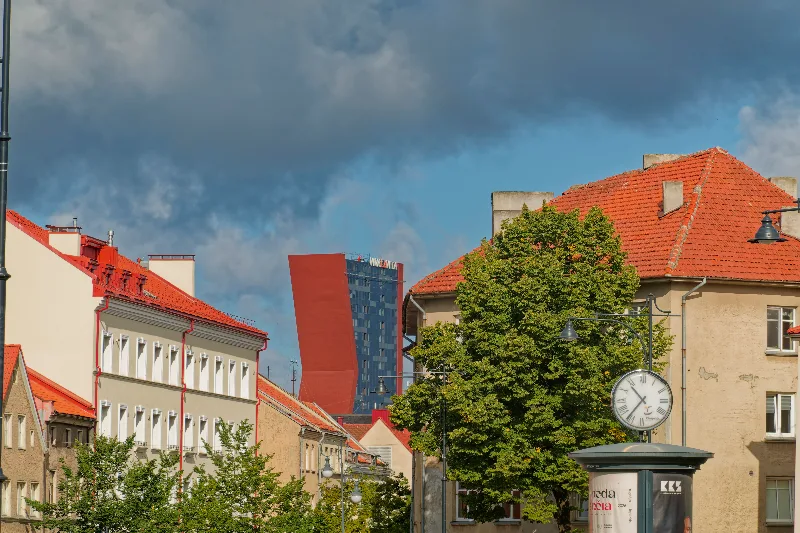
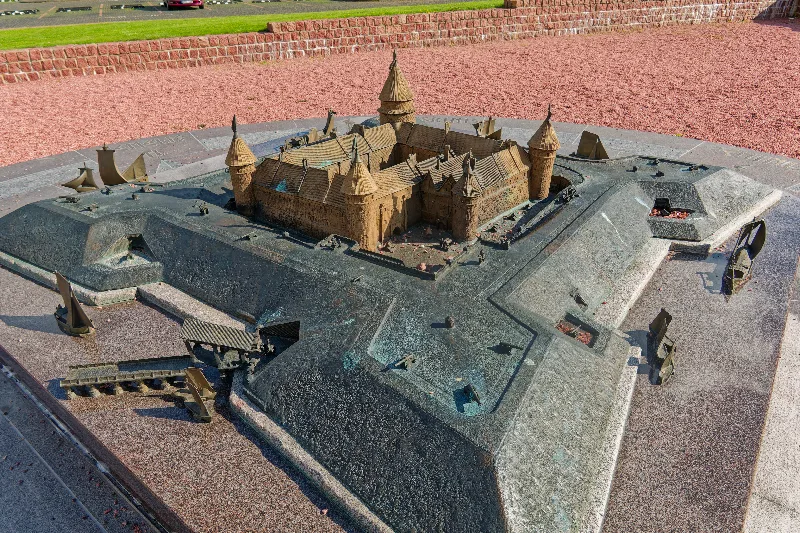
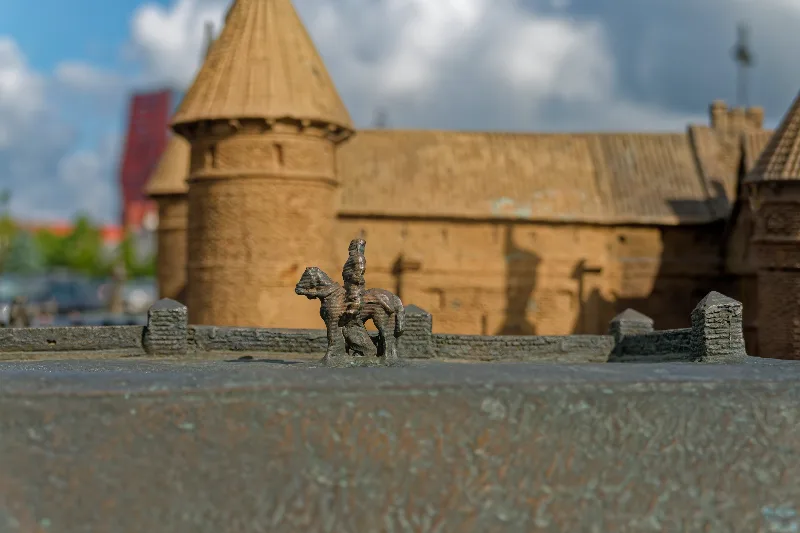
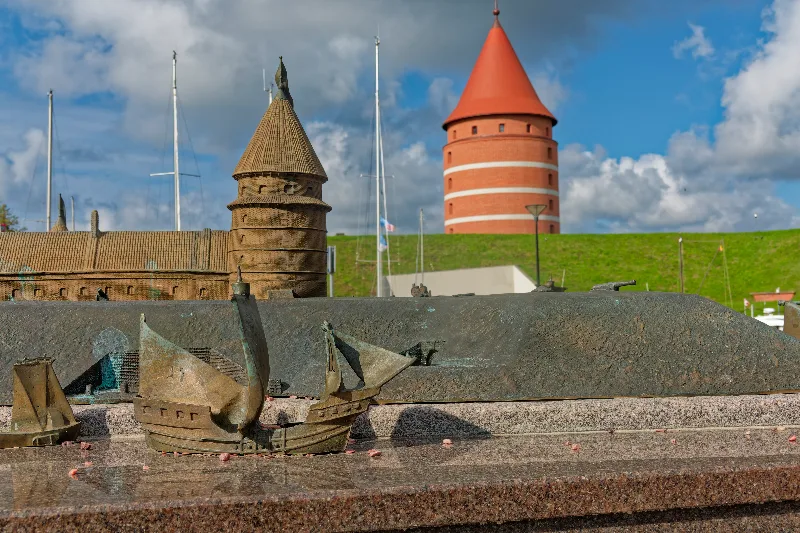
Klaipeda is Lithuania's only major seaport and, for most of its history, was known by its German name, Memel. Founded by the Teutonic Order in 1252 as a fortress on the edge of Prussia, it remained part of the German-speaking world - first Prussia, then the German Empire - for nearly seven centuries. After the First World War it was separated from Germany and placed under League of Nations administration, before Lithuania annexed the surrounding Memel Territory in 1923.
Nazi Germany forced its return in 1939 - the last territorial demand Hitler made before the invasion of Poland - and it stayed under German control until the Red Army retook it in 1945, after which almost the entire German population had fled or been expelled. As part of the Soviet Union, Klaipeda was developed into a major fishing and naval port, heavily rebuilt after wartime destruction. Its compact Old Town still shows traces of the old Memel's German maritime architecture, and the harbour remains Lithuania's principal gateway to the Baltic Sea and the ferry link to the Curonian Spit.
Wed Sep 2 - Klaipeda II
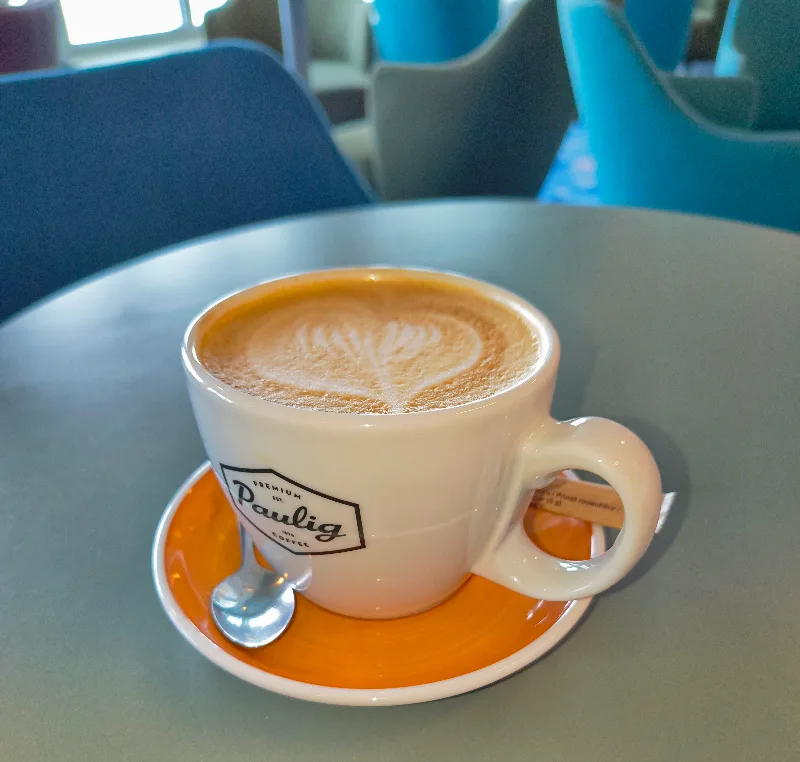
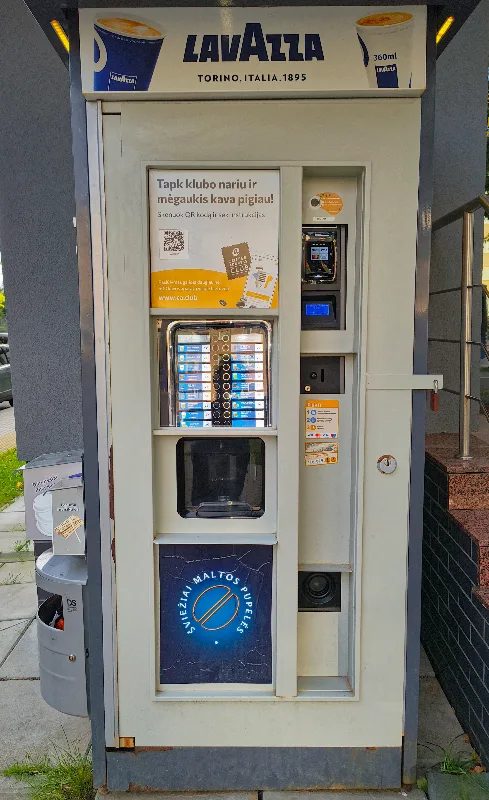
Breakfast today was smoked Norwegian salmon with baguette and croissant, a latte from a Lavazza vending machine, and an Earl Grey on top - these coffee machines turn up even out in the countryside here. For the ferry crossing I picked up an IPA, a nod to past sailing trips to India, when keeping the hops topped up was practically a rule of the voyage. Likely to be offline tomorrow, out on the open sea.
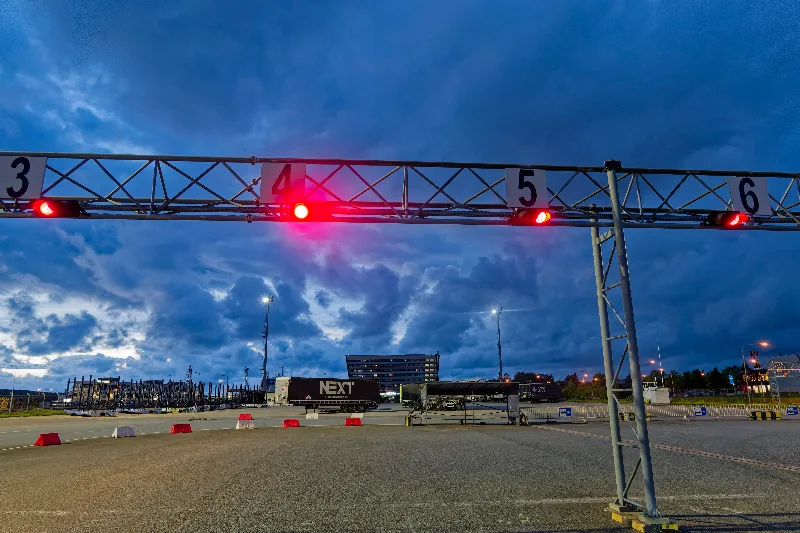
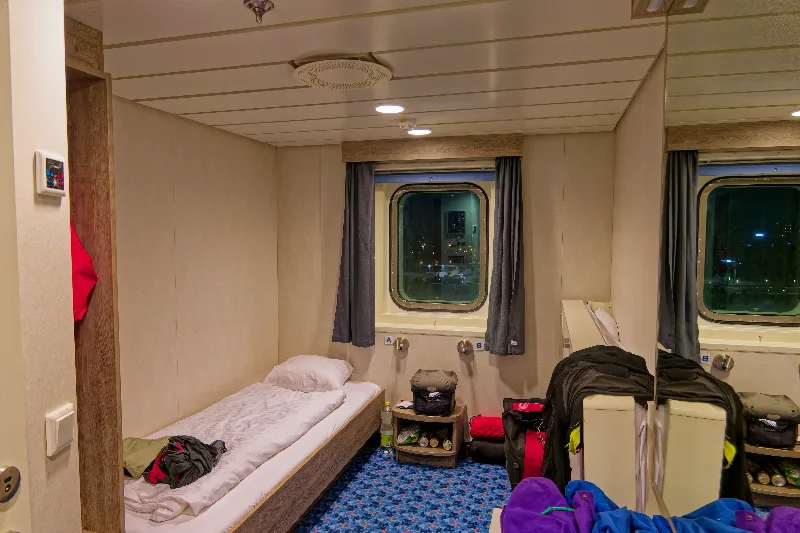
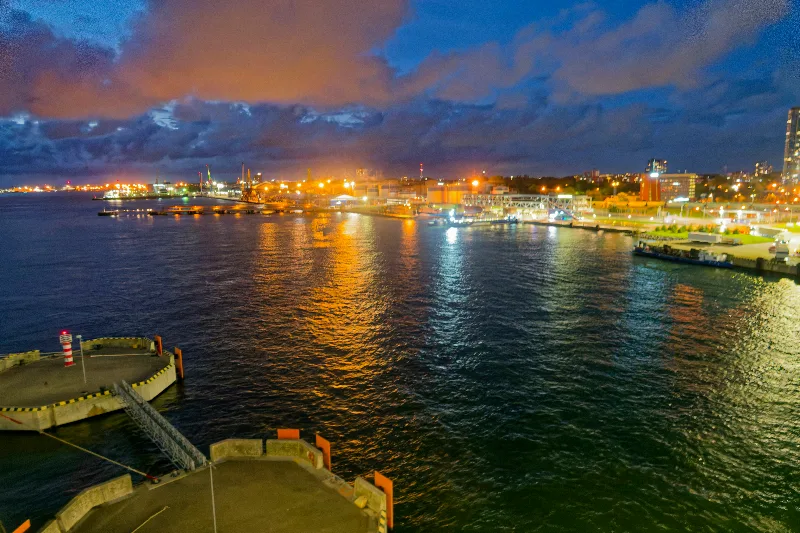
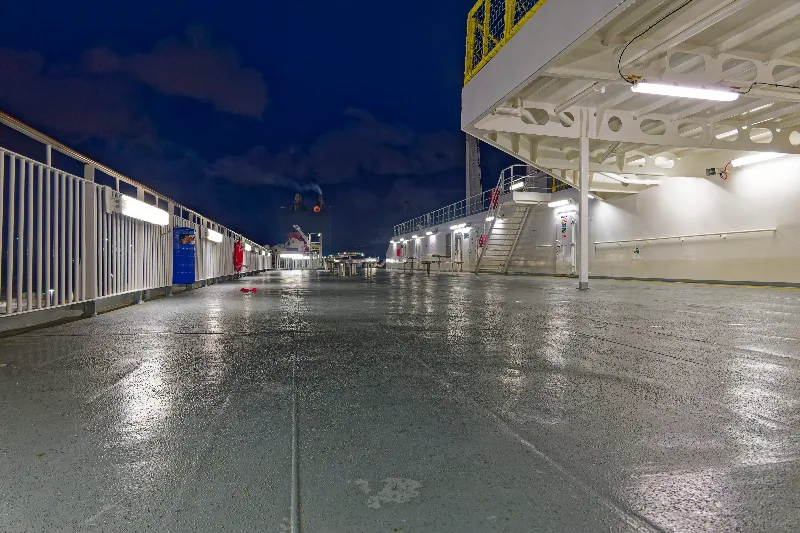
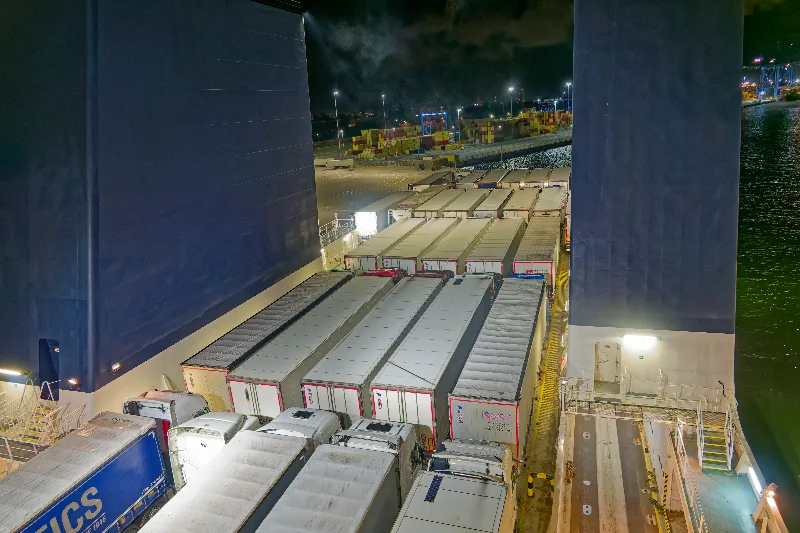
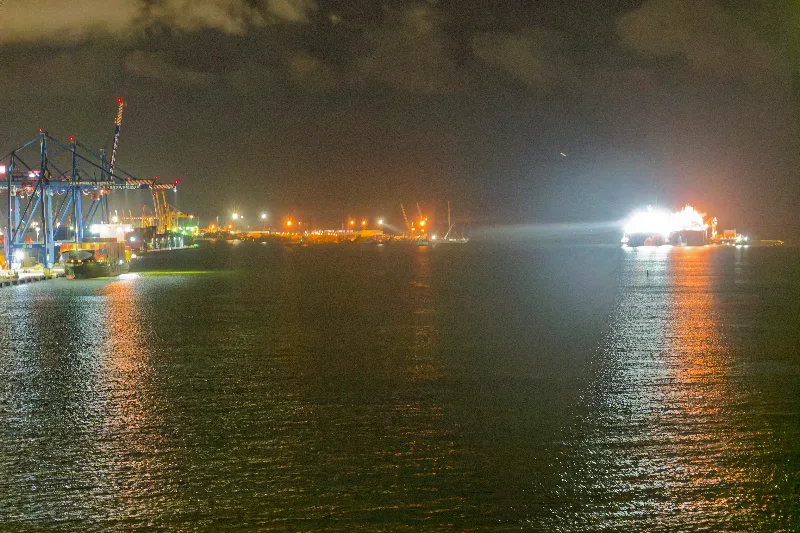
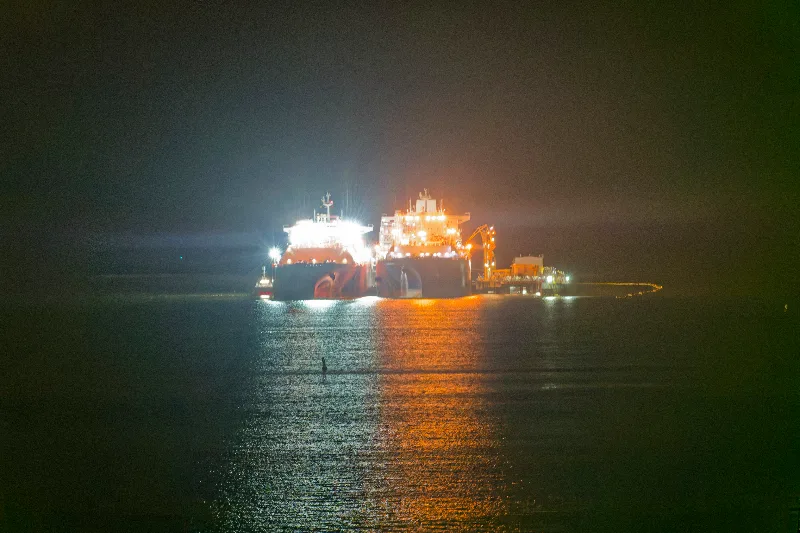
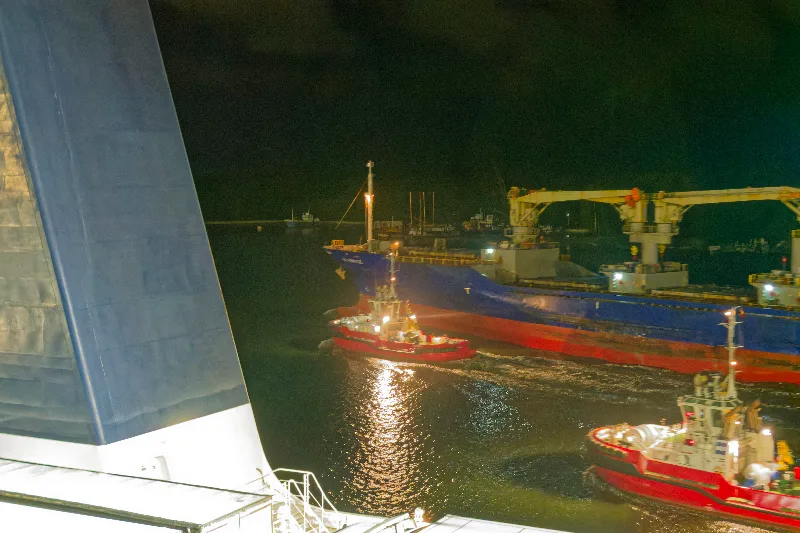
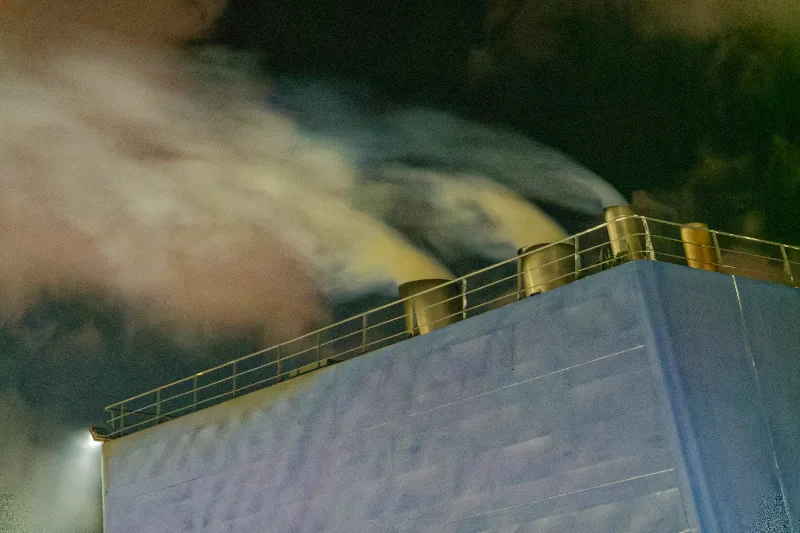
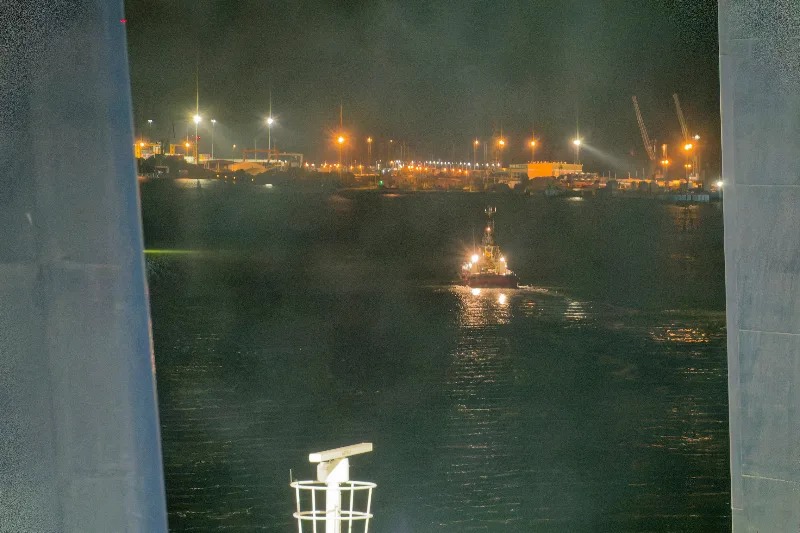
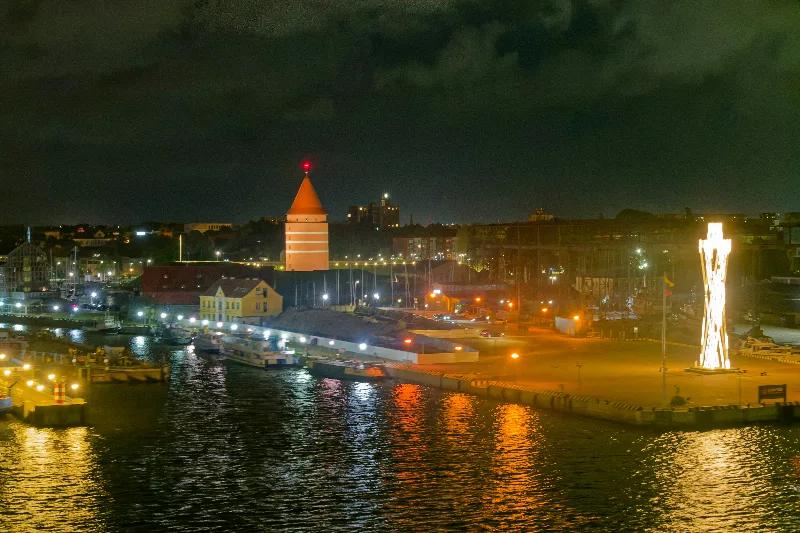
Thu Sep 3 - Homeward by Ferry
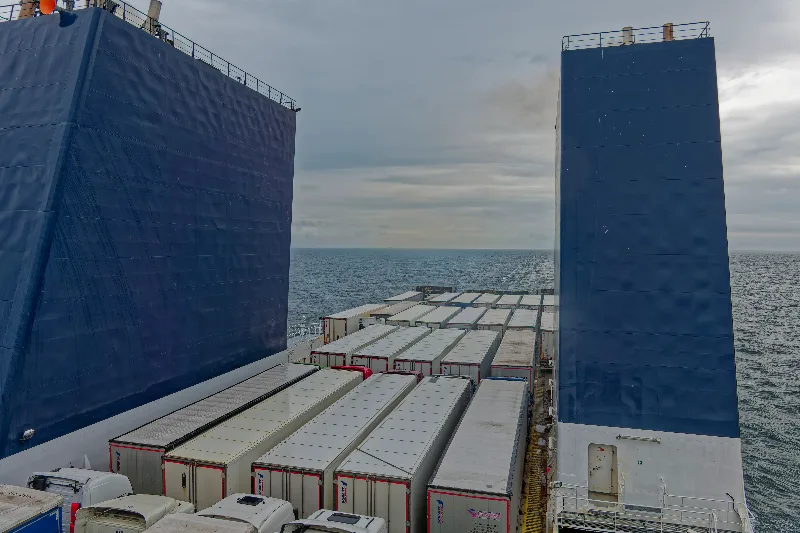
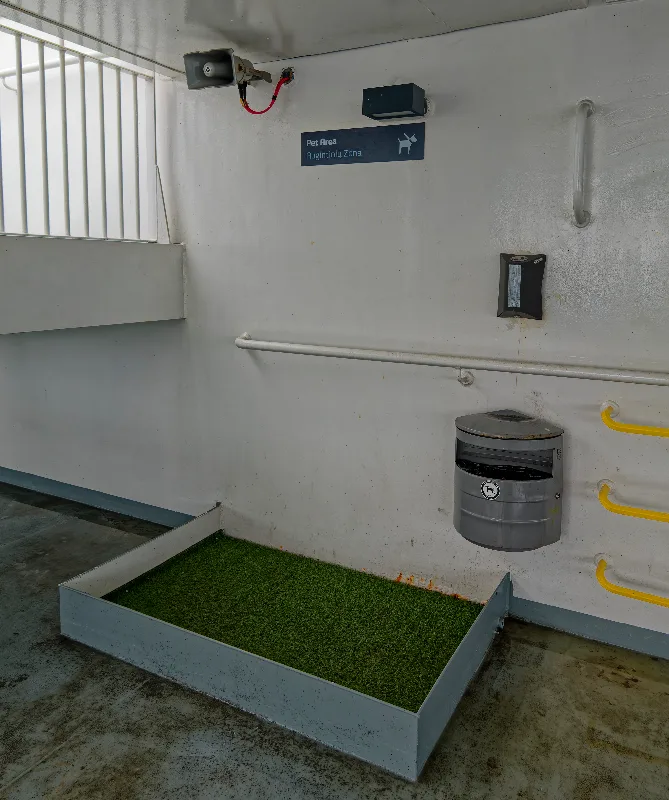
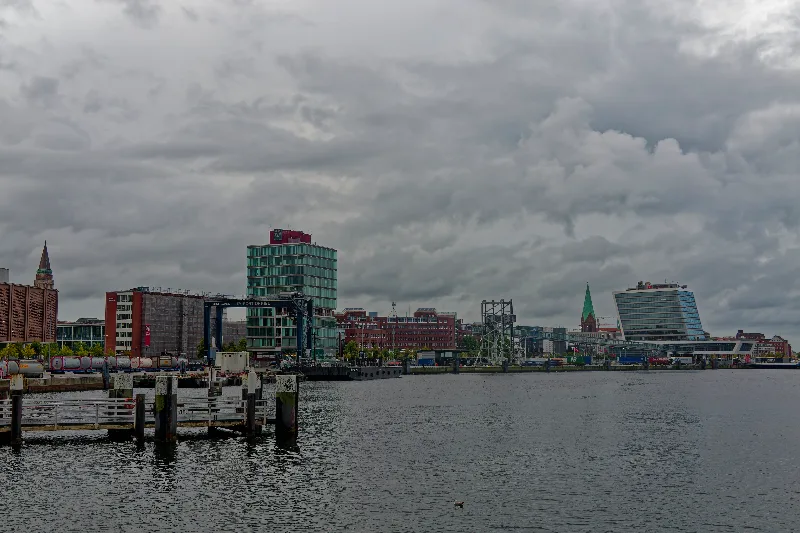
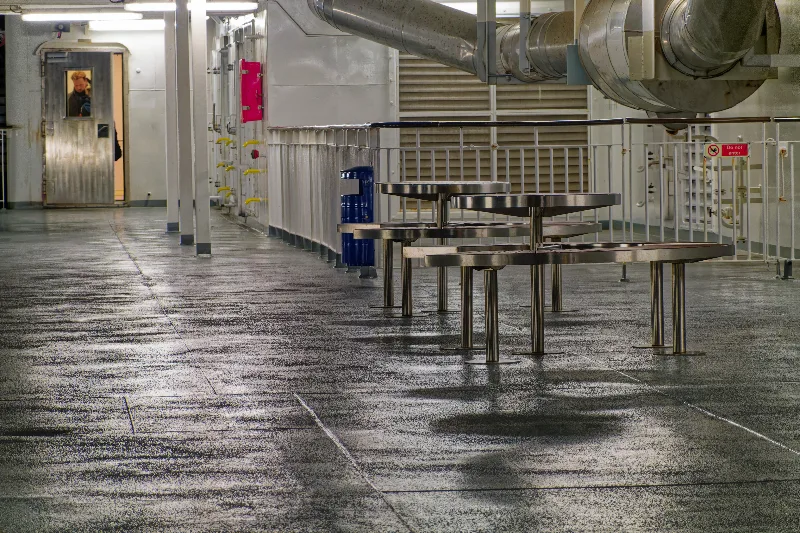
All is well. The sea is rough today, but the ferry is making good progress towards Kiel, where the last leg of this adventure - the train journey home to Munich - will begin this evening.