Pedal to the Finish — Ferries, Trails & Baltic Shores
Mon Aug 24 - Into Latvia
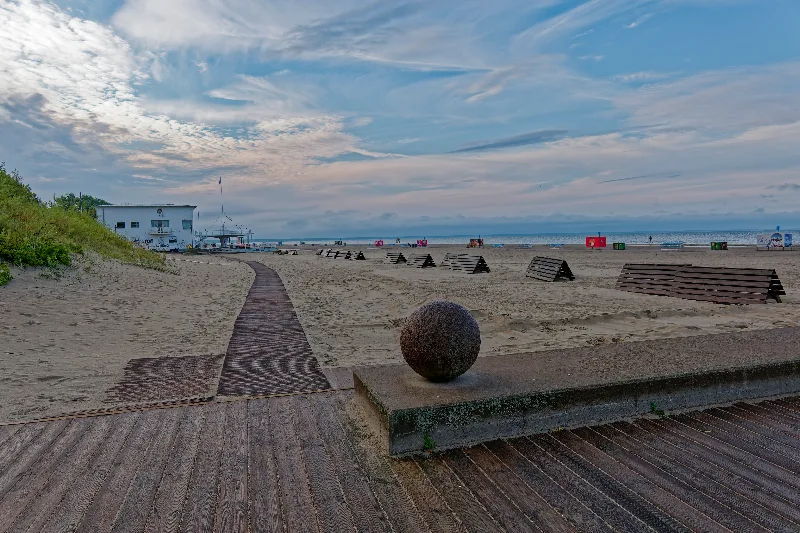
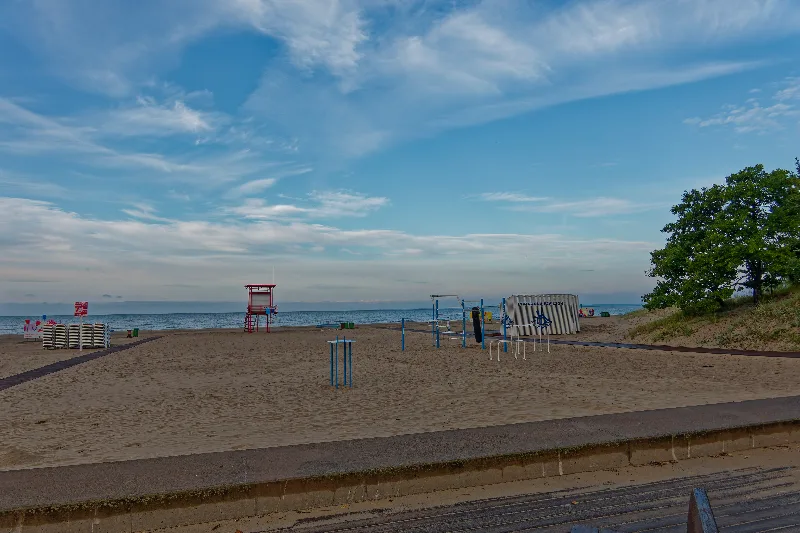
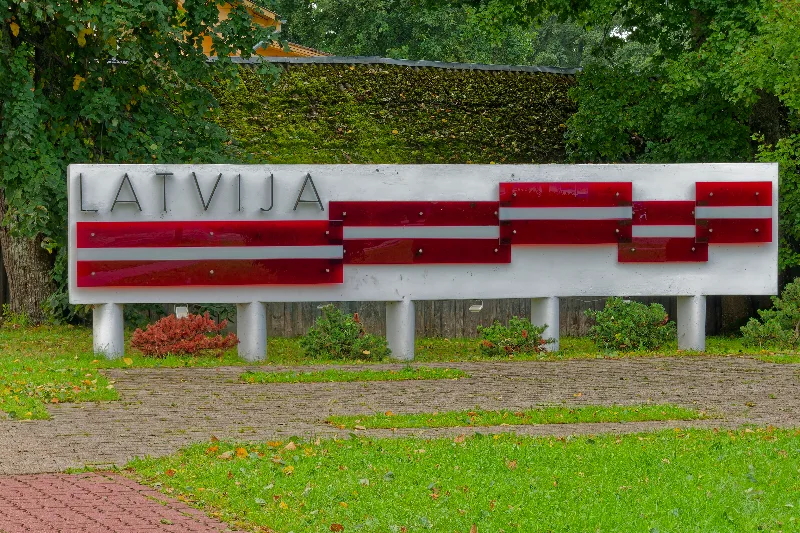
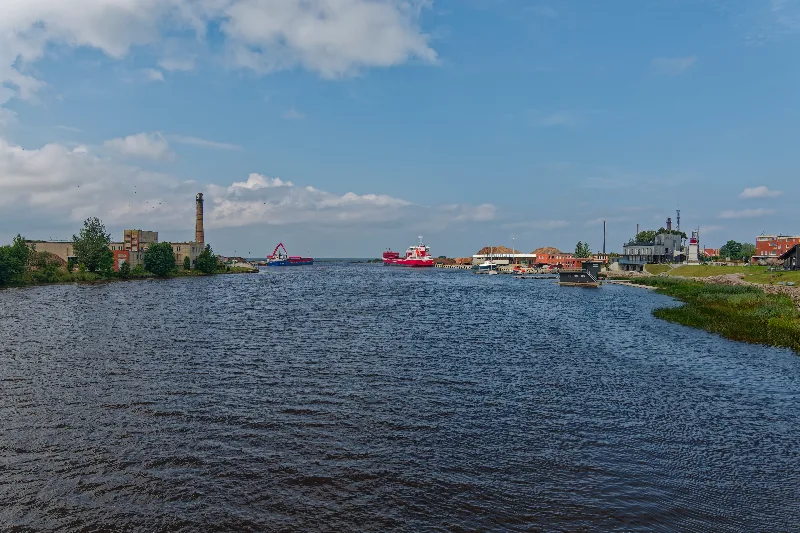
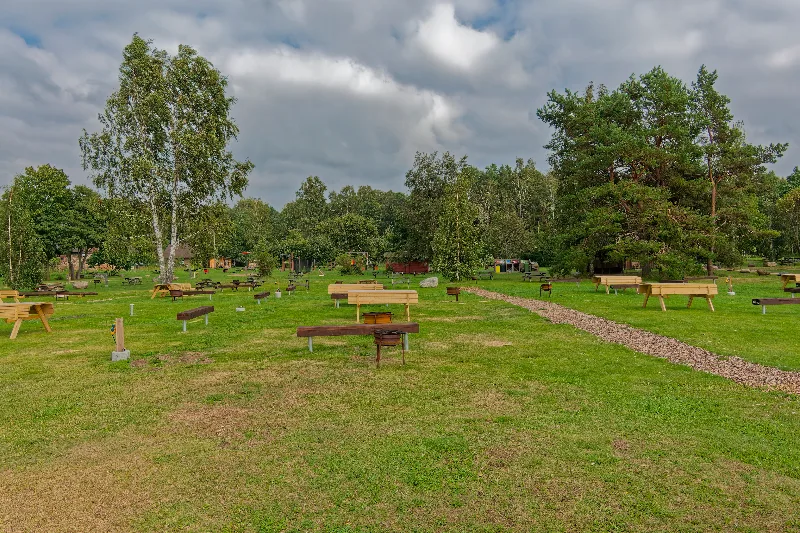
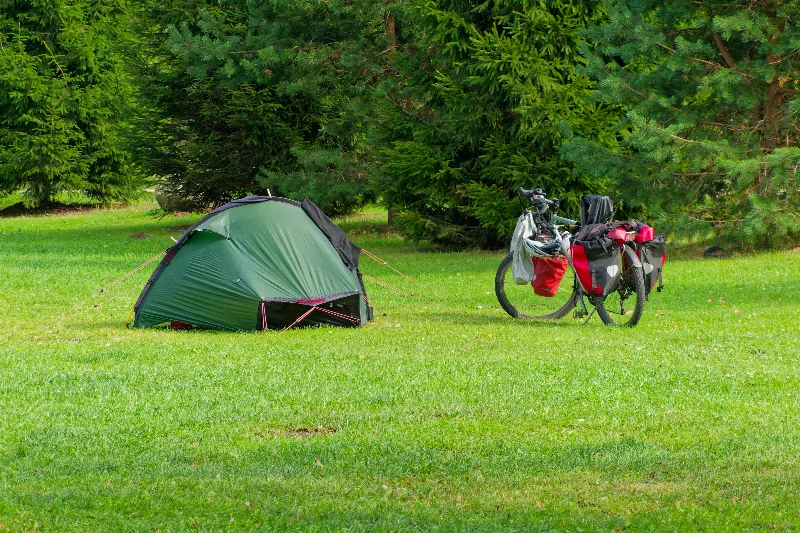
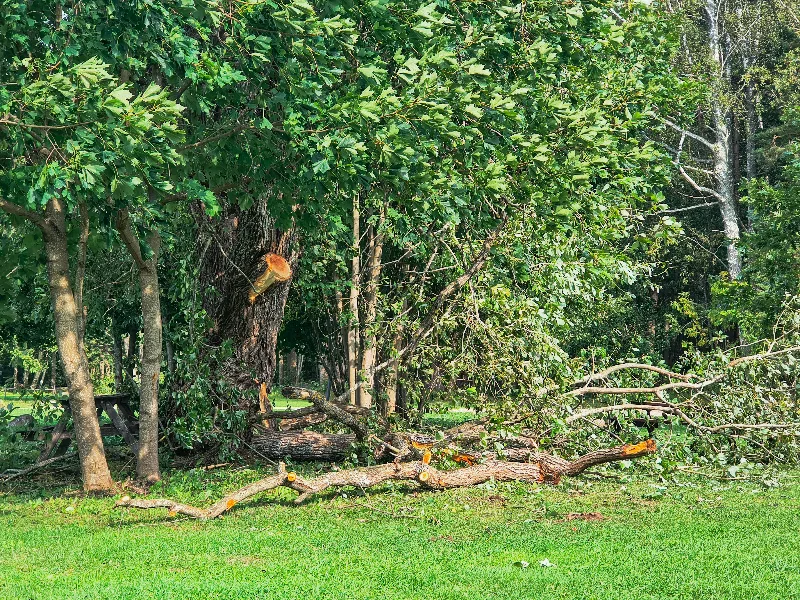
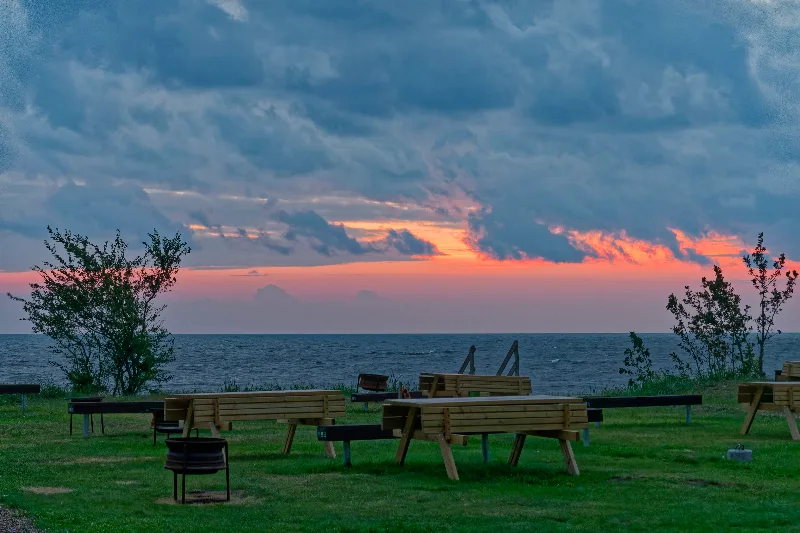
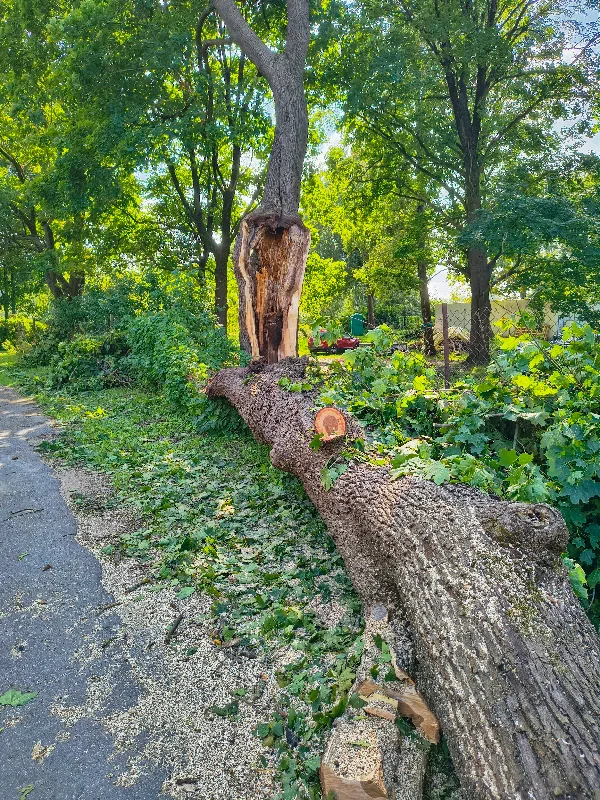
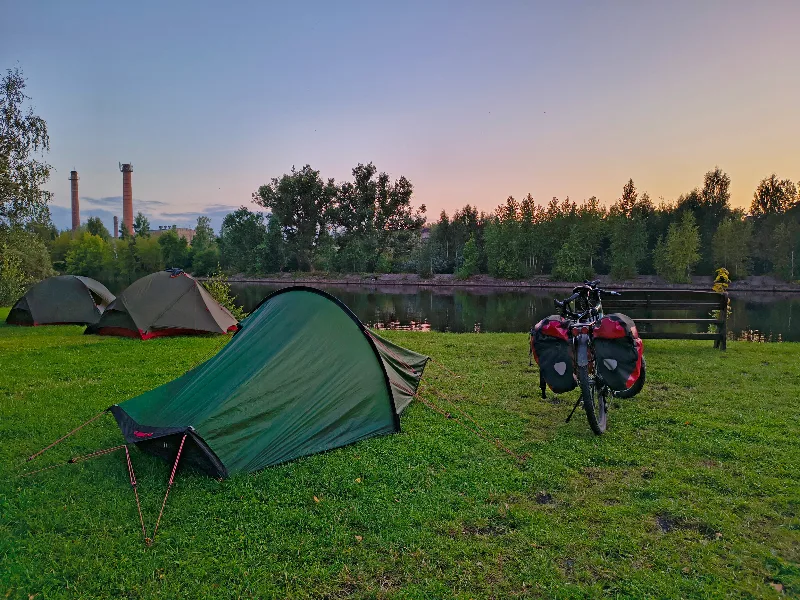
Left Pärnu around 7:15 a.m. under cloudy skies - not enough sun to dry the tent, which went into the panniers still soaking wet. The usual coffee-and-pastry stop at a Coop on the way. Crossed the border into Latvia around midday. By 2 p.m. I'd covered 124 km and reached a huge, almost empty campsite by the sea. I paid 7 euros for a site with a shower rather than using a free pitch run by the state forestry administration nearby, since the sea was too rough for a proper wash today. The recent storm has clearly done a lot of damage - fallen trees and debris on the smaller roads all day.
Tue Aug 25 - Reaching Riga
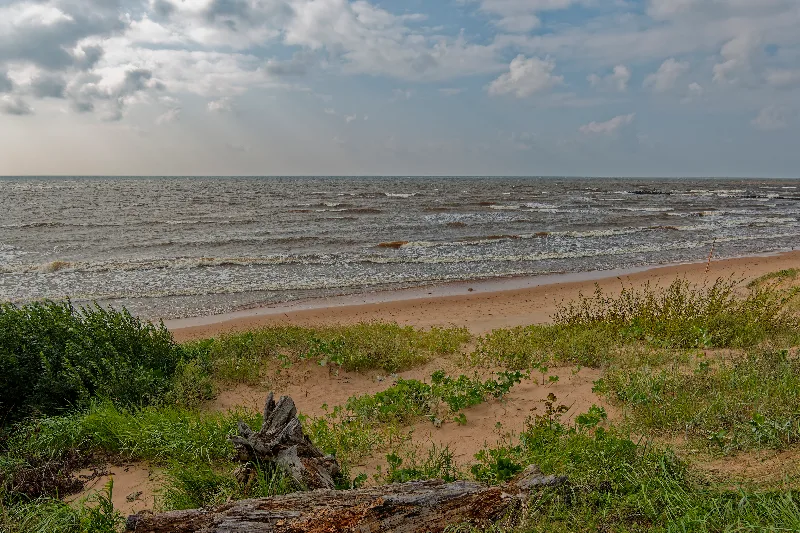
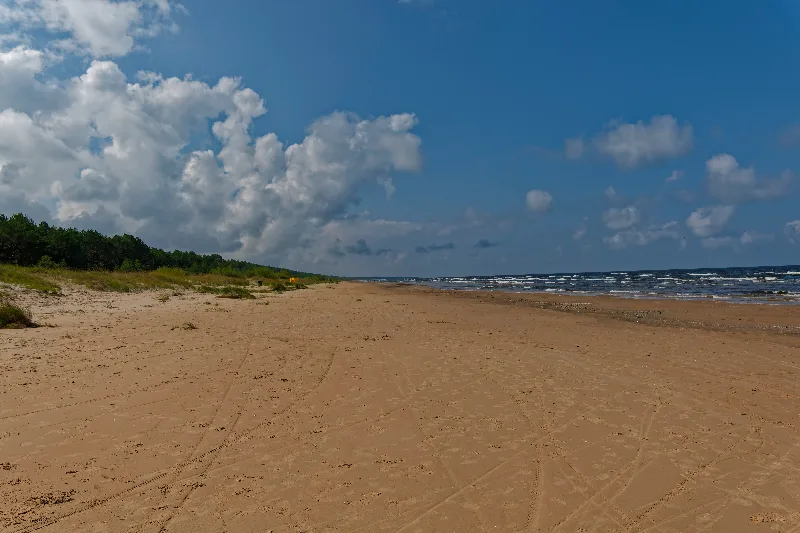
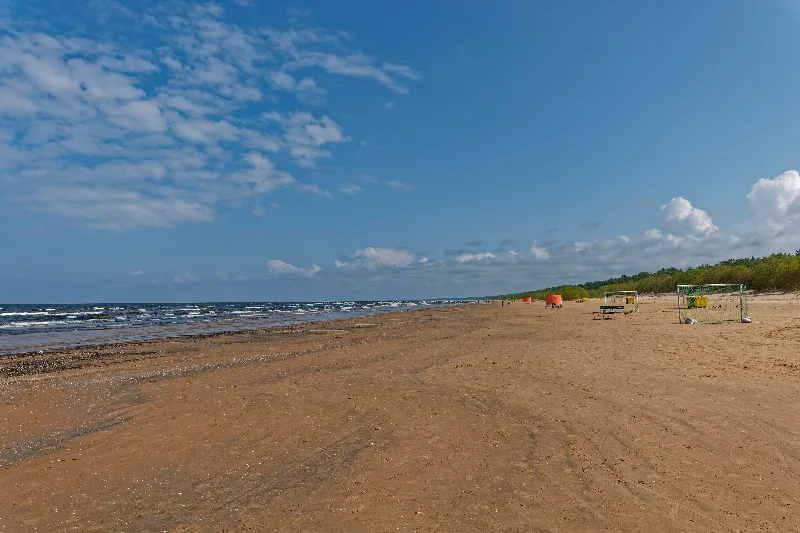
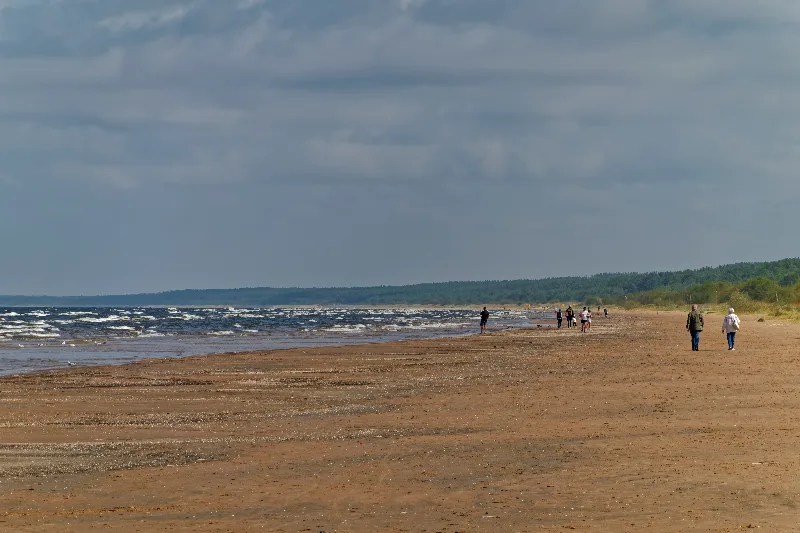
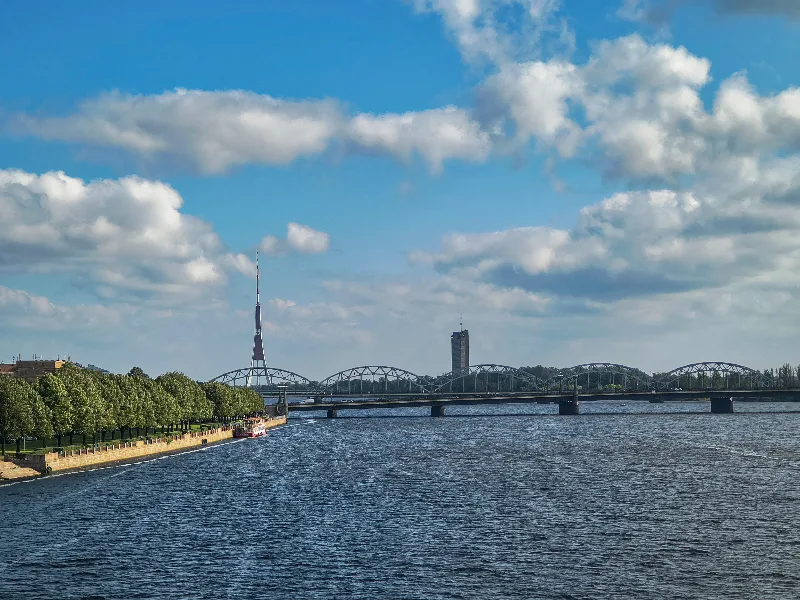
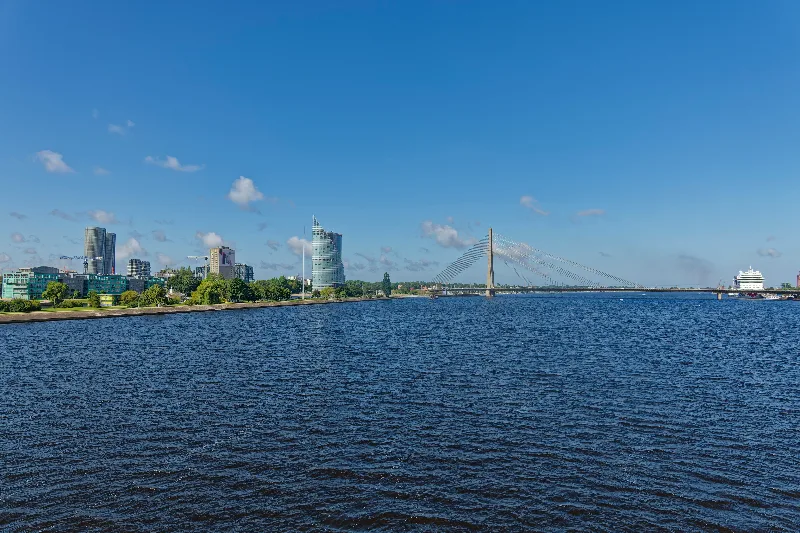
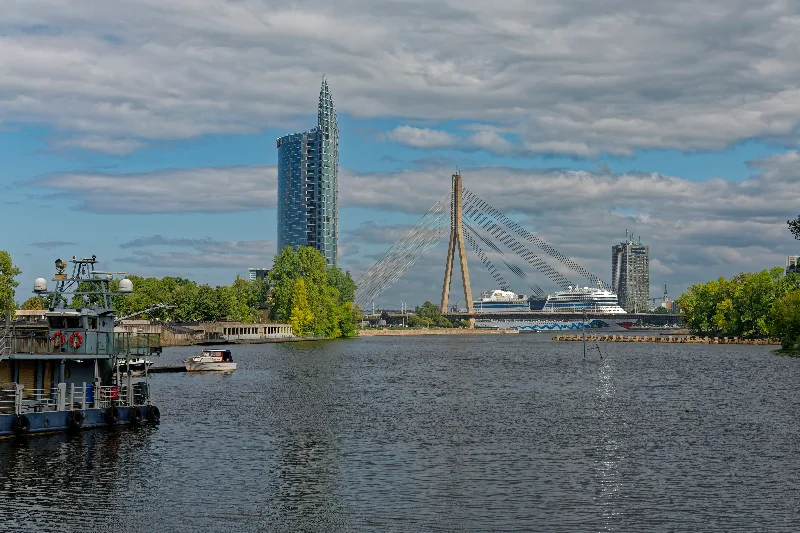
A somewhat less monotonous day - a mix of motorway shoulder, sandy tracks, a few villages, and about 5 km of beach riding that strongly recalled Ninety Mile Beach on New Zealand's North Island, from a trip ten years ago. Riga turned out to be huge, with plenty of skyscrapers yet still a real sense of space. Staying here two nights; had a first look around this afternoon and will explore properly tomorrow. Windy, mostly sunny, with occasional rain.
The storm's damage was obvious again today - many fallen trees, mostly cleared from the roads already, though smaller branches and debris still littered the cycle paths.
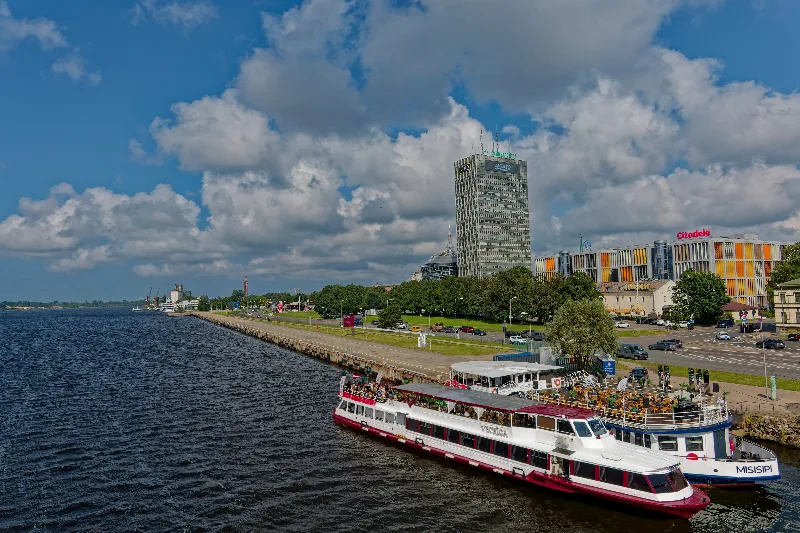
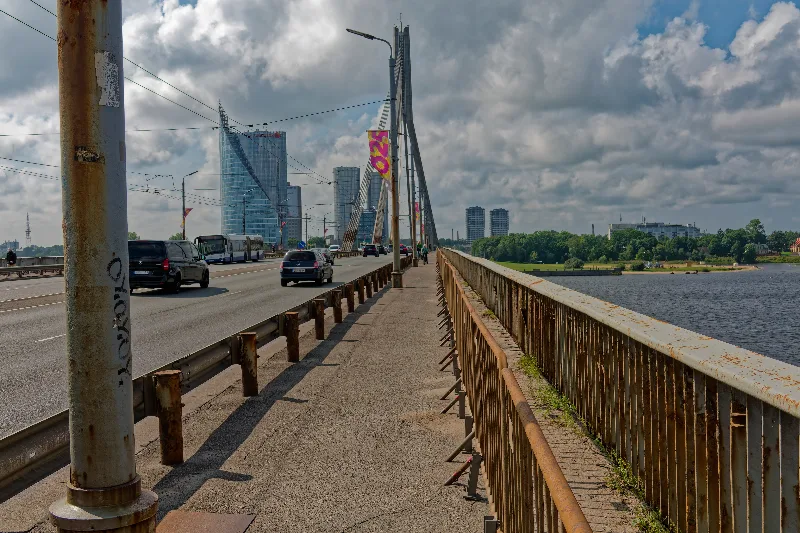
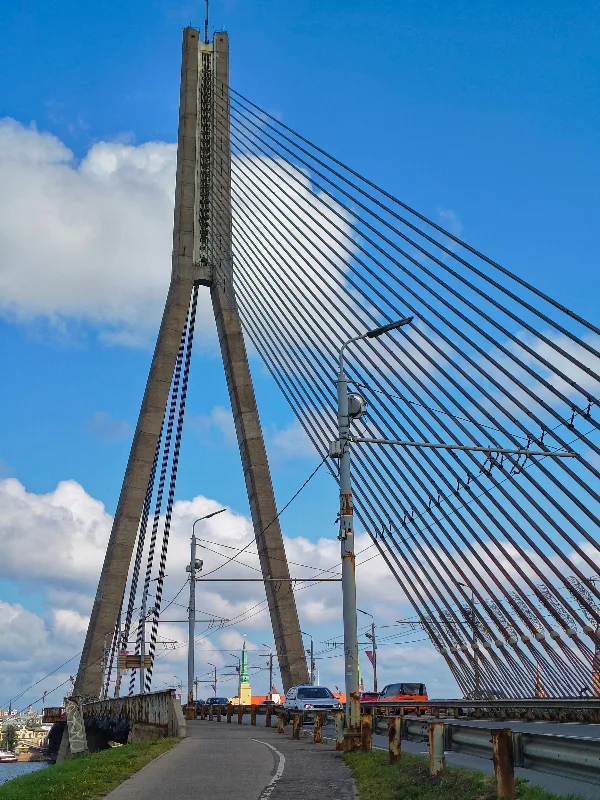
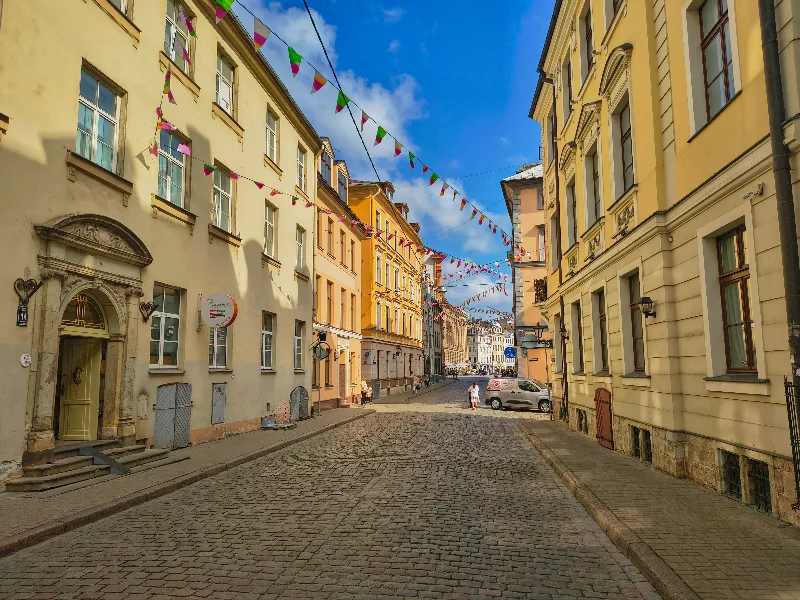
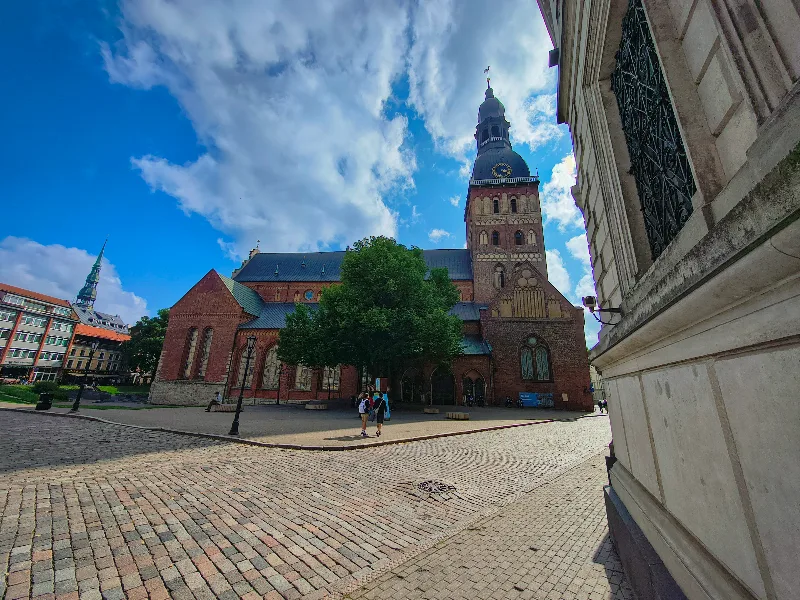
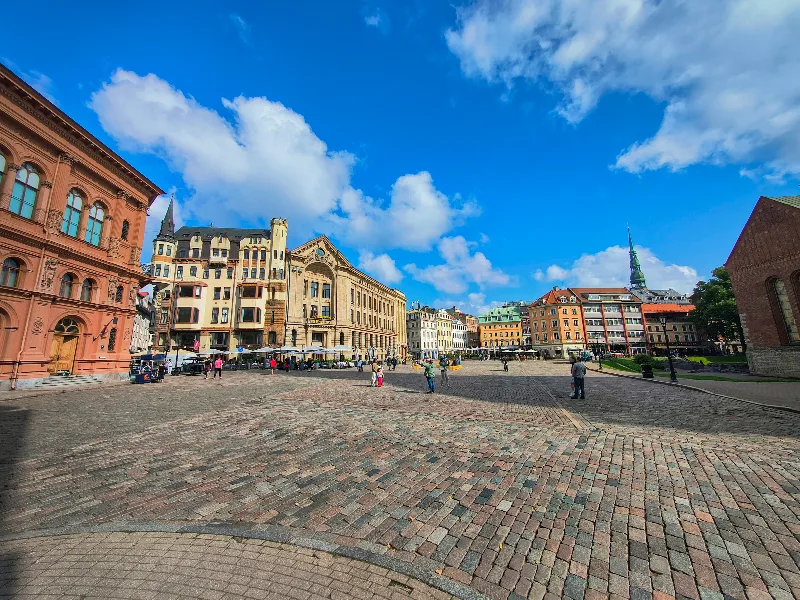
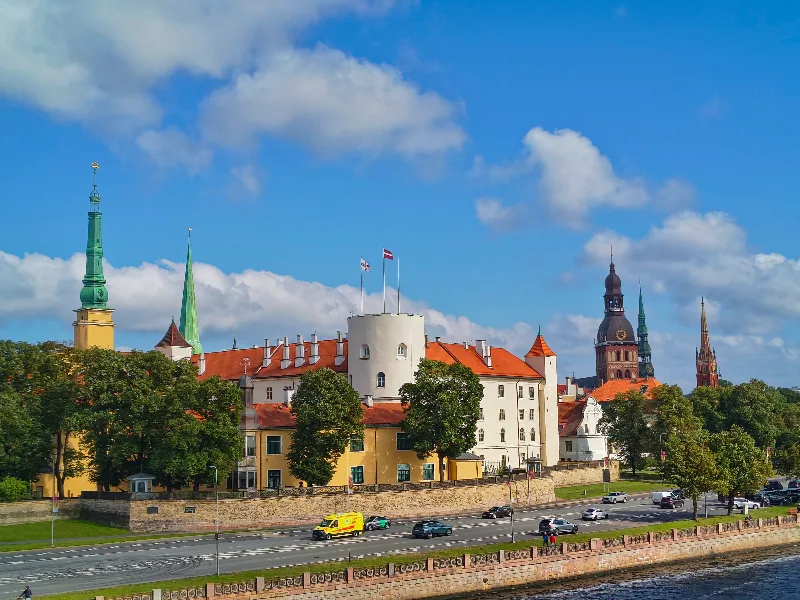
Wed Aug 26 - Riga Sightseeing
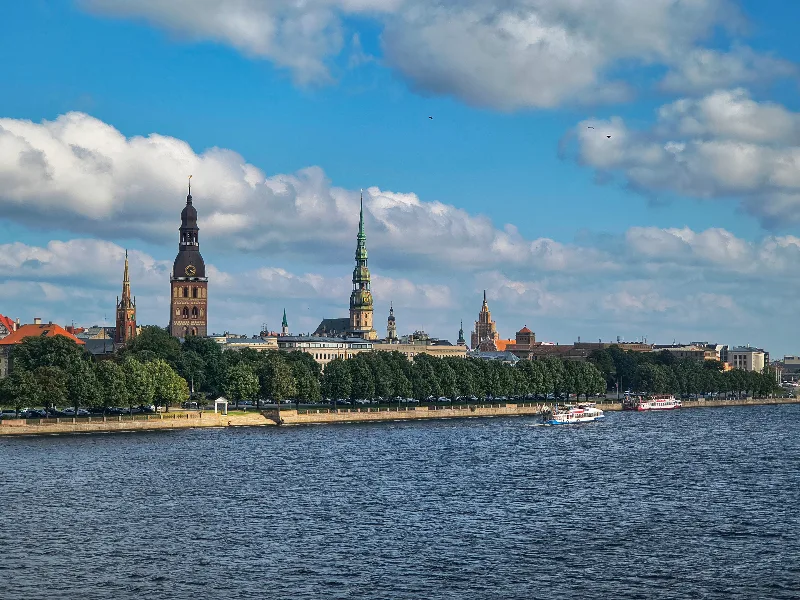
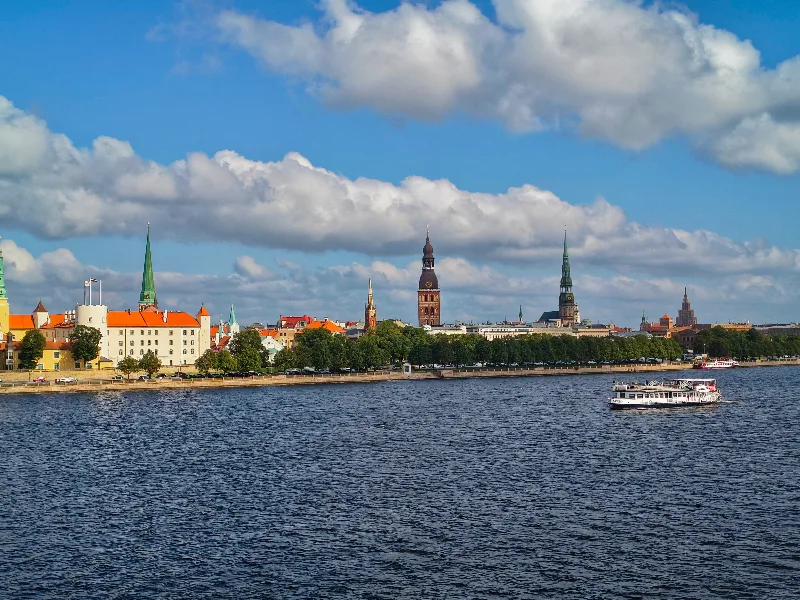
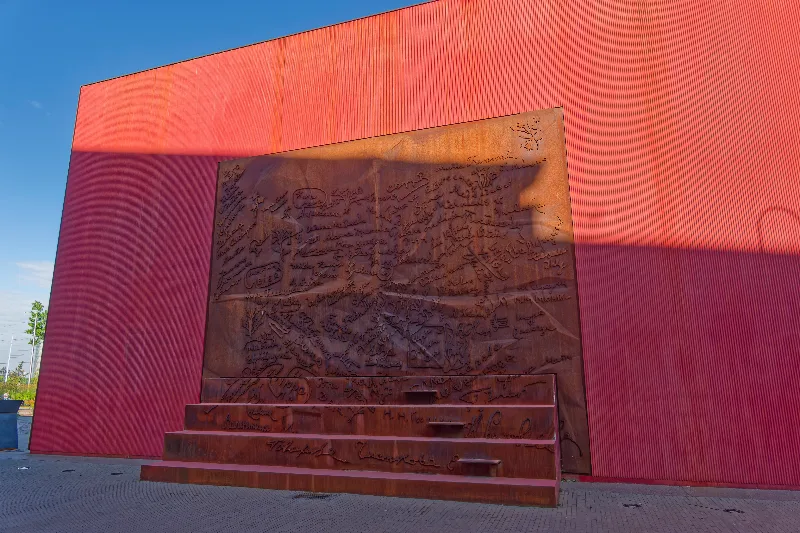
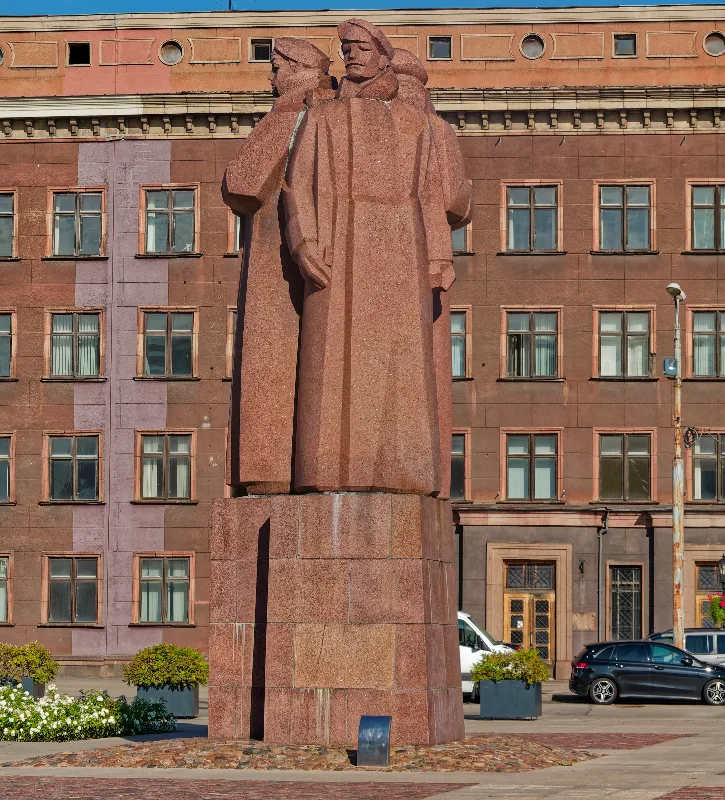
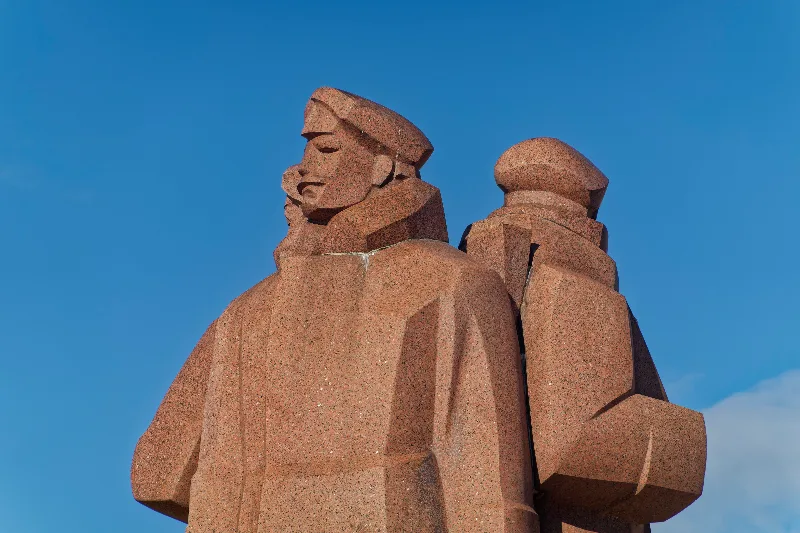
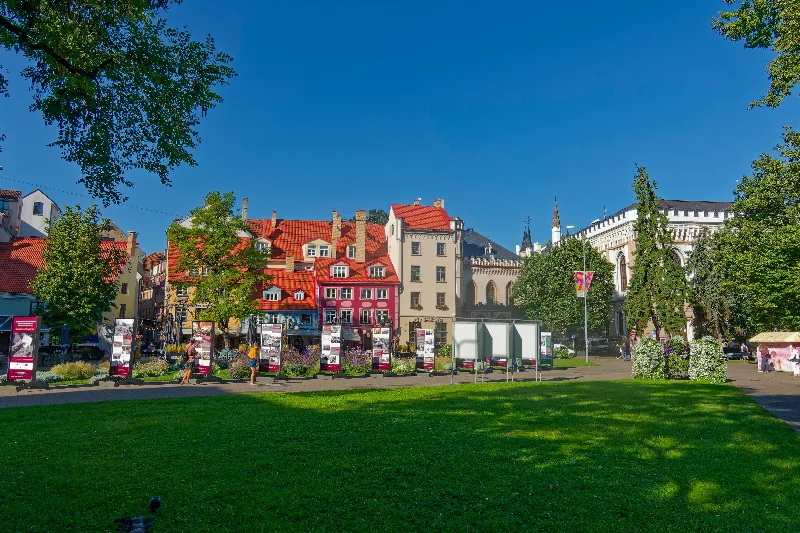
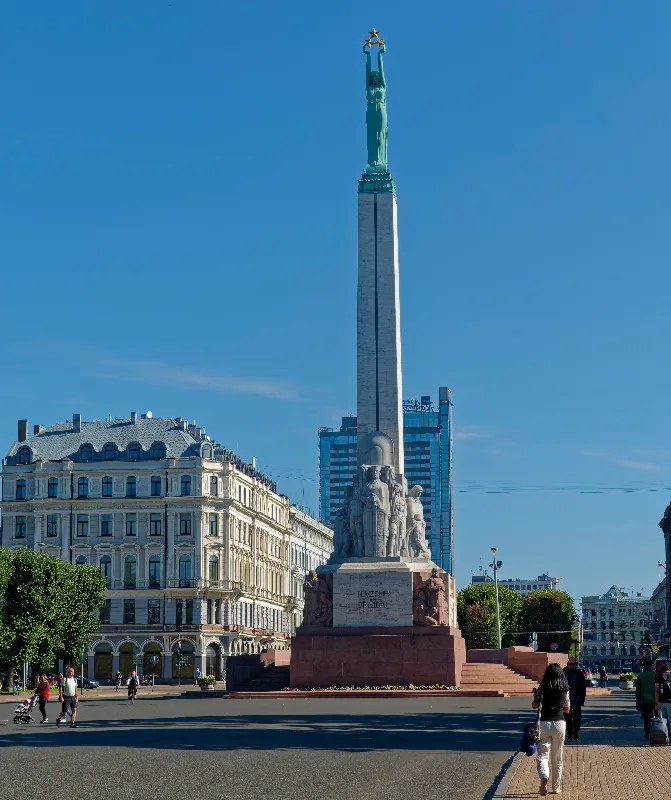
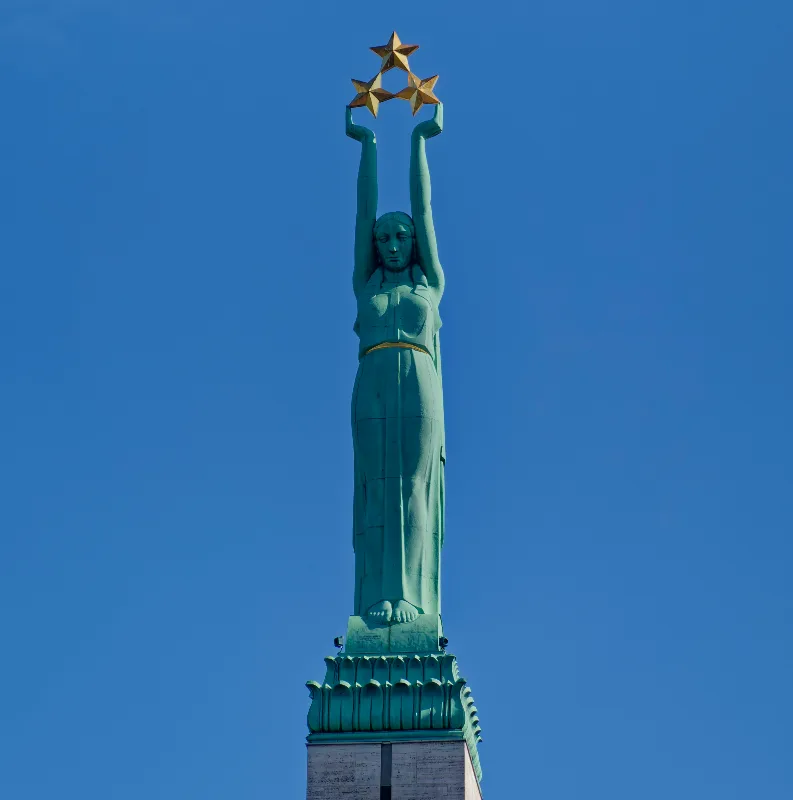
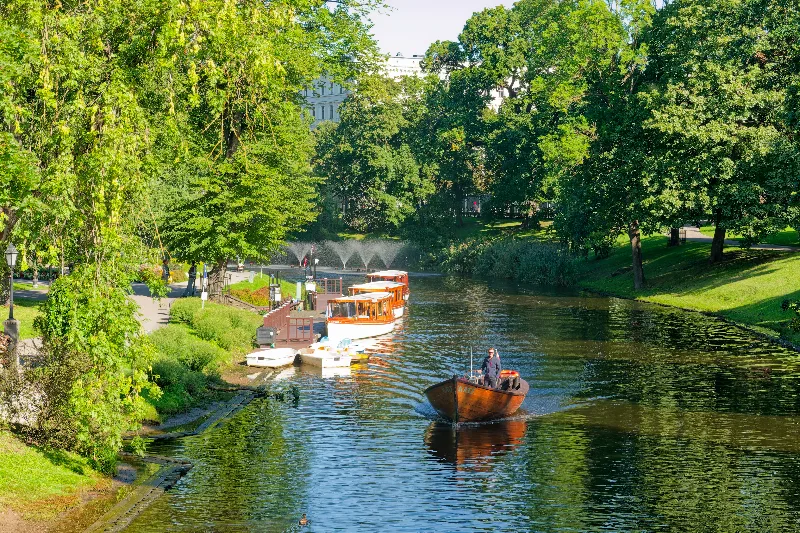
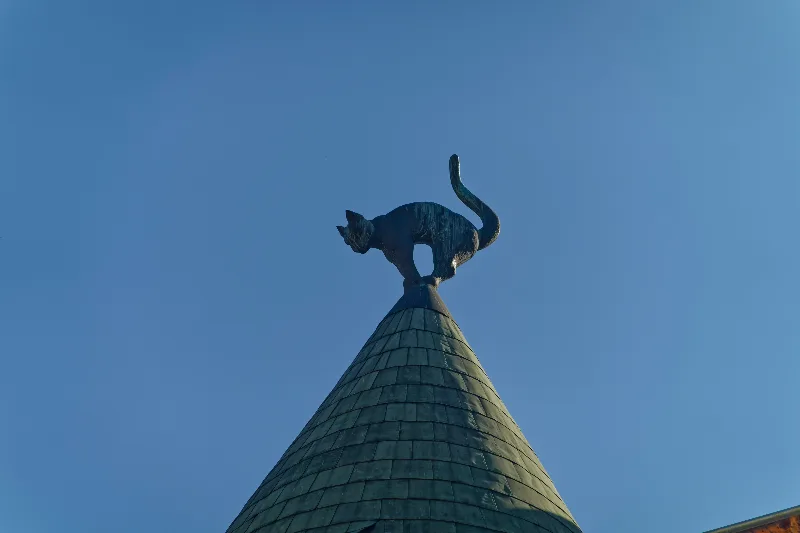
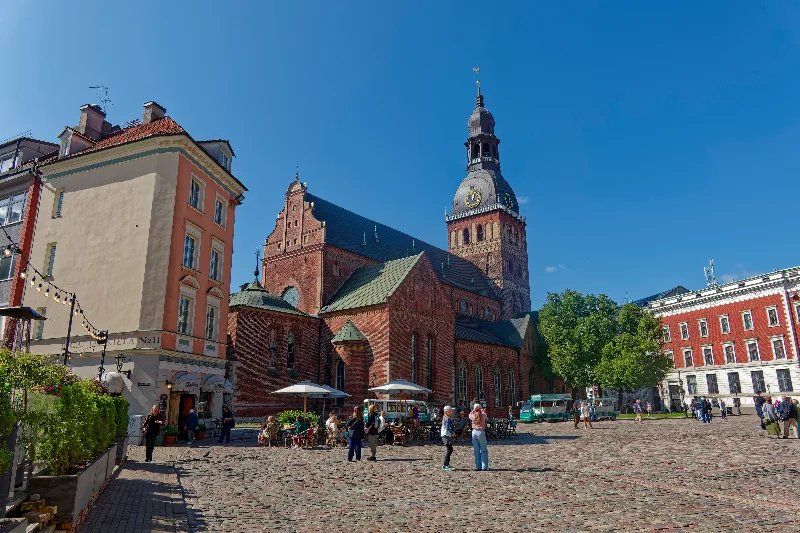
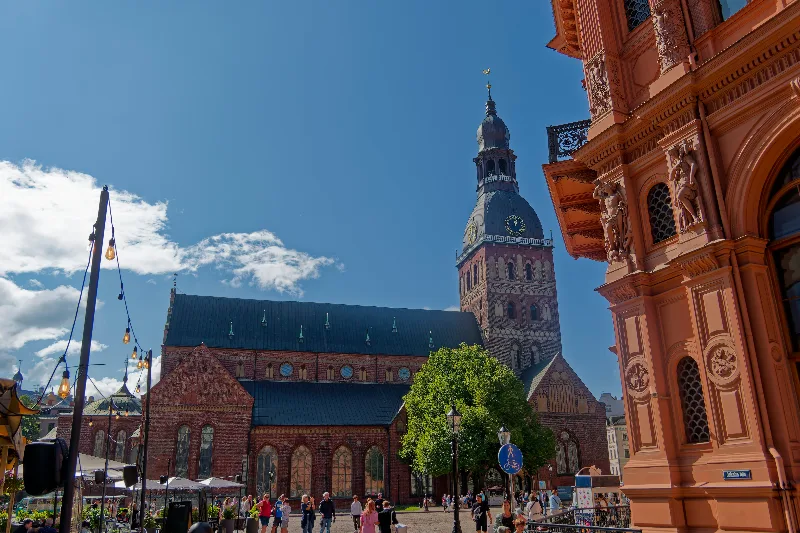
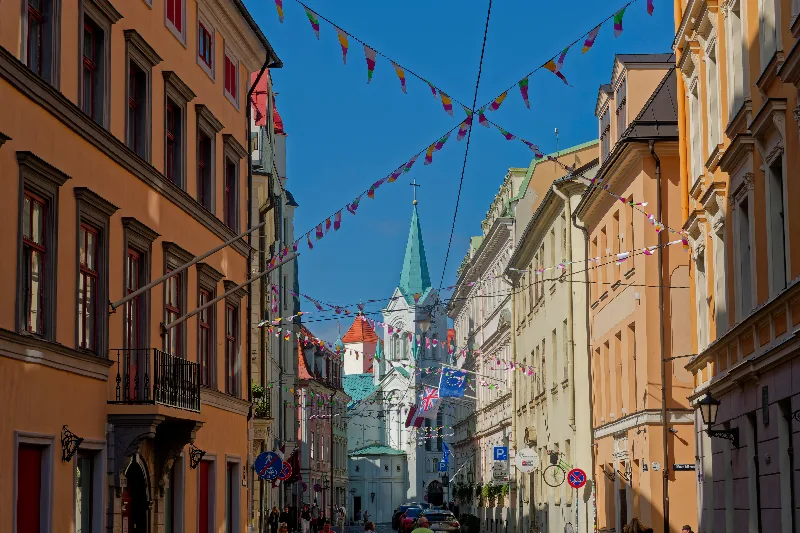
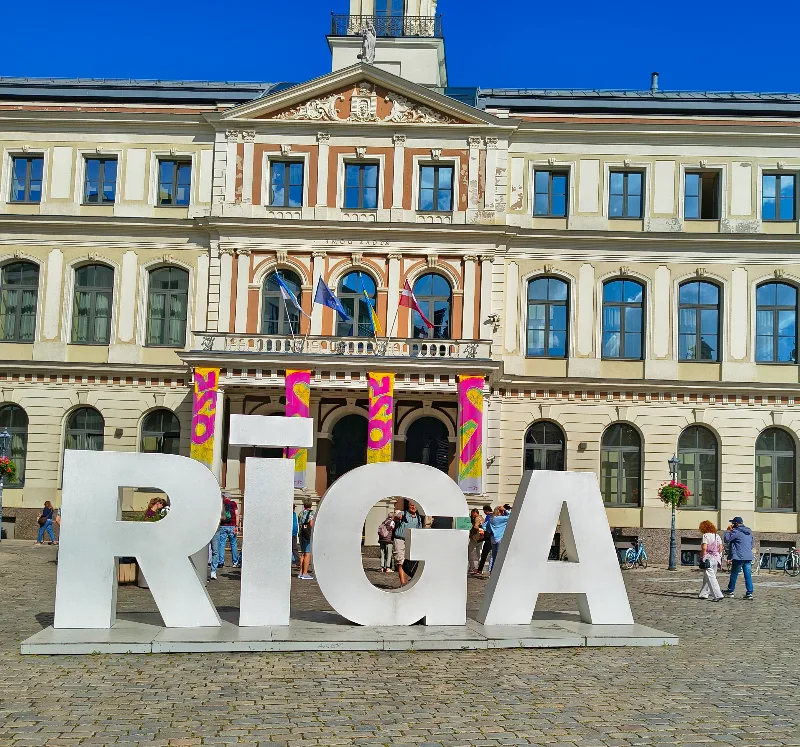
A full day off the bike to explore Riga properly - Old Town, the Art Nouveau district and the markets, before heading further west tomorrow.
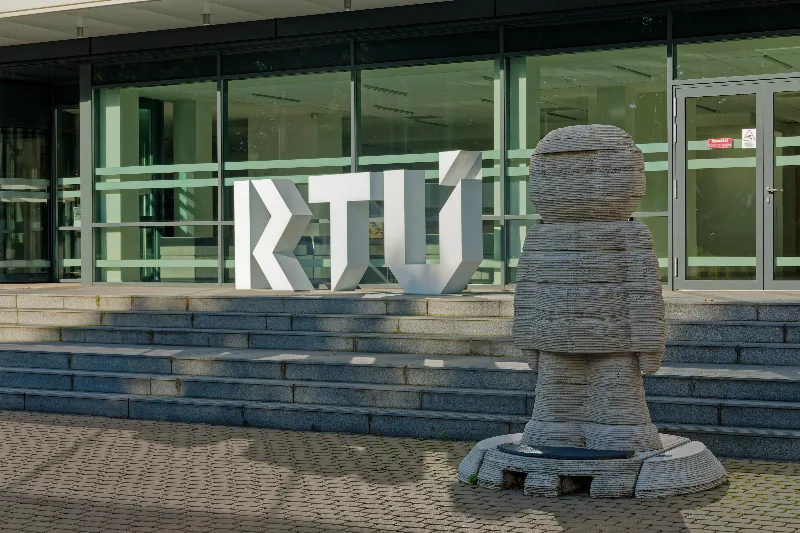
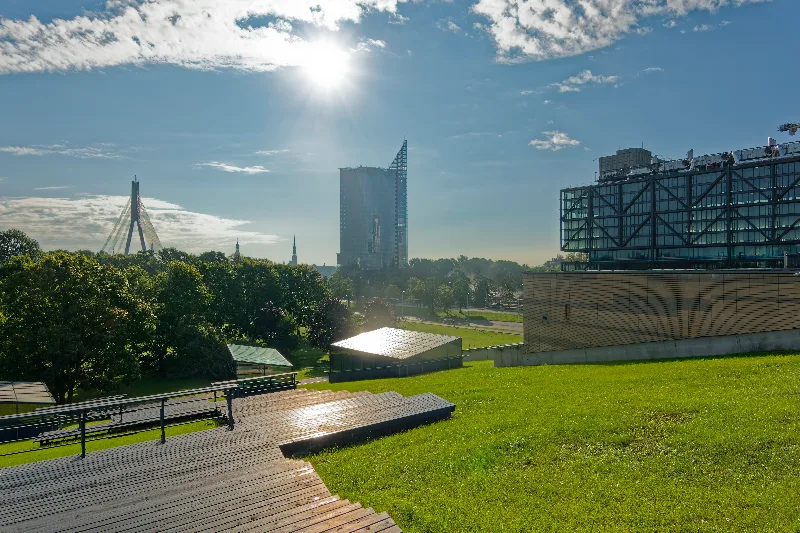
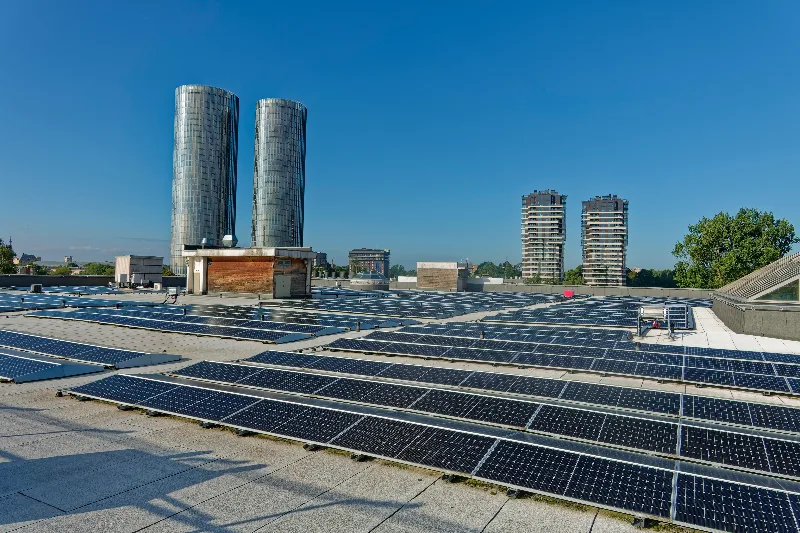
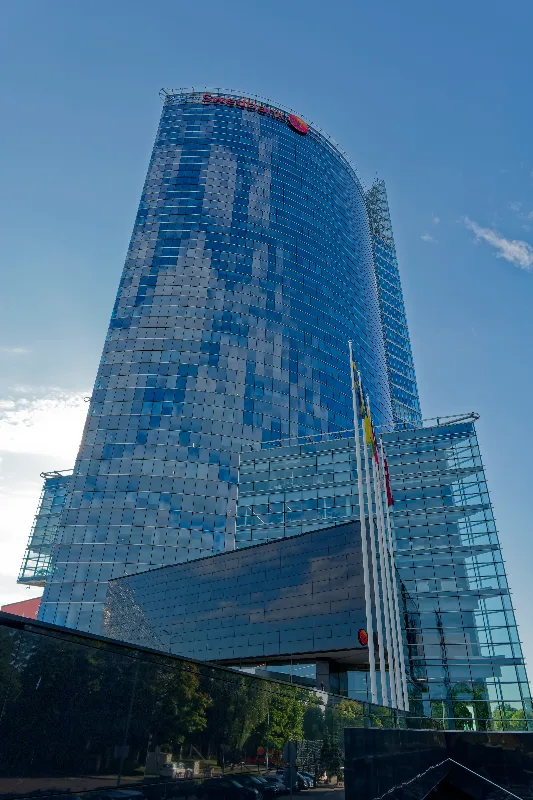
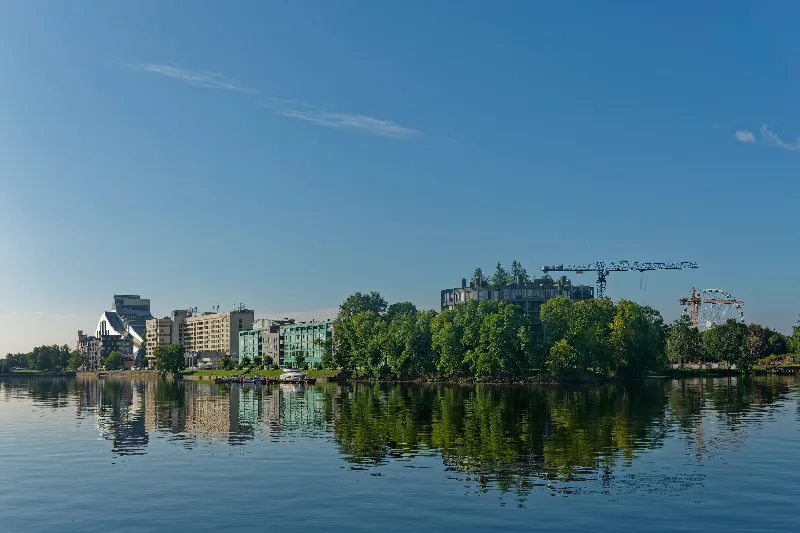
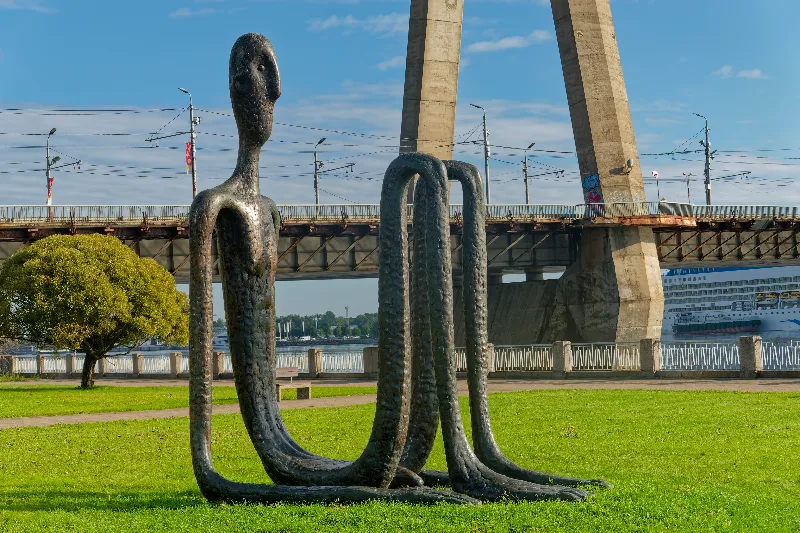
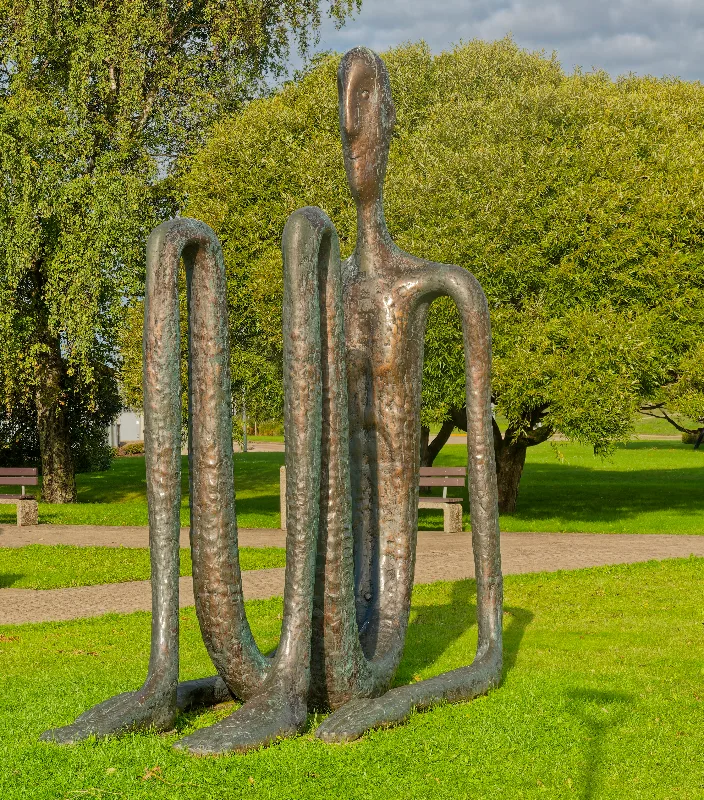
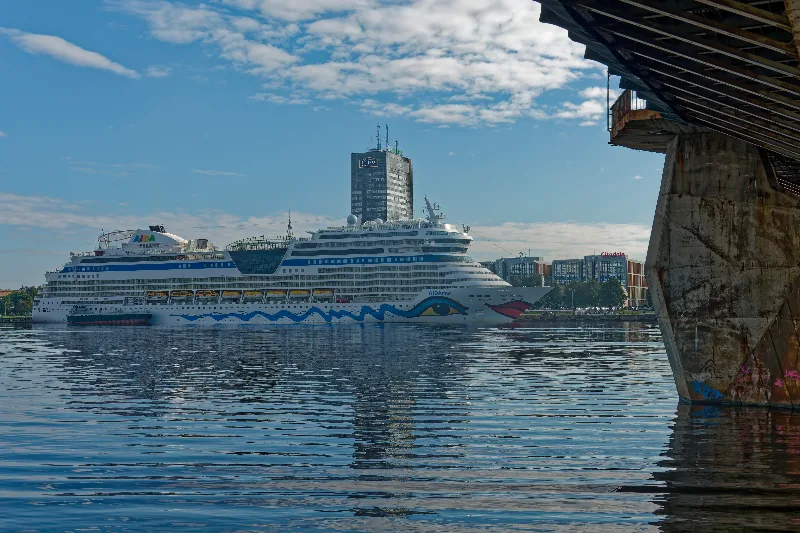
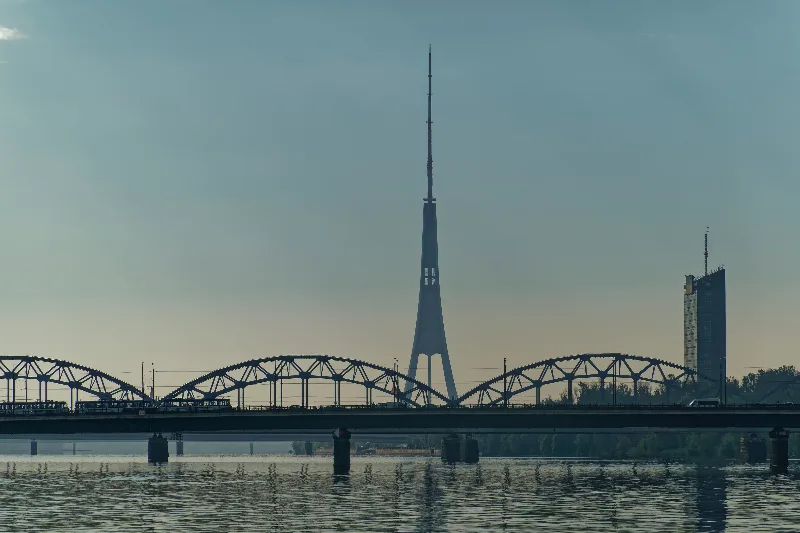
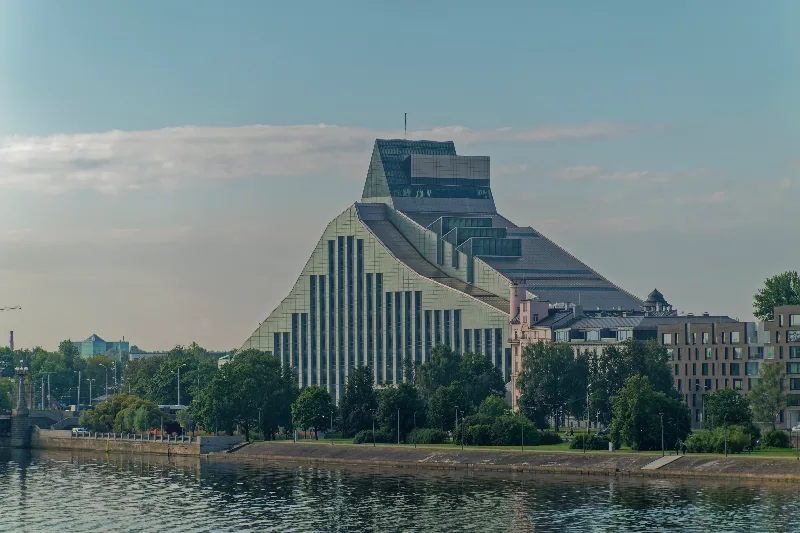
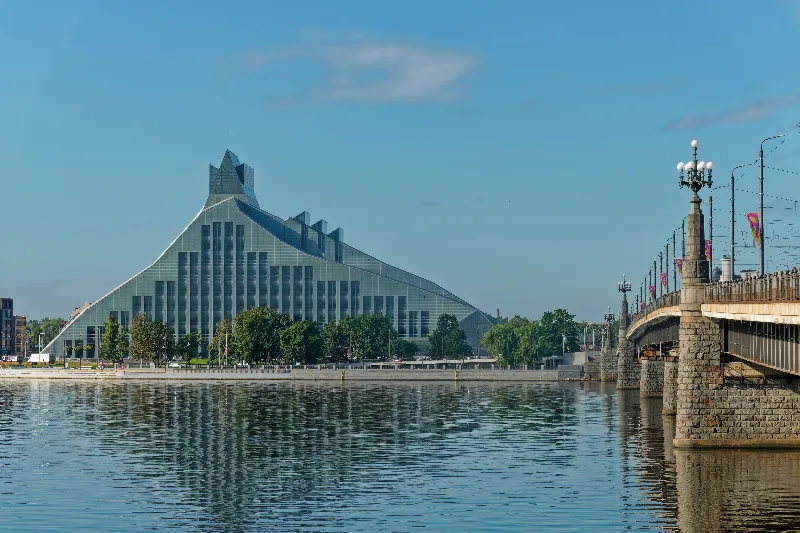
Riga
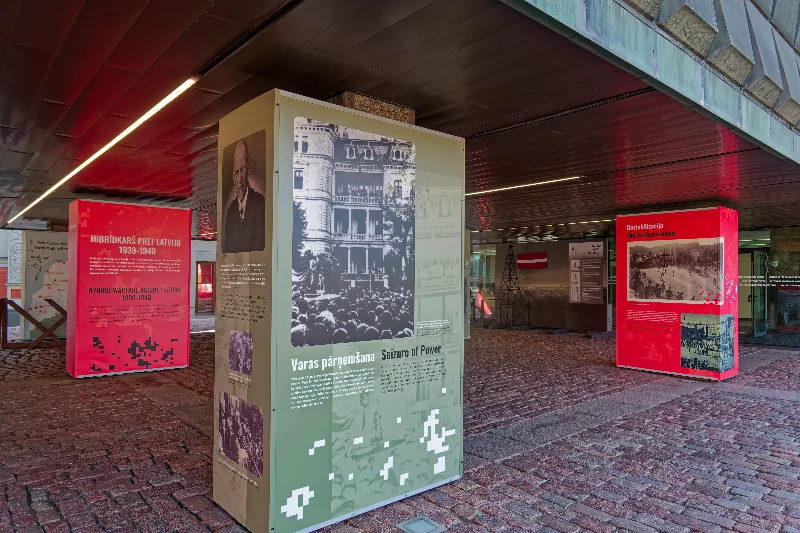
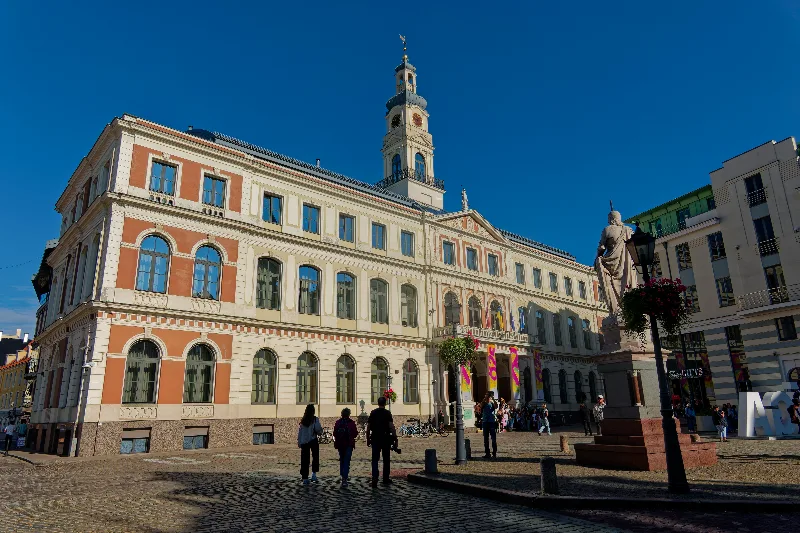
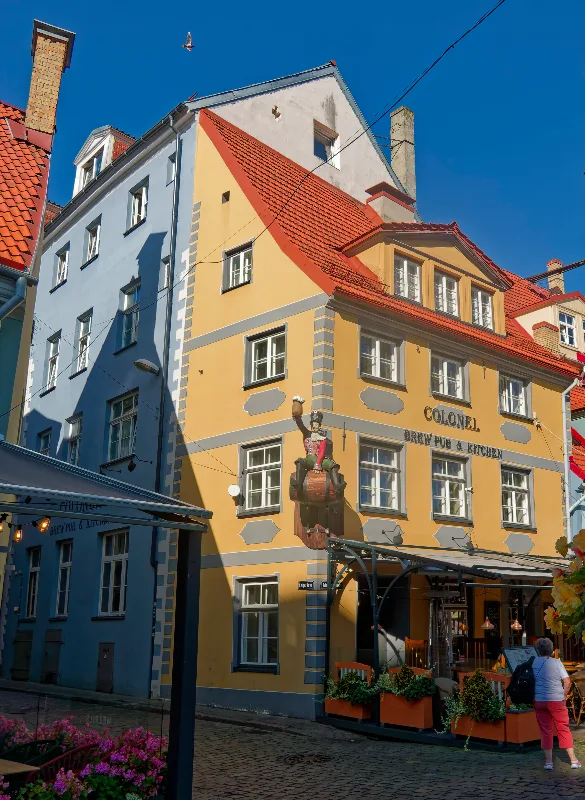
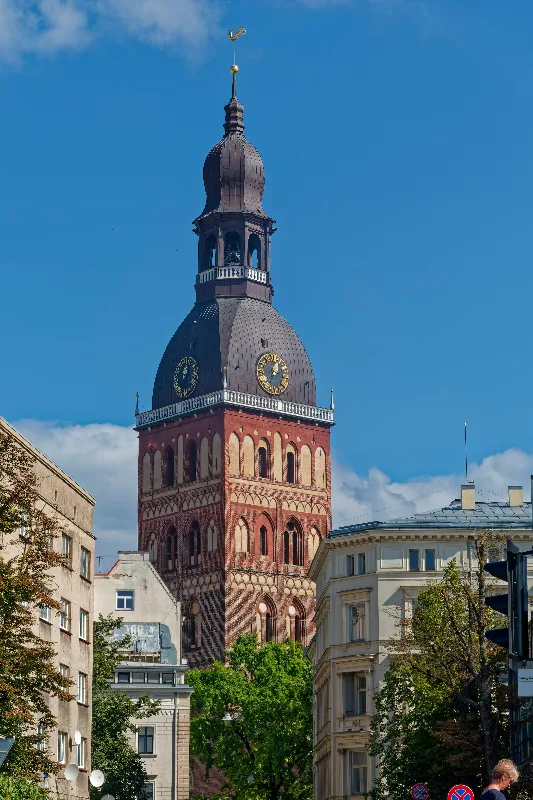
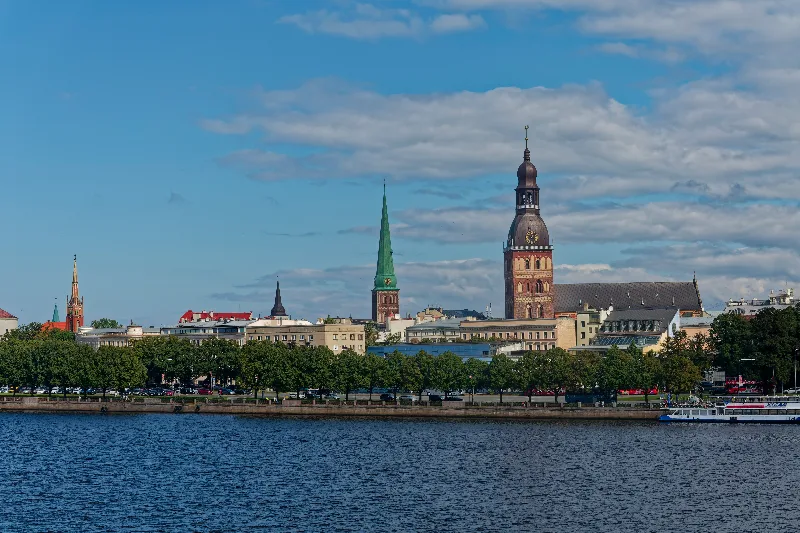
Riga, the capital of Latvia, is the largest city in the Baltic states, founded in 1201 by the German bishop Albert of Riga at the mouth of the Daugava River. It quickly became a major Hanseatic League trading city, and its wealth over the following centuries - under German, Polish, Swedish and Russian rule in turn - shaped an Old Town dense with merchant houses, guild halls and church spires, now a UNESCO World Heritage Site.
Riga's most striking architectural legacy, however, dates from around 1900: it holds one of the largest and finest collections of Art Nouveau (Jugendstil) buildings in the world, concentrated especially in the streets around Alberta iela, with elaborate façades of mythological figures, mascarons and ornamental ironwork. Rebuilt after severe damage in both World Wars and after decades as a major industrial centre of the Soviet Union, Riga today combines its medieval core, its Art Nouveau quarter and a large, green, modern city around them - a scale that comes as a surprise after the small towns further north.
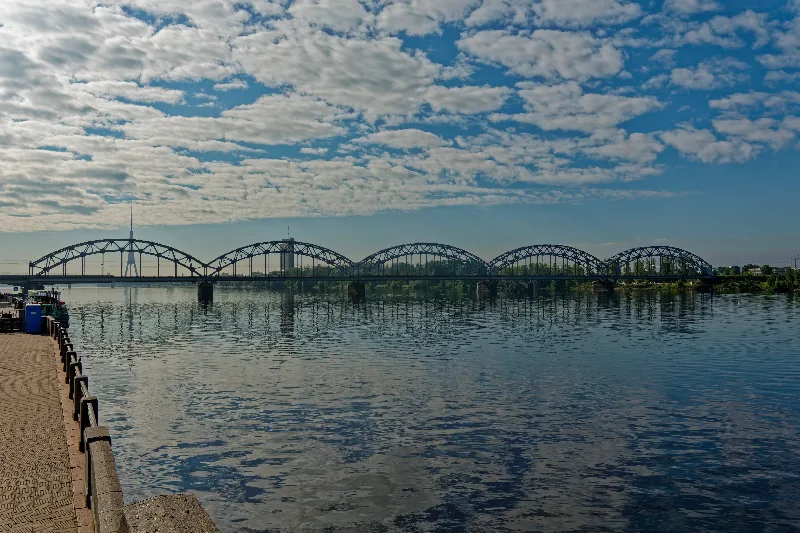
Thu Aug 27 - Towards Cape Kolka
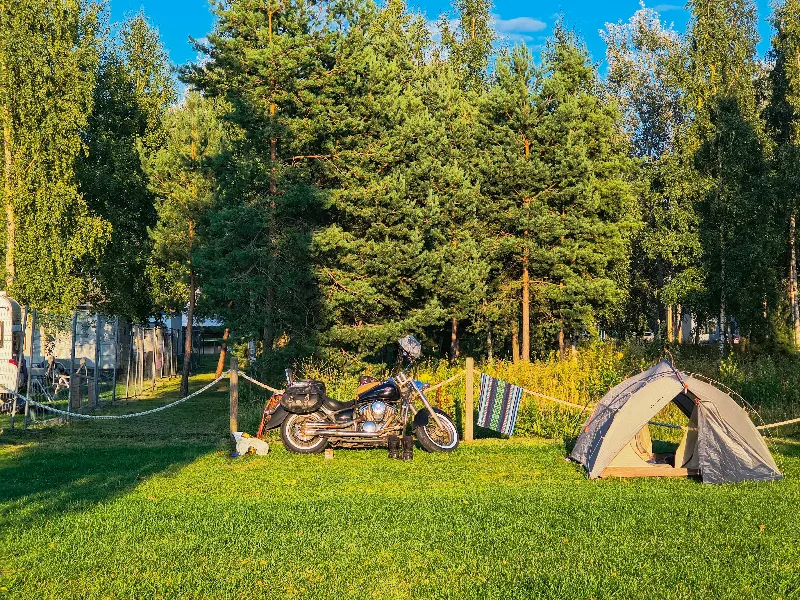
Sunny today. After leaving Riga's suburbs and a stretch of noticeably expensive villas - old and new alike, an unexpected show of wealth for this part of Latvia - it was back to forest on both sides and audiobooks for company, with barely a turn or a hill to break the rhythm. No photos worth taking today. 140 km covered, with about 20 km left to Cape Kolka tomorrow.
Fri Aug 28 - Spy City Irbene
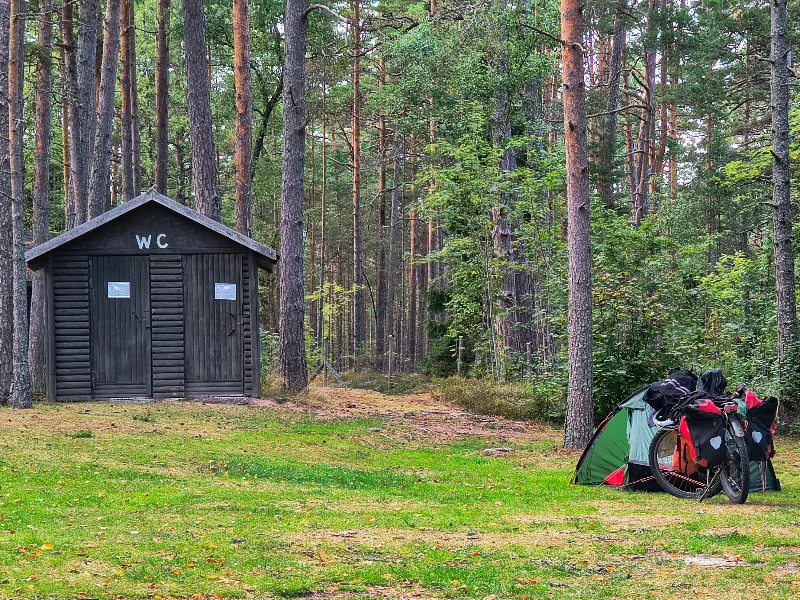
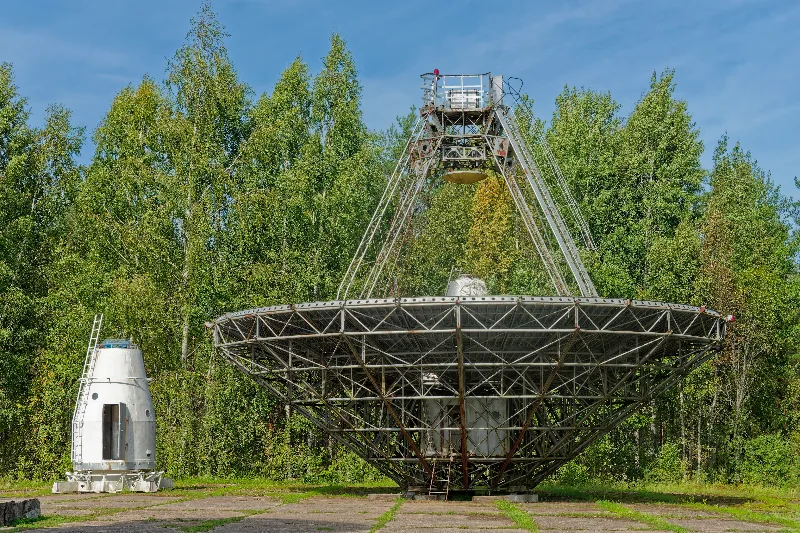
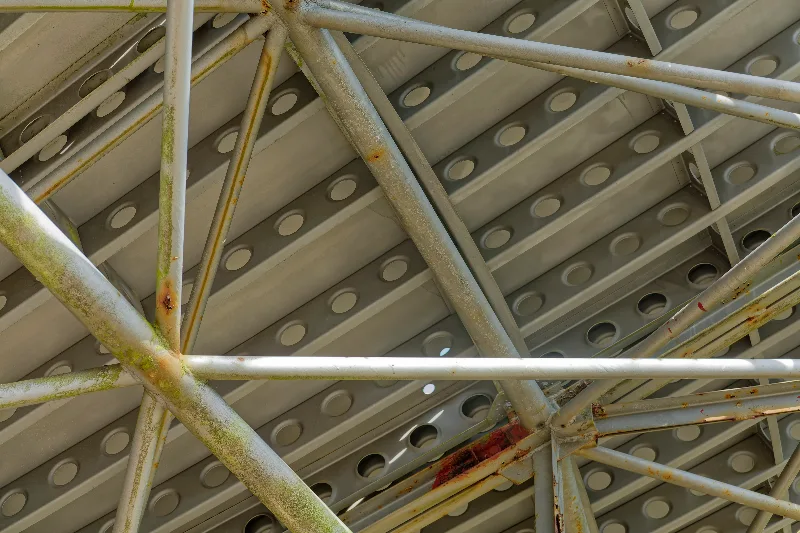
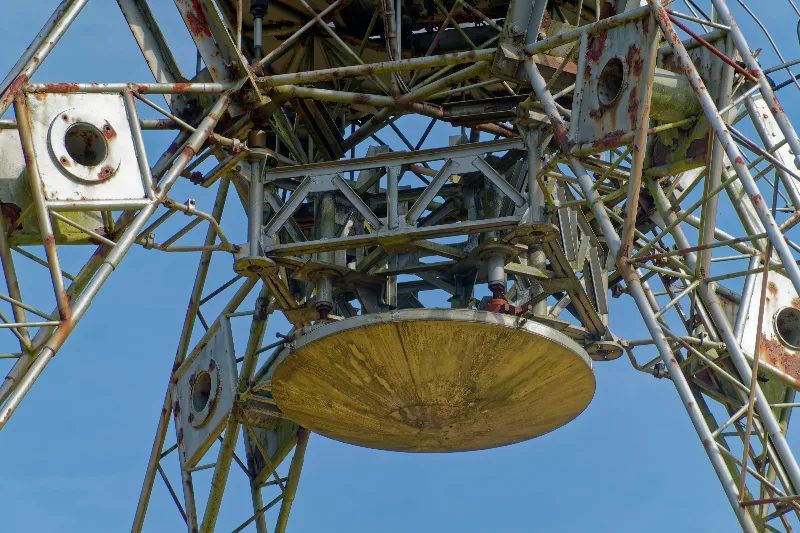
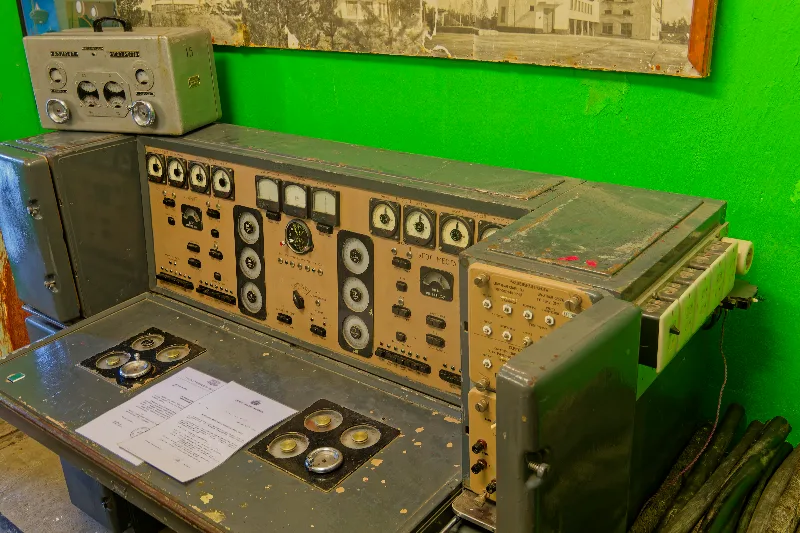
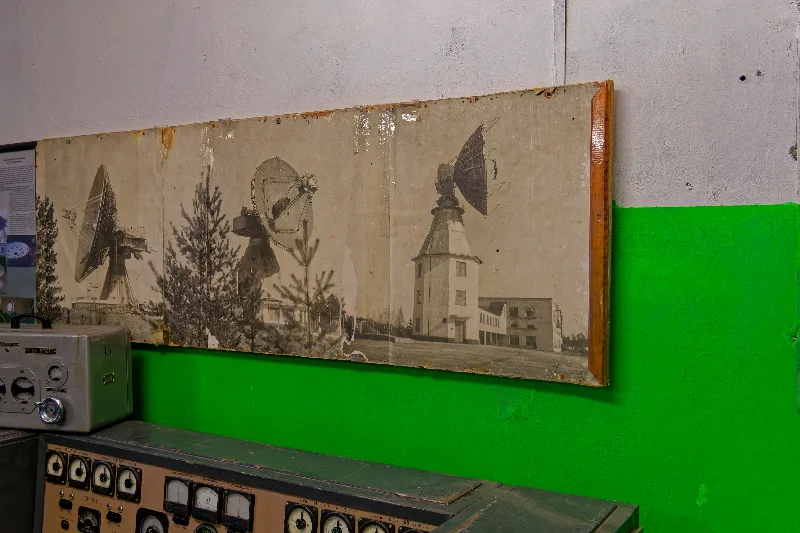
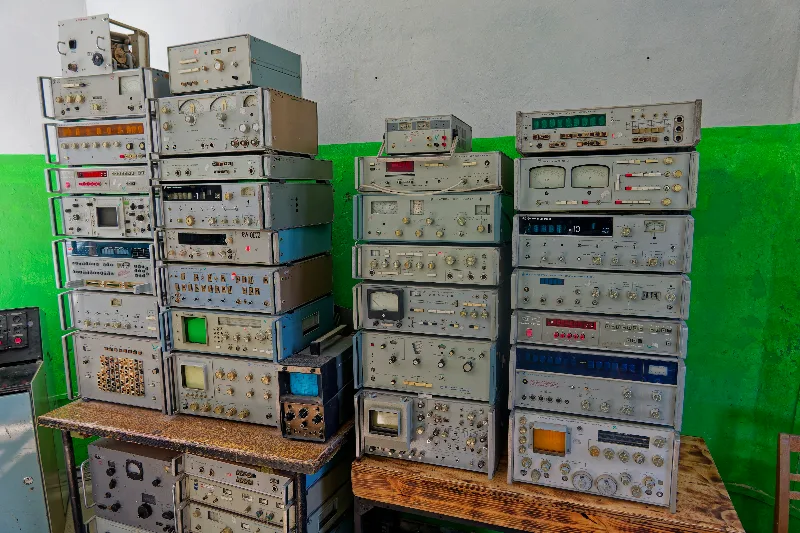
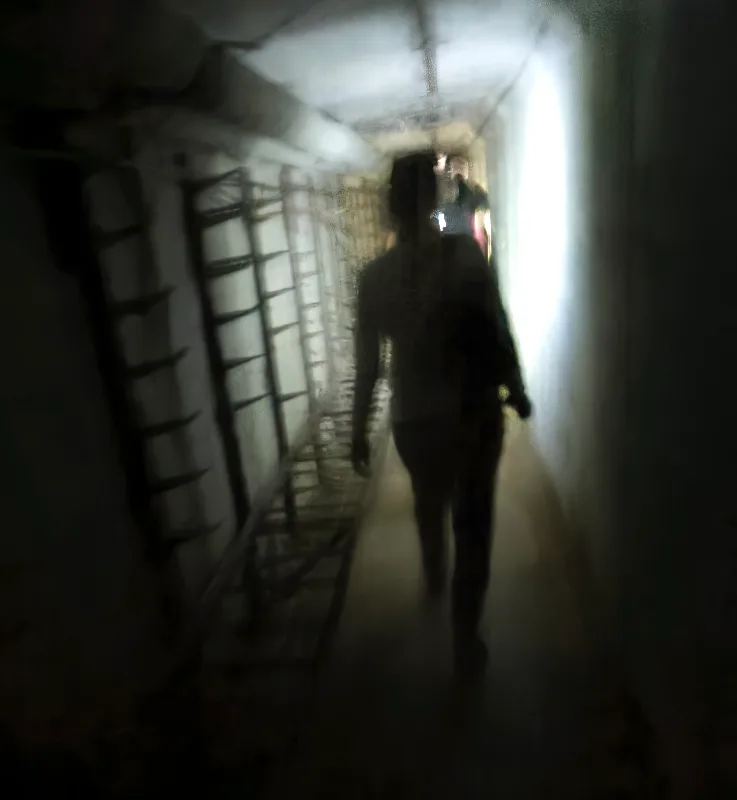
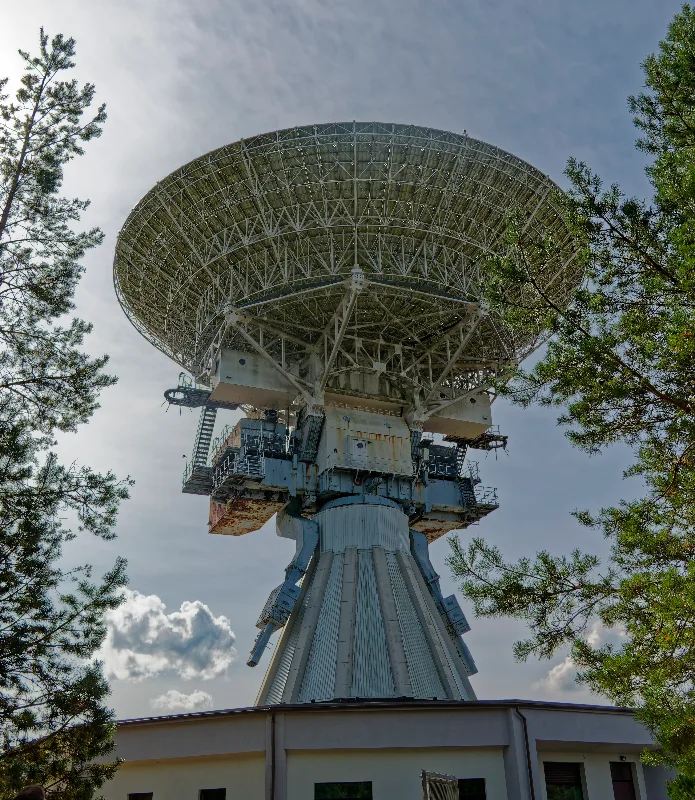
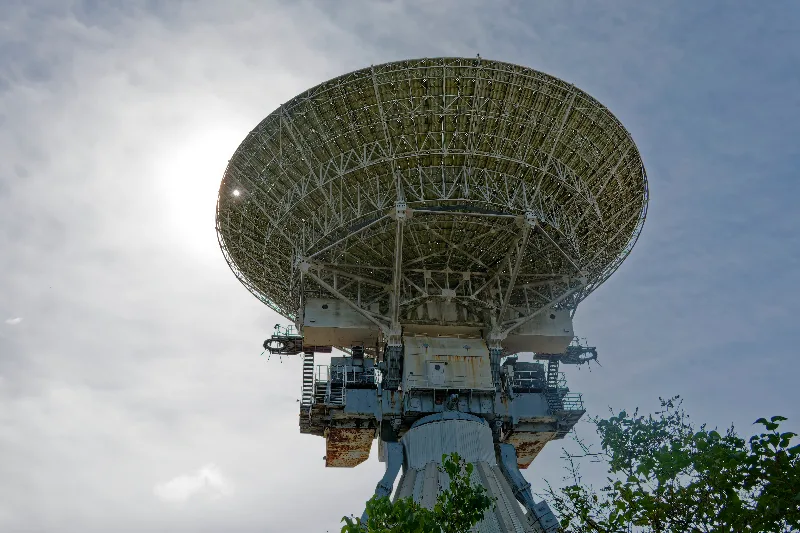
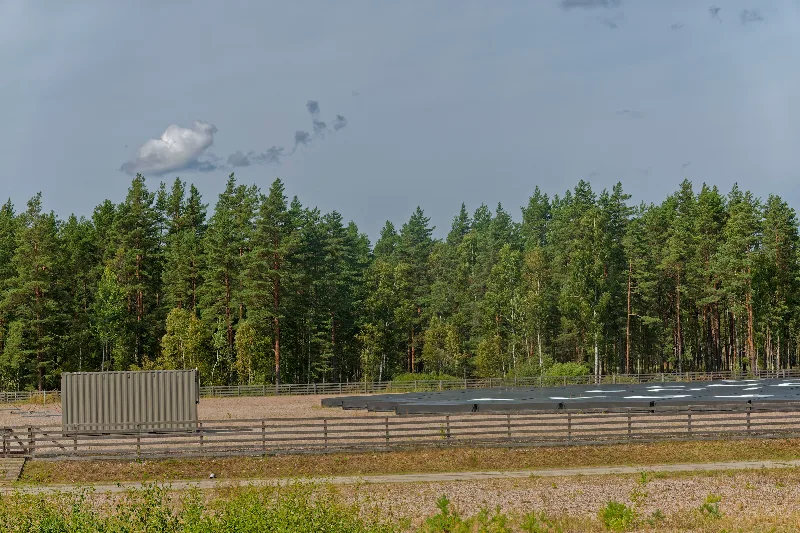
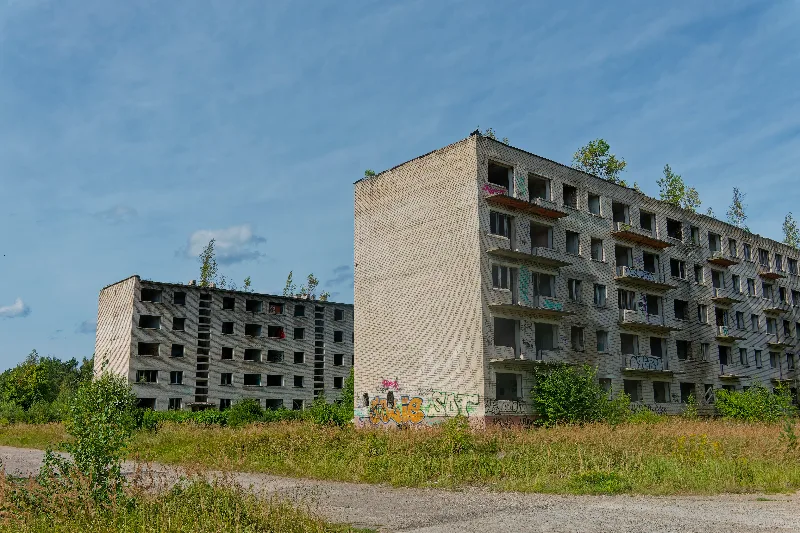
After Cape Kolka this morning, and a coffee from one of the vending machines that seem to be everywhere up here, I cycled another 50 km to Irbene - a former Soviet signals-intelligence station, abandoned after Latvian independence and now a ghost settlement. Today it's home to radio telescopes with 8, 16 and 32-metre dishes plus a LOFAR station, all used for radio astronomy. I joined a 90-minute guided tour with an excellent young guide.
Camping tonight on a huge, almost empty site in Ventspils. Bookings are filling in nicely for the days ahead: an apartment in Klaipeda for Tuesday night next week, 34 euros right in the city centre, so the schedule from here is fairly well mapped out.
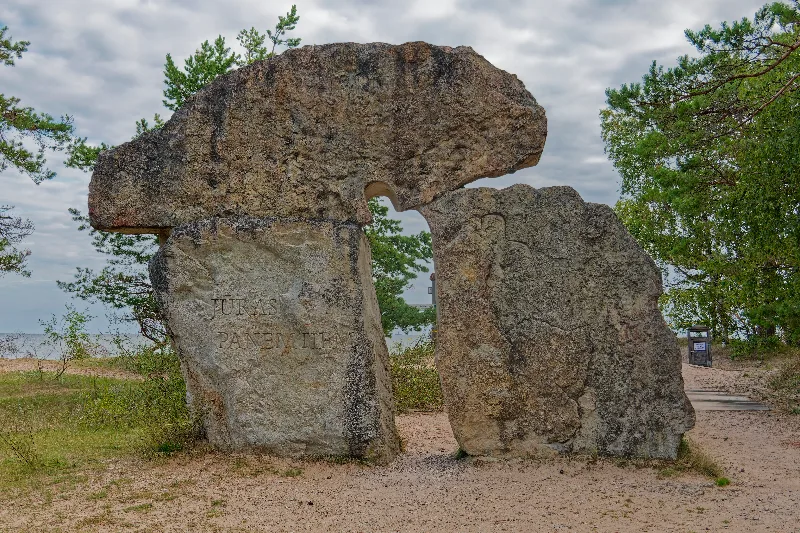
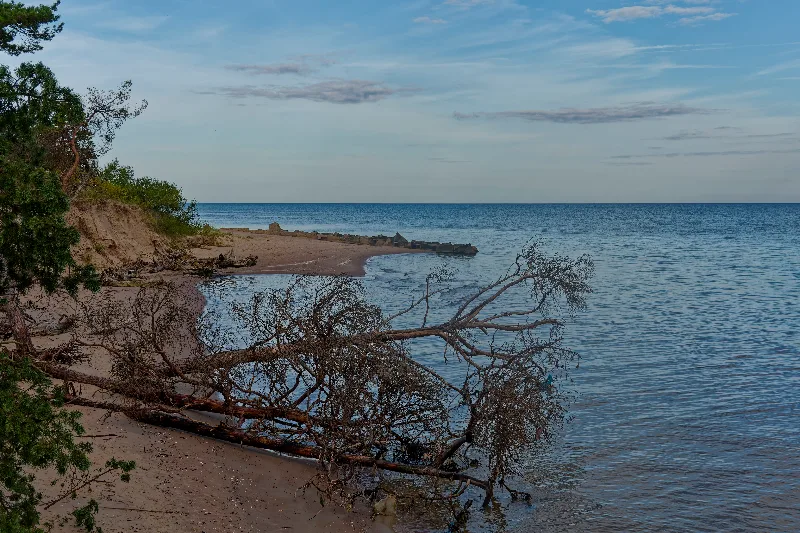
Cape Kolka & the Livonian Coast
Cape Kolka, at the northern tip of Latvia's Kurzeme peninsula, marks the point where the sheltered Gulf of Riga meets the open Baltic Sea. The two bodies of water carry different currents, temperatures and sediment, and on a calm day the meeting line between them is sometimes visible as a faint seam running out from the cape.
This stretch of coast, known as the Livonian Coast, was historically home to the Livonians - a Finnic people related to Estonians rather than the Baltic-language-speaking Latvians and Lithuanians around them. Livonian fishing villages once lined this shore for centuries, but the community was devastated by the World Wars and Soviet-era restrictions on the coastal border zone; today only a handful of native speakers remain, alongside cultural revival efforts and villages that still carry Livonian names.
Irbene
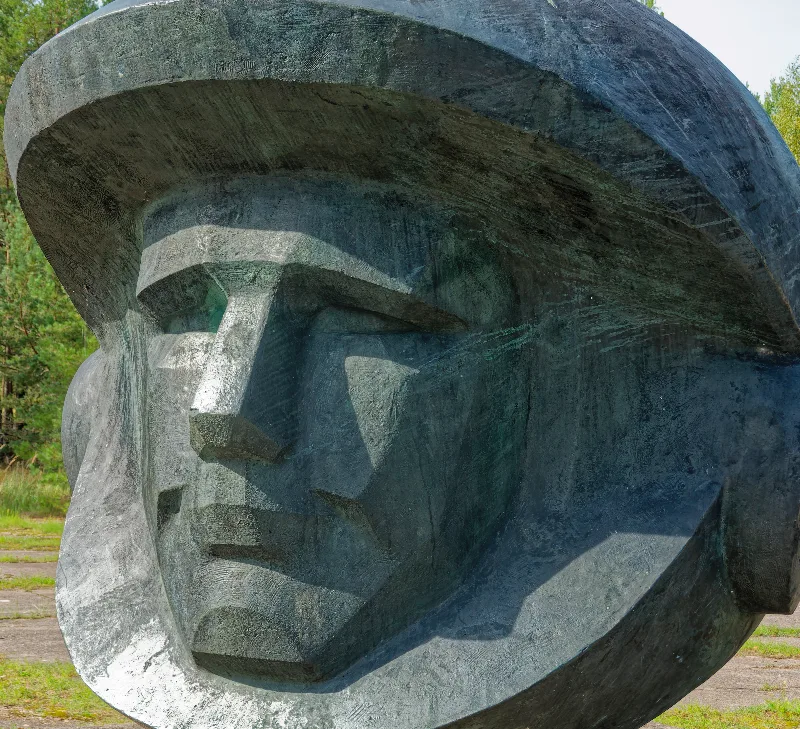
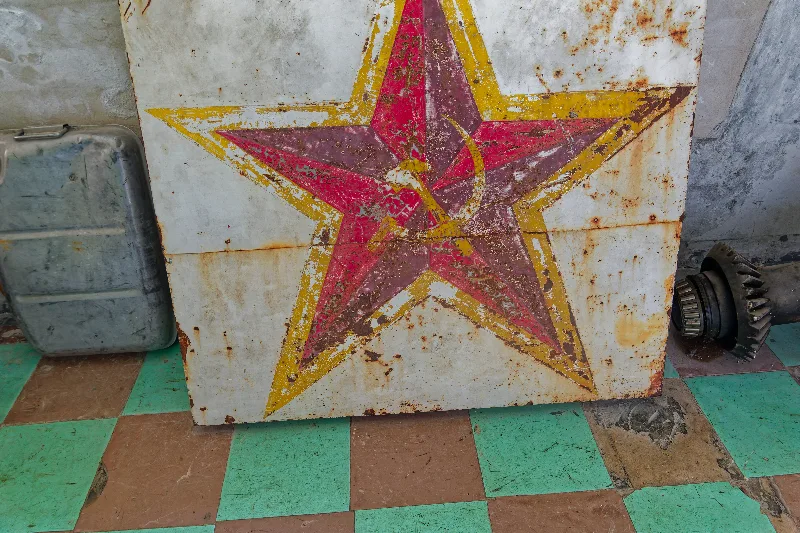
Irbene, deep in the forests of northern Latvia, was built by the Soviet military in the 1960s–70s as a signals intelligence station, codenamed "Zvyozdochka" (Little Star), intended to intercept Western satellite and radio communications. Its large radio dishes - now 32 and 16 metres across, with an 8-metre dish nearby - made it one of the most technically advanced Soviet listening posts outside Russia itself, and the surrounding settlement housed the military personnel and their families in secrecy, absent from Soviet maps.
When Russian forces withdrew from newly independent Latvia in 1994, the retreating troops destroyed much of the site's sensitive equipment, but the huge dishes survived. They were handed over to the Latvian Academy of Sciences and converted to civilian use, and Irbene now operates as the Ventspils International Radio Astronomy Centre, used for radio astronomy research and as part of the international LOFAR network of low-frequency radio telescopes. The former military town around it, once home to over a thousand people, is now largely abandoned - a rare, slightly eerie combination of Cold War ruin and working scientific observatory.
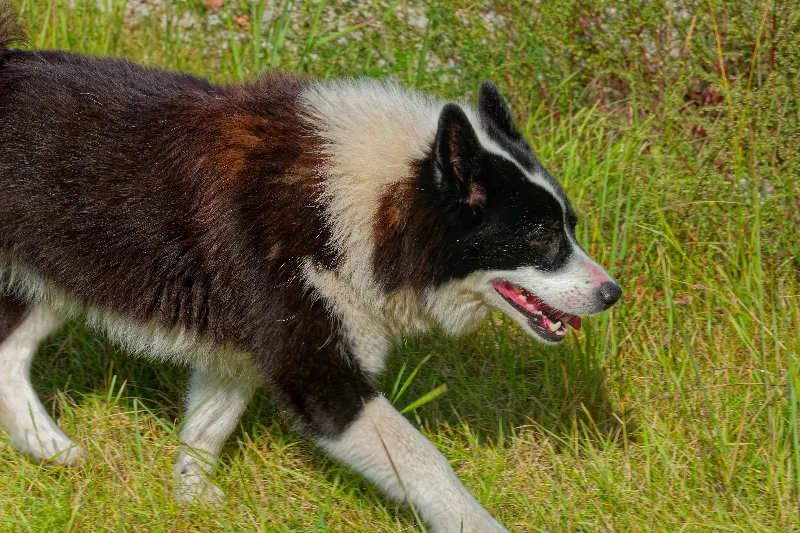
Sat Aug 29 - Ventspils to Liepāja
Cloudy all day; the main road, and any detour off it, was punished with a rocky or sandy surface. 125 km covered, and shortly after arriving at a campsite south of Liepāja quite heavy rain started.
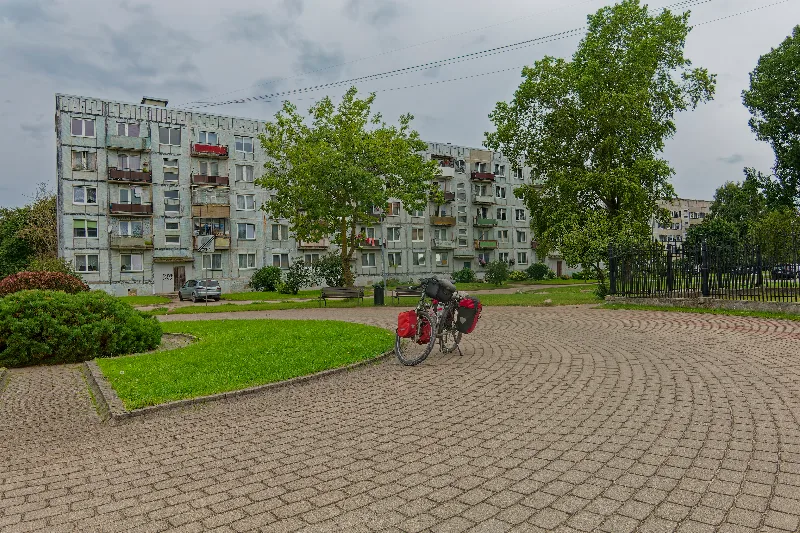
Liepāja
Liepāja, Latvia's third-largest city, grew around one of the few ice-free ports on the eastern Baltic, which made it strategically valuable long before it became a tourist destination. Under Tsarist Russia it was developed into a major naval base, a role continued and expanded by the Soviet Union after 1945: the Karosta district became a large closed military port, and Liepāja itself was designated a "closed city," off-limits to foreigners and even most Soviet citizens without a special permit, until 1991.
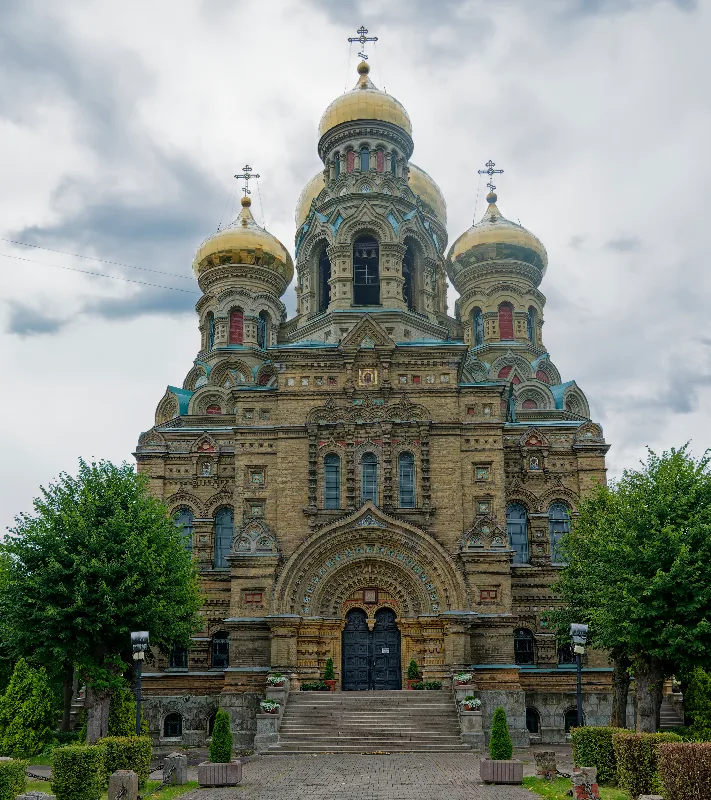
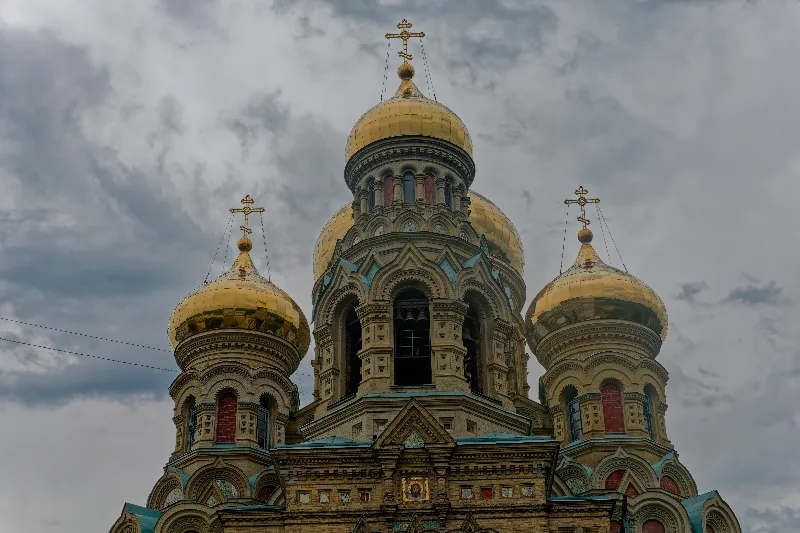
Since independence, Liepāja has reinvented itself as a centre for music and alternative culture - locally nicknamed "the city where the wind is born" after a well-known Latvian song - alongside its role as a working port and industrial city. The old Karosta naval base, with its abandoned barracks, a Soviet-era prison now open to visitors, and the ruined Orthodox Naval Cathedral, remains one of the most striking reminders of the city's military past.