Pedal to the Finish — Ferries, Trails & Baltic Shores
The Baltic States: A Shared History
The Baltic states - Estonia, Latvia and Lithuania - share a history shaped far more by outside powers than by each other. From the 13th century, German and Danish crusaders conquered the region in the Livonian Crusades, and for the centuries that followed it was ruled in shifting combinations by German-speaking landowning elites, Denmark, Sweden, Poland-Lithuania and, from the 18th century, the Russian Empire. Lithuania was the exception for a long stretch of the medieval period, forming its own powerful Grand Duchy that later merged with Poland into one of Europe's largest states.
National movements in the 19th century revived local languages and identities, and all three countries declared independence in 1918 after the collapse of the Russian and German empires. That independence lasted barely two decades: the secret 1939 Molotov–Ribbentrop Pact assigned the Baltic states to the Soviet sphere, leading to Soviet occupation in 1940, a brutal Nazi German occupation from 1941–44, and then nearly five decades back under Soviet rule, with mass deportations and forced collectivisation along the way.
The end came peacefully: in August 1989, some two million people joined hands across all three countries in the "Baltic Way," a 675 km human chain demanding independence, and by 1991 all three had restored it. Estonia, Latvia and Lithuania joined the European Union and NATO in 2004, and today share a strong sense of Nordic-leaning, post-Soviet identity - while each has kept its own language and culture firmly distinct from its neighbours.
Wed Aug 19 - Haapsalu
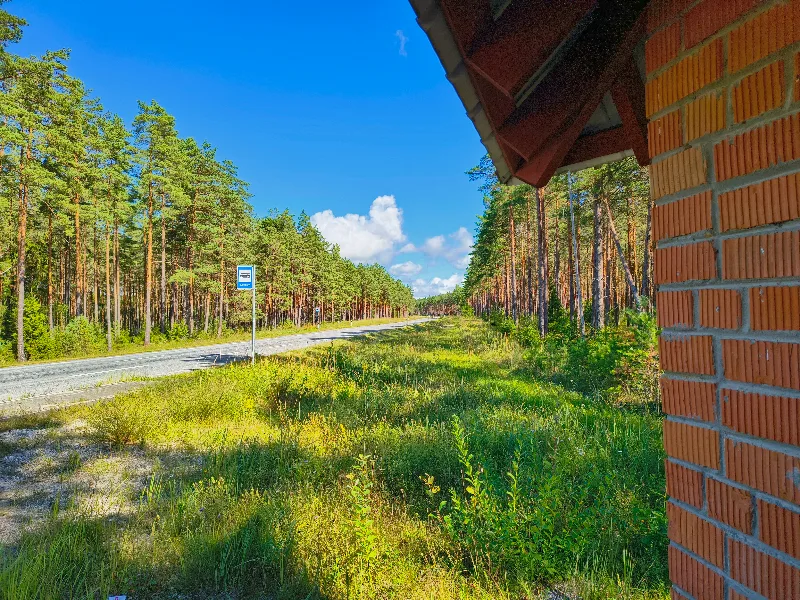
After an excellent breakfast, I left the hotel at 7:45 a.m. It took a while to get clear of Tallinn's suburbs; after that, mostly good tarmac and bike lanes along the bigger roads - pleasant riding, though the road rarely touches the coast, running instead through forest for much of the way, past a few small villages. Met a couple of cyclists from Finland and from Hamburg along the way. About 155 km today. Tomorrow: an 8:30 a.m. ferry out to the Estonian islands.
Thu Aug 20 - Saaremaa
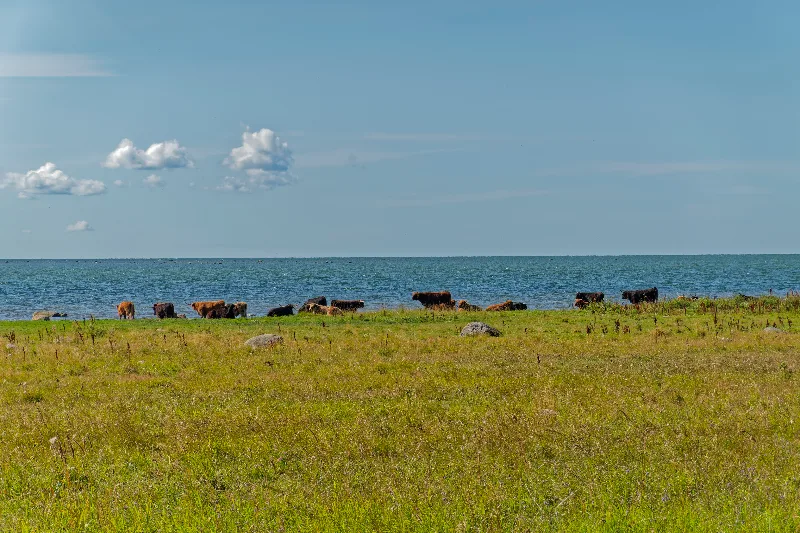
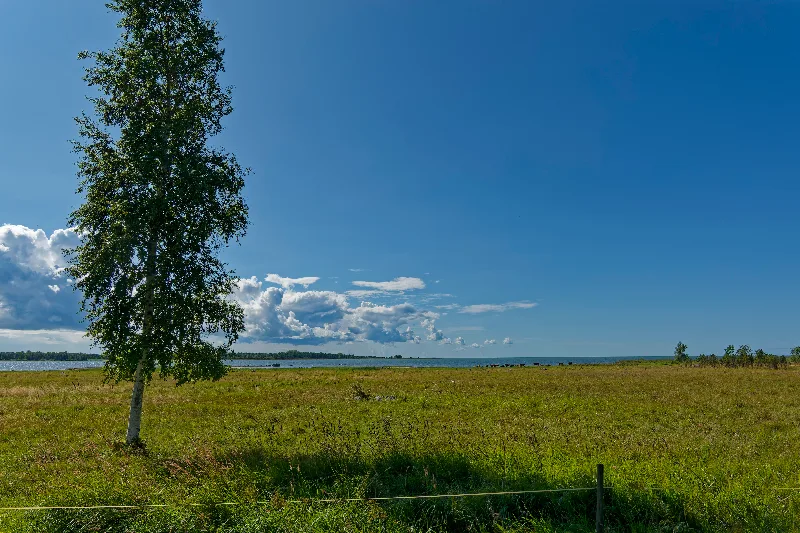
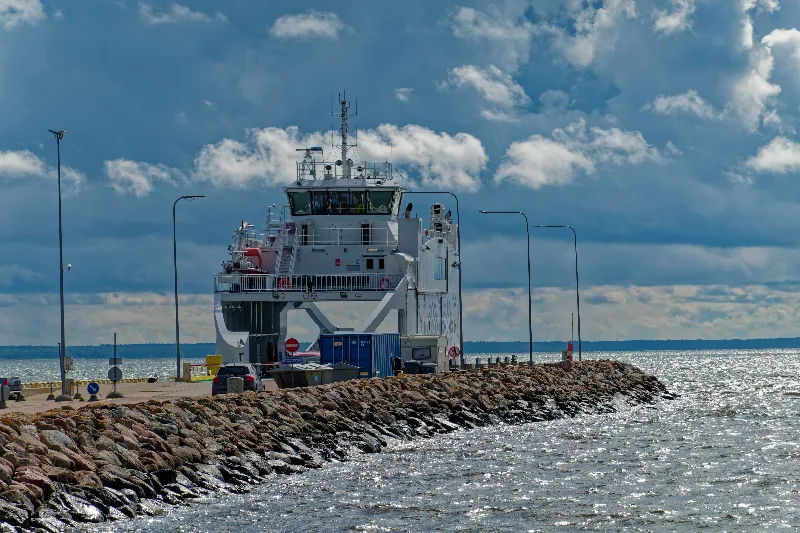
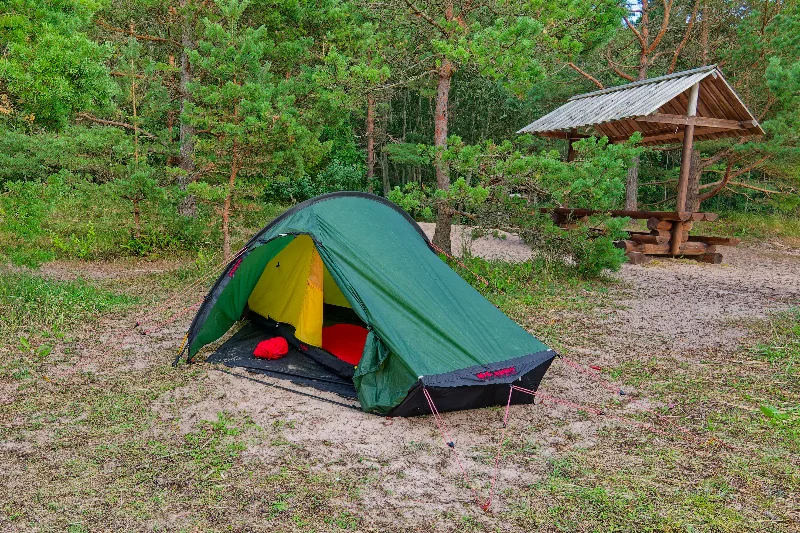
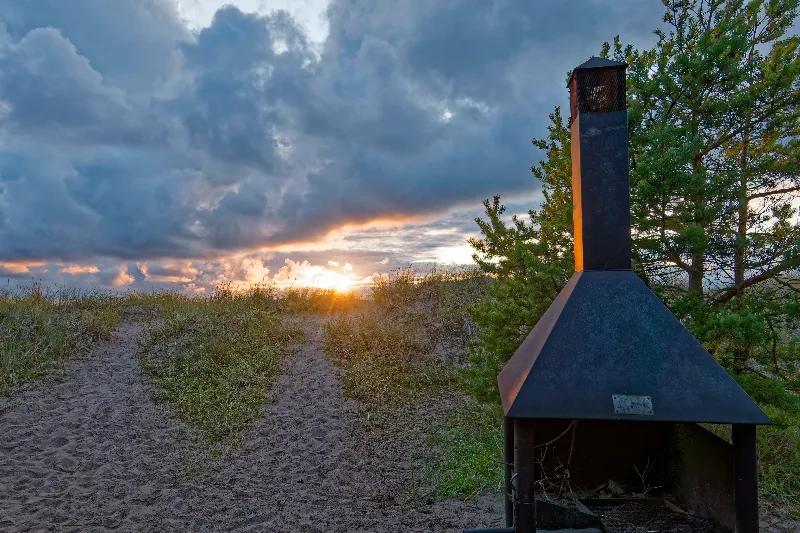
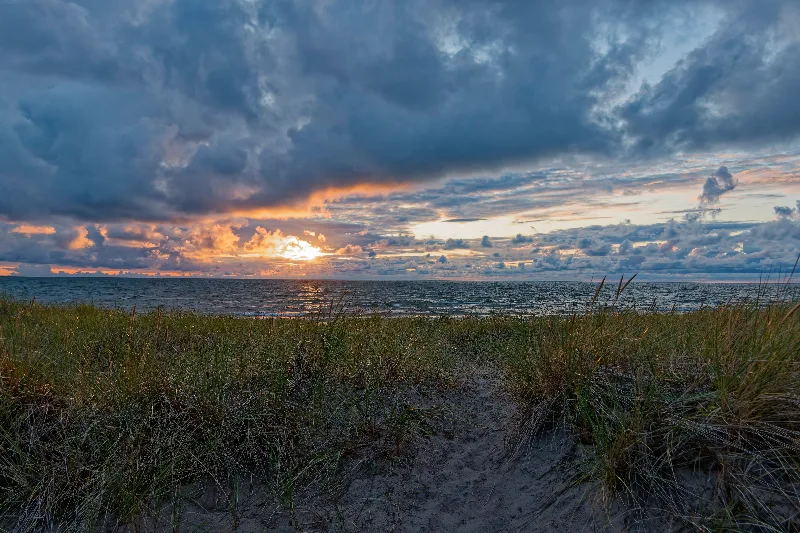
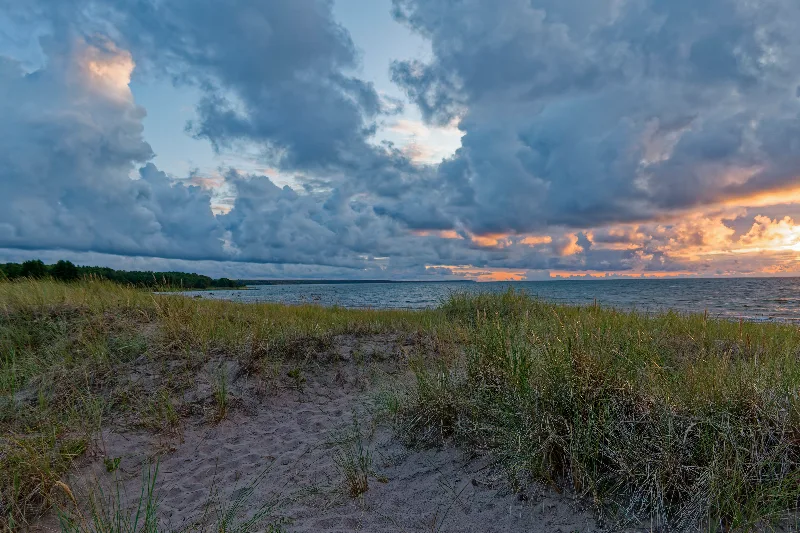
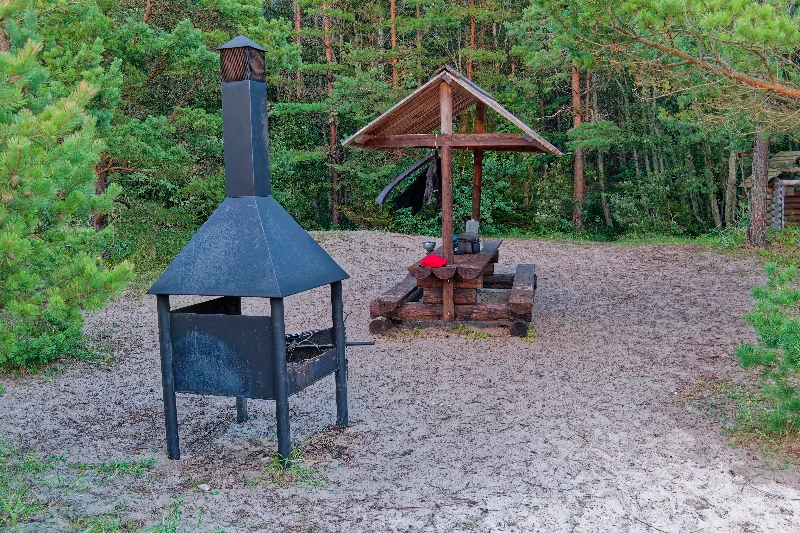
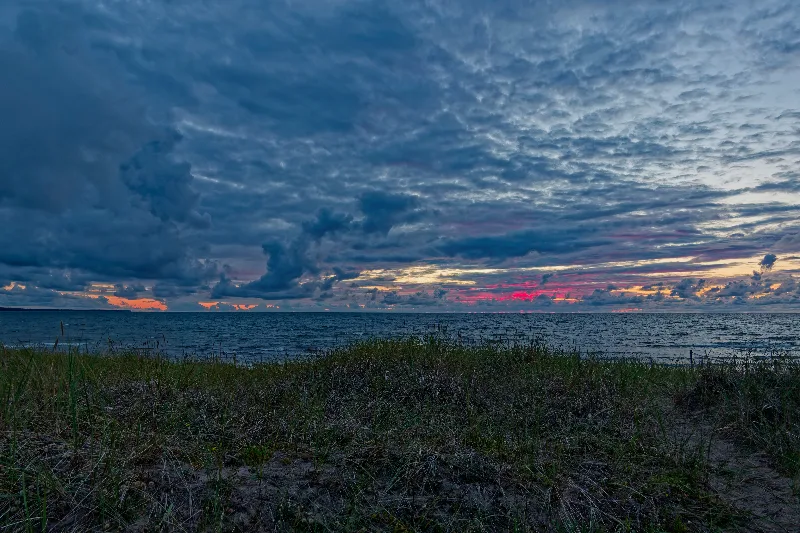
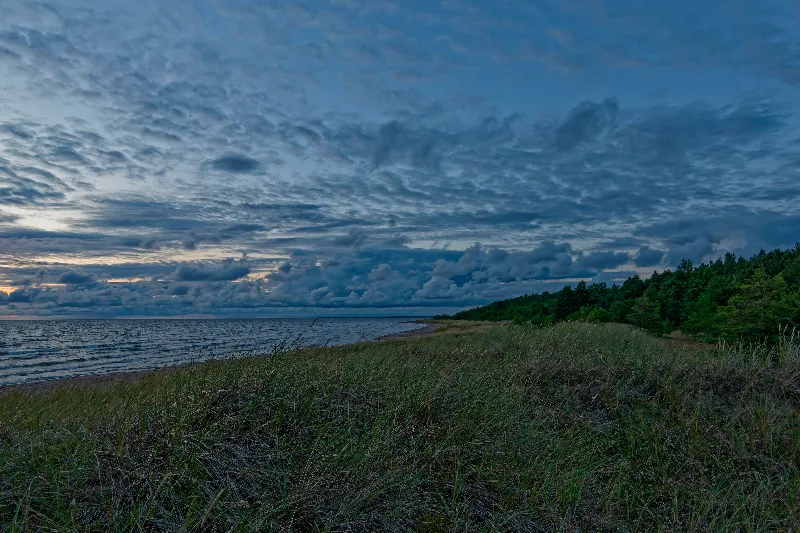
Two ferries today, with 90 km of cycling between them. The first, at 8:30 a.m., took about an hour to Hiiumaa, where heavy rain came down five separate times. Then followed a 2.5-hour wait for the 5:30 p.m. ferry onward, a late restart at 6:45 p.m., a quick shop for dinner, and another 20 km on Saaremaa to an RMK campsite right on the beach.
Tent up in 15 minutes, a quick dip in the sea, dinner cooked, and this diary written by the fading light. About 105 km today, 155 km the day before. More rain is forecast for the coming days.
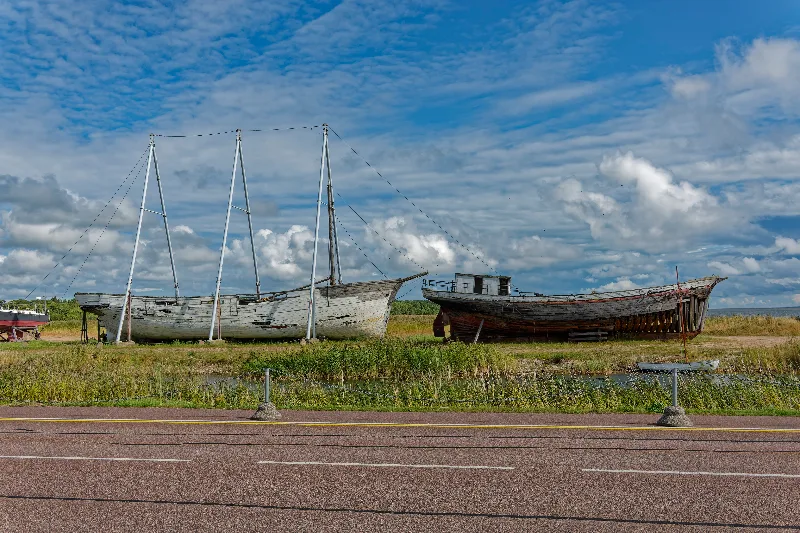
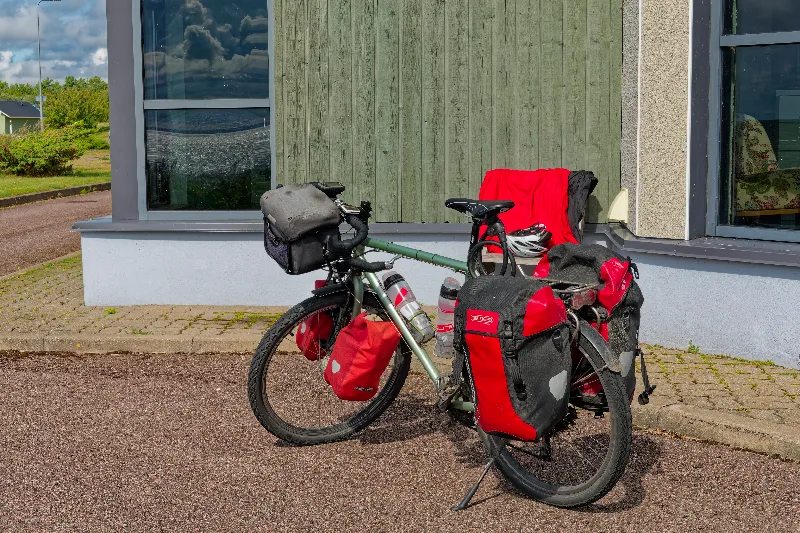
Saaremaa & Hiiumaa
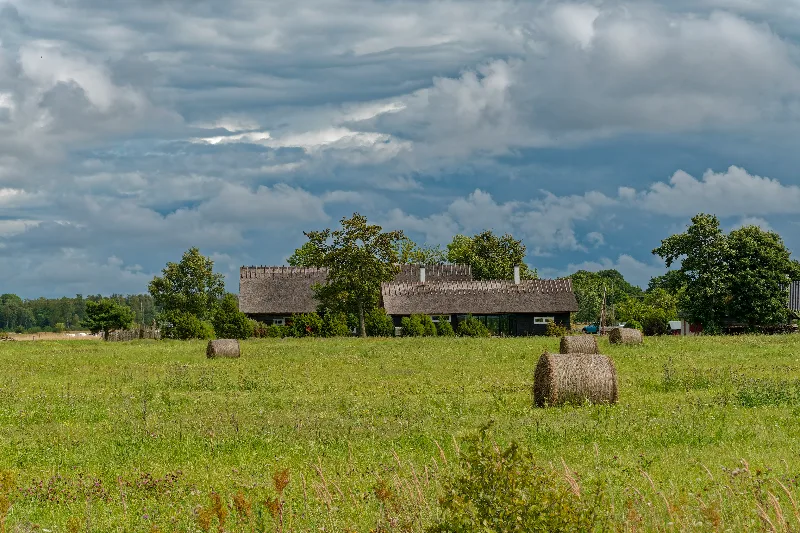
Saaremaa and Hiiumaa are Estonia's two largest islands, lying off its western coast in the Baltic Sea. For centuries they were fought over and ruled in turn by the Bishopric of Ösel-Wiek, the Livonian Order, Denmark, Sweden and Russia - a history still visible in castles, manor houses and old windmills scattered across the flat, juniper-covered landscape. During the Soviet era both islands lay in a restricted border zone, closed to outsiders and even to many Estonians, which paradoxically left them with little industrial development and a strong sense of untouched, slow-paced rural life that still marks them today.
Saaremaa is also home to the Kaali crater field, formed by a meteorite impact around 1500–400 BC - one of the few impact sites known to have occurred within human memory, and possibly the origin of local myths about a "fallen sun."
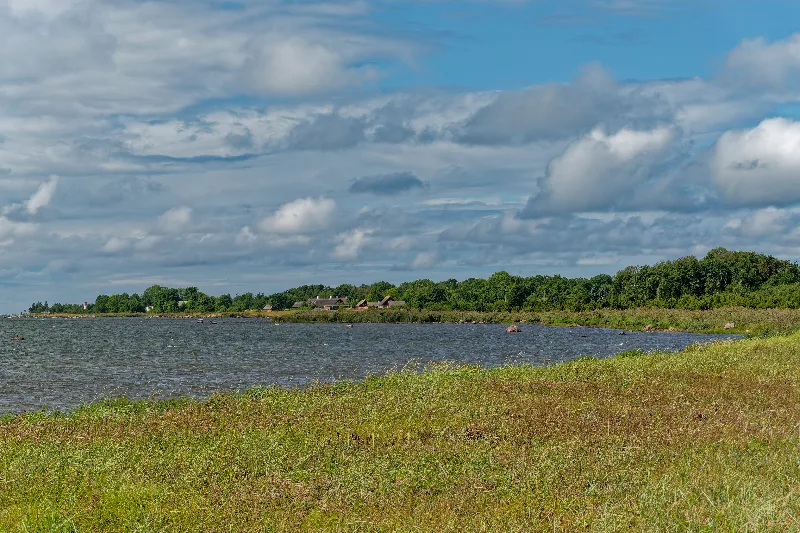
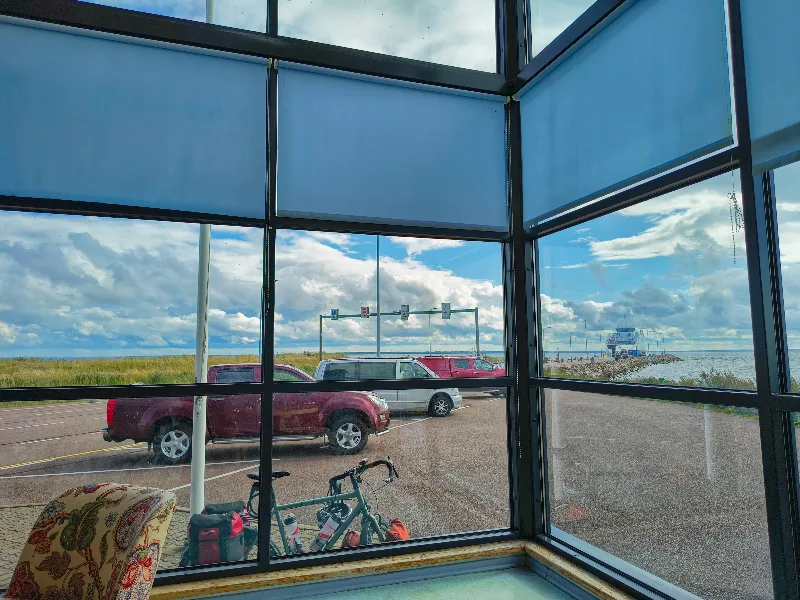
RMK - Estonia's State Forest Campsites
RMK (Riigimetsa Majandamise Keskus, the State Forest Management Centre) manages Estonia's state-owned forests and, alongside timber production and conservation, maintains an extensive network of public recreational sites across the country. These range from simple fireplaces and picnic spots to full campsites with toilets, and sometimes even a sauna, nearly always free of charge or for a small fee. Combined with Estonia's "everyman's right" to roam and camp on uncultivated land, this makes bicycle touring through Estonia's forests and coastline unusually easy - well-marked sites turn up in some genuinely beautiful, quiet locations, often right on the sea.
Fri Aug 21 - Kuressaare
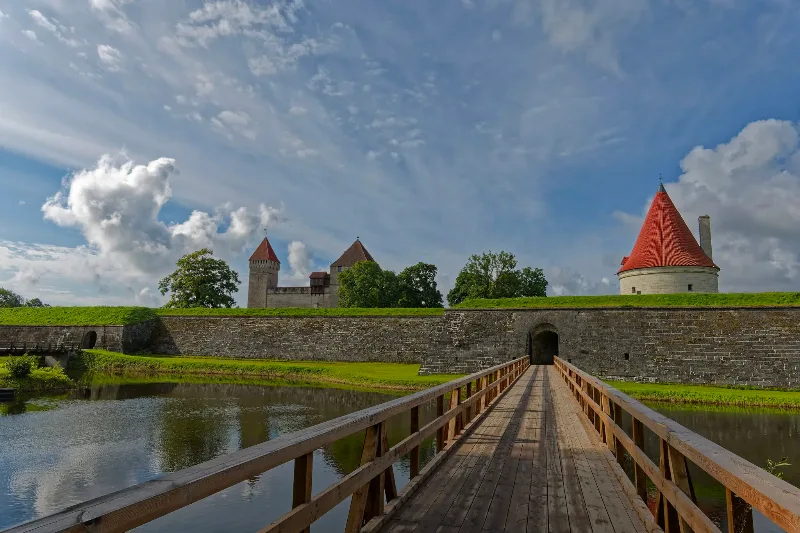
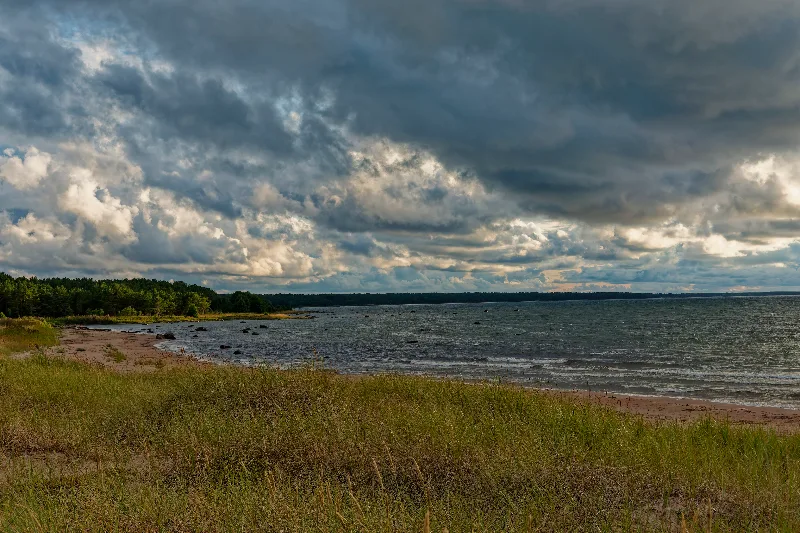
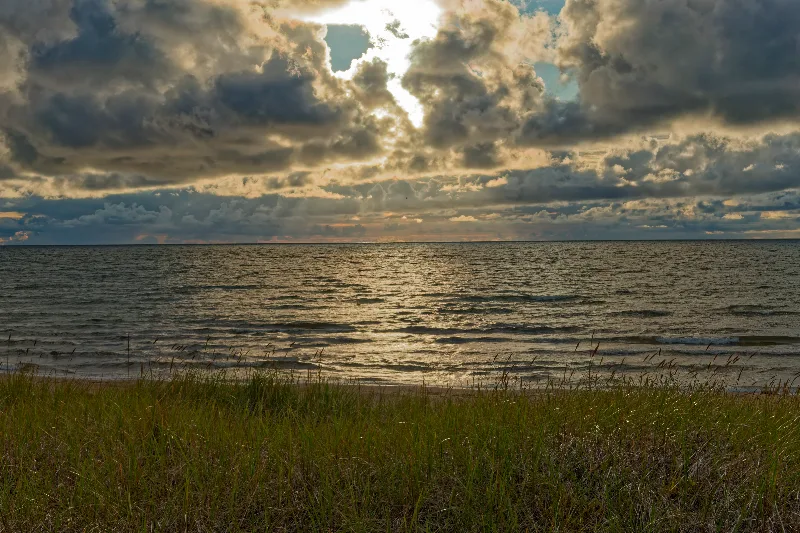
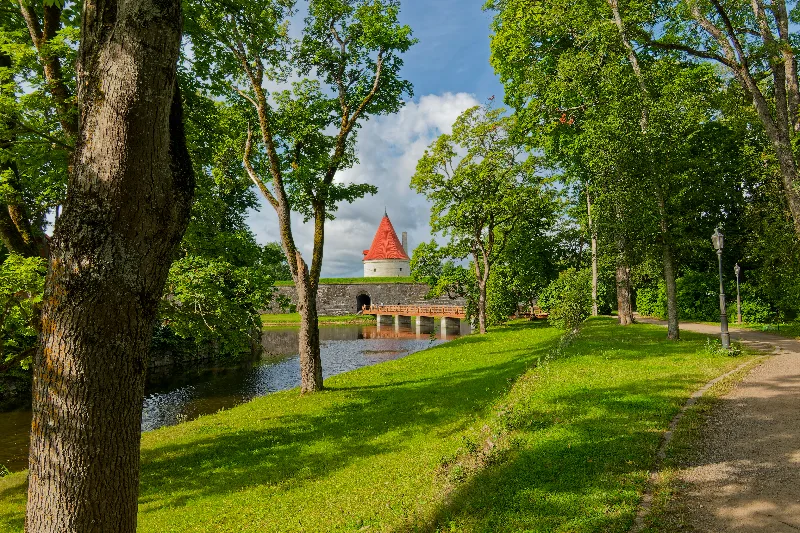
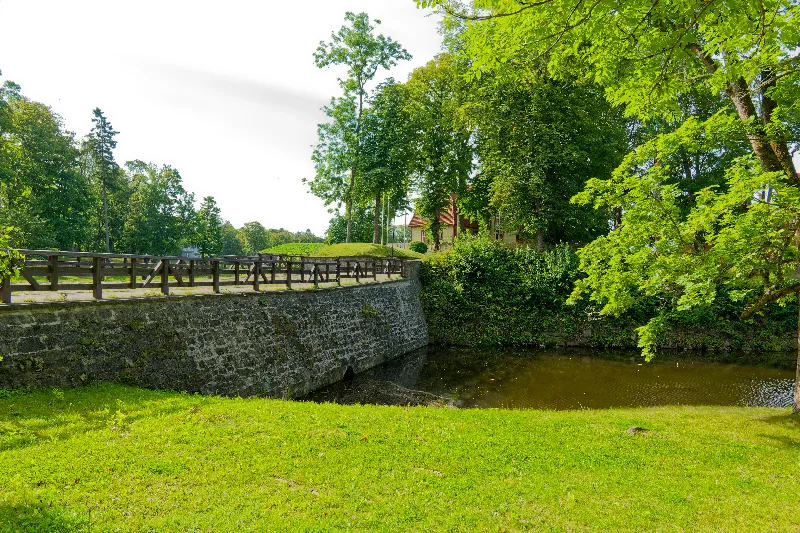
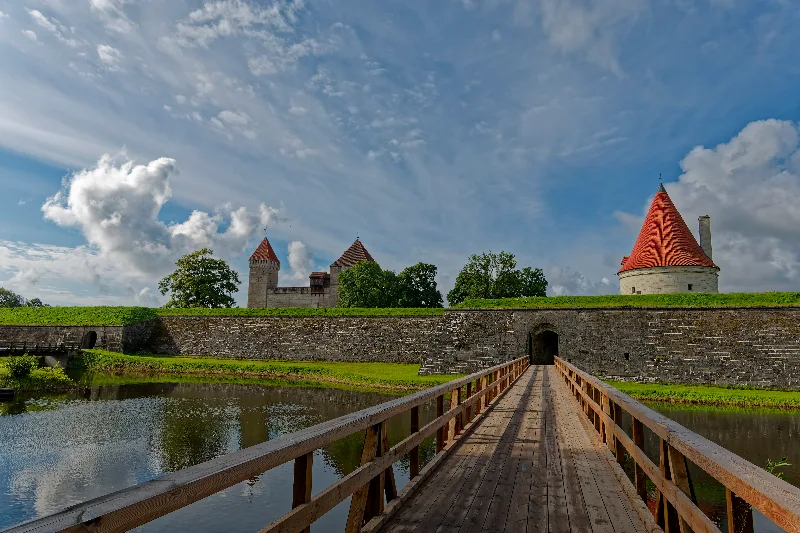
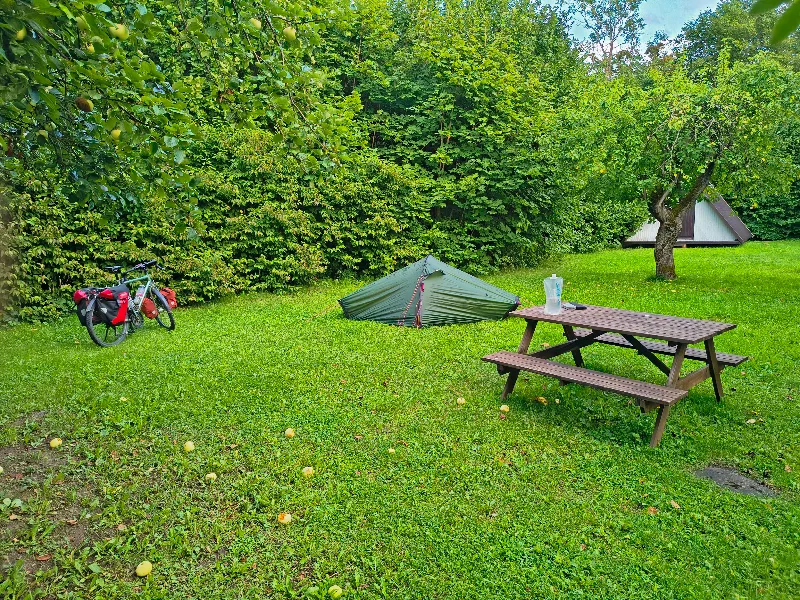
On the road at 7:30 after a good night's sleep with the sea as a lullaby - a bit too sandy underfoot for pitching a tent, but I wanted to be right on the beach rather than back in the forest. About 50 km to Kuressaare, with coffee and a freshly baked croissant from a supermarket along the way. Kuressaare has a nice old town and an imposing castle, worth a bit of sightseeing.
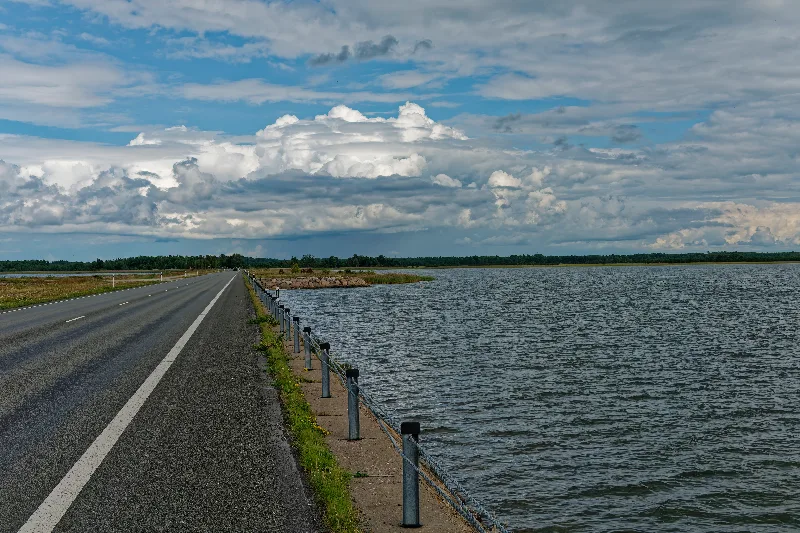
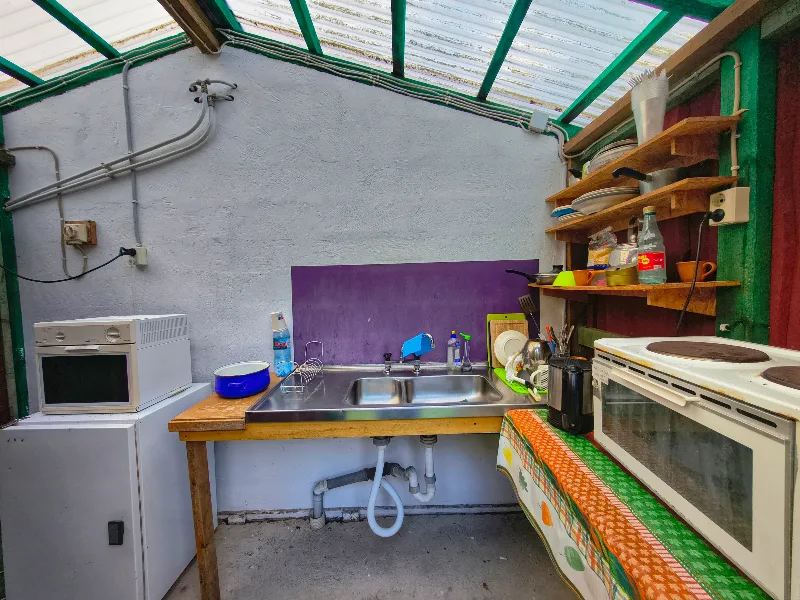
After that, the now-familiar scenery returned: forest on both sides, flat and well-paved roads, a little monotonous, enough that I worked through two audiobooks, including "Der letzte Detektiv" by Michael Koser. A bee sting on one finger this afternoon was dealt with quickly and didn't cause any trouble. Camping tonight at Äki Camping, about 30 minutes from tomorrow morning's ferry. In two days I should be crossing into Latvia, with two nights planned in Riga to avoid rushing through the Baltics too quickly.
Kuressaare Castle
Kuressaare Castle, on Saaremaa, is one of the best-preserved medieval bishop's castles in the Baltic states. Built from the 14th century onward as the seat of the Bishopric of Ösel-Wiek, its solid limestone keep was later reinforced with star-shaped earthen bastions in the 17th and 18th centuries as artillery made older fortifications obsolete. Known by its German name Arensburg for much of its history, the castle and surrounding town changed hands between the Livonian Order, Denmark, Sweden and Russia before becoming part of independent Estonia. Today the castle houses the Saaremaa Museum, and its moat, ramparts and courtyard make it one of the island's principal sights.
Sat Aug 22 - A Bear, then Pärnu
Bears on Saaremaa: I startled a bear this morning on the way to the ferry. It was a stretch of dense forest with thick undergrowth when suddenly there was a roar behind me and a rumbling in the bushes. I only had ten minutes left before the ferry departed - otherwise I might have bagged it and ridden off with bear paws tenderizing nicely on my saddle. (Local news later reported a run of bear sightings on Saaremaa around the same time, so I wasn't imagining things.)
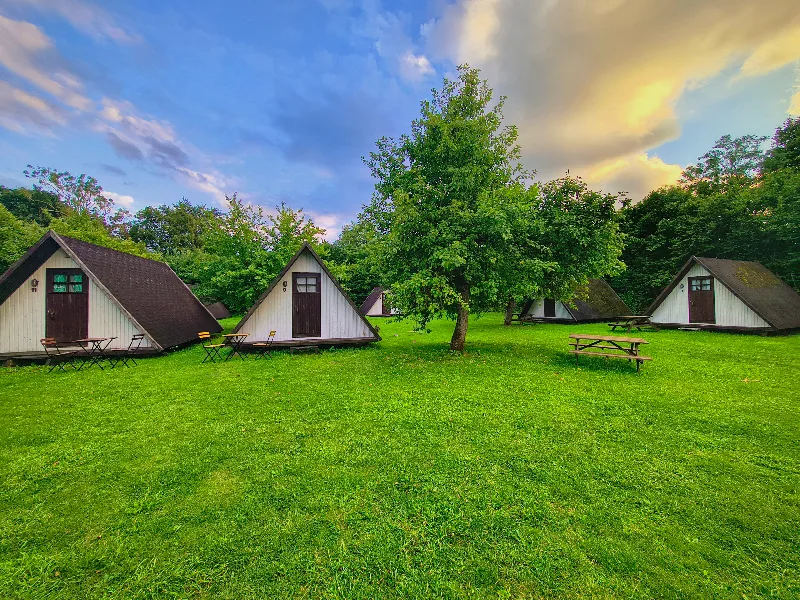
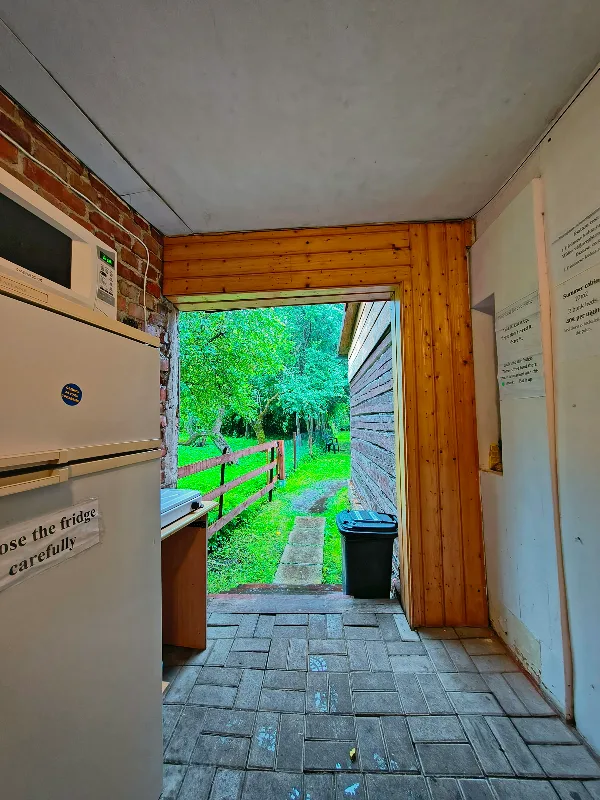
An 8:30 a.m. ferry took me back to the mainland; cloudy all day until the rain set in around 11:30. Reached the campsite in Pärnu quite early. Once again, not many spectacular sights along the way, but a pleasant ride overall.
Brown Bears in the Baltics
Estonia has one of the highest densities of brown bears in Europe relative to its size, with an estimated population of 700–900 animals, mostly concentrated in the forests of the mainland and, less commonly, on the larger islands such as Saaremaa, which bears are known to reach by swimming across the strait. Numbers recovered steadily over the 20th century thanks to hunting quotas and habitat protection, after the species had been pushed to the brink by the early 1900s.
Brown bears are naturally shy and avoid humans wherever possible, and encounters are rare precisely because the animals usually hear or smell a person coming long before being seen themselves. Trouble is far more likely when a bear is startled at close range with no time to retreat quietly - exactly the kind of dense, noisy undergrowth this route crossed on the way to the Saaremaa ferry.
Pärnu
Pärnu, on Estonia's southwestern coast at the mouth of the Pärnu River, is often called the country's "summer capital." Its wide sandy beach and mild seaside climate turned it into a fashionable spa resort from the 19th century onward, when wealthy visitors from the Russian Empire came to take the waters and sea air; elegant wooden villas and grand bathhouses from that era still line parts of the town. Today Pärnu remains Estonia's most popular beach resort, busy with festivals and holidaymakers throughout the summer, while its old town retains a quieter, more provincial character the rest of the year.
Sun Aug 23 - Rain in Pärnu
Decided to stay in Pärnu for one more night. The rain began yesterday around midday and has not stopped since. With 700 km to Klaipeda and another 100 km to the Thomas Mann House, I have 12 days left - including two nights in Riga - which still works out to just an average of 80 km per day.