Iceland by Bike 2013 - Part 7
Deutsch | English
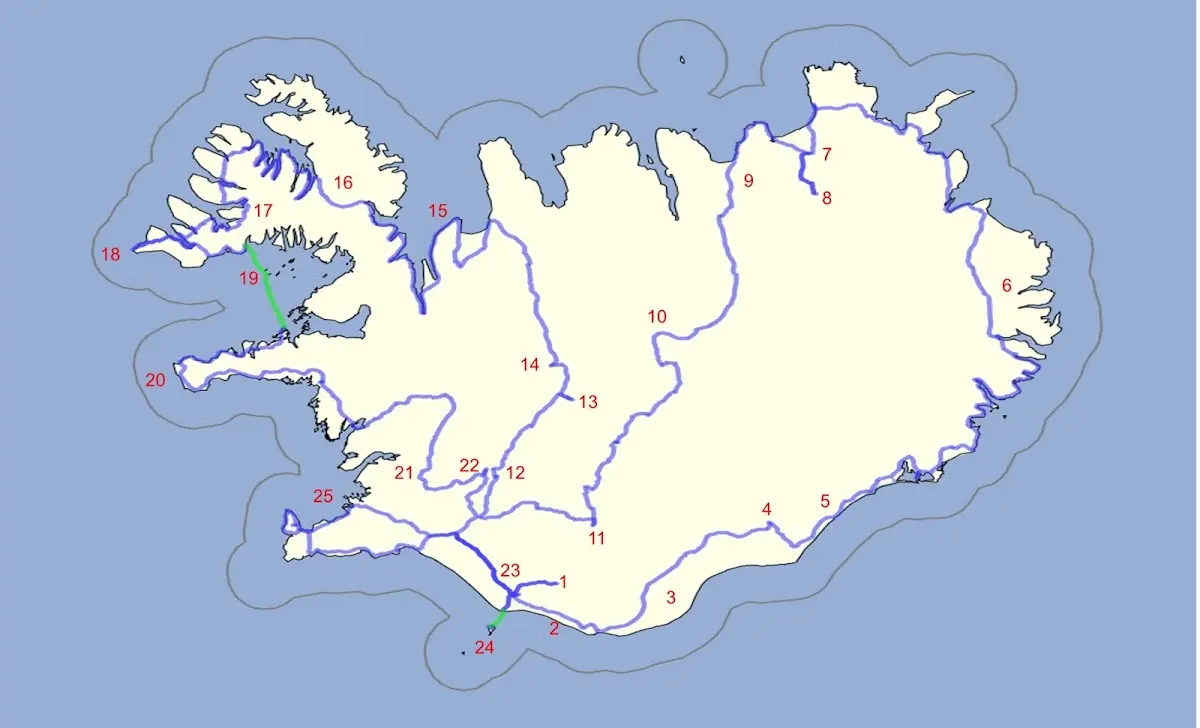
1 Þórsmörk hiking area 2 Between Skógafoss and Vik 3 Mýrdalssandur and other sandur plains 4 Skaftafell and Svartifoss 5 Jökulsárlón 6 The East Fjords and the northeast of Iceland 7 Asbyrgi and 8 Dettifoss 9 Husavik | 10 Highland track Sprengisandur 11 Landmannalaugar 12 Gullfoss 13 Kerlingarfjöll 14 Hveravellir 15 Vatnsnes peninsula 16 The Westfjords 17 Dynjandi waterfall | 18 Látrabjarg 19 Flatey 20 Snæfellsnes 21 Þingvellir 22 Geysir 23 Seljalandsfoss 24 Vestmannaeyjar 25 Reykjavík |
24 Vestmannaeyjar
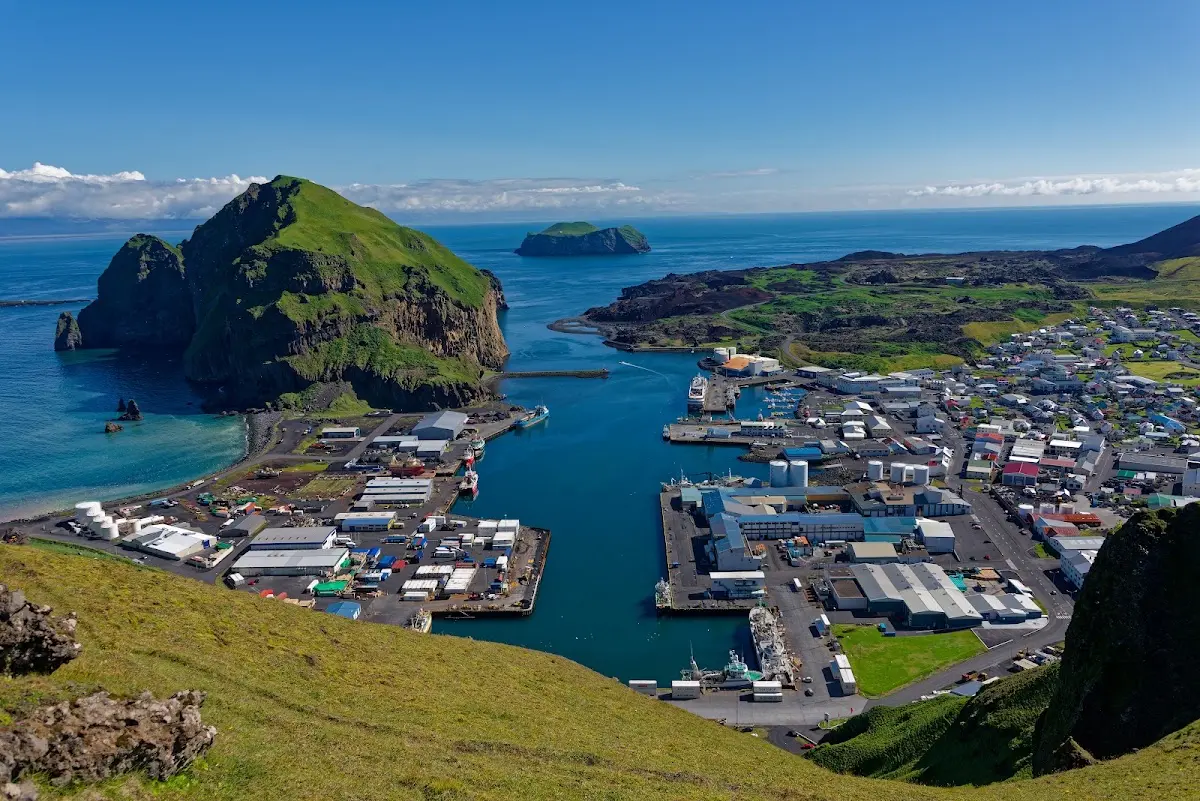
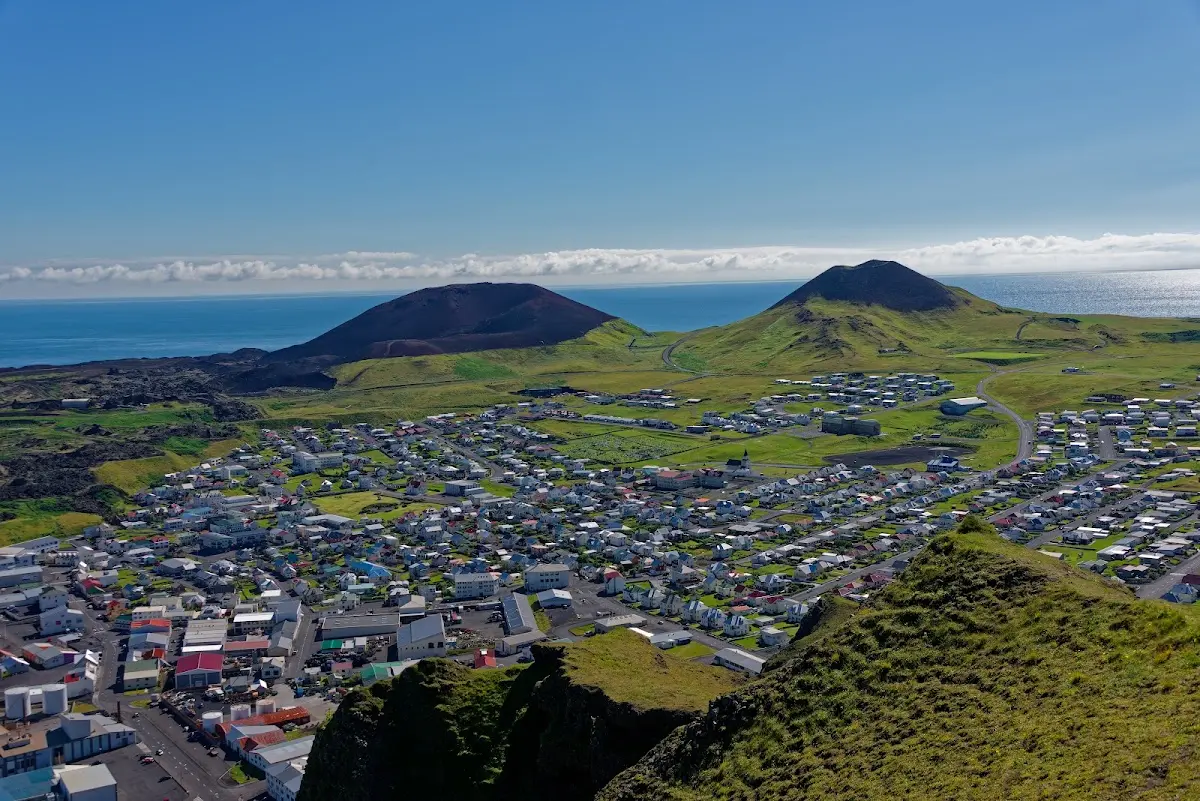
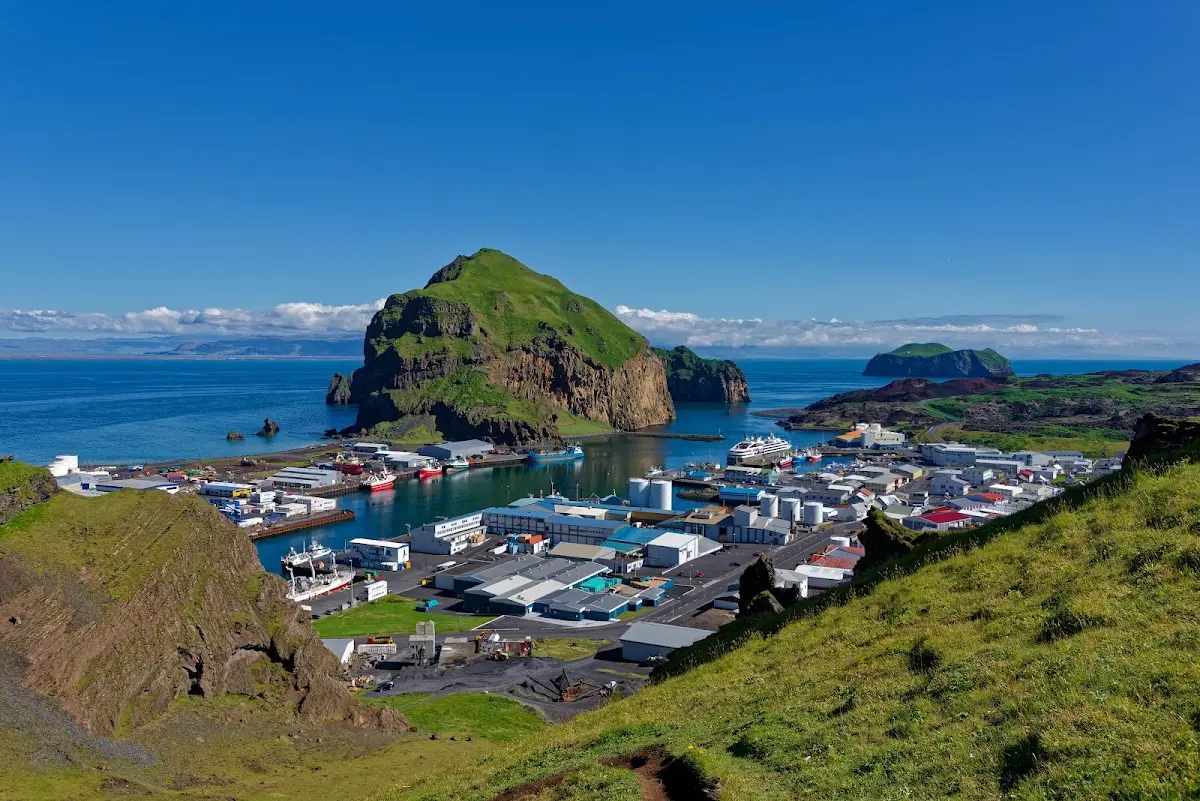
A good 4000 people live on the Vestmannaeyjar, a group of islands consisting of 14 islands, 30 skerries and 30 rocks.
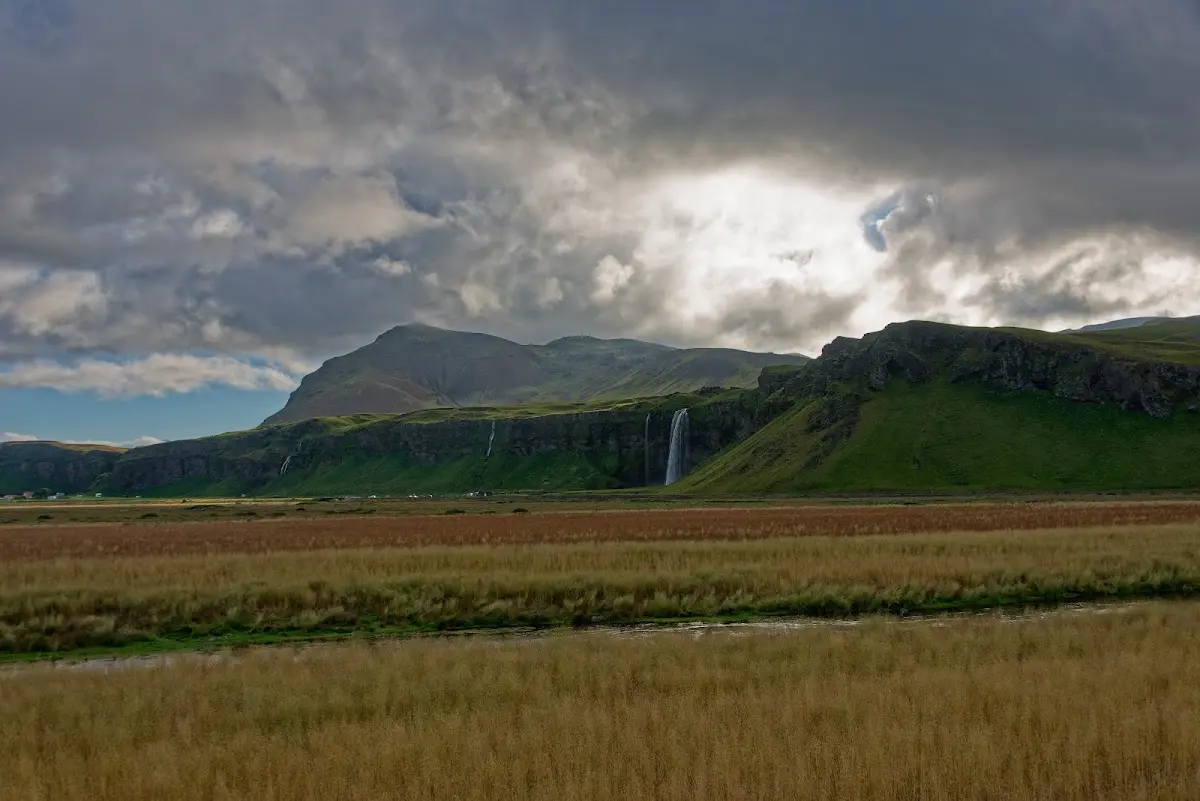
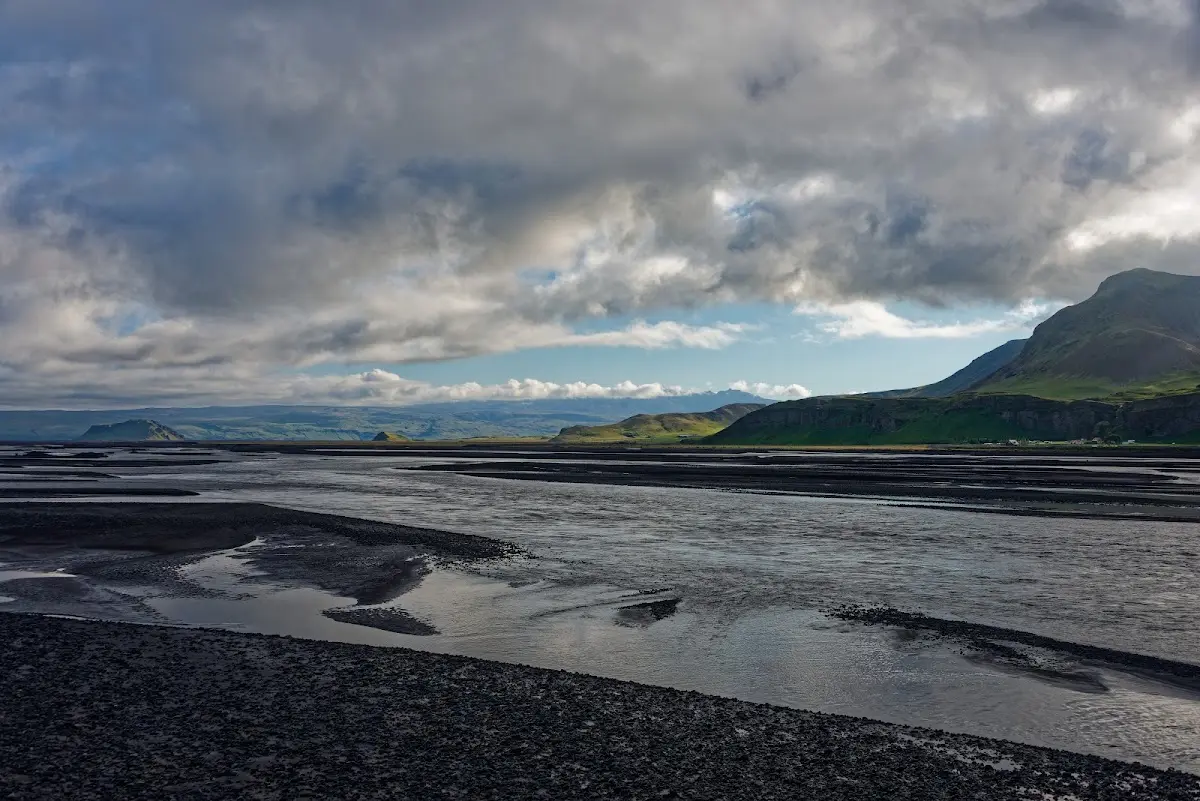
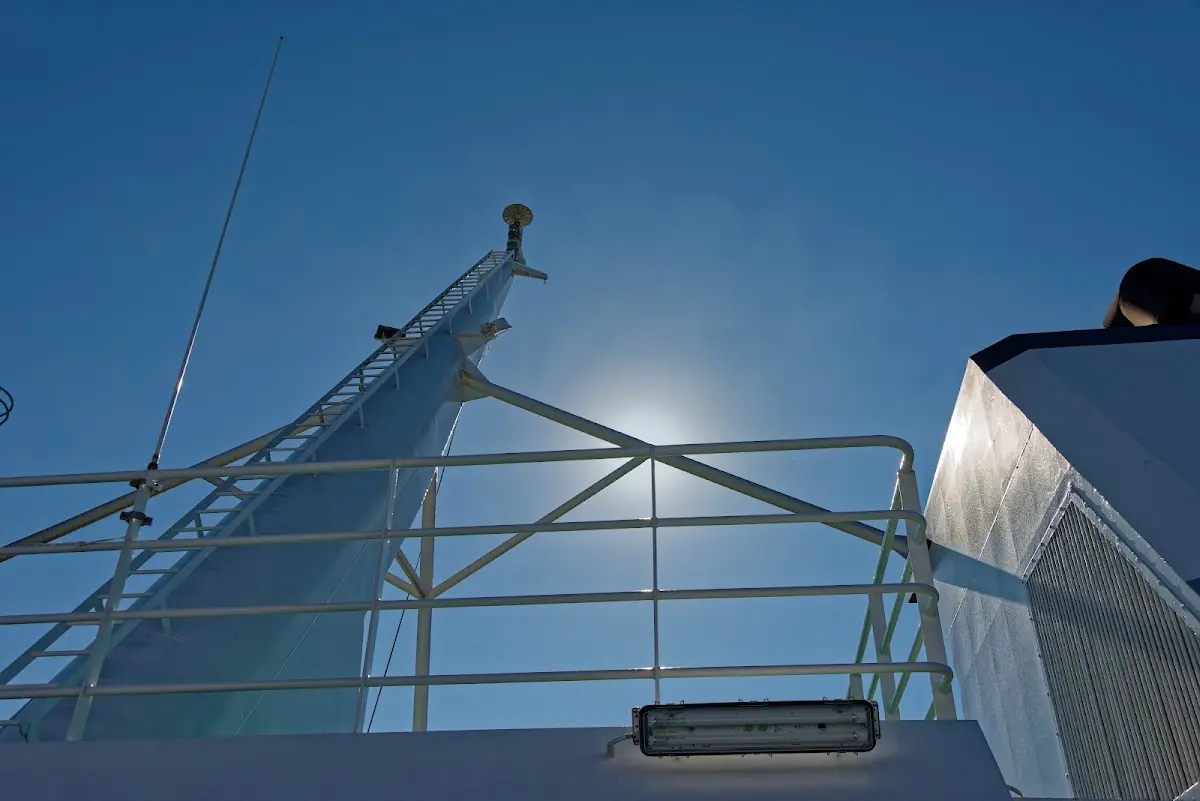
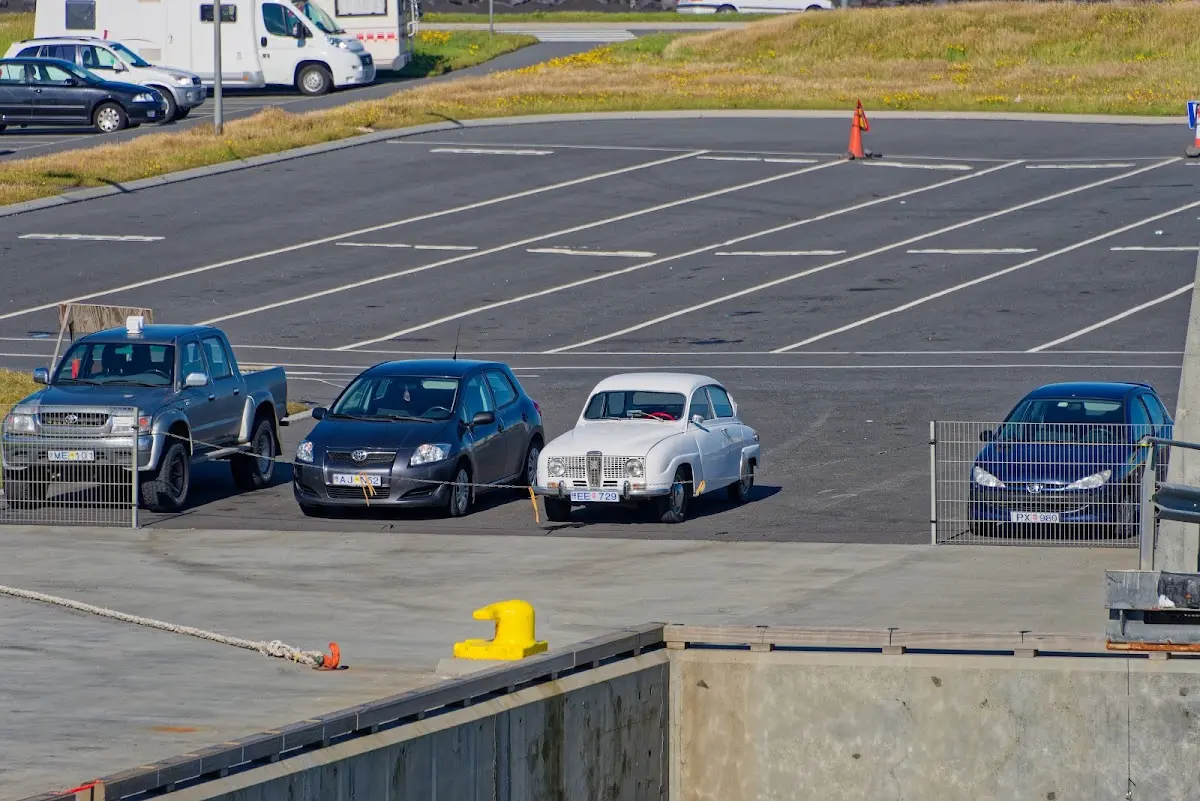
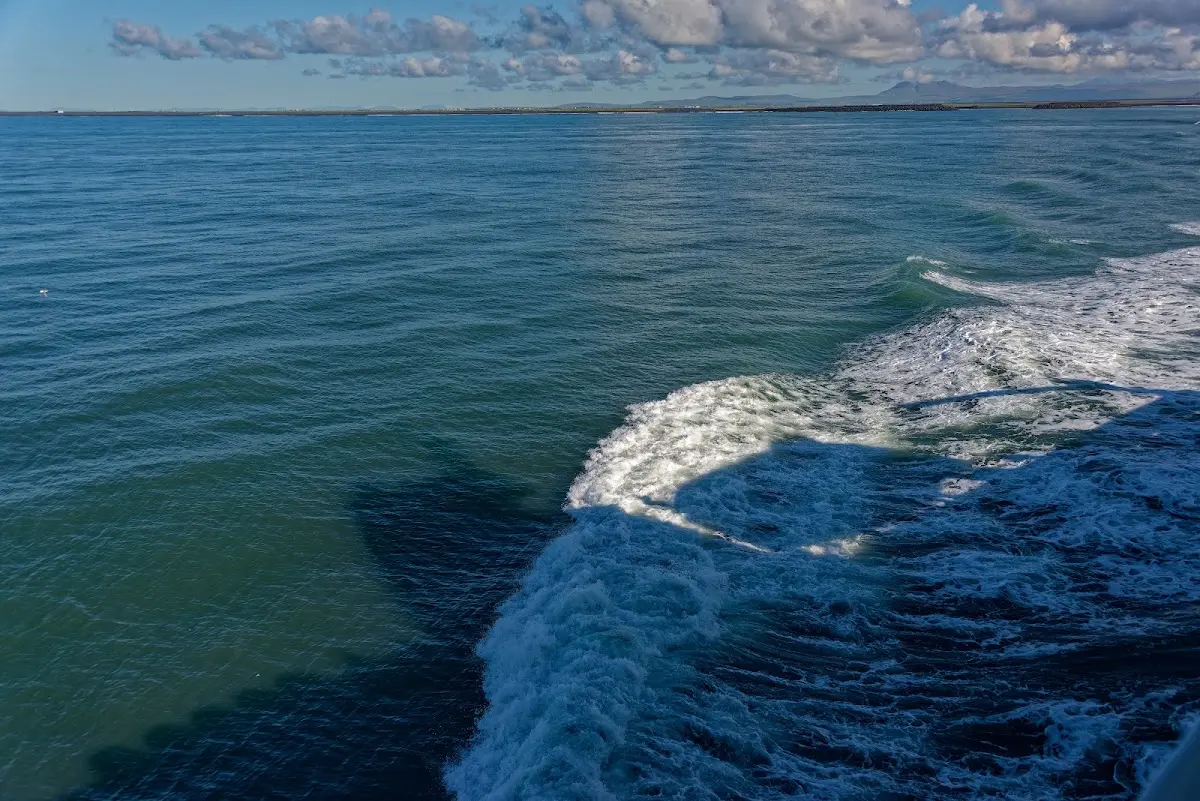
With the ferry Herjólfur the crossing from Landeyjahöfn to the main island Heimaey takes about 30 minutes.
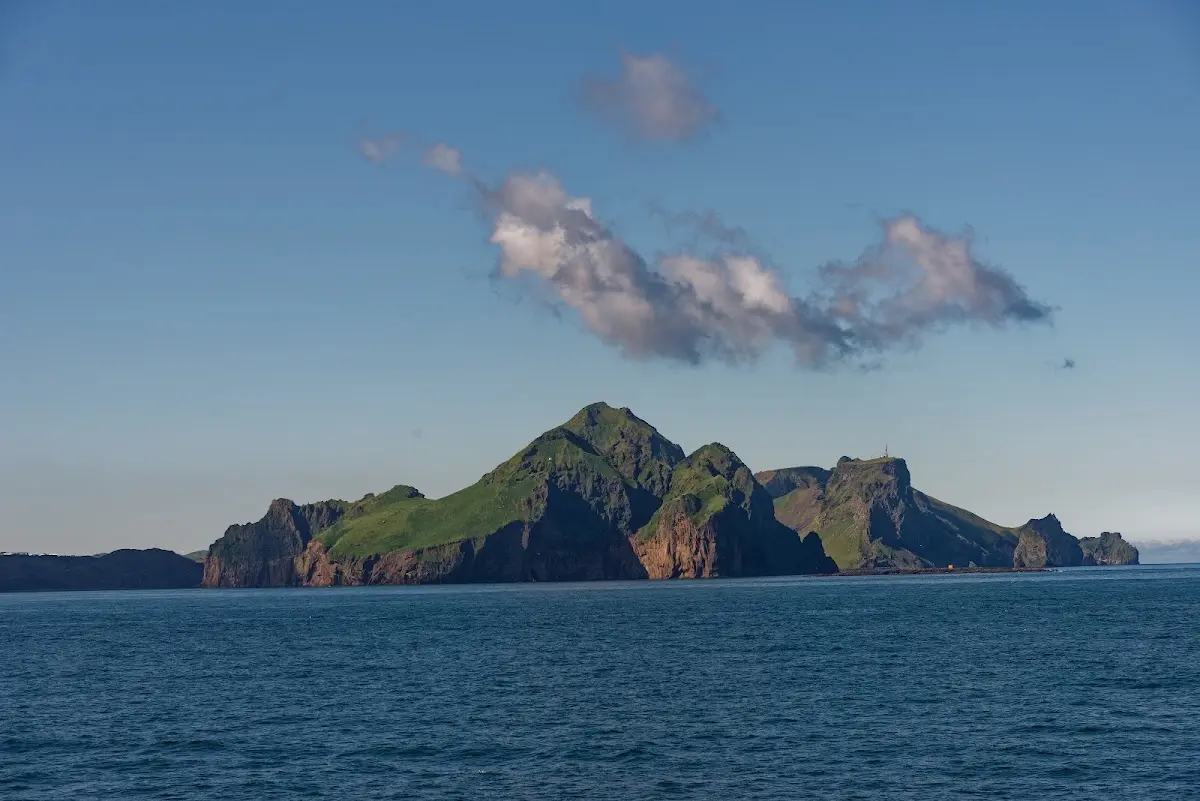
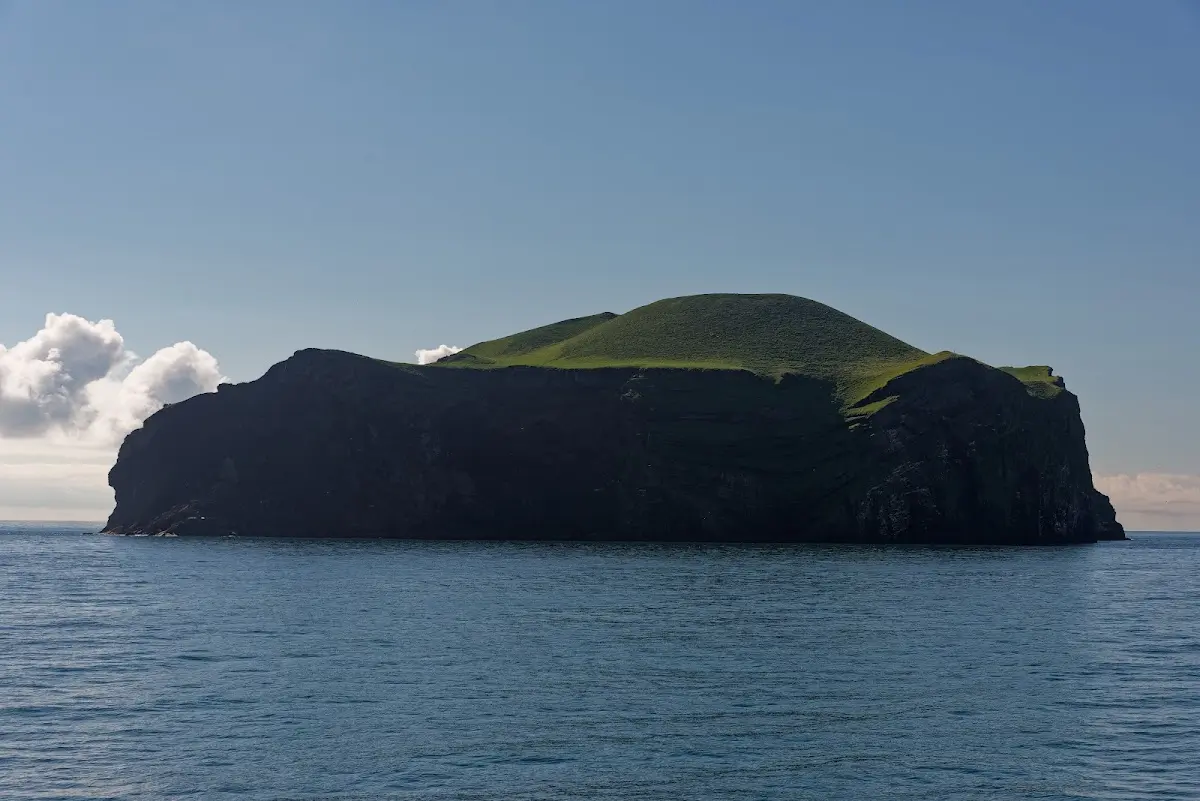
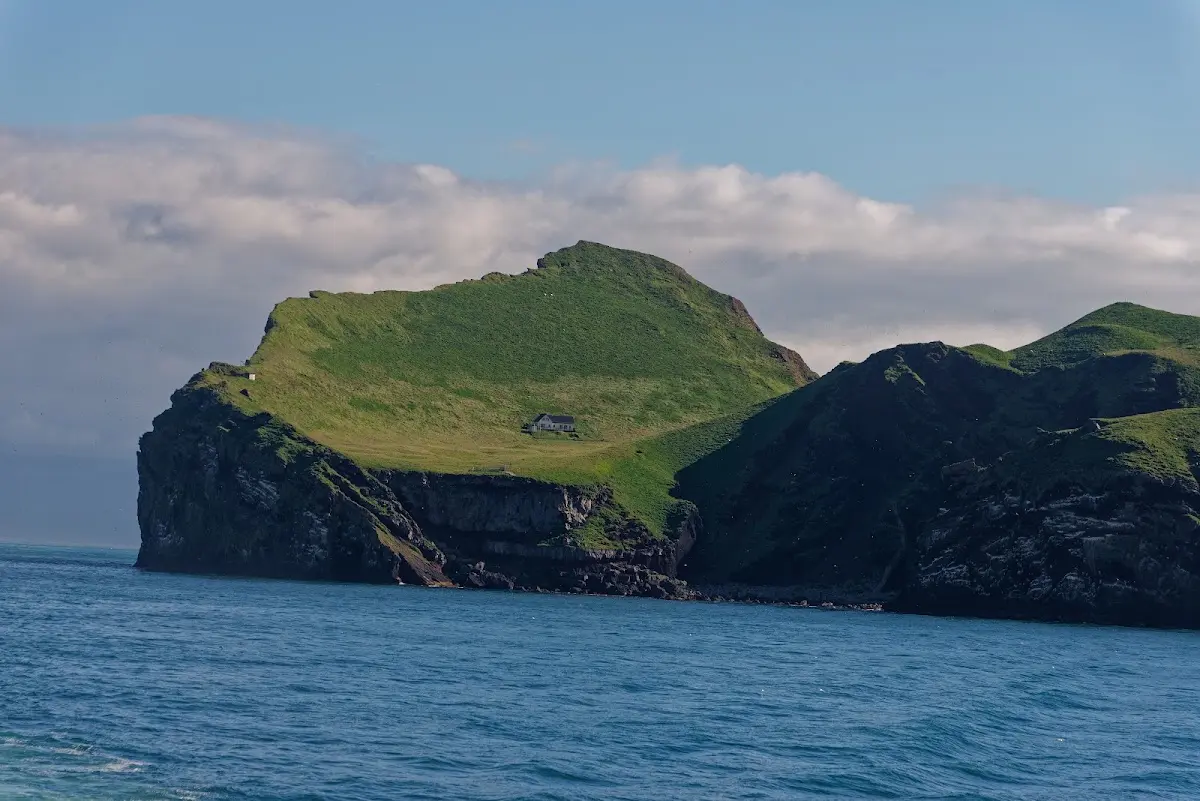
The name Vestmannaeyjar (in English, Westman Islands) is the story of two settlers and friendly chieftains. Hjörleifur Hróðmarsson settled with his clan on the Mýrdalssandur and was killed there by two of his Irish slaves, who then fled by boat to the islands off the coast. Ingólfur Arnarson, a friend of Hjörleifur, pursued the murderers and killed some of them on the island Heimaey. And as Norwegians at that time called the Irish Vestmenn, the islands were named Vestmannaeyjar.
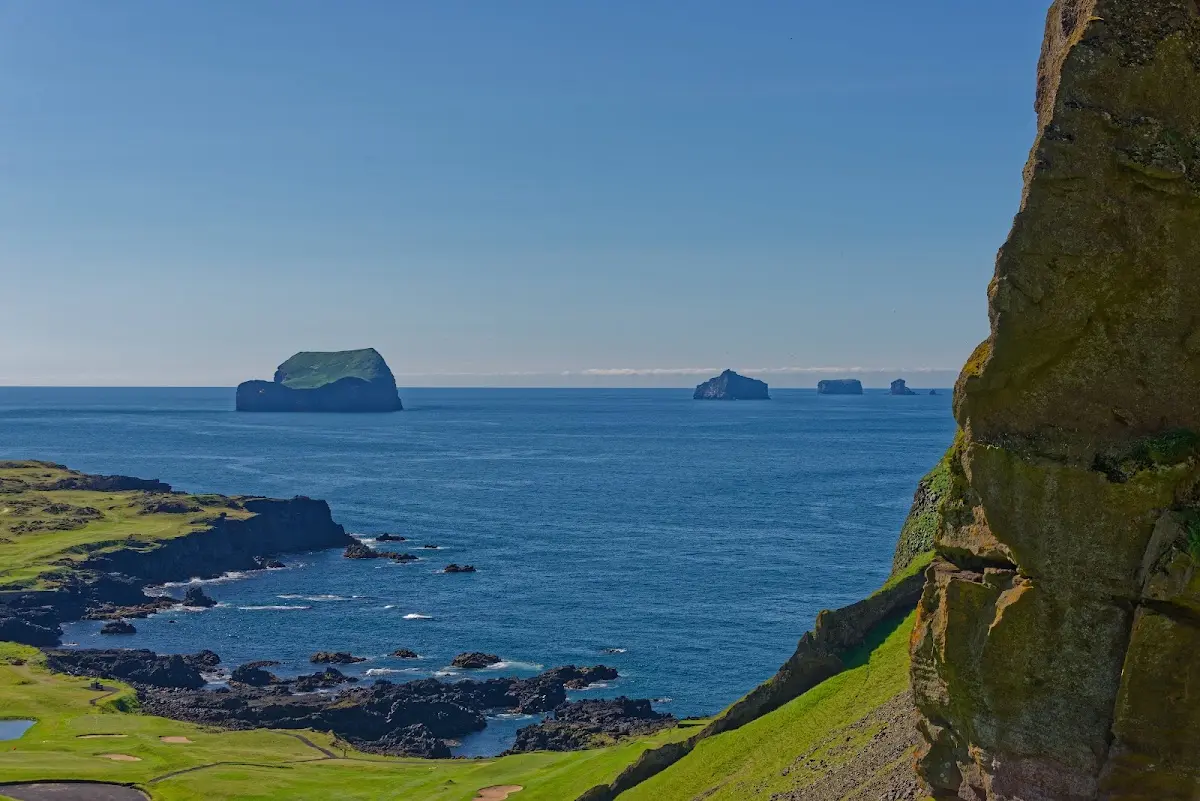
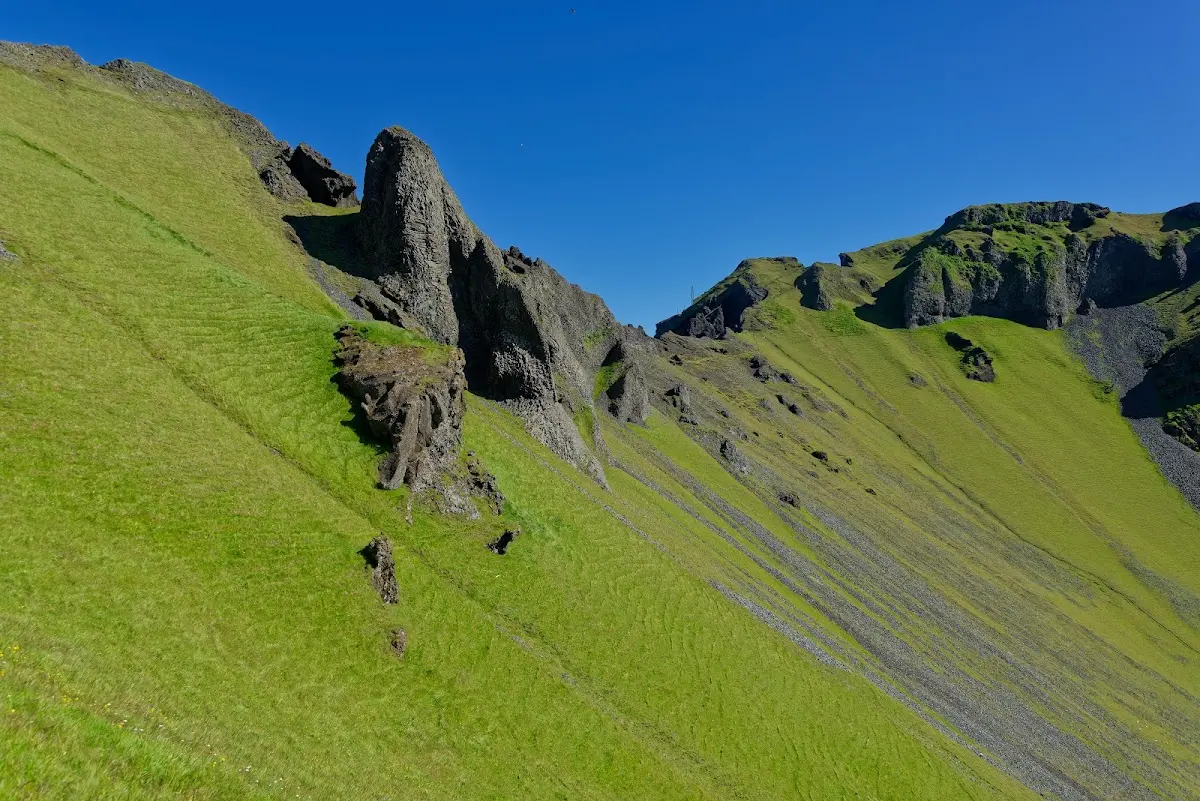
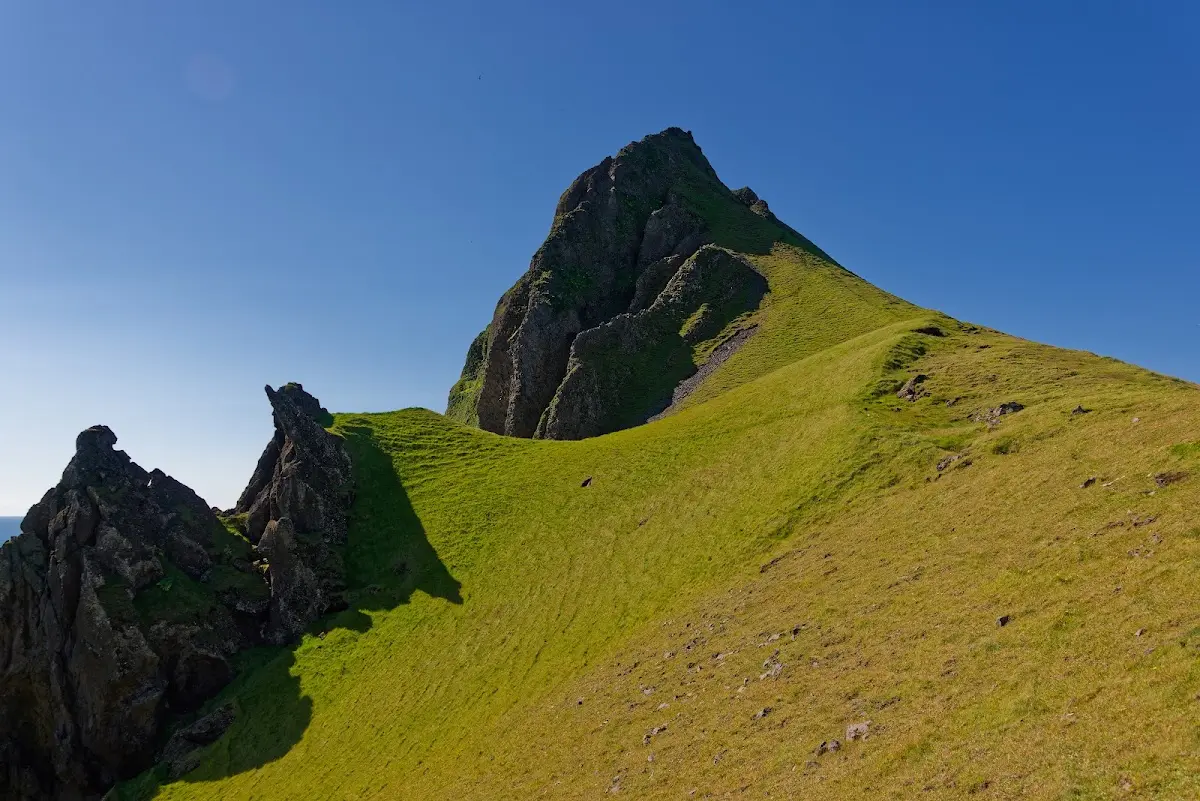
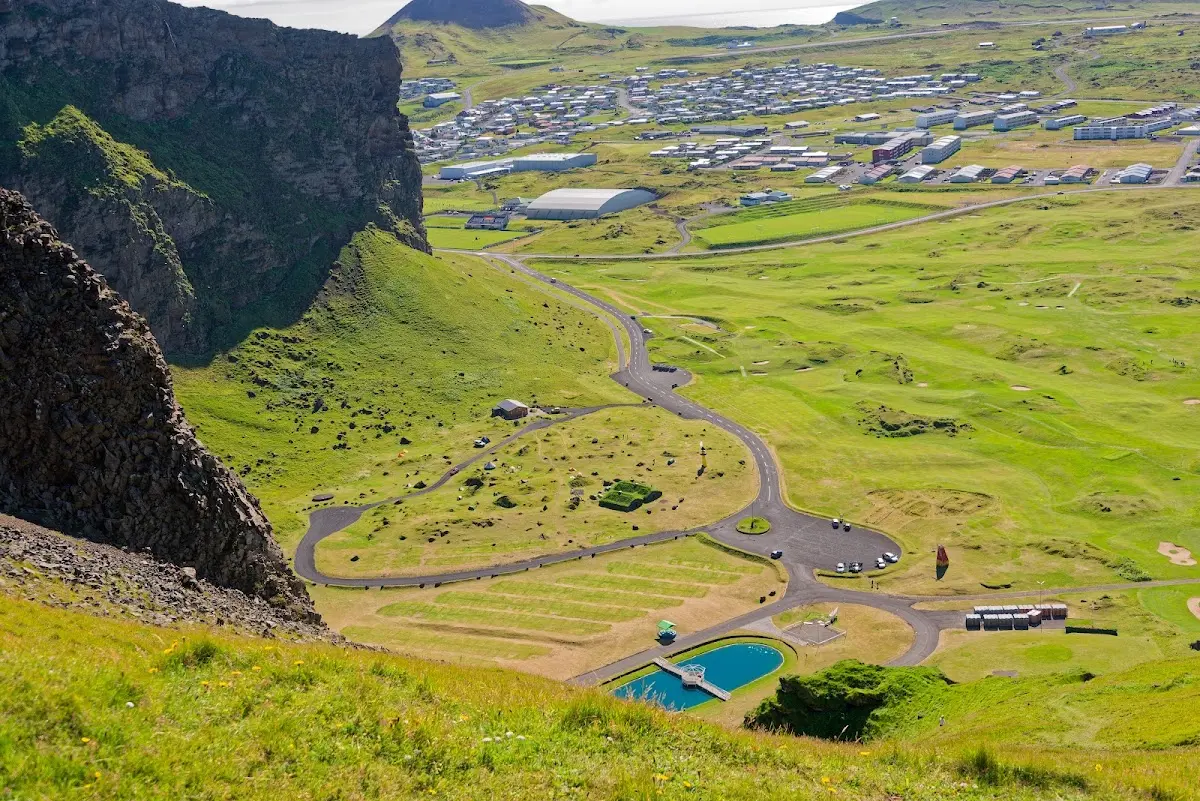
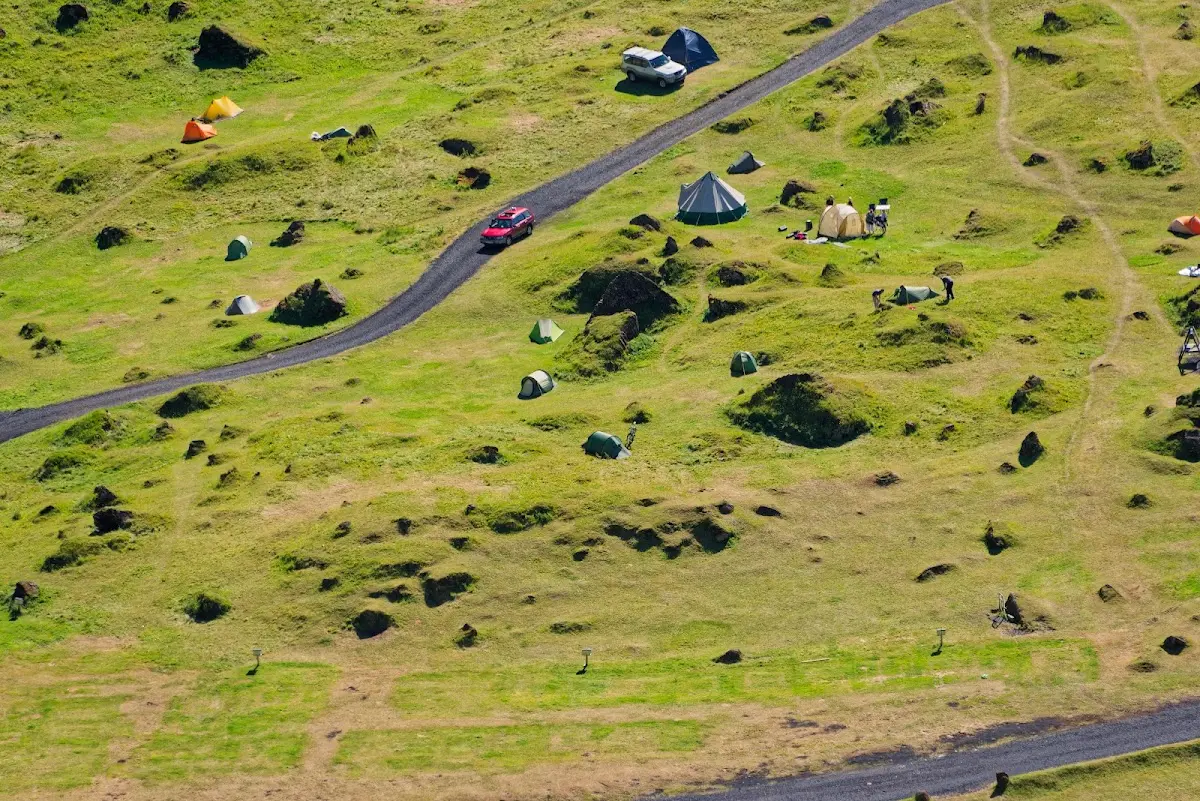
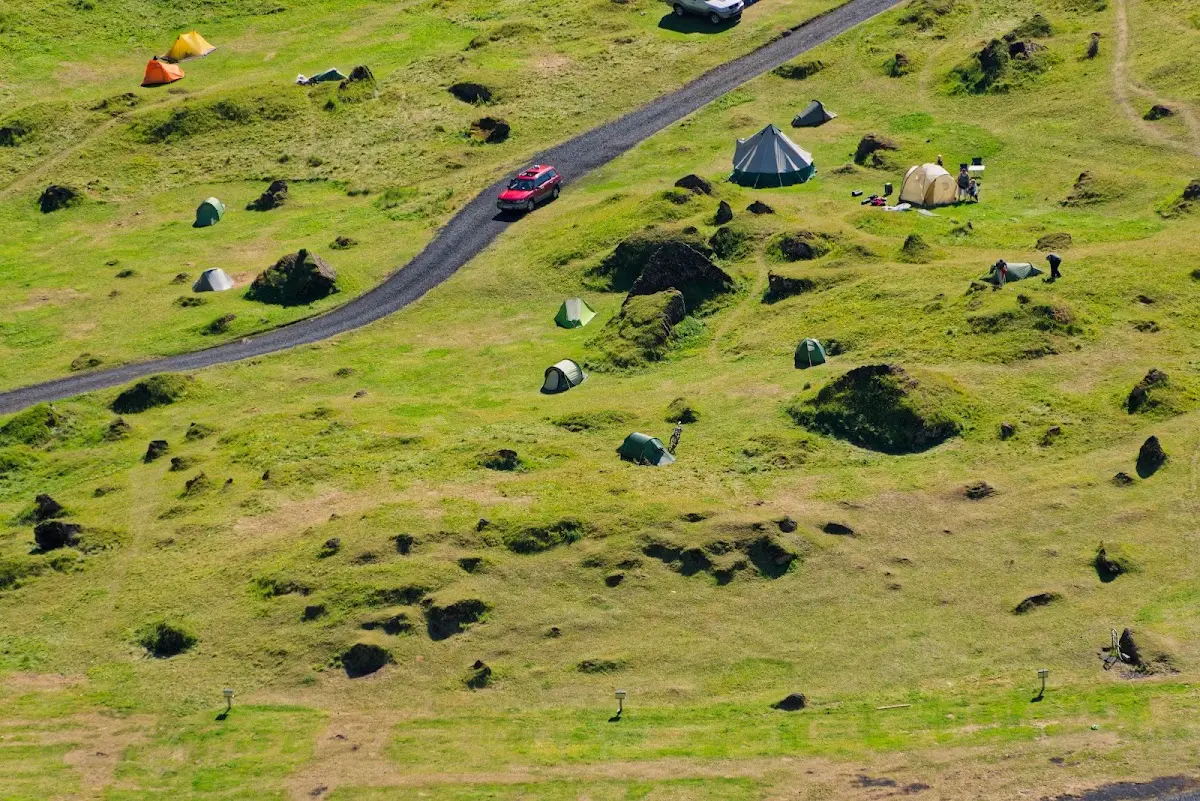
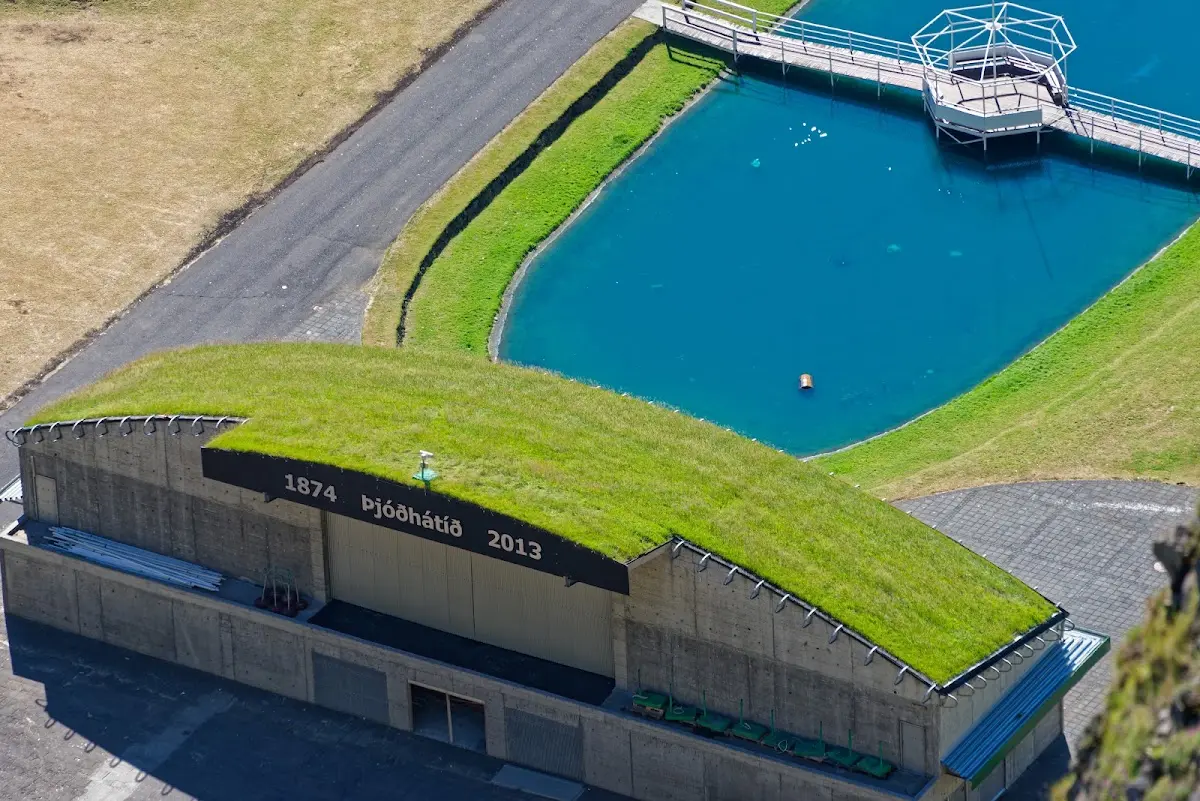
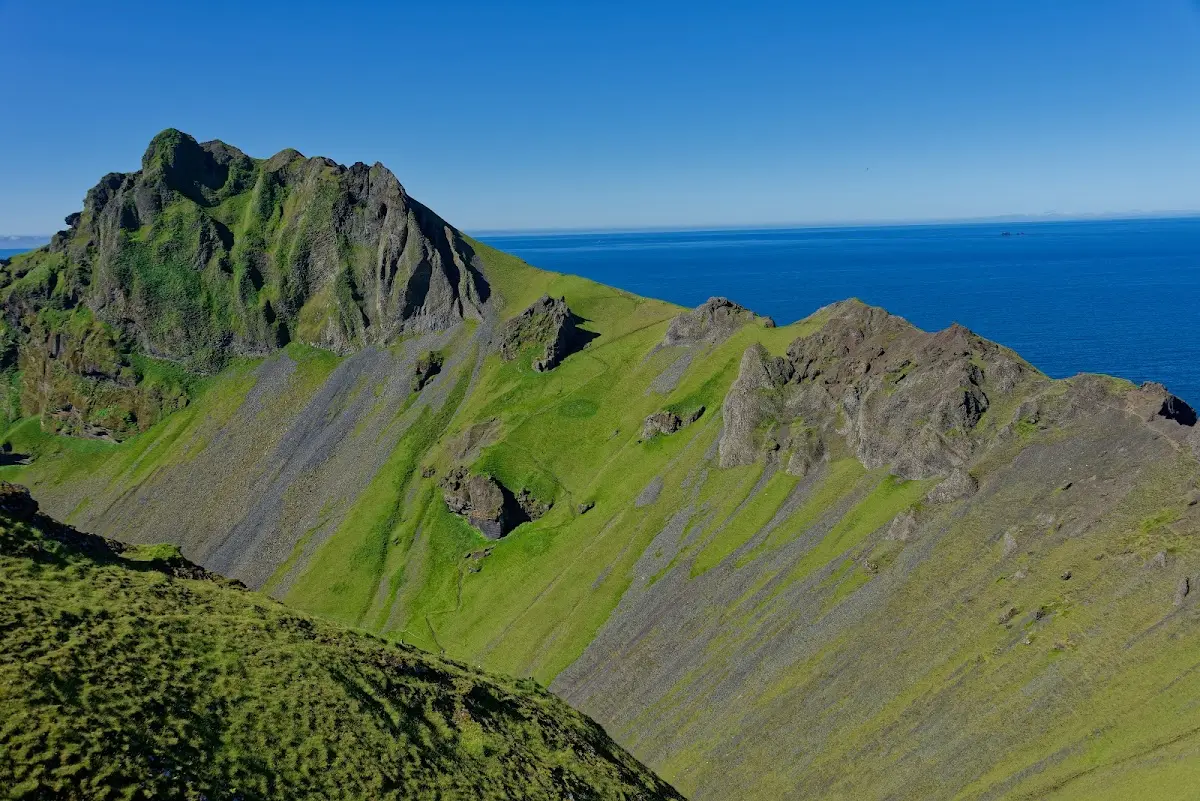
Near the campsite high cliffs rise, and in the next pictures I zoom in on my tent... At the beginning of August the festival Þjóðhátíð also takes place there, when about 15,000 people come together for concerts, big bonfires, fireworks and whatever else goes with it.
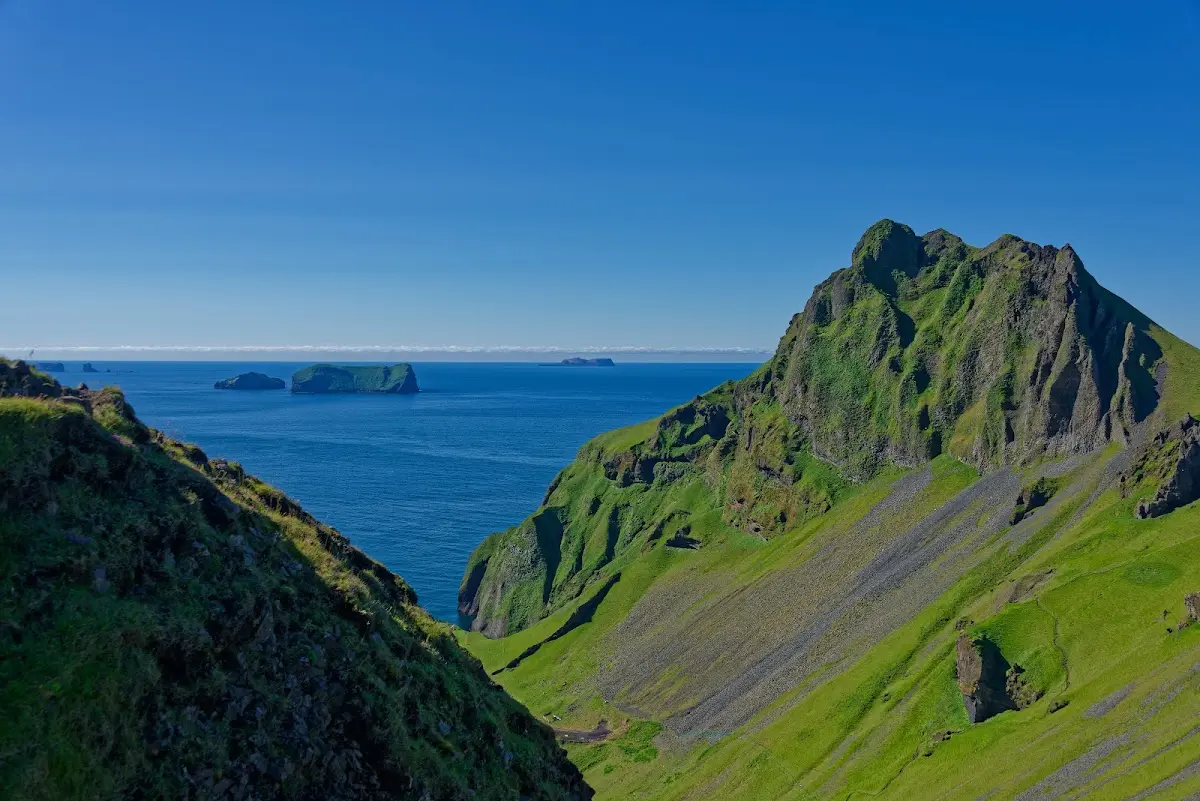
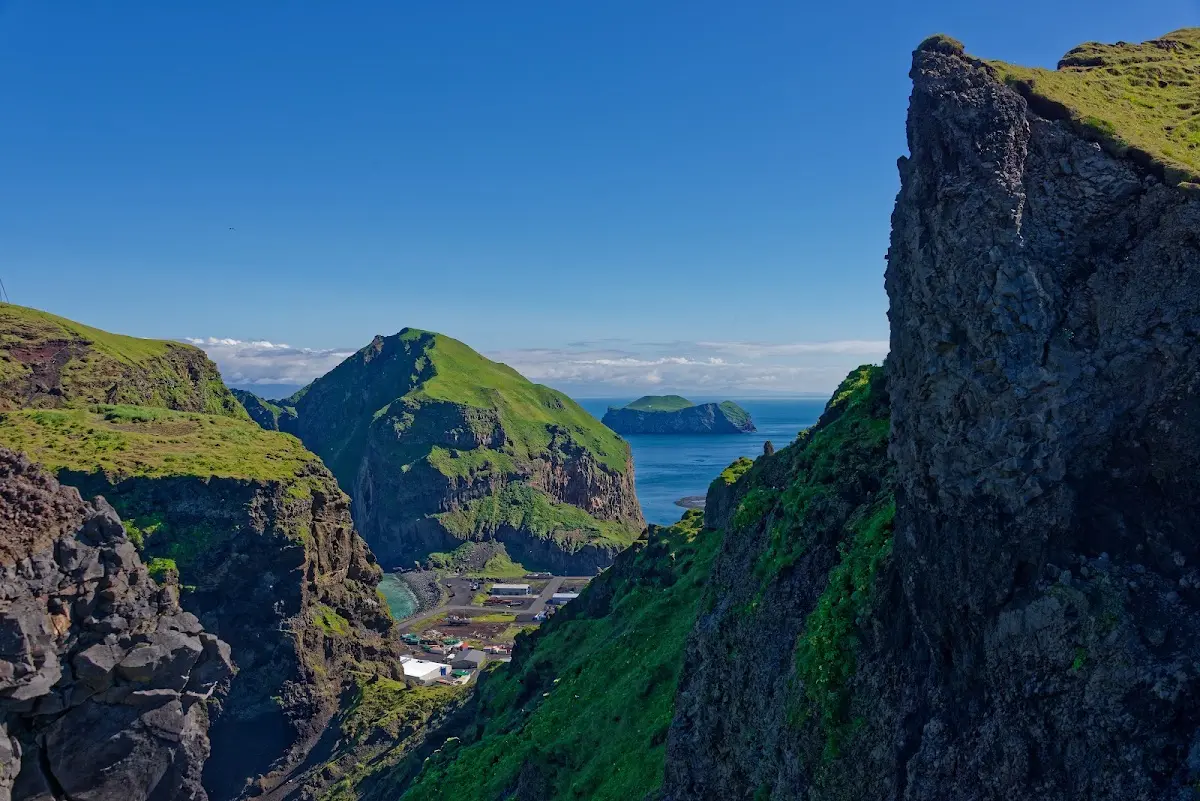
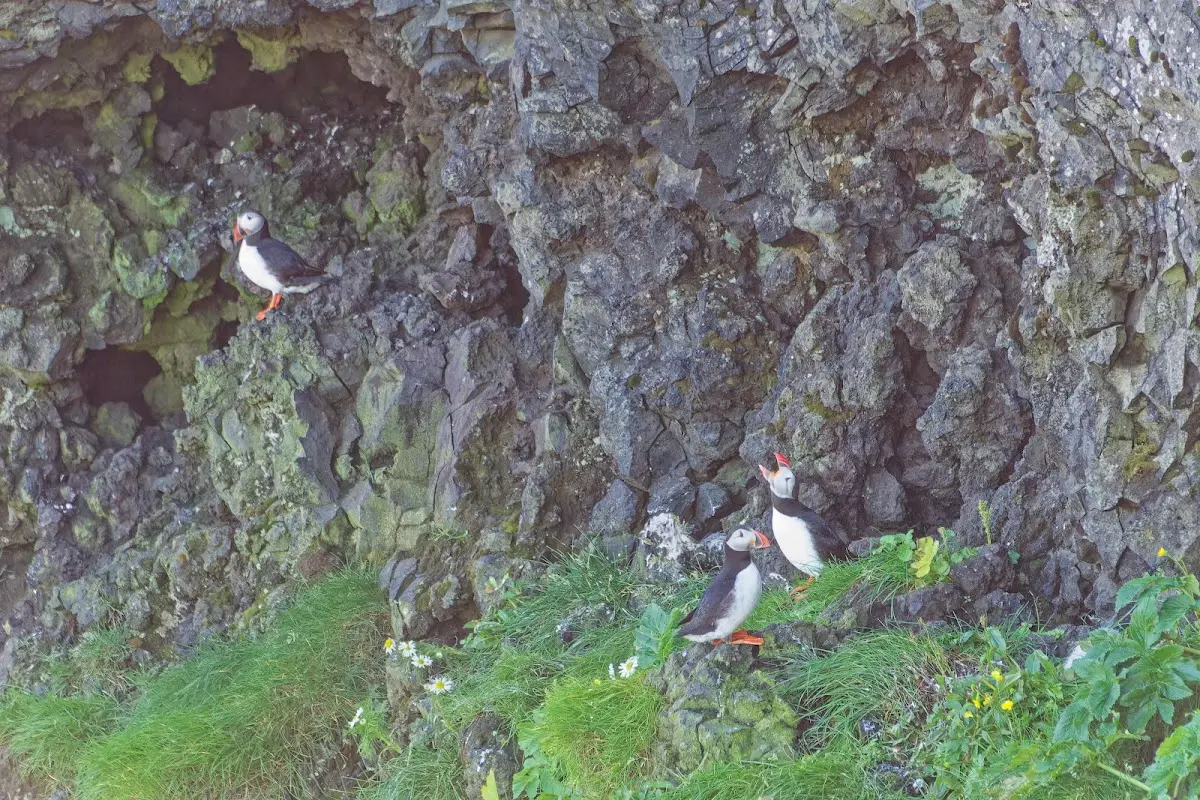
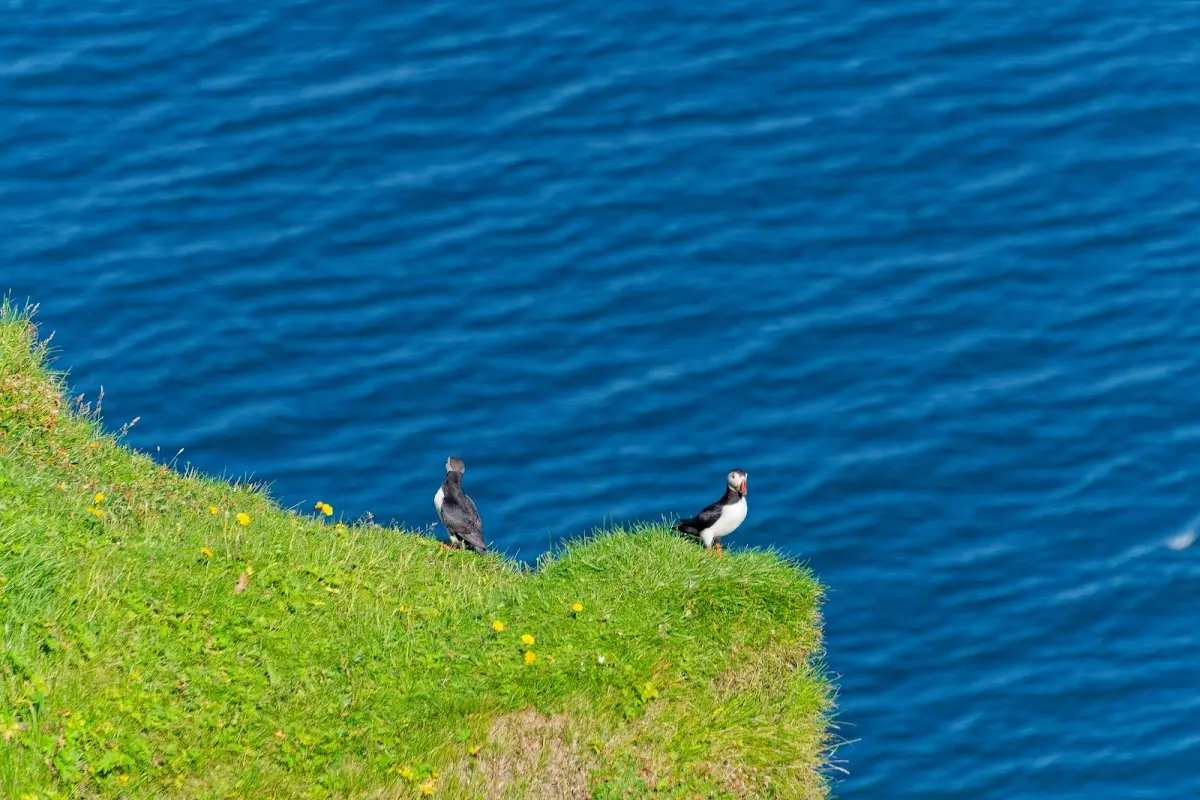
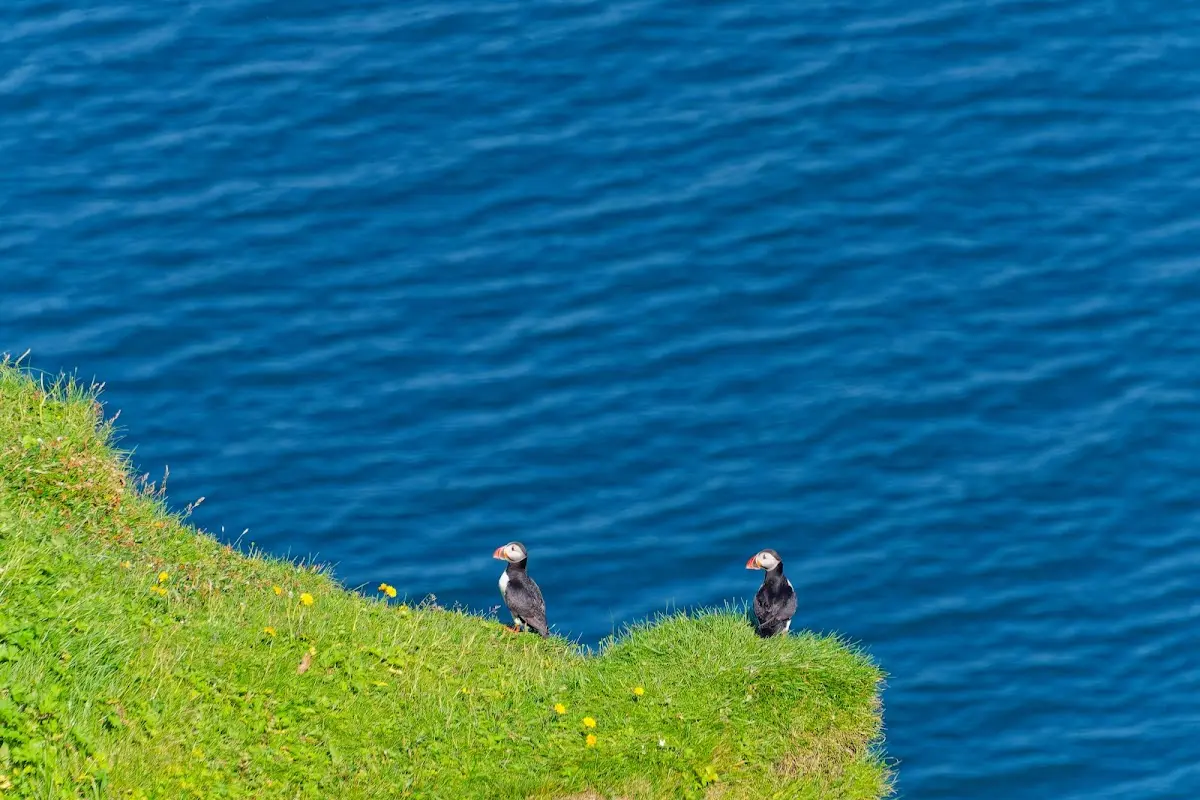
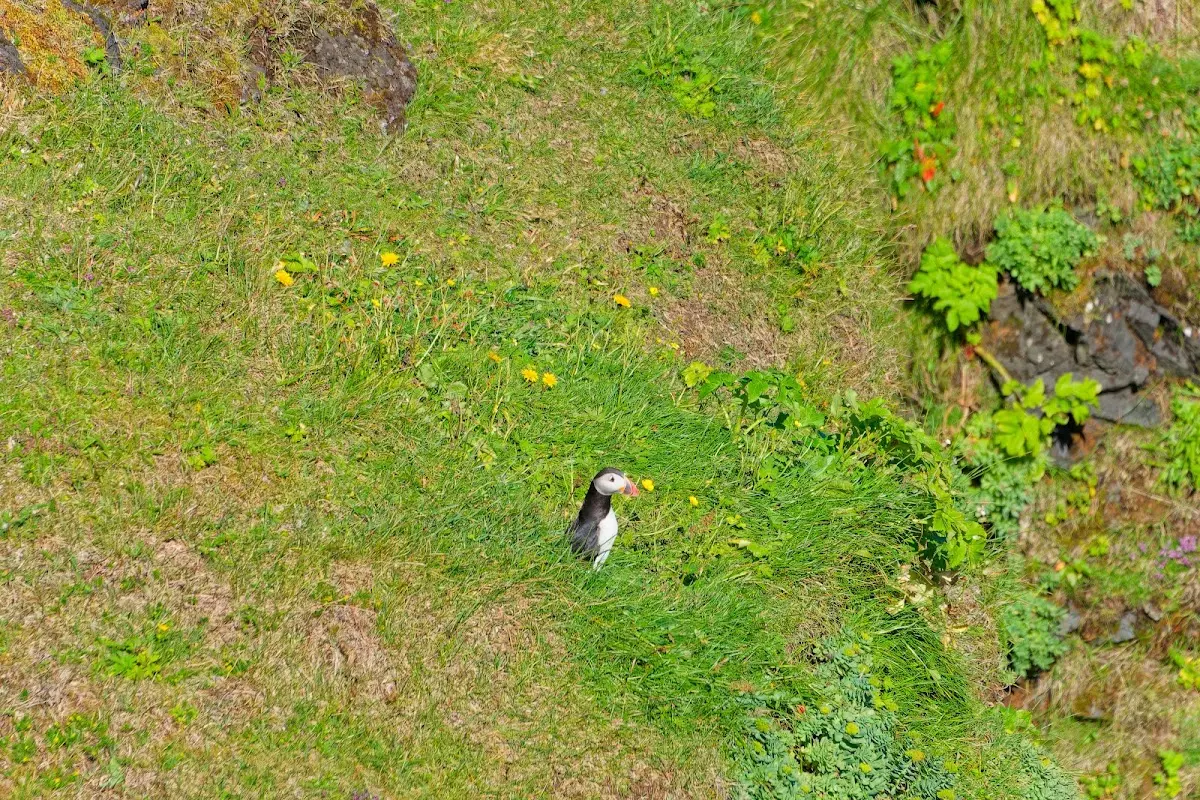
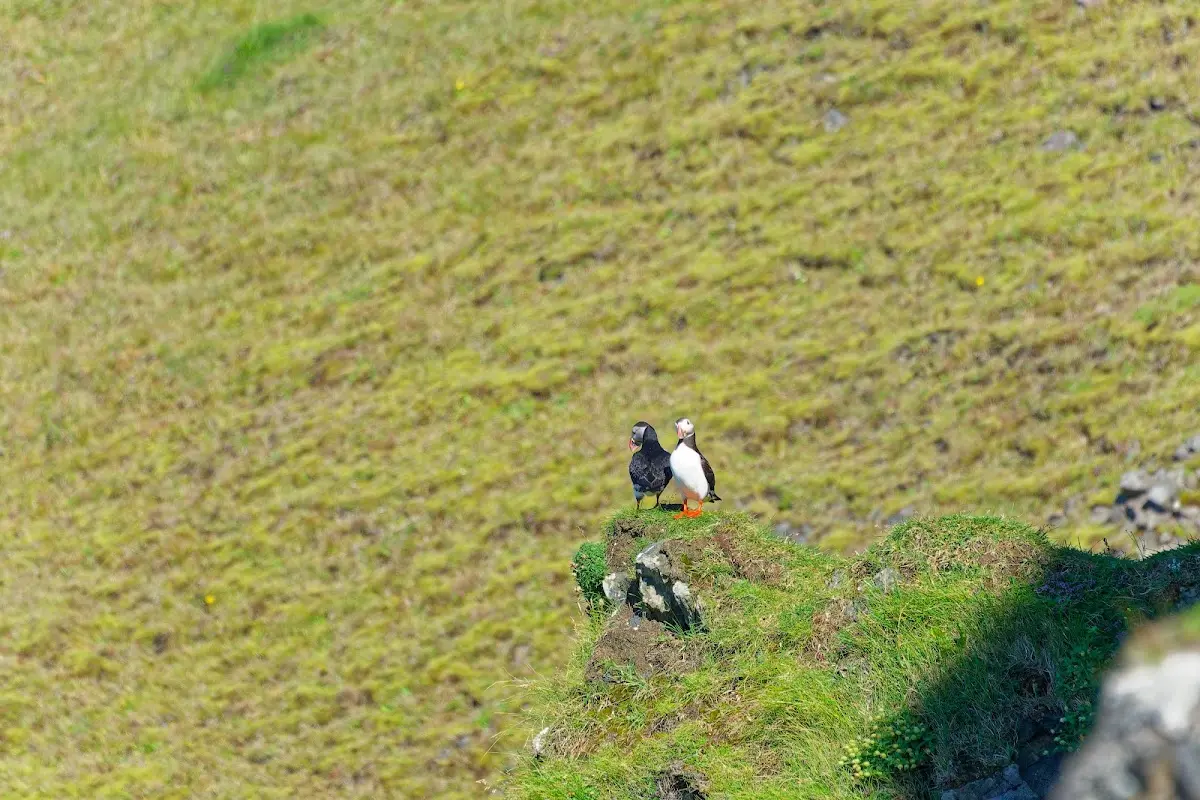
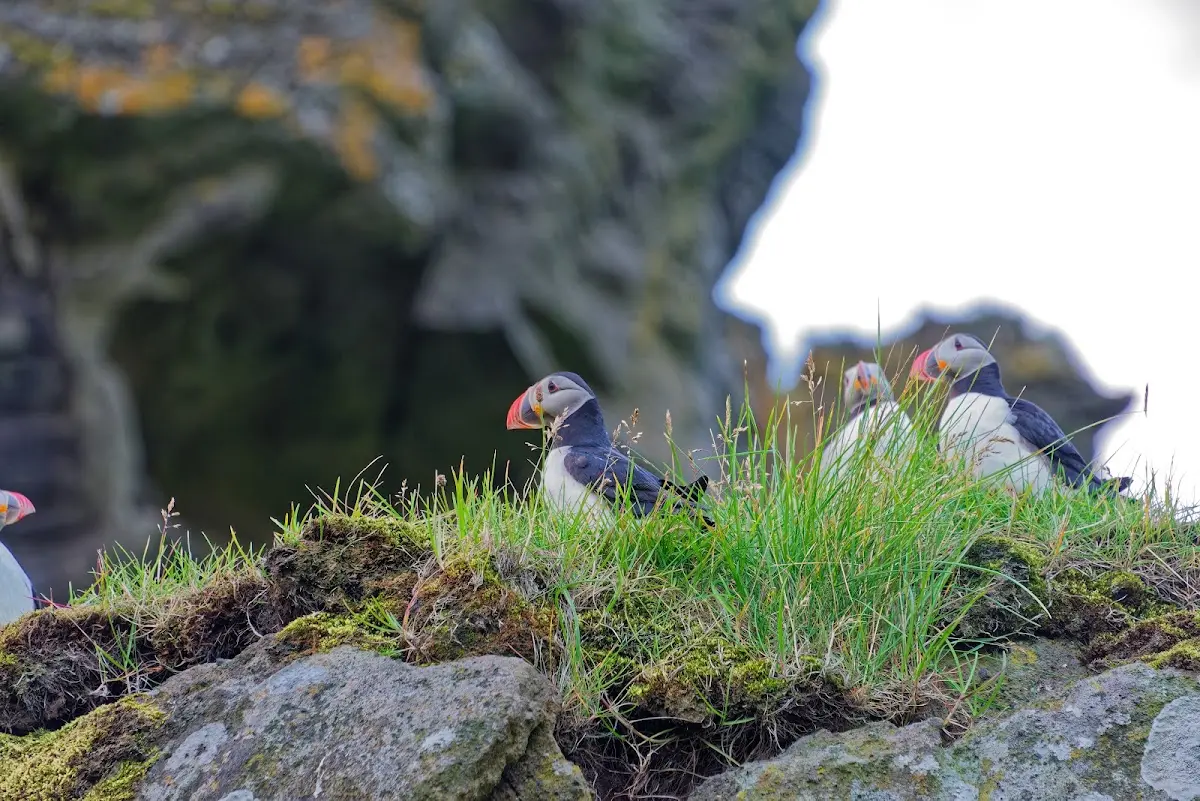
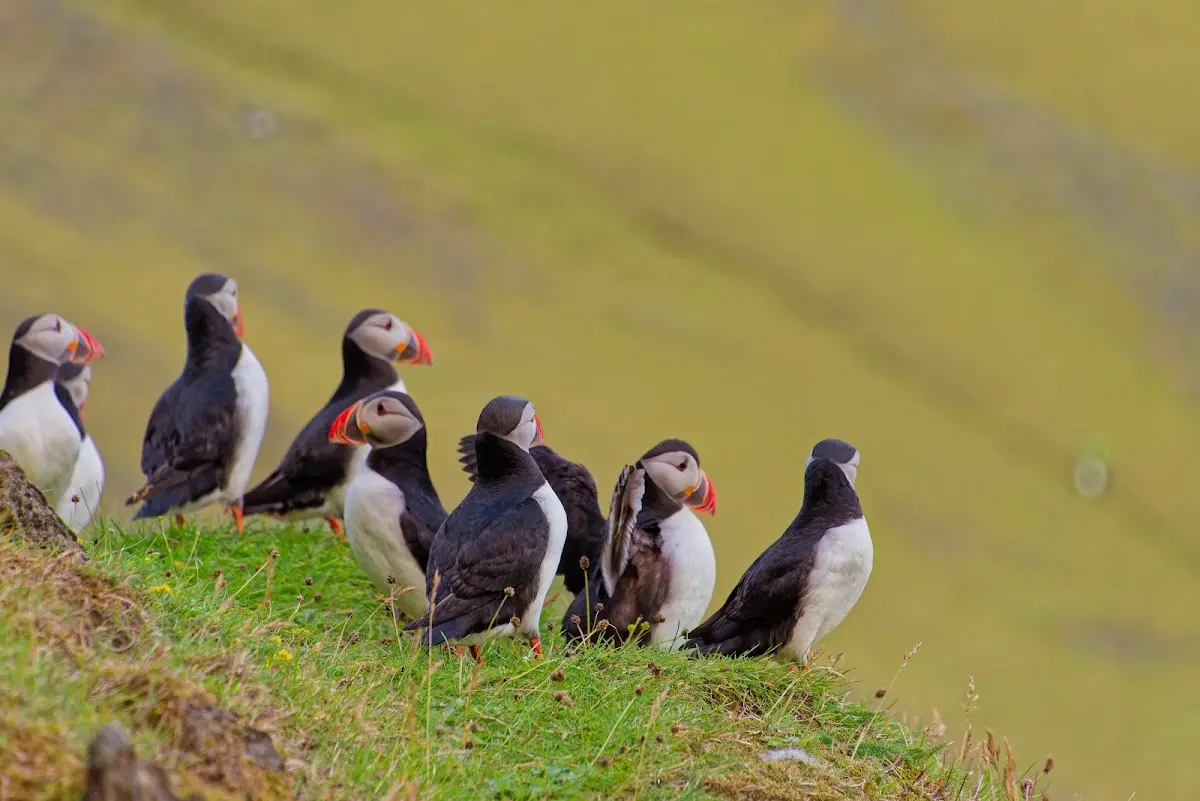
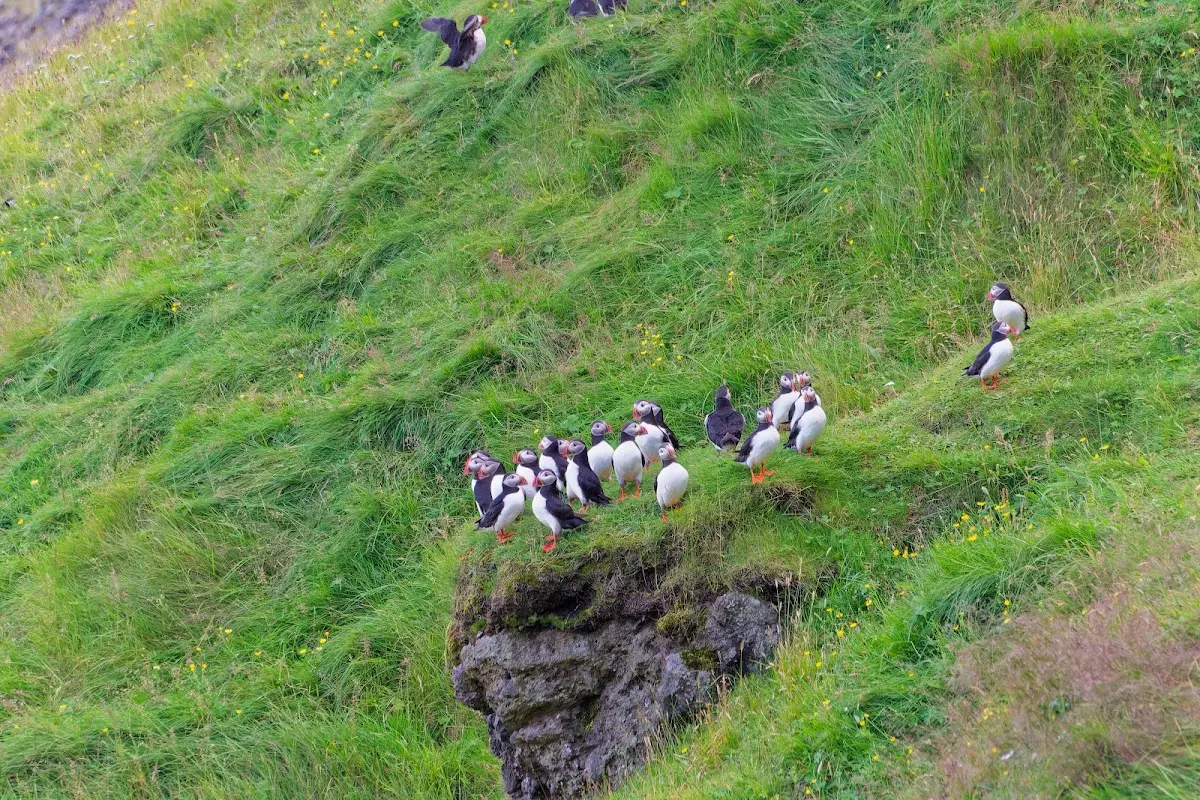
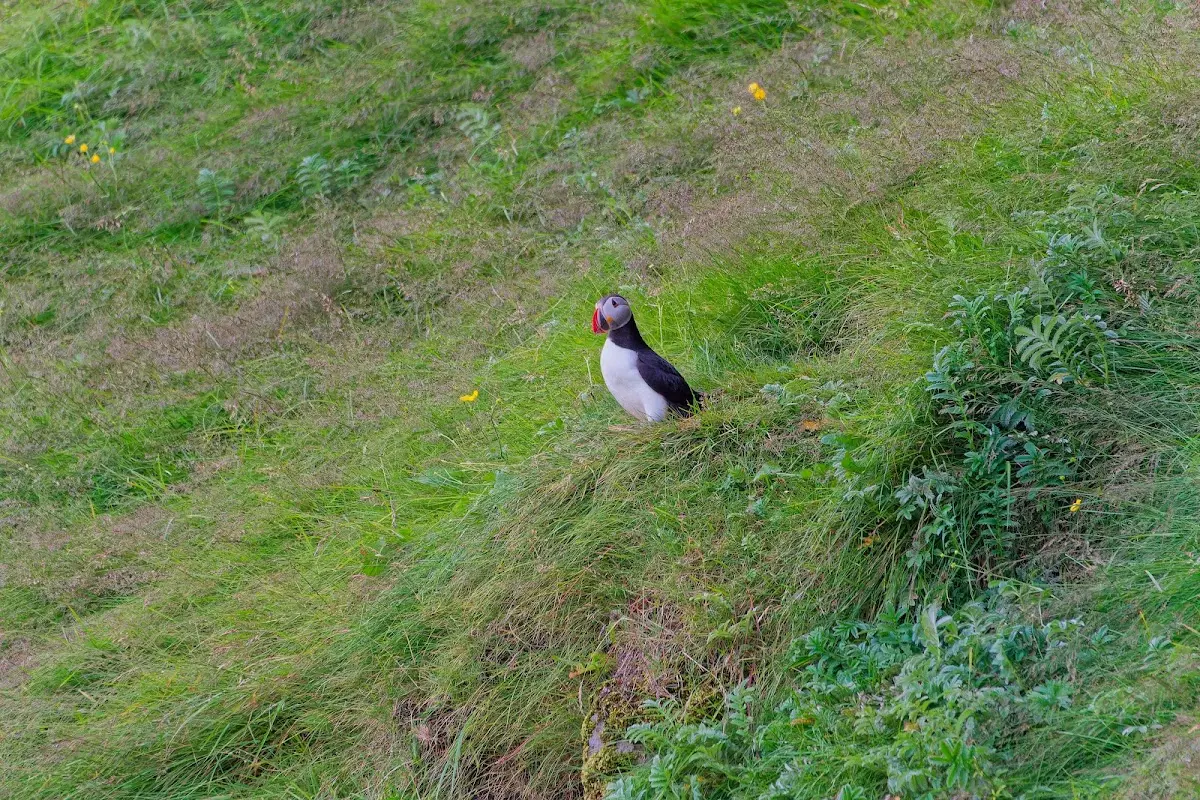
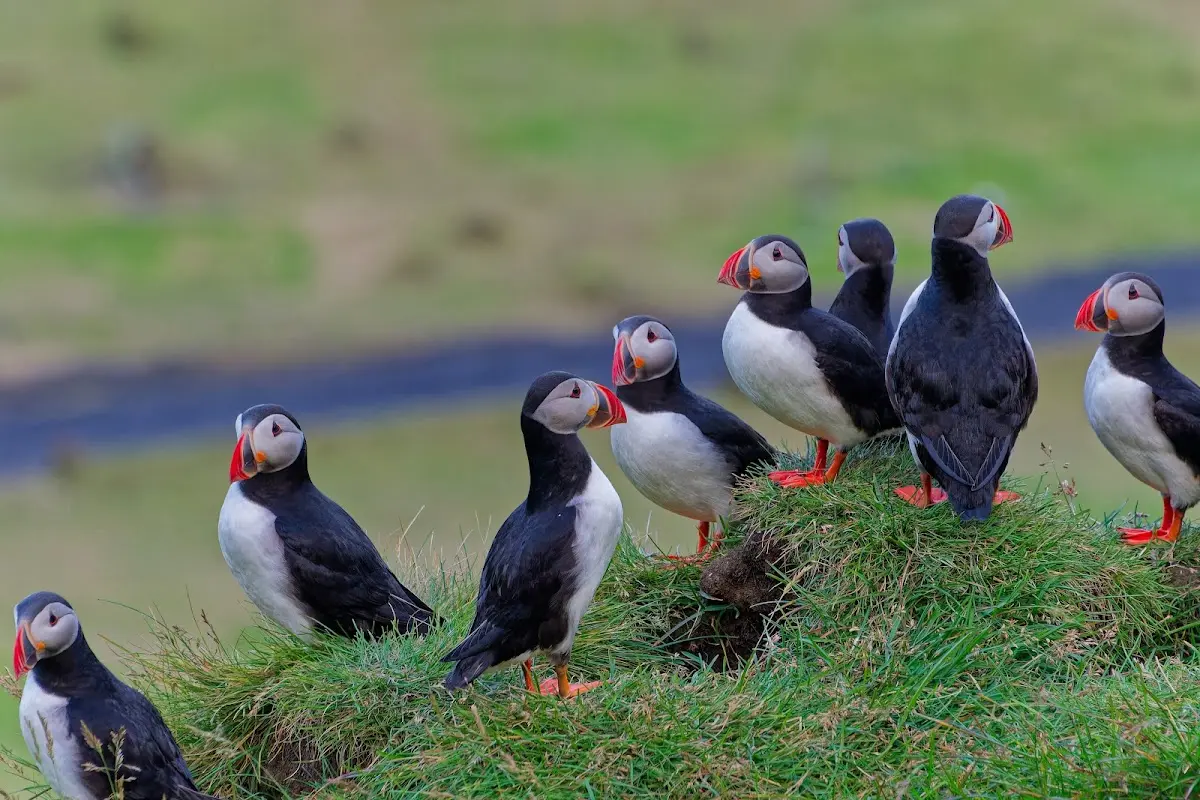
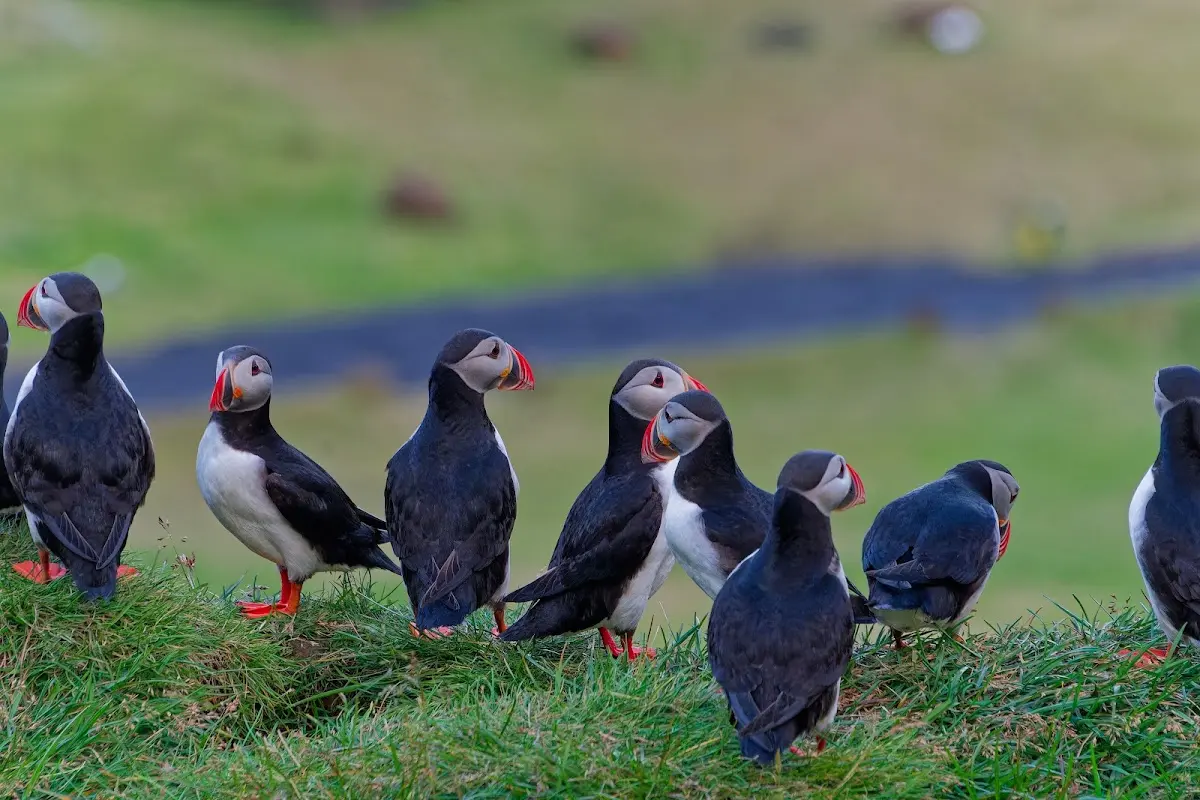
The puffins only show themselves in big numbers on the cliffs in the evening.
The best time of the football club ÍB Vestmannaeyja is a little way back, when they became Icelandic football champions three times (1979, 1997, 1998) and won the national cup four times (1968, 1972, 1981, 1998).
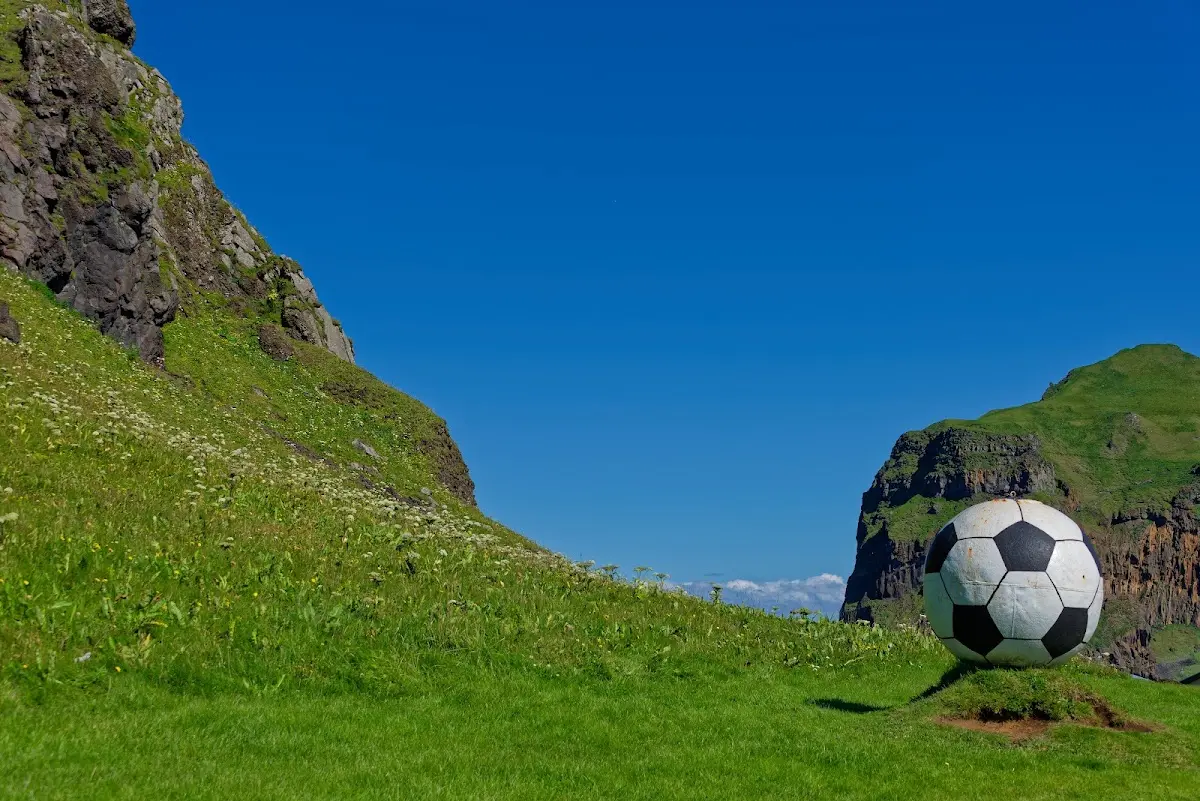
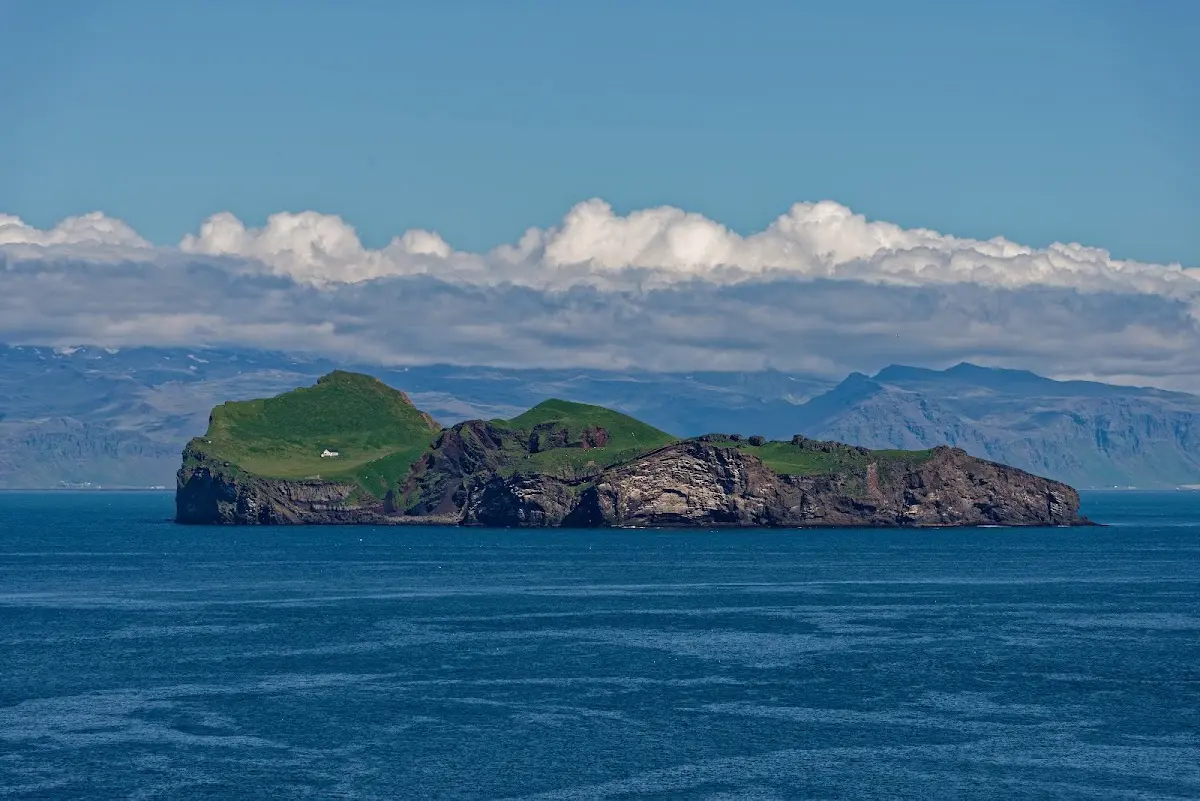
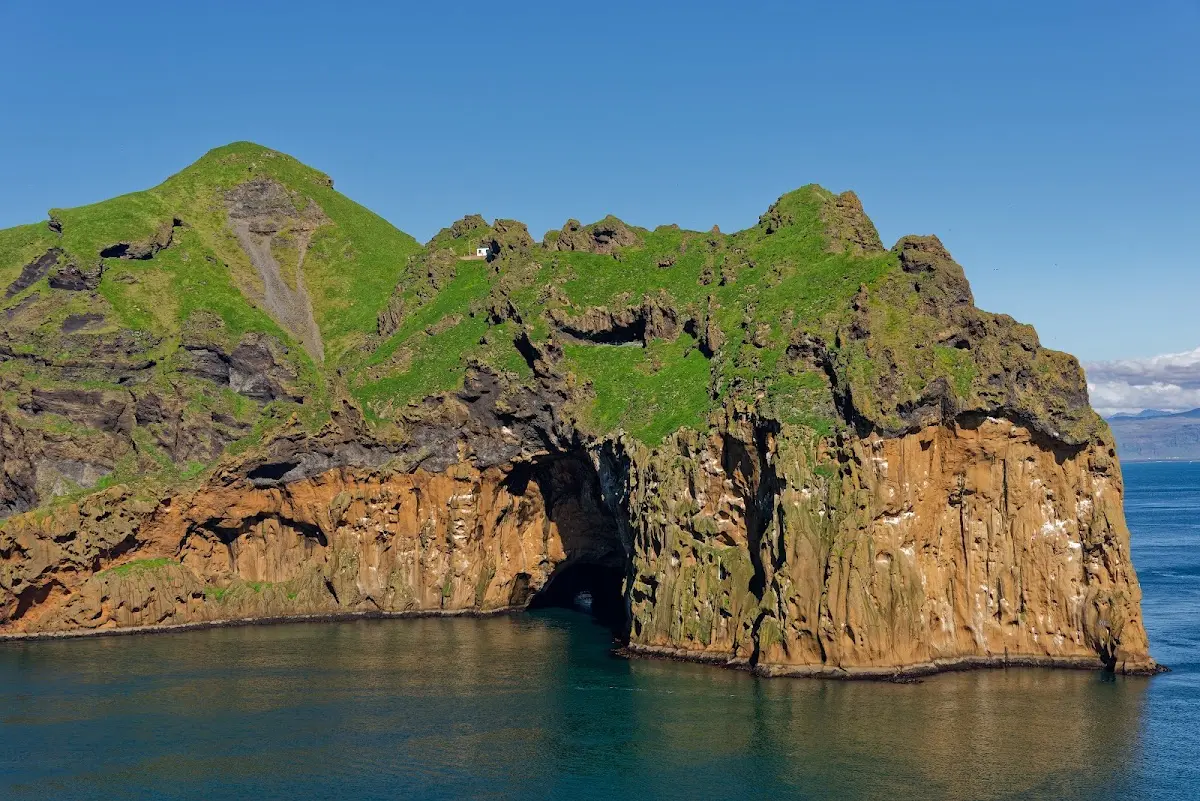
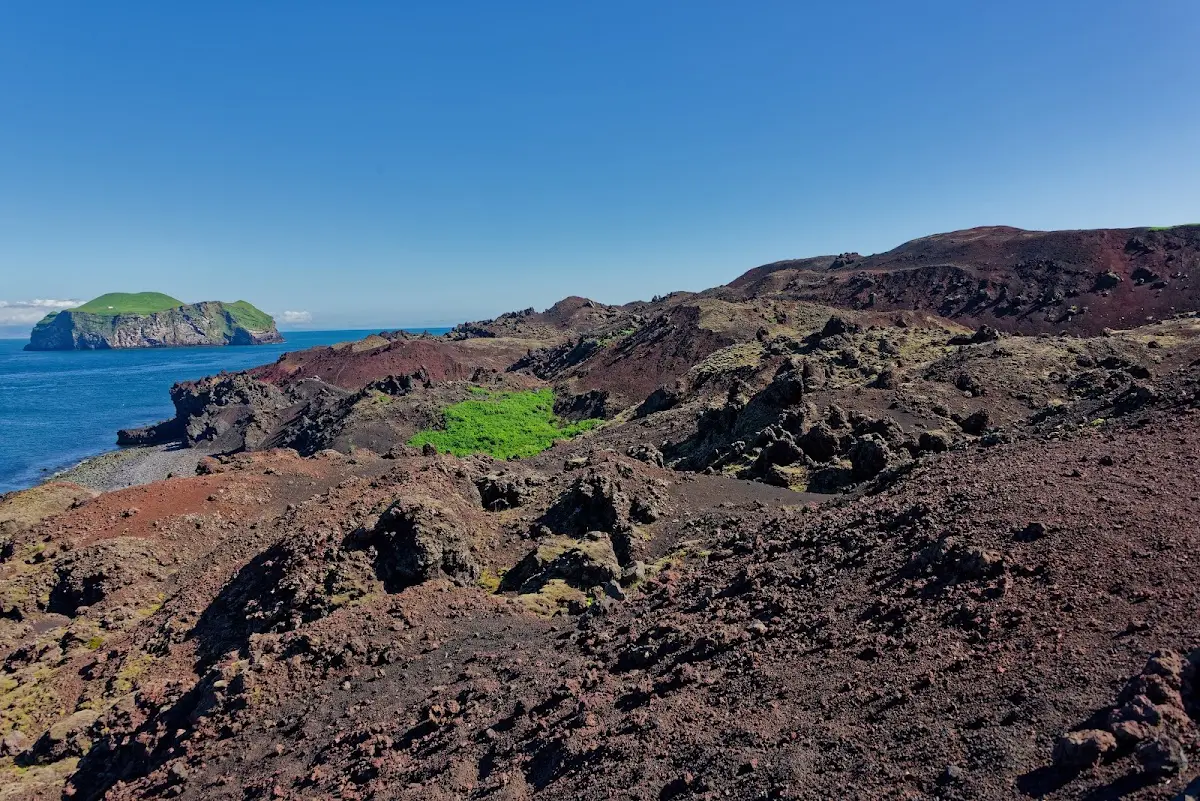
The Vestmannaeyjar are a very young group of islands, only about 70,000 to 100,000 years old, and sit on a thoroughly active volcanic system. In the northwest of the main island the tuff cone Háin and the cliffs Norðurklettar were formed in two eruptions about 8000 years ago. About 6000 years ago the islands Alsey, Brandur, Suðurey and Hellisey emerged from the sea. The crater Stórhöfði and the cone Sæfell are about 4500 years old. The most recent eruptions were between 1963-67, when the island Surtsey was formed, and in 1973 the eruption of Eldfell on Heimaey, when all the inhabitants had to be evacuated from the island.
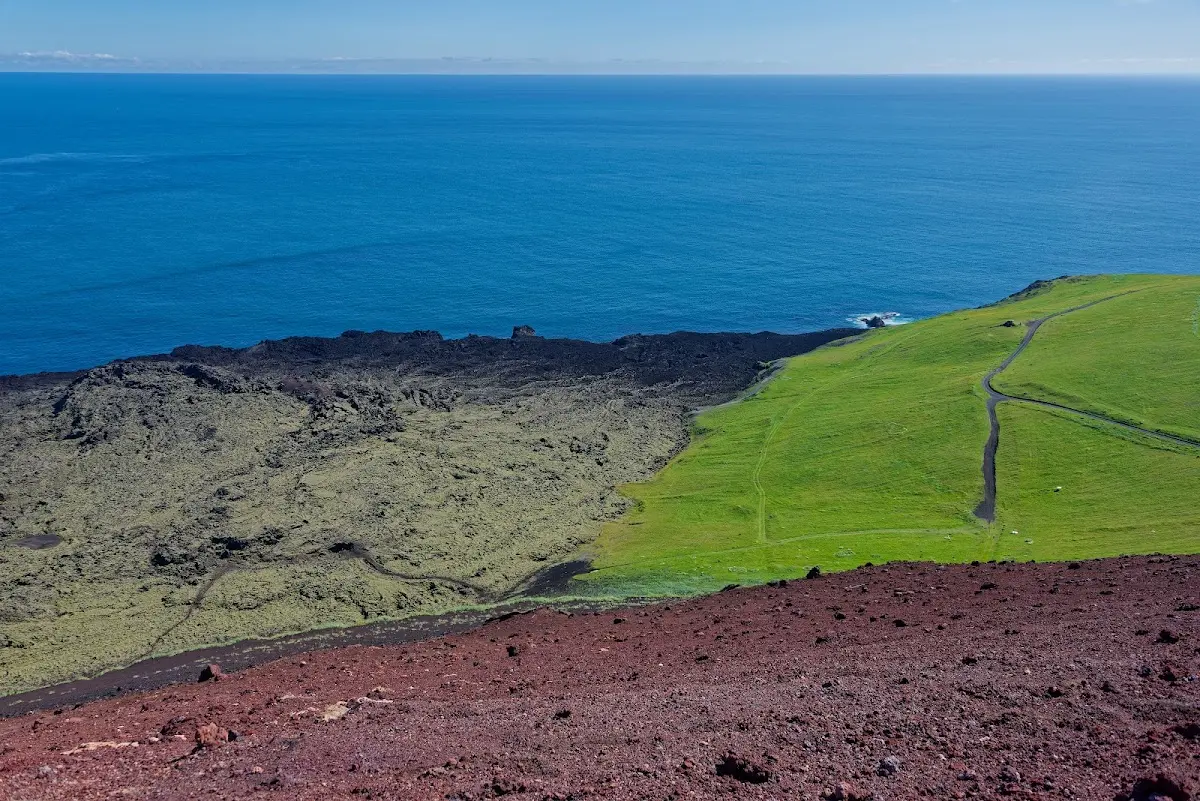
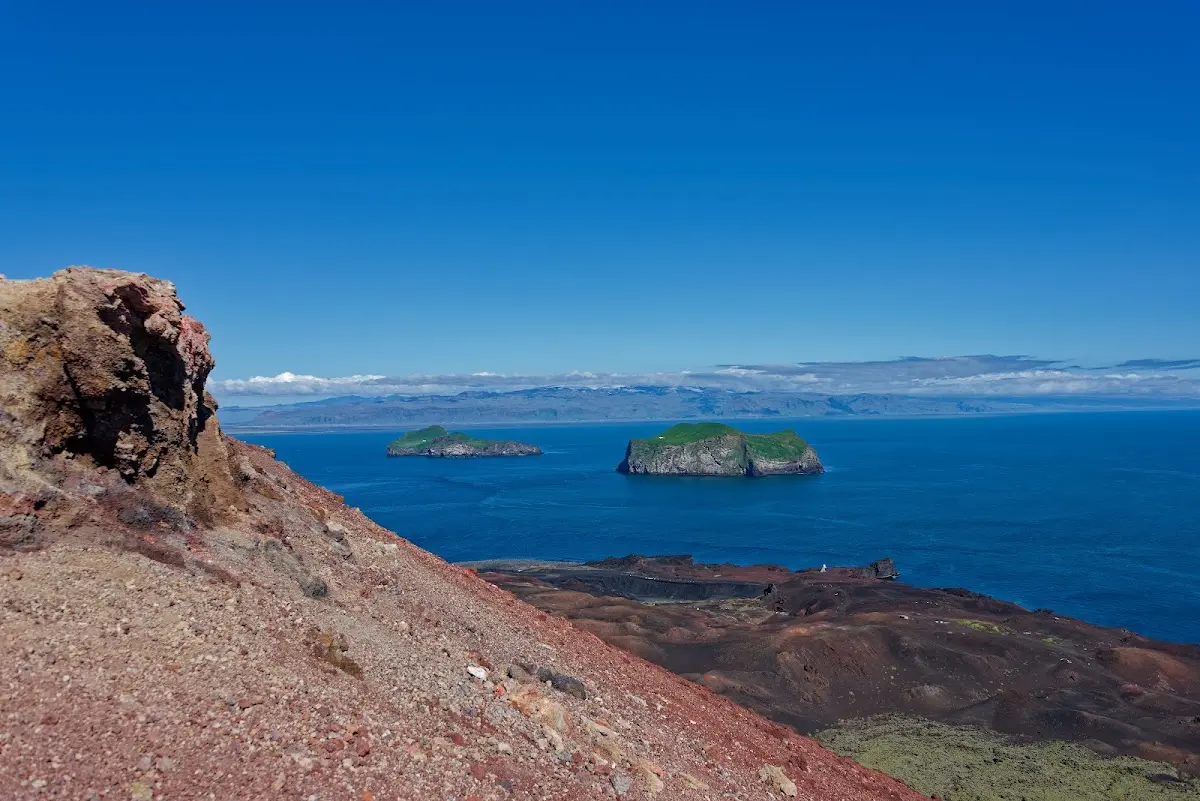
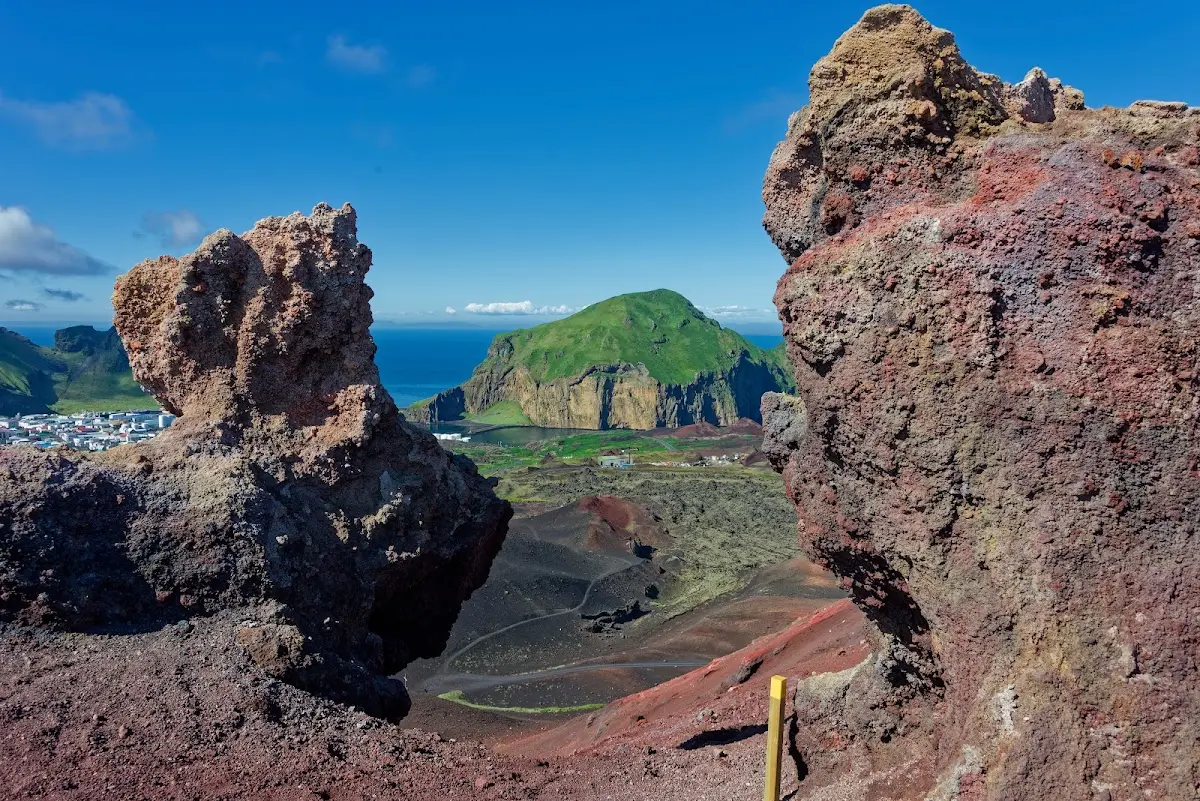
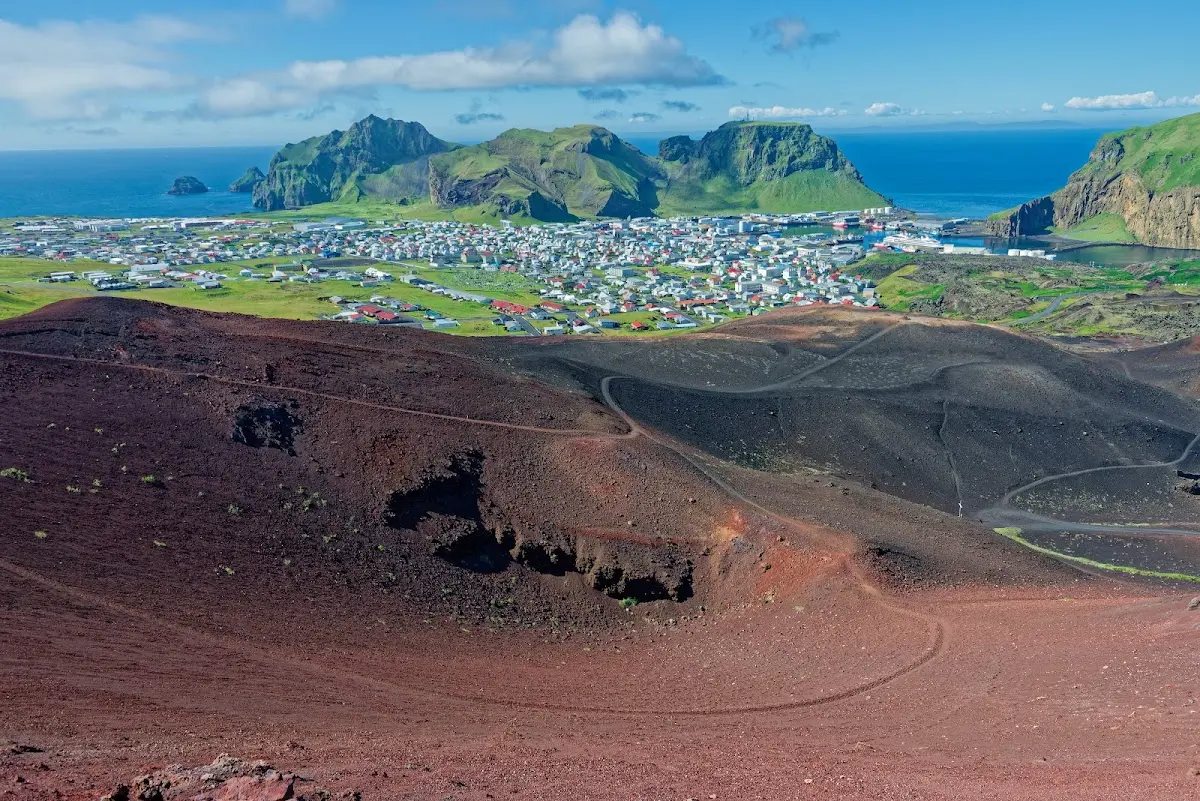
I climbed the island’s two volcanoes one after the other, the younger Eldfell and the older Helgafell.
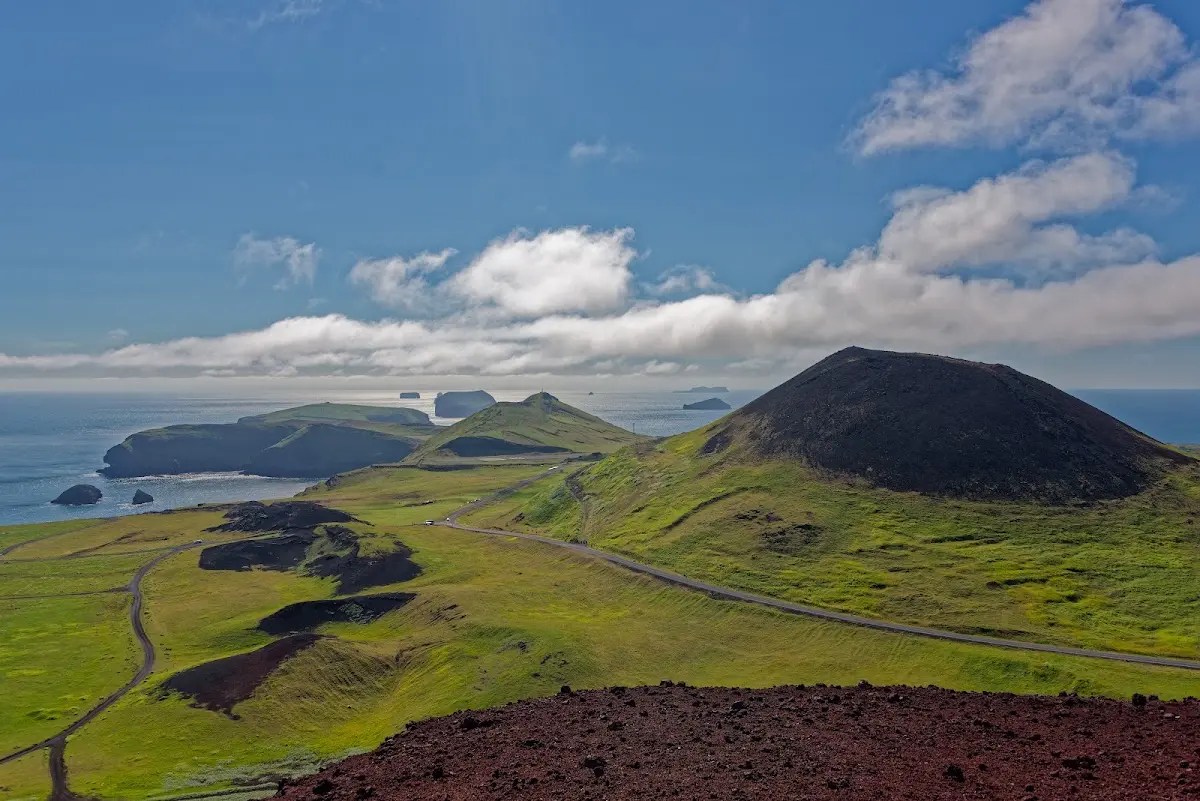
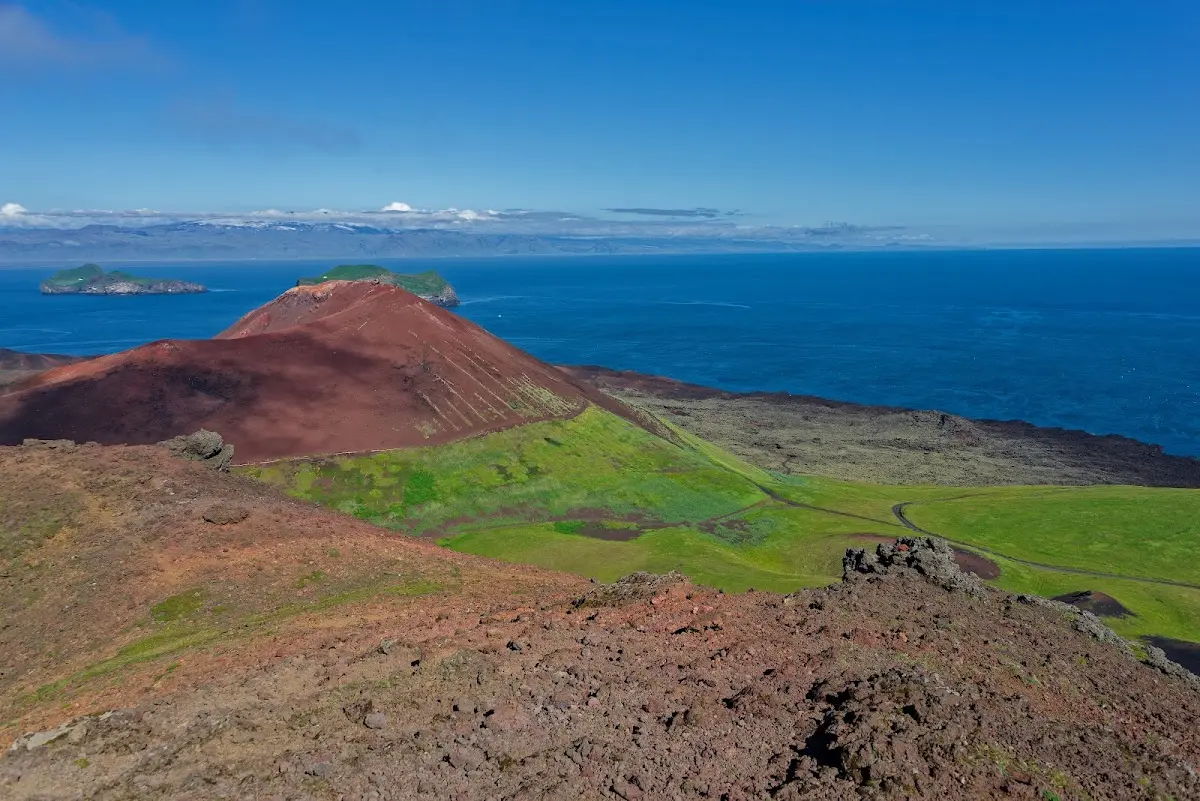
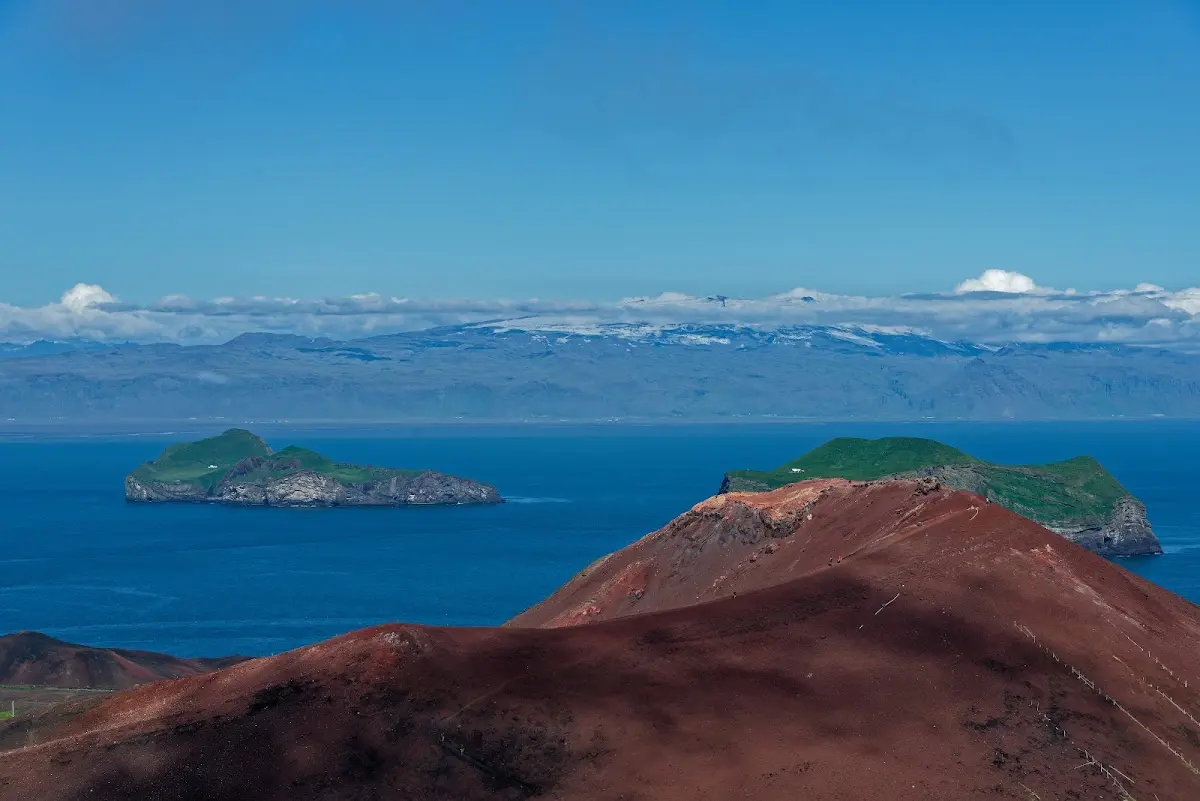
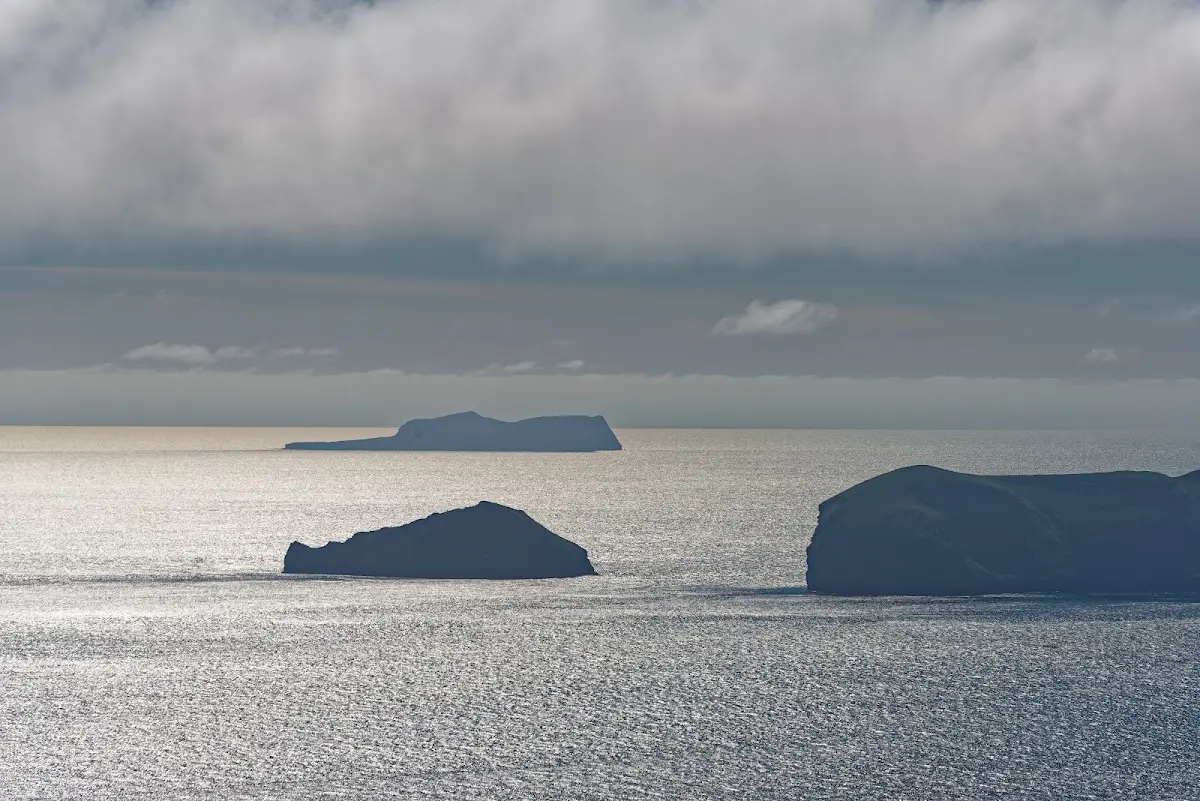
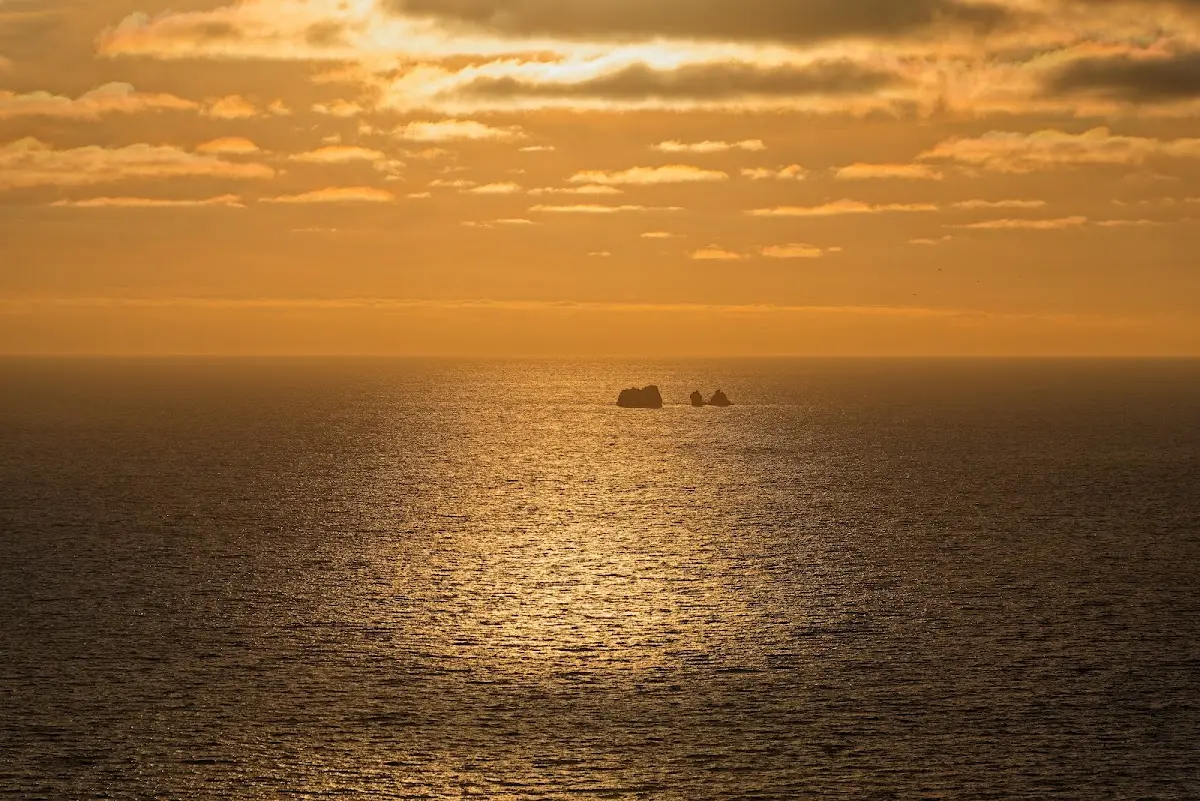
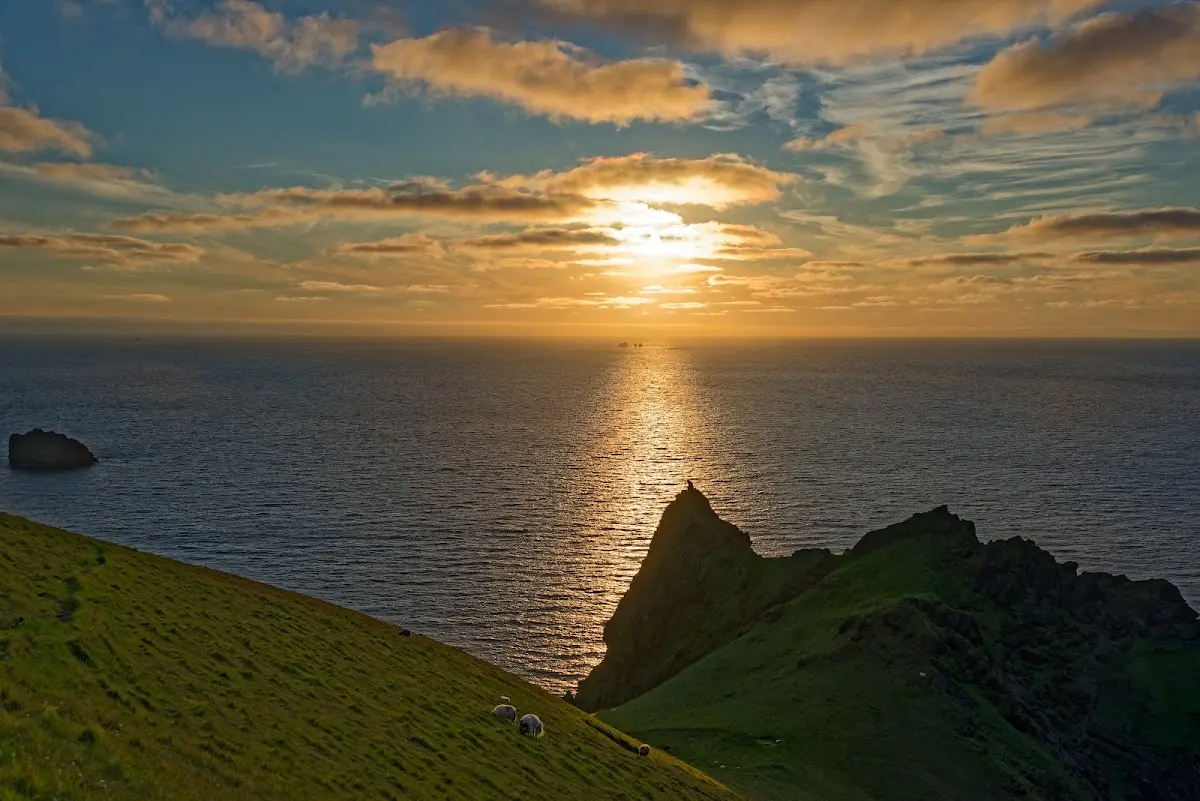
In the evening I visited the cliffs in the northwest again to watch the many puffins that gather there in the evening, and to watch the sunset...
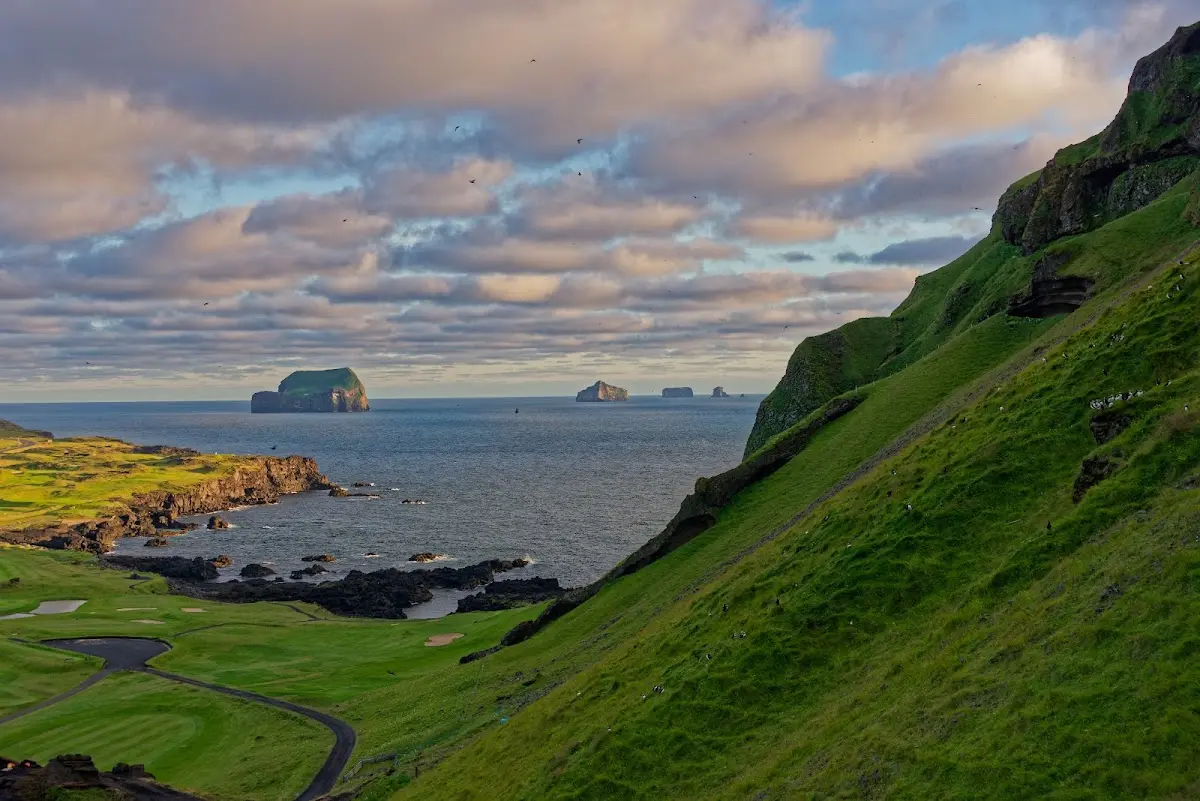
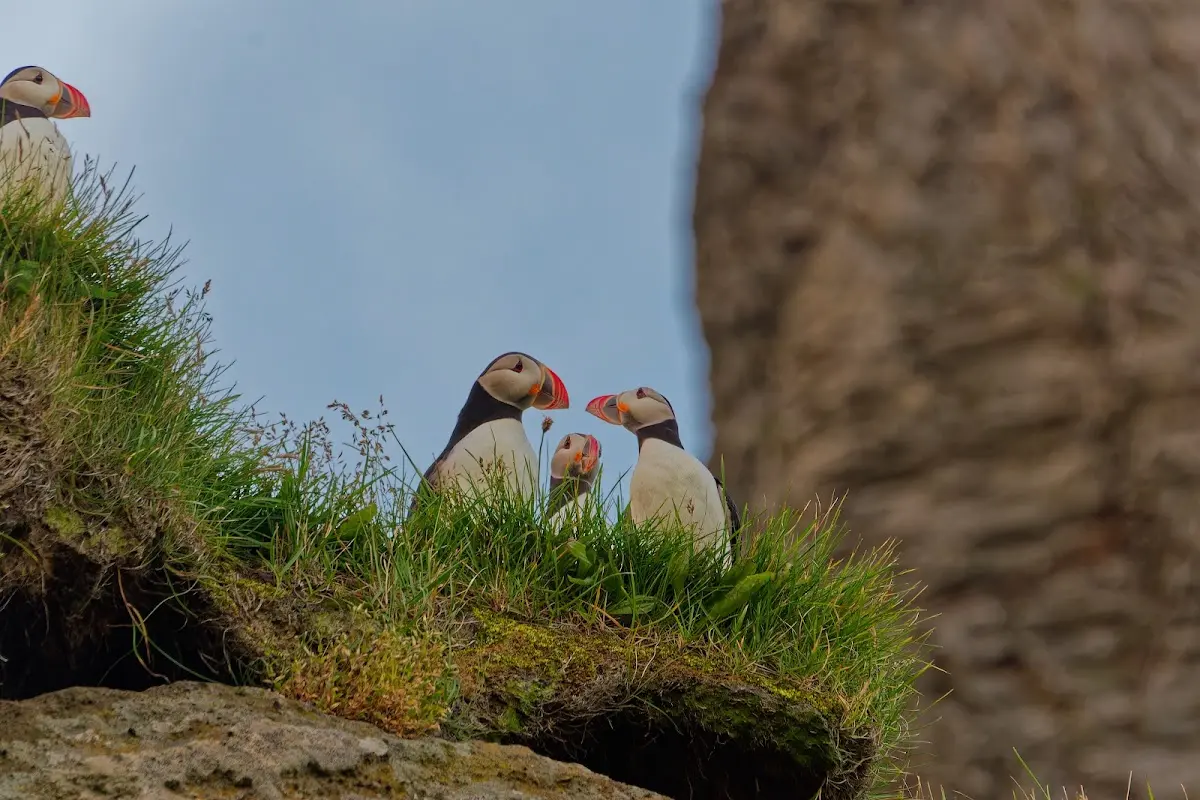
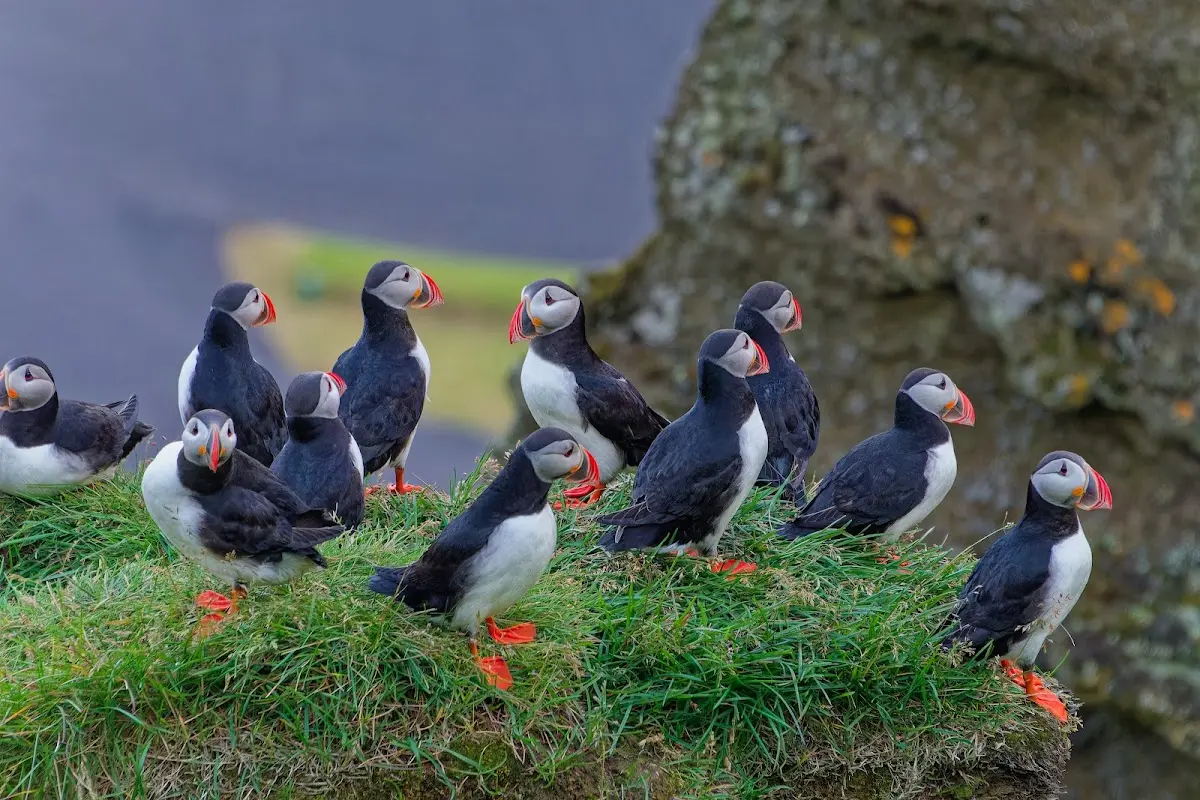
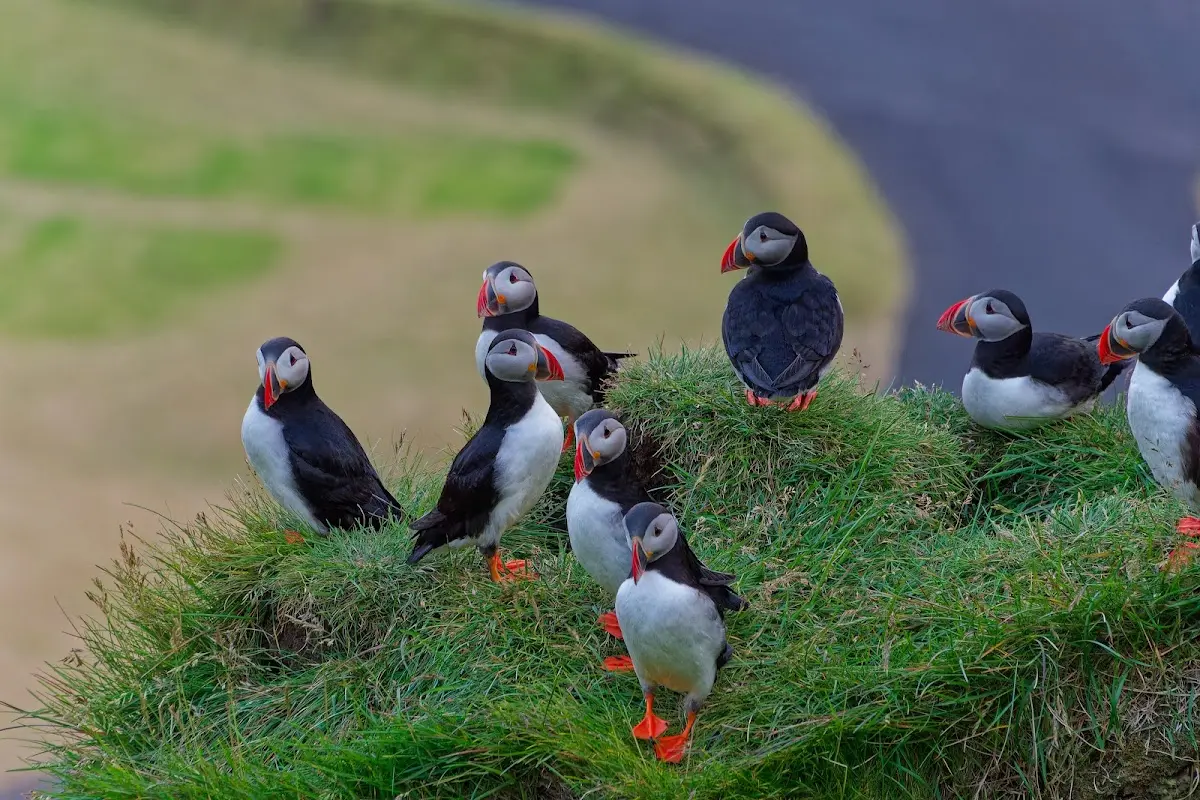
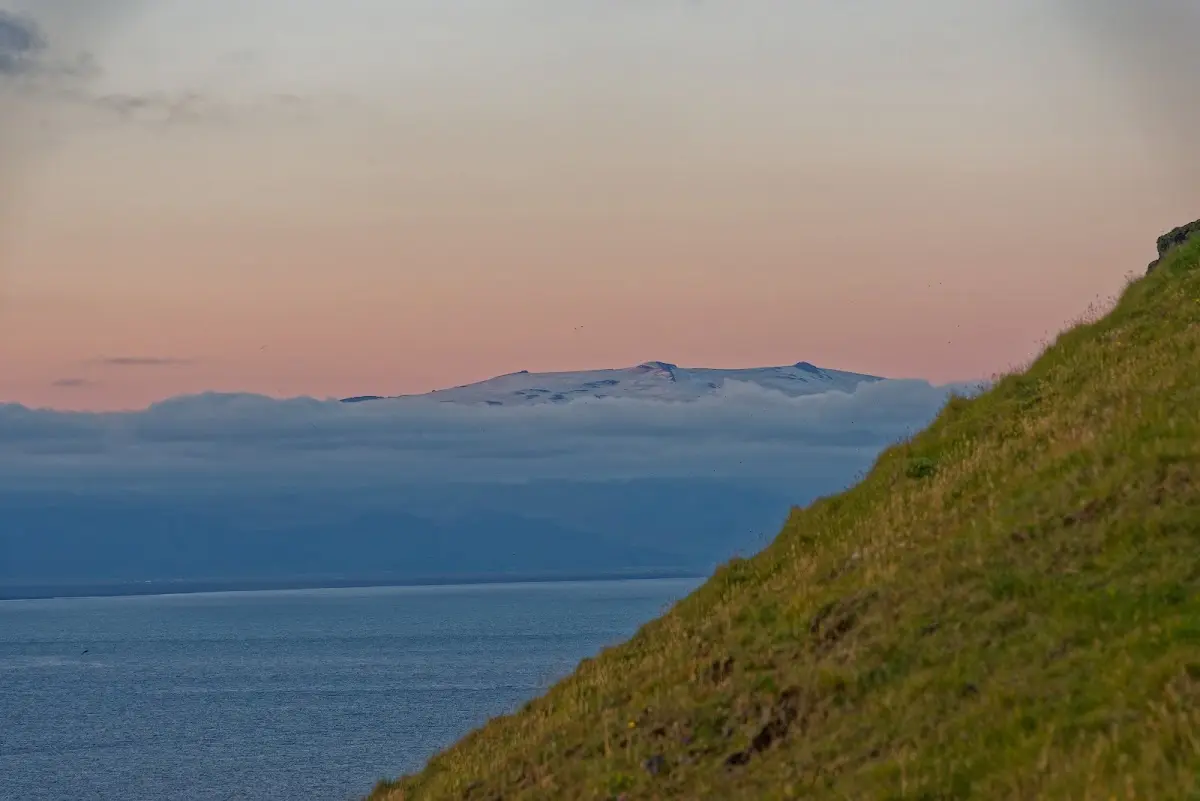
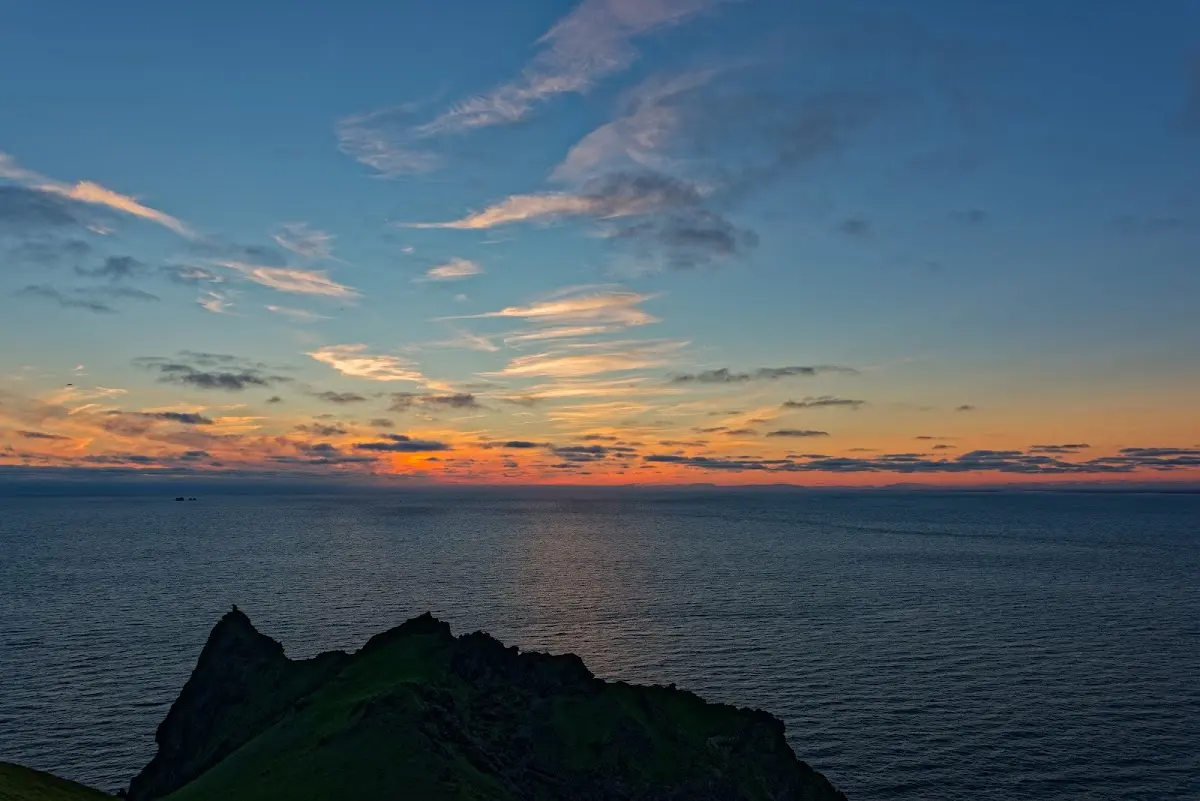
The weather turned wet and cold the day after, but the wind came from the east, so I decided, after the ferry crossing to the mainland, to ride straight through to Reykjavík, pushed along by the tailwind.
25 Reykjavík
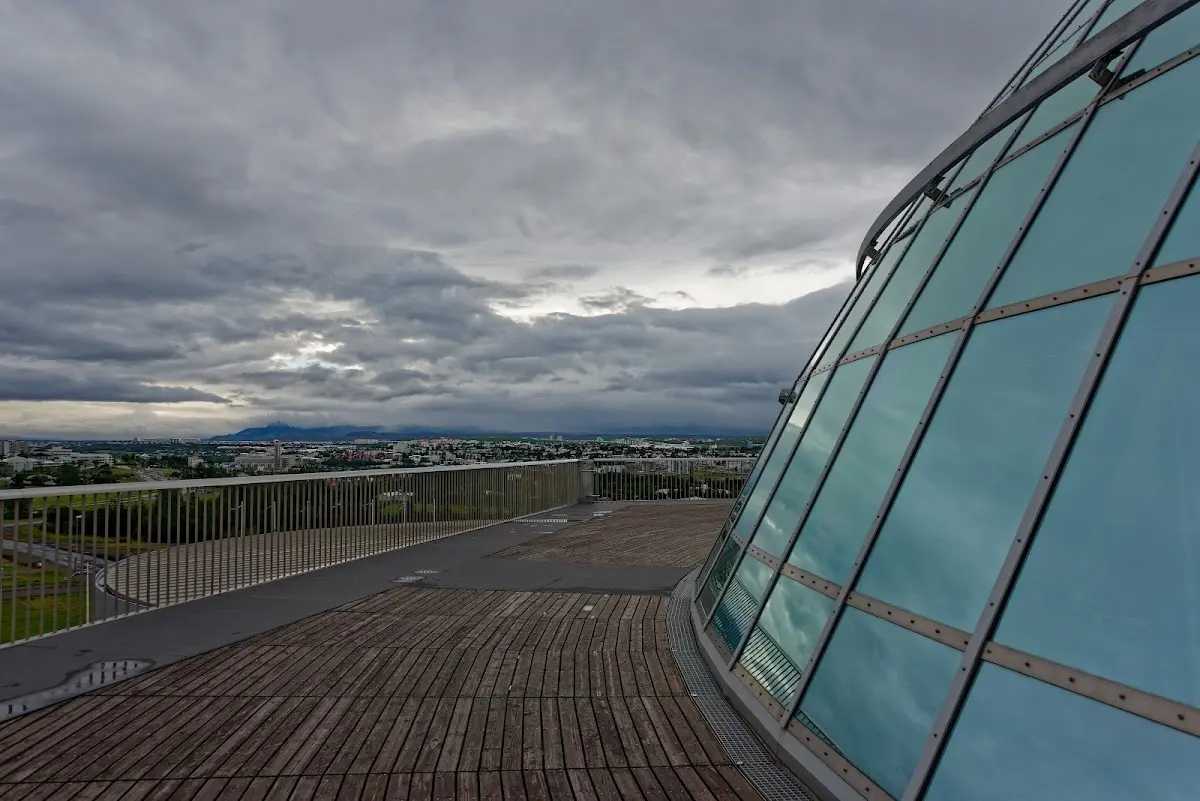
The hot water reservoir Perlan supplies Reykjavík with hot water and heats pavements and streets in winter. From the roof of the tanks, which stand on the hill Öskjuhlíð south of the city centre, you have a good view of the capital.
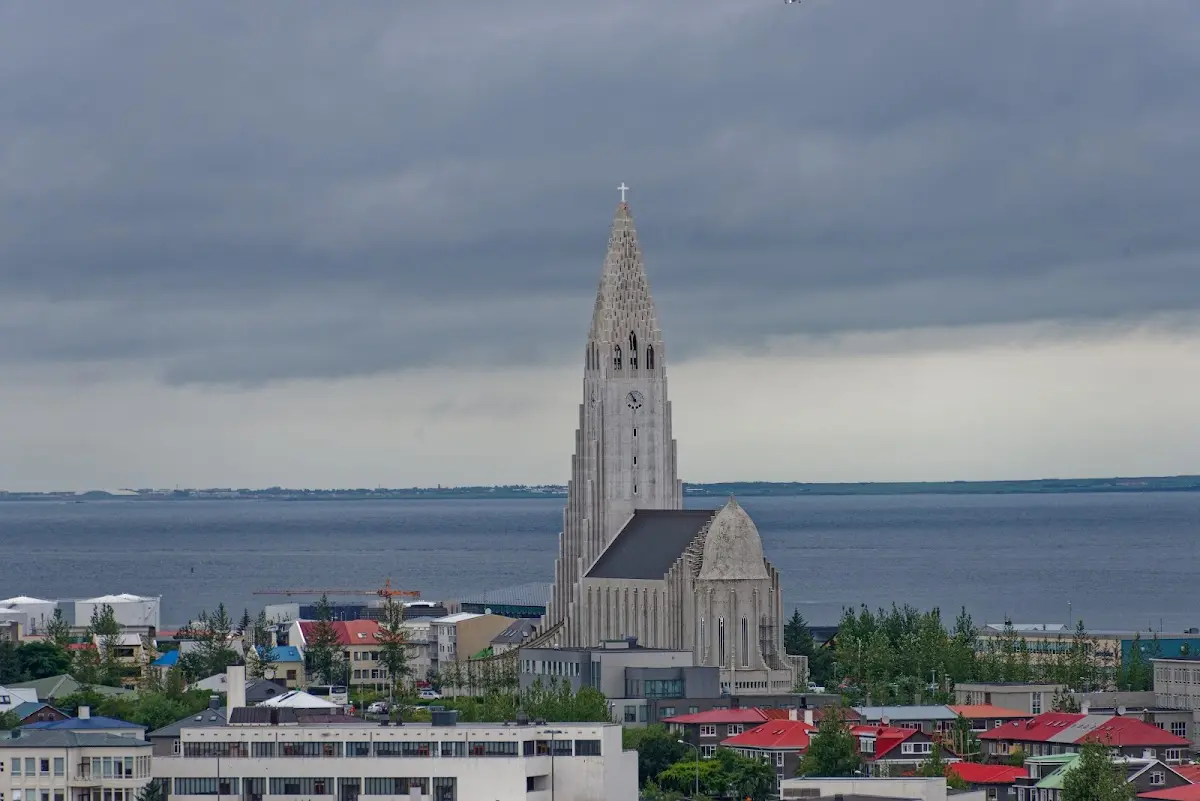
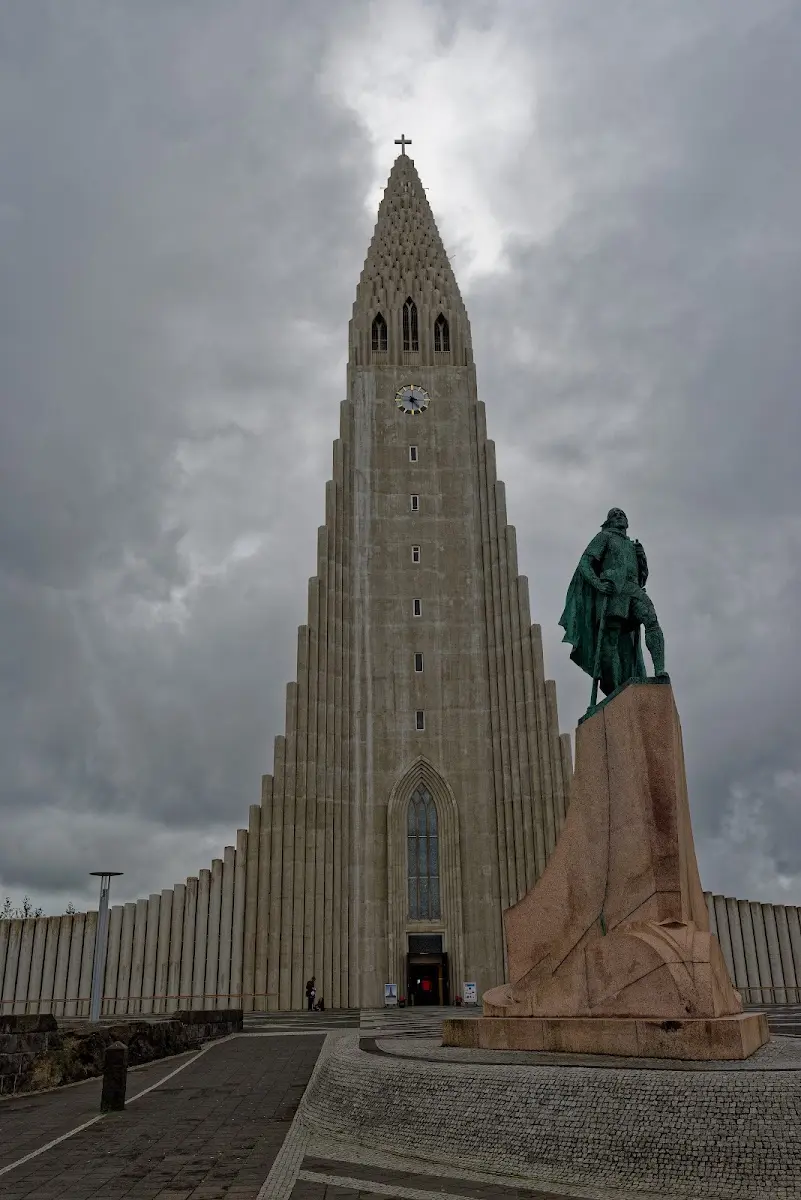
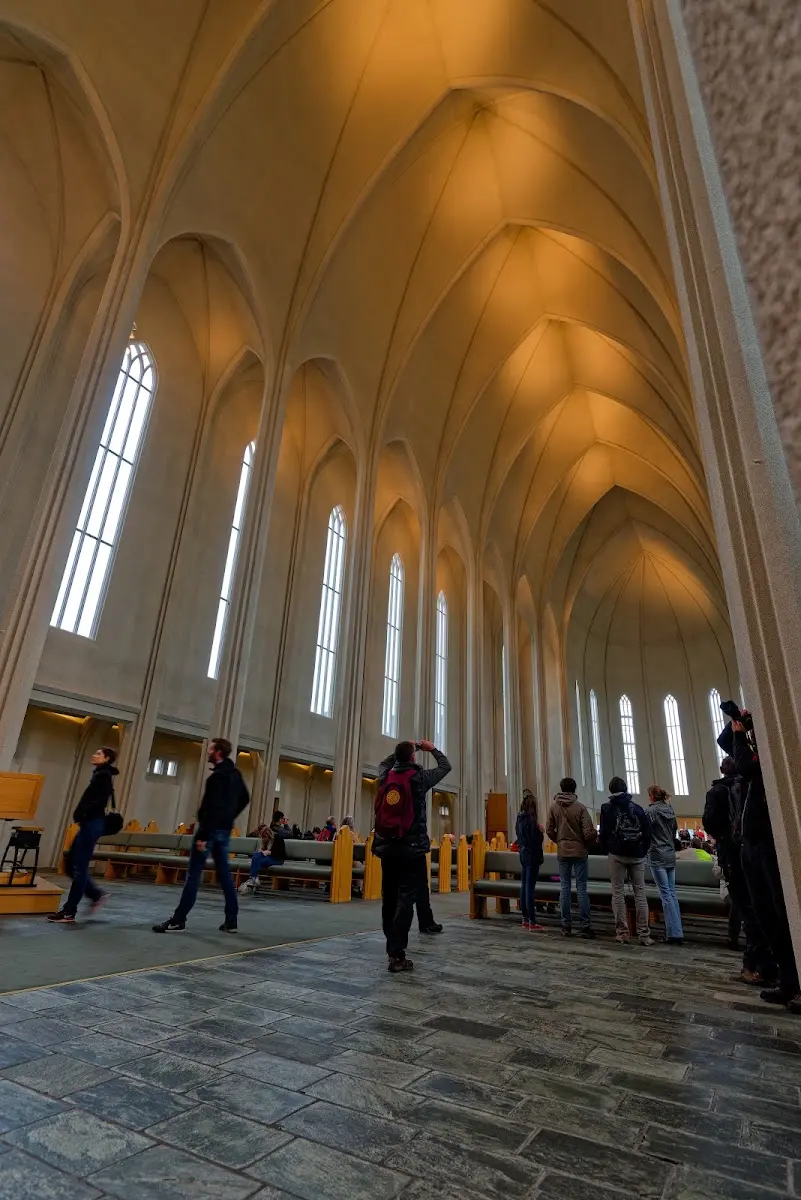
The Hallgrímskirkja was designed by the architect Guðjón Samúelsson in the expressionist style. Gothic elements such as ribbed vaults and pointed-arch windows characterise the interior of the conventional five-aisled basilica. On the central axis in front of the church stands a statue of Leif Eriksson, the Icelandic discoverer of Vinland, North America.
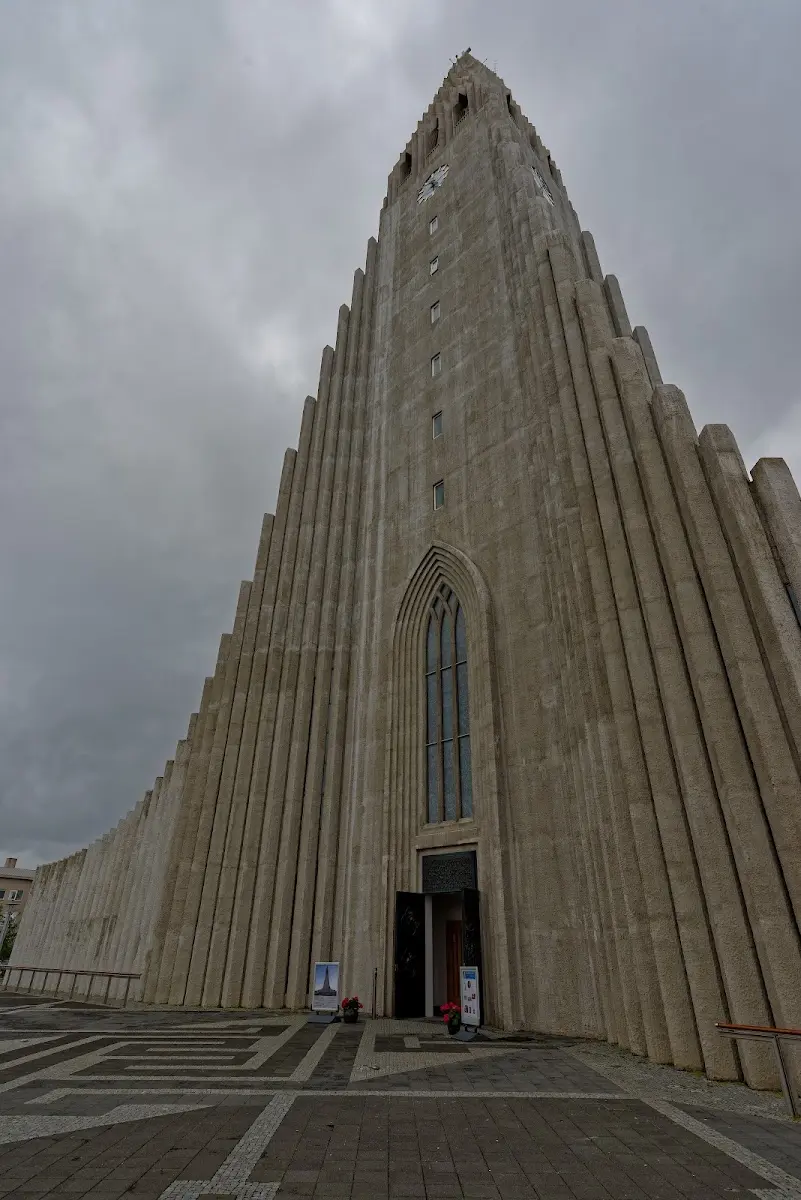
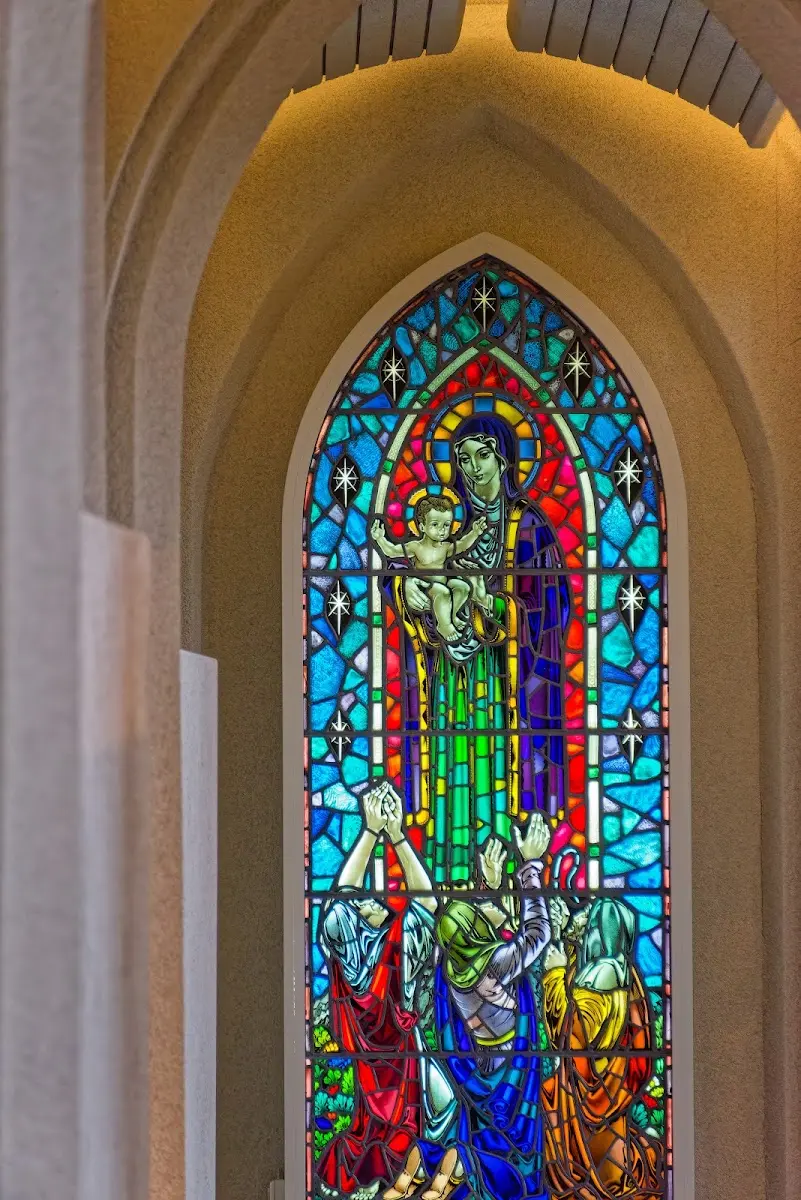
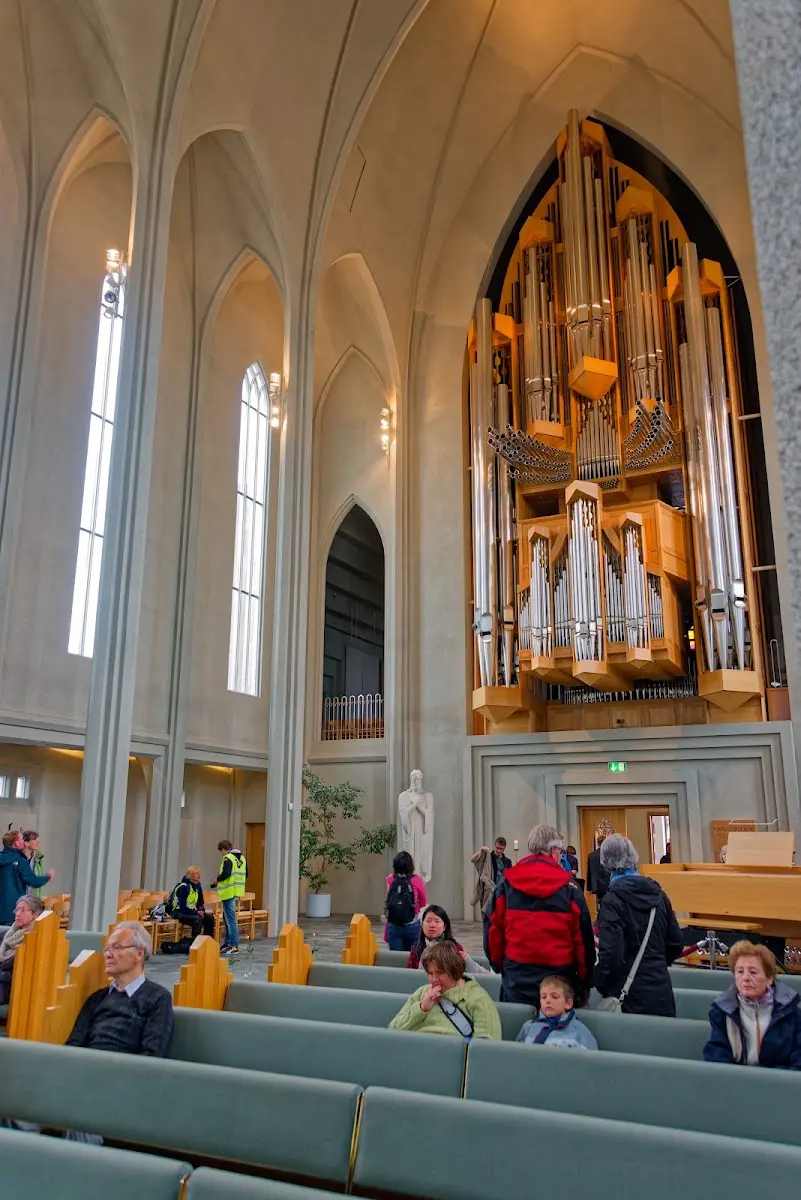
The concert organ by Johannes Klais Orgelbau in Bonn has 72 stops and 5275 pipes.
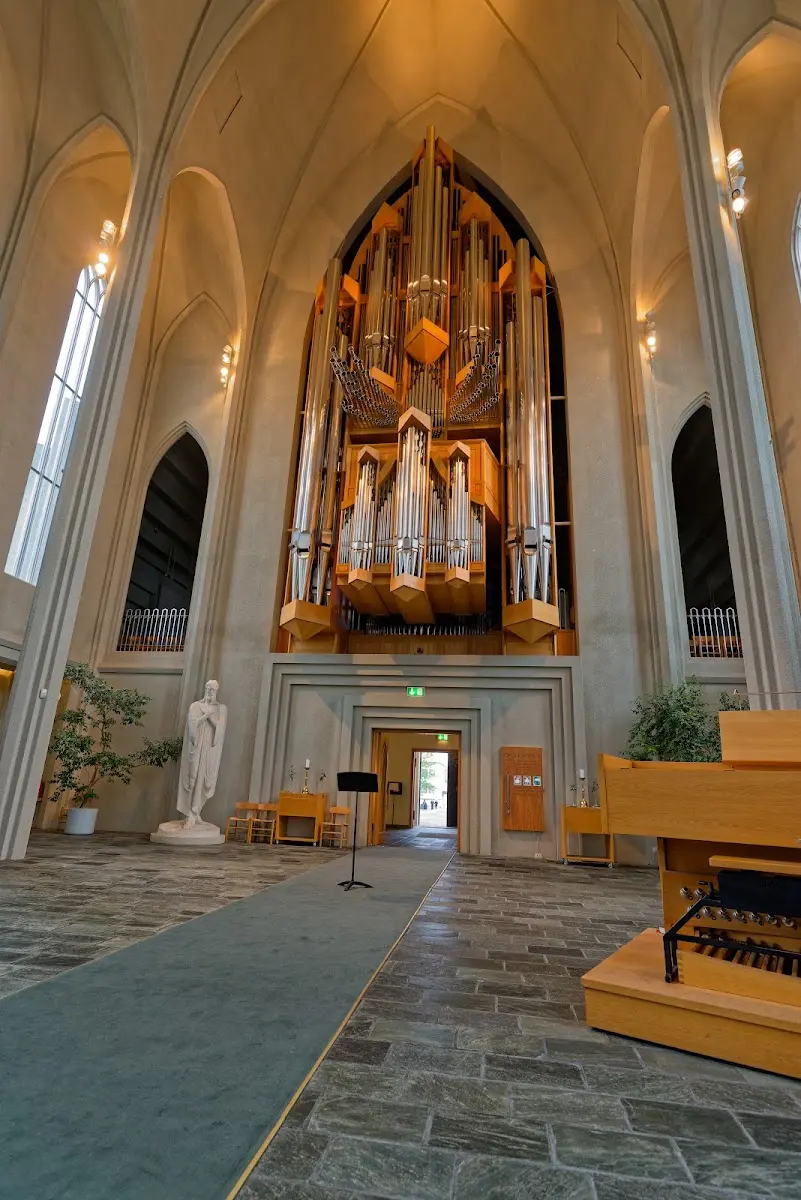
The sculptor Einar Jónsson had a tendency at times towards heroic and monumental sculptures. The themes of his sculptures are mostly Icelandic history. Besides the Hallgrímskirkja his works are shown in the Einar Jónsson Museum and in the adjoining sculpture garden.
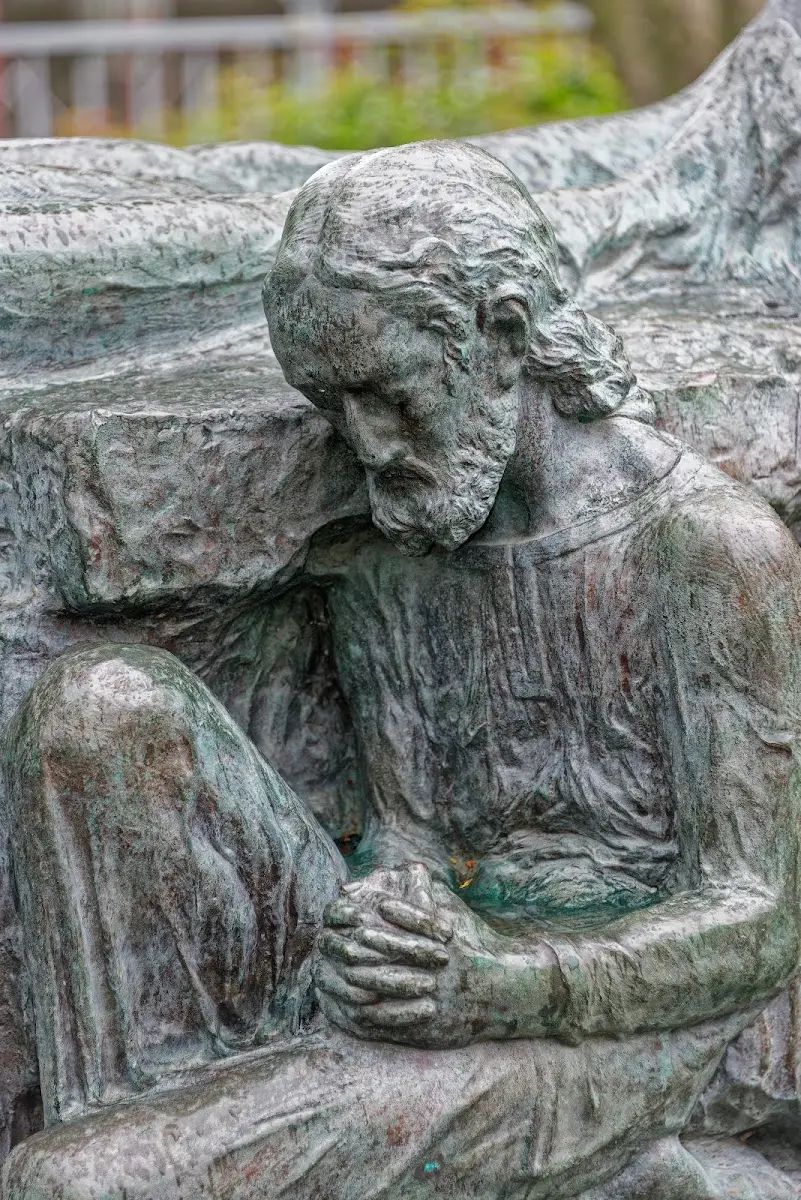
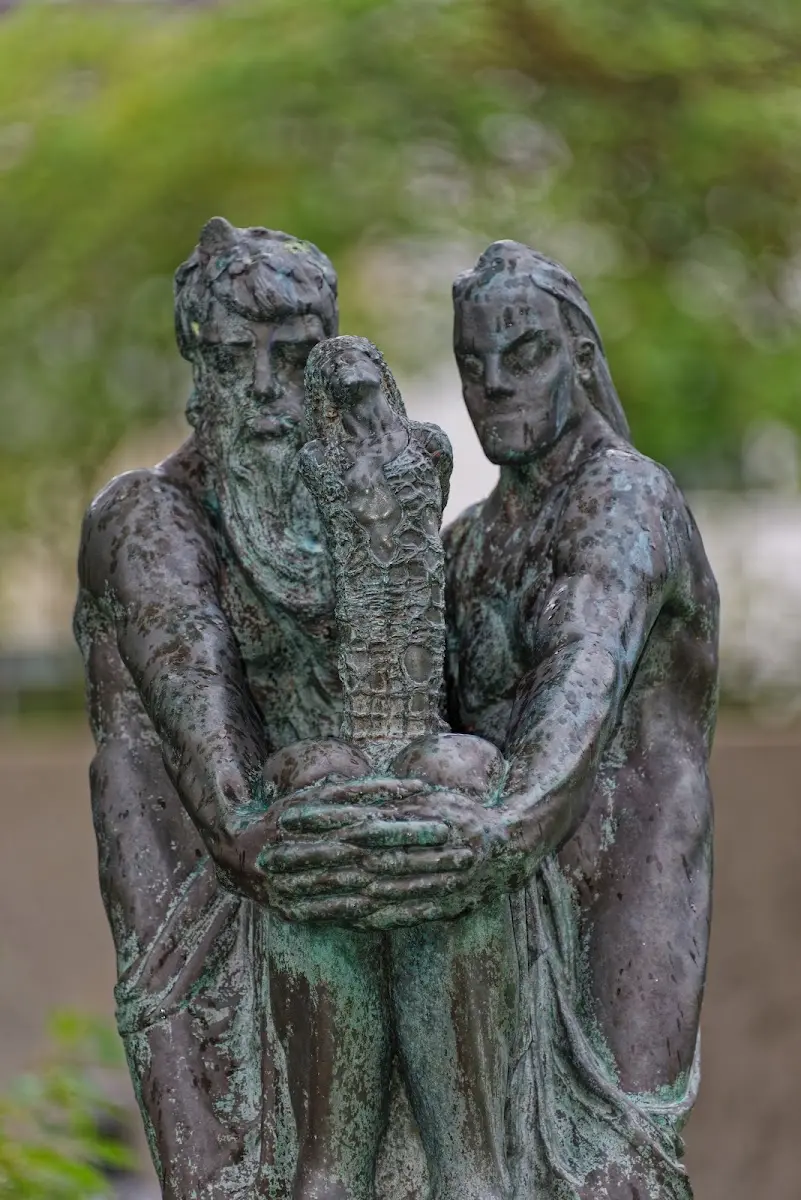
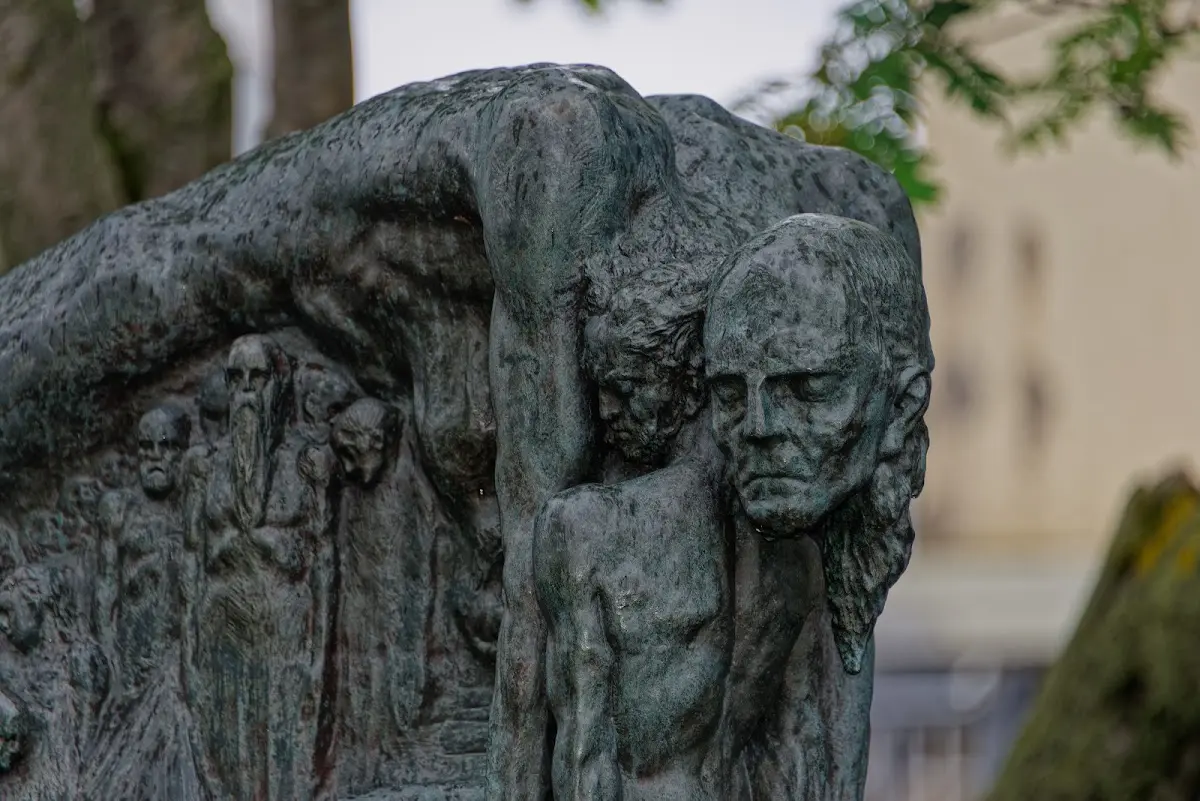
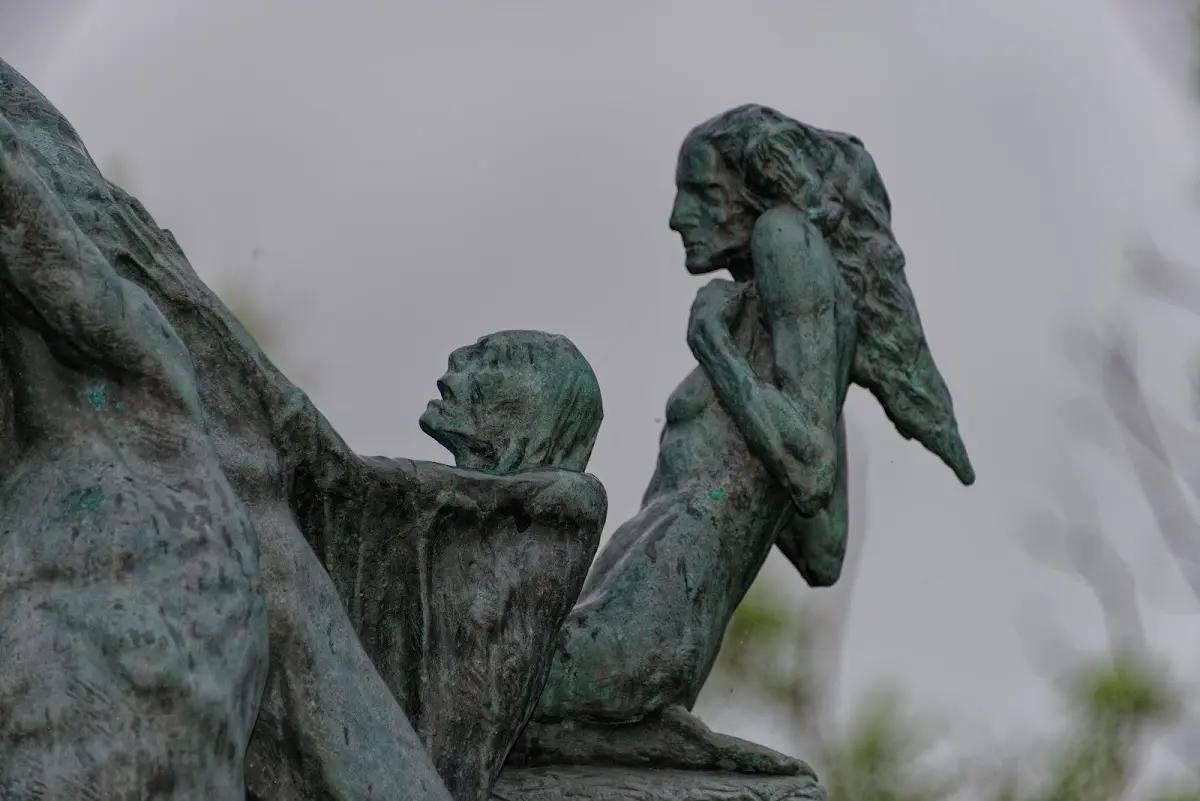
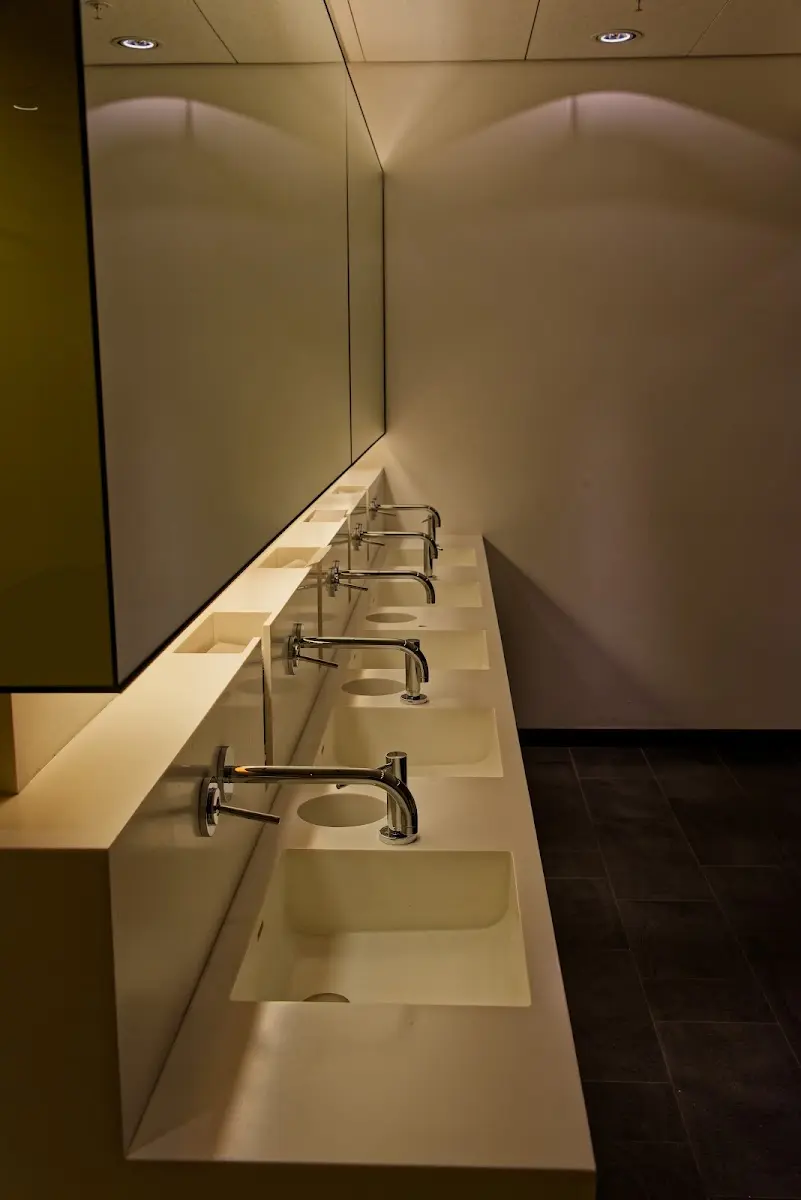
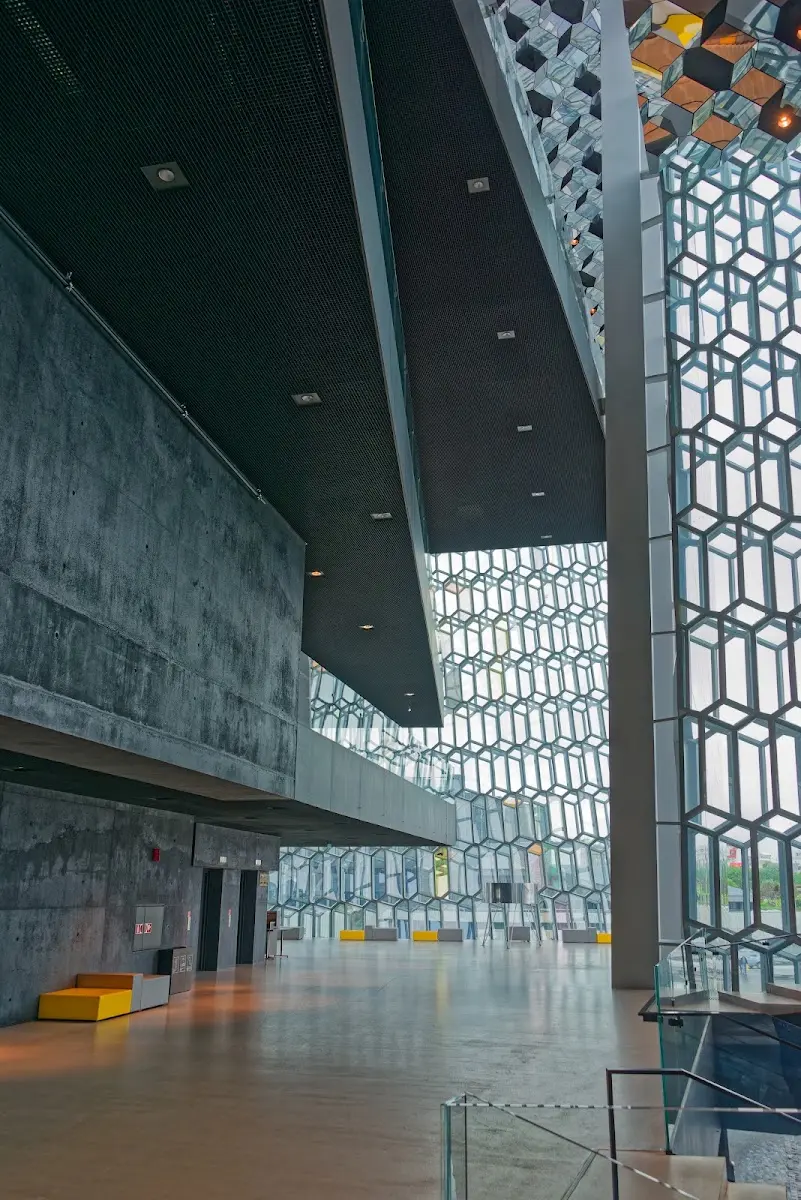
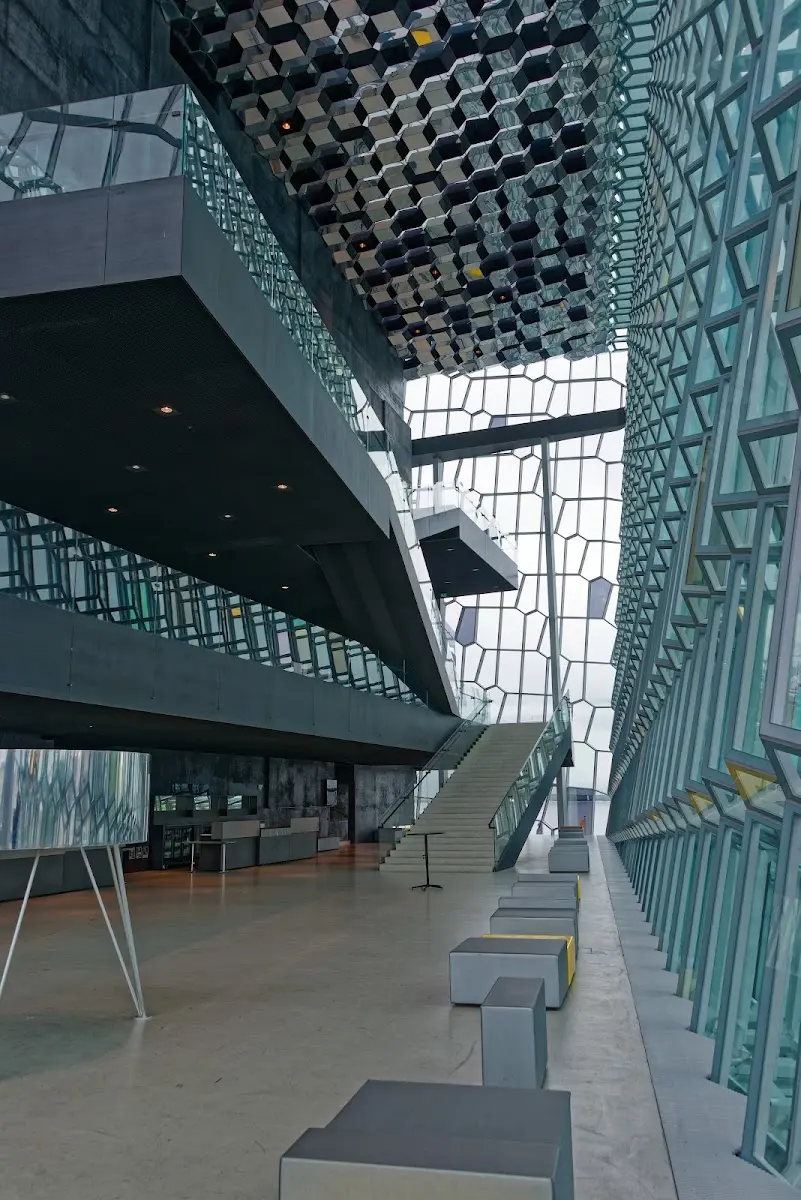
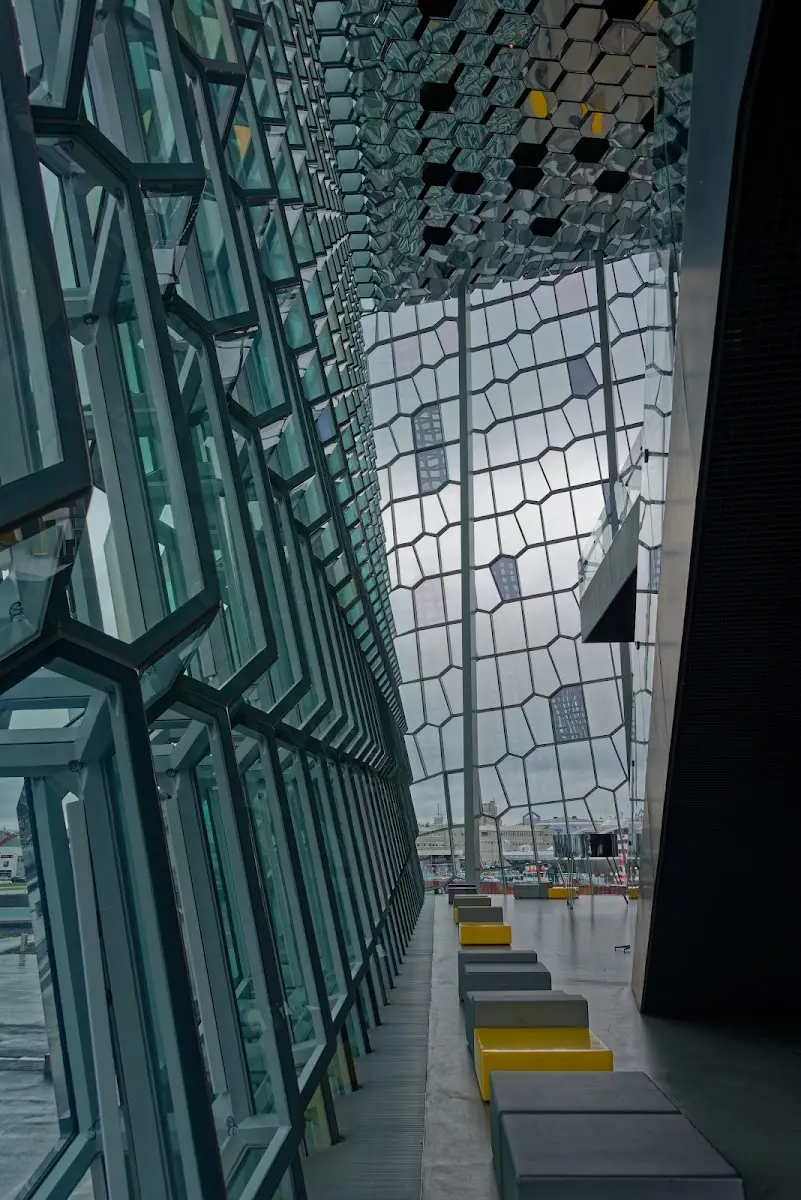
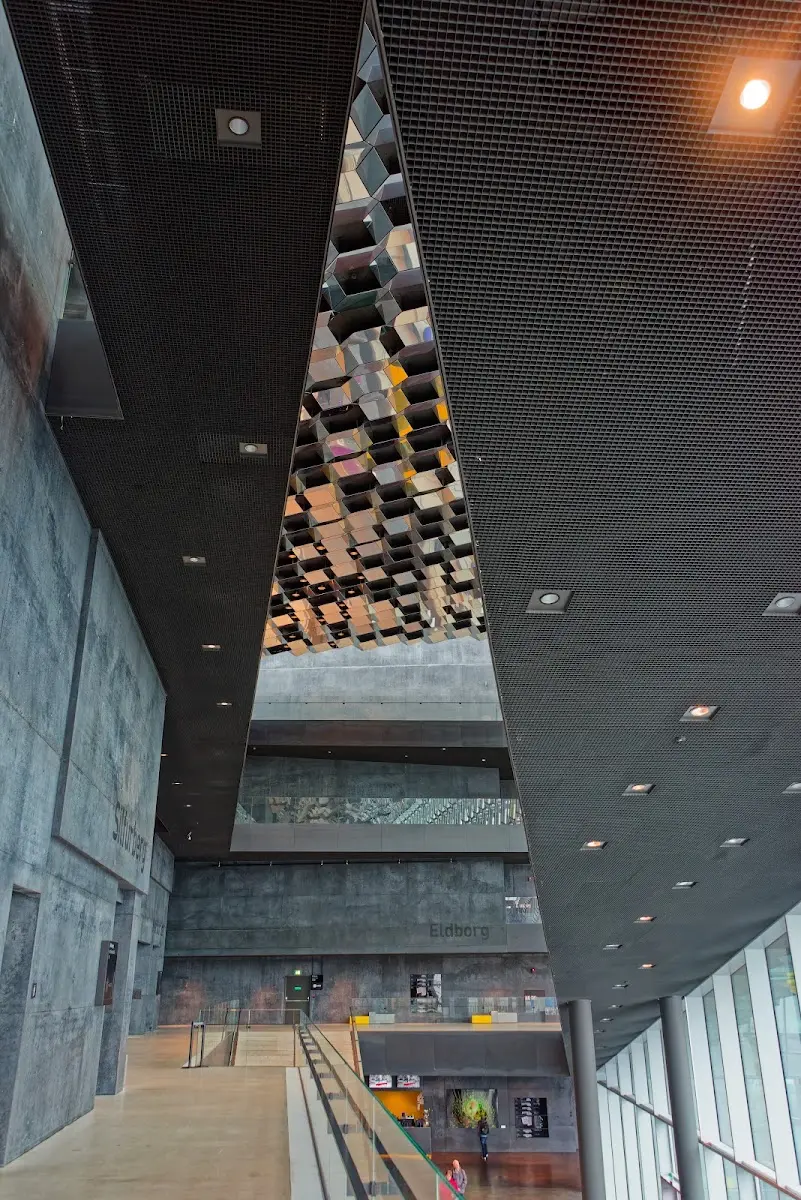
The concert hall and conference centre Harpa (or Tónlistar- og ráðstefnuhúsið í Reykjavík), opened in 2011, is home to the Icelandic Opera and the Iceland Symphony Orchestra. Olafur Eliasson designed the façade.
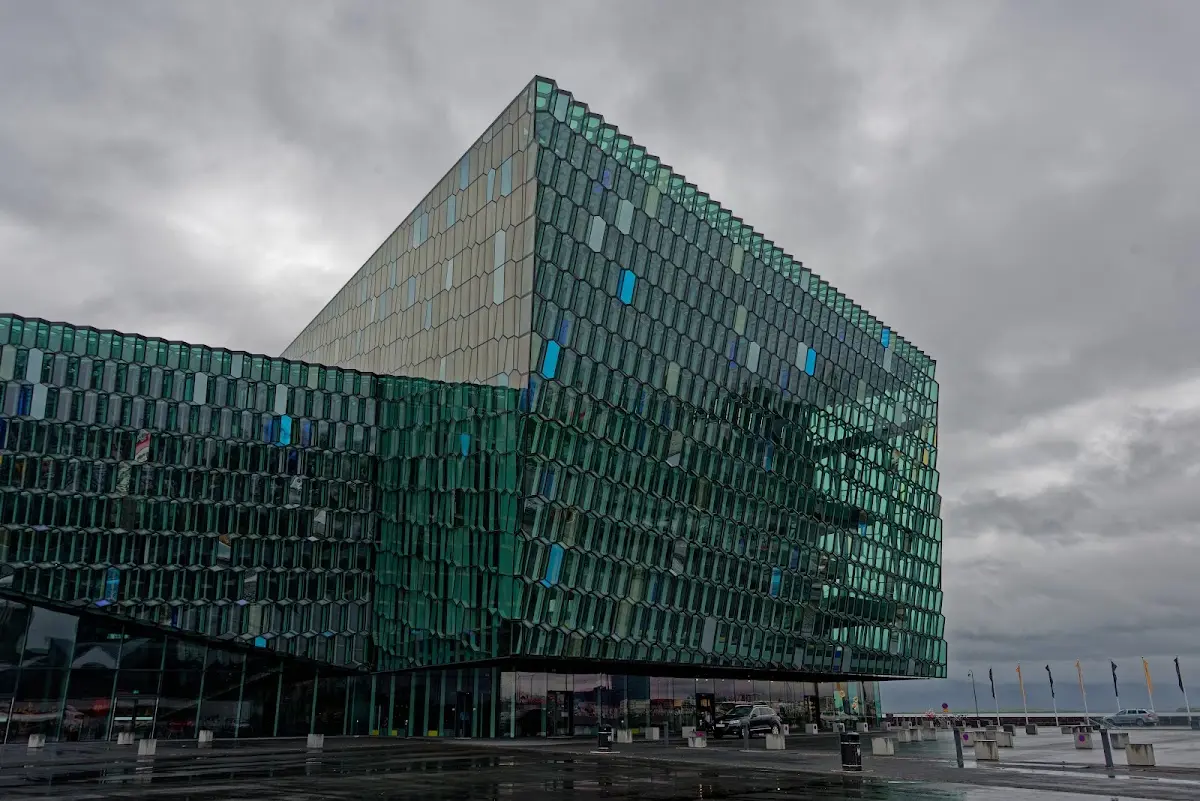
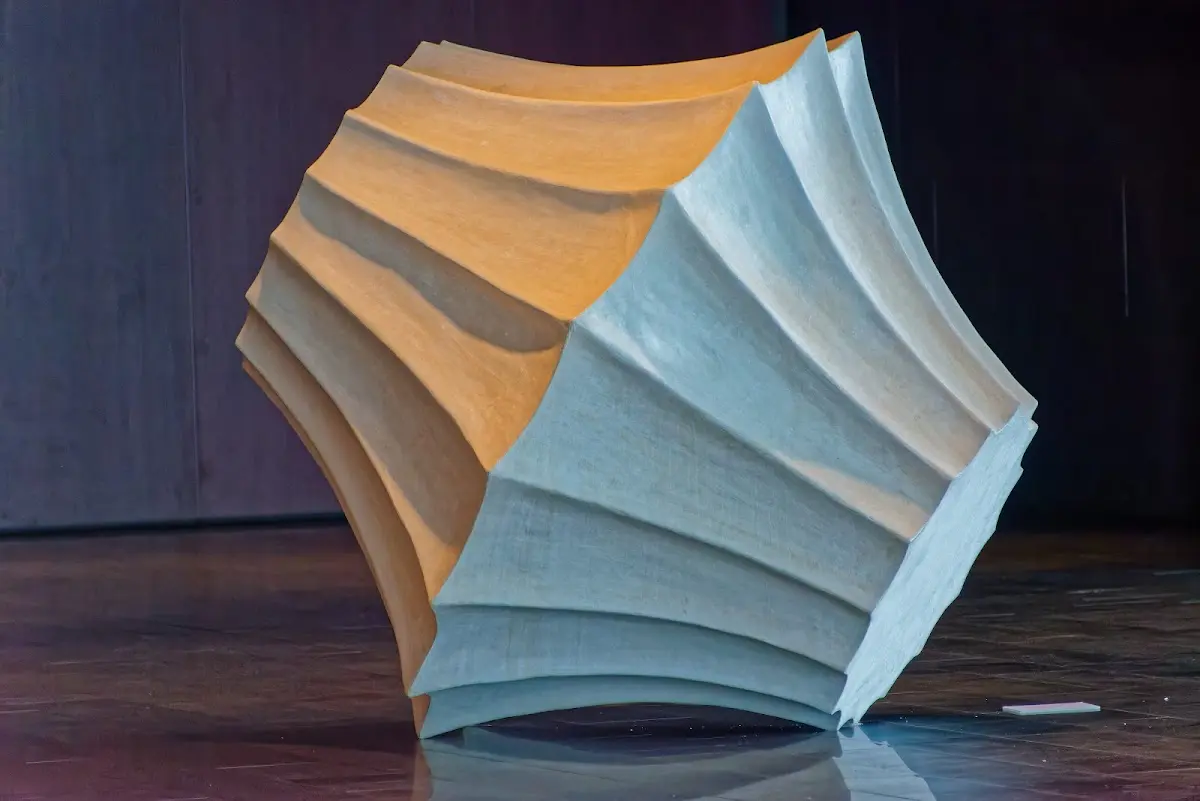
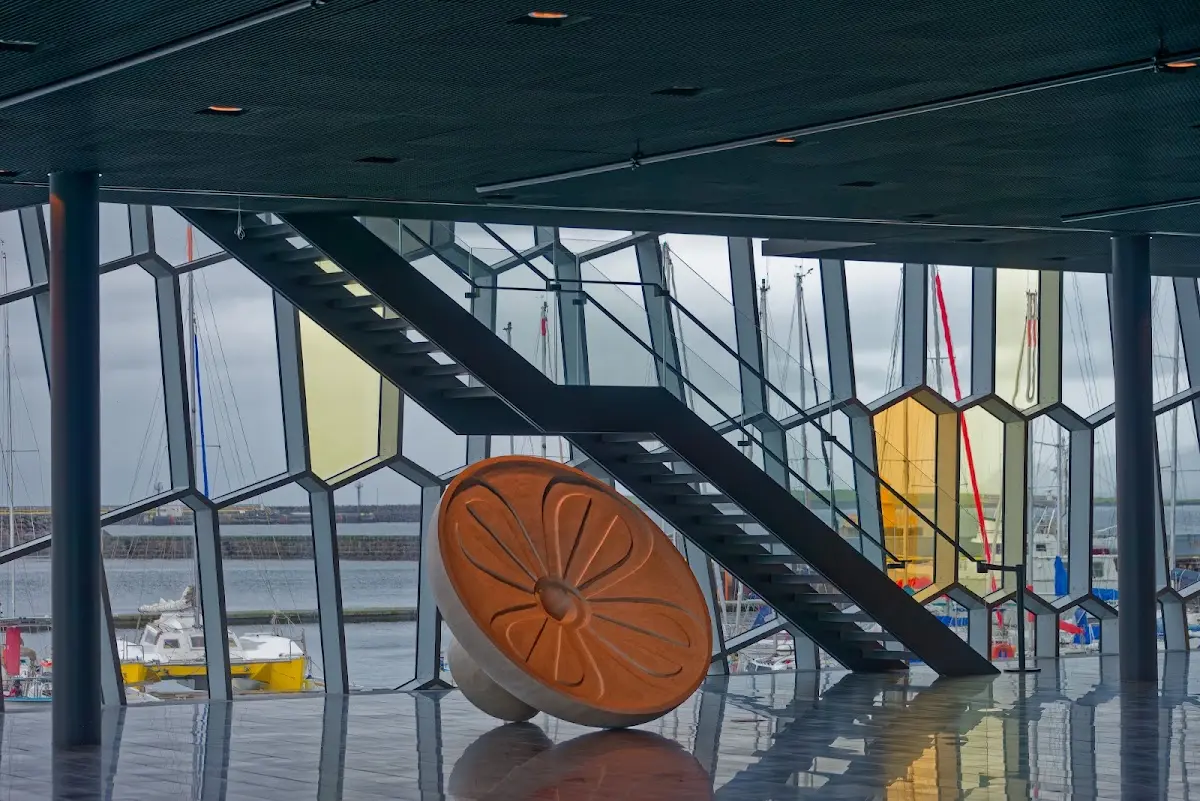
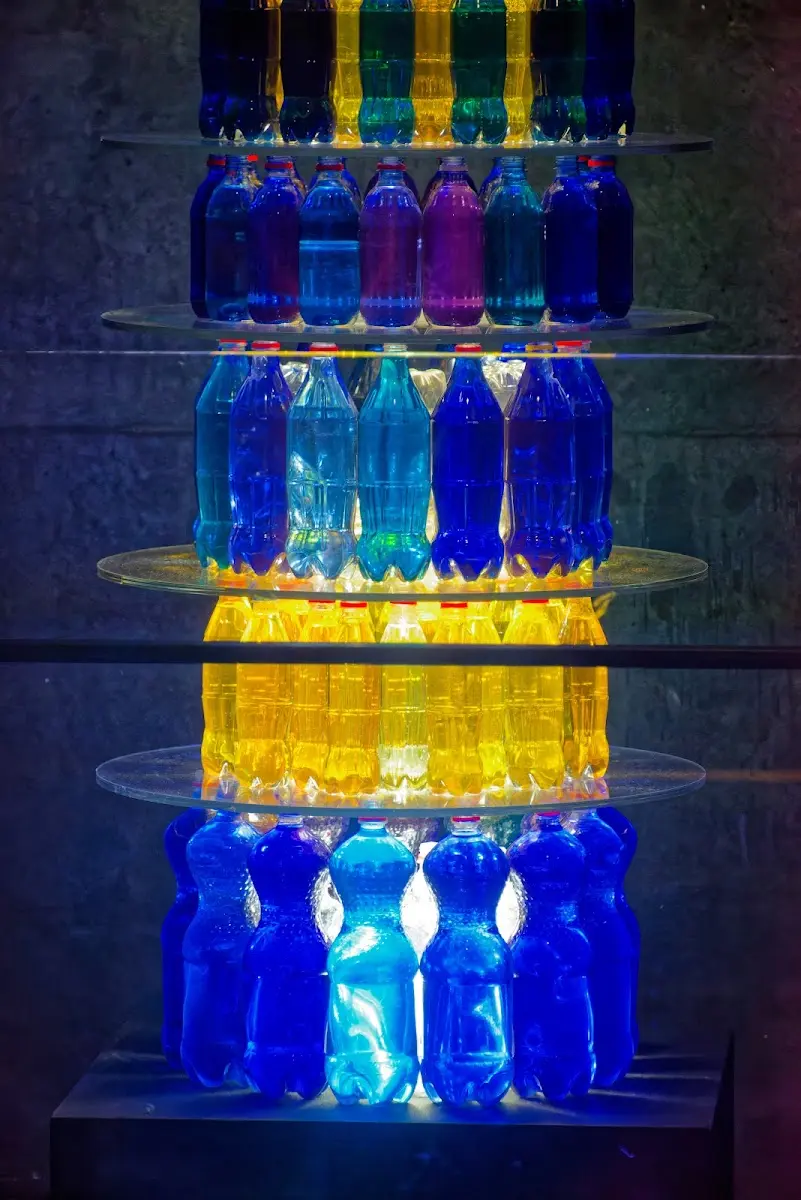
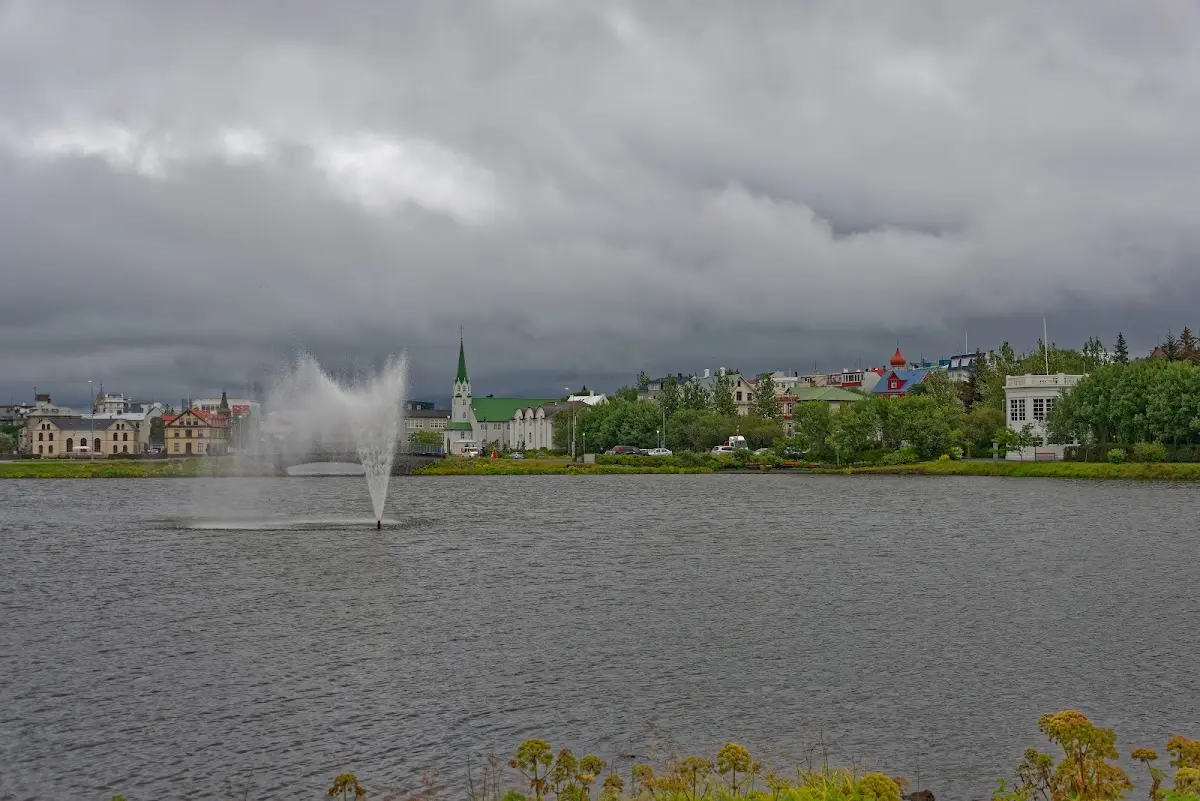
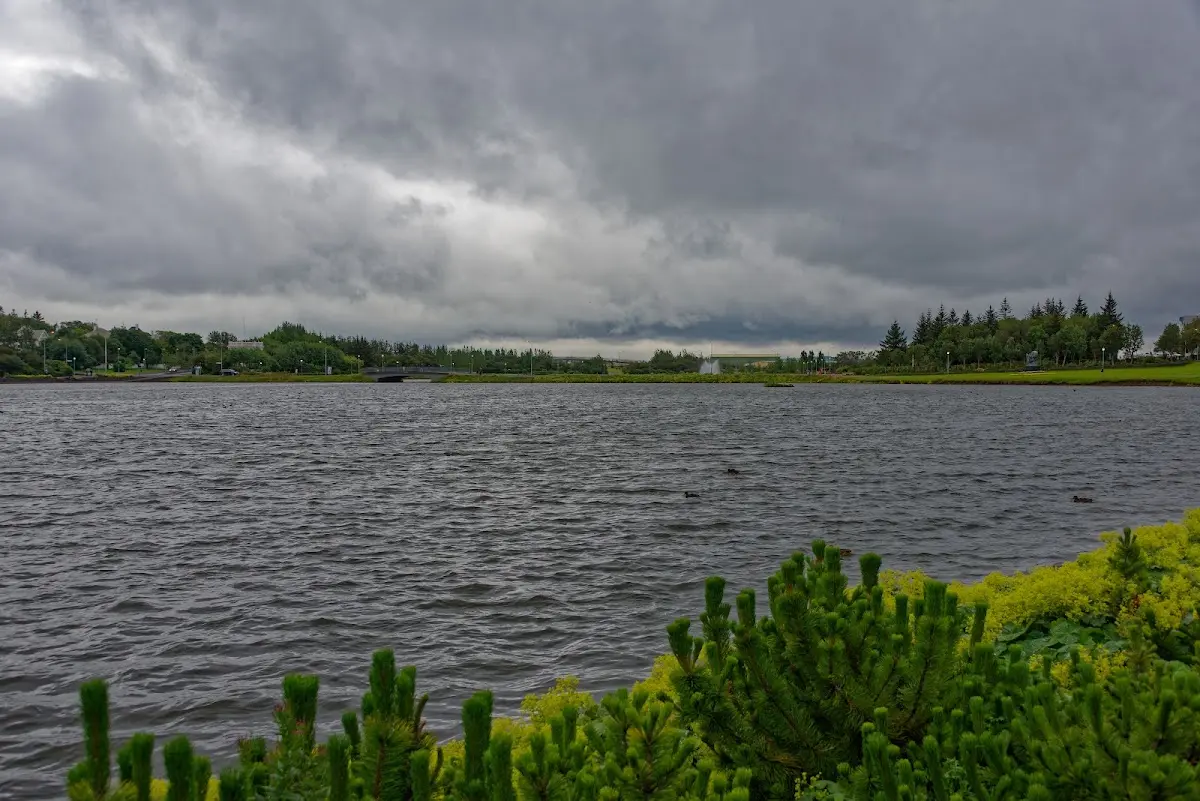
The lake Tjörnin offers habitat for geese, ducks, swans and other birds in the middle of the city. Right on the shore and in its immediate surroundings are the town hall, the National Museum of Iceland, the university, the parliament (Alþingishúsið), the Fríkirkja and the cathedral.
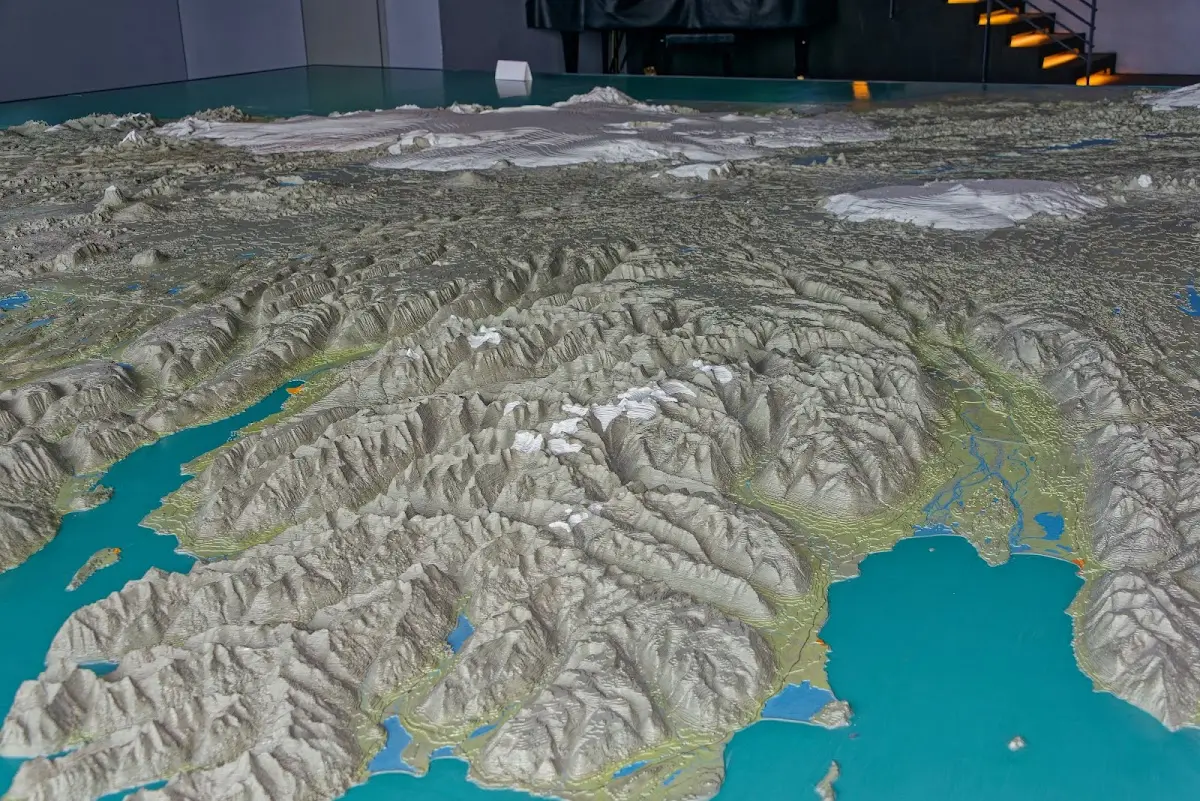
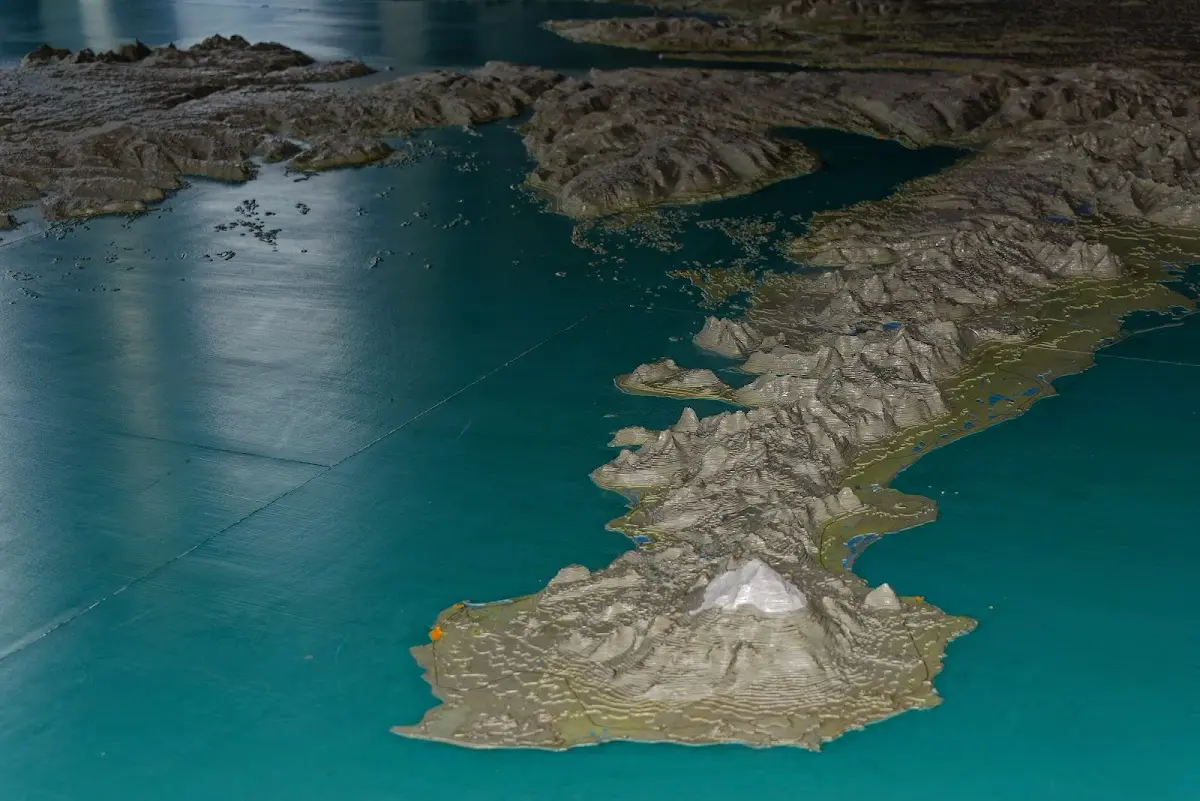
In the Ráðhús there is a 3D model of Iceland
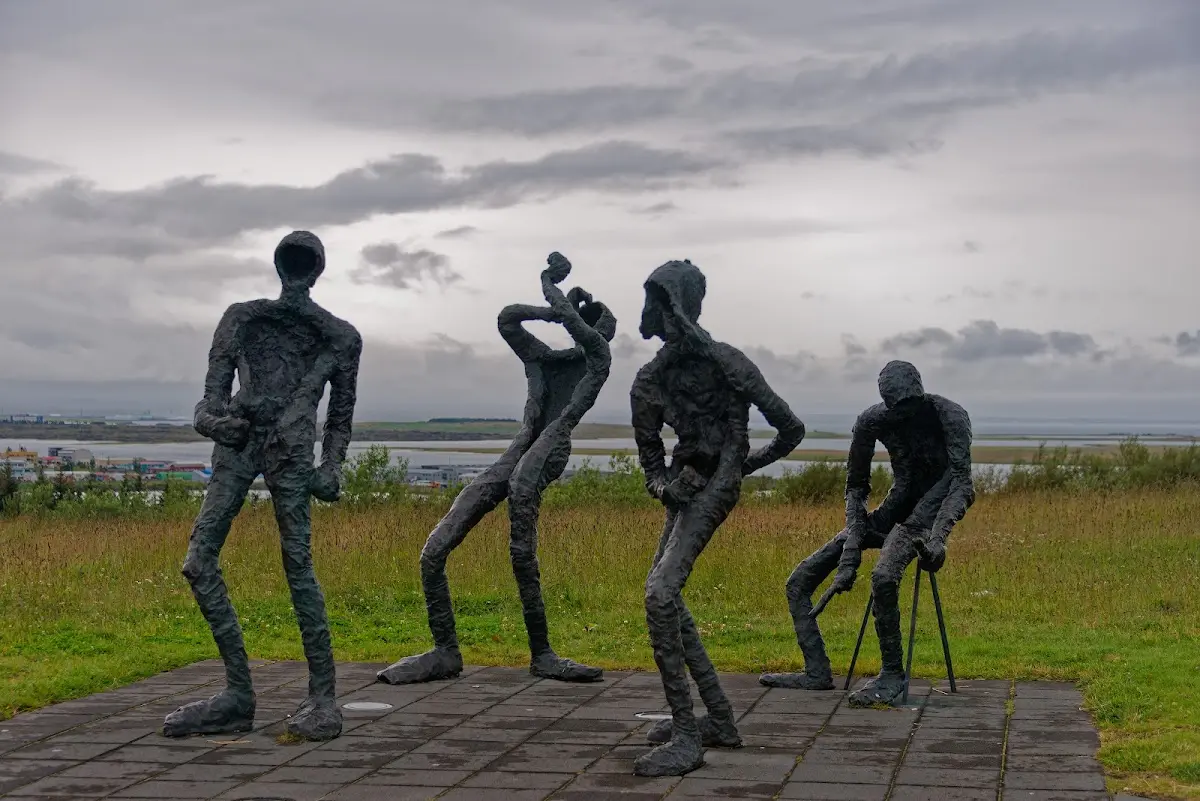
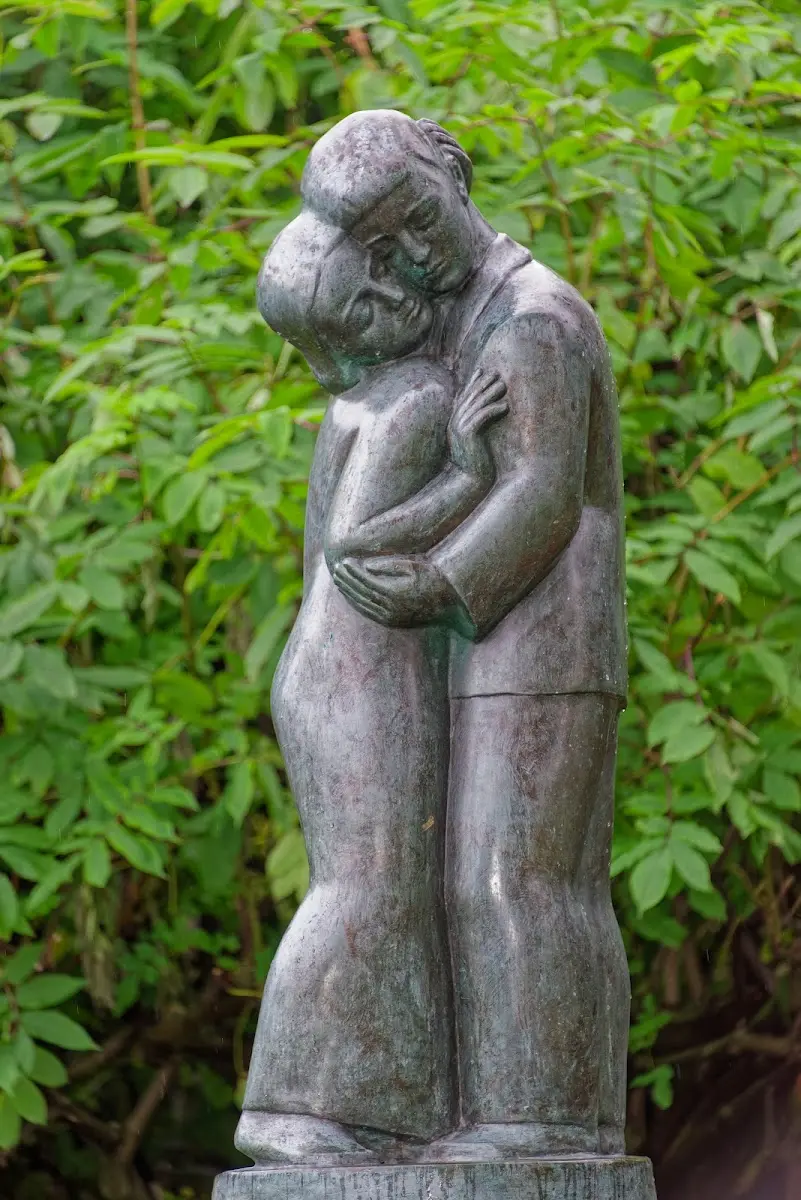
Reykjavík is full of statues, and the side streets in particular are full of creative ideas and surprises.
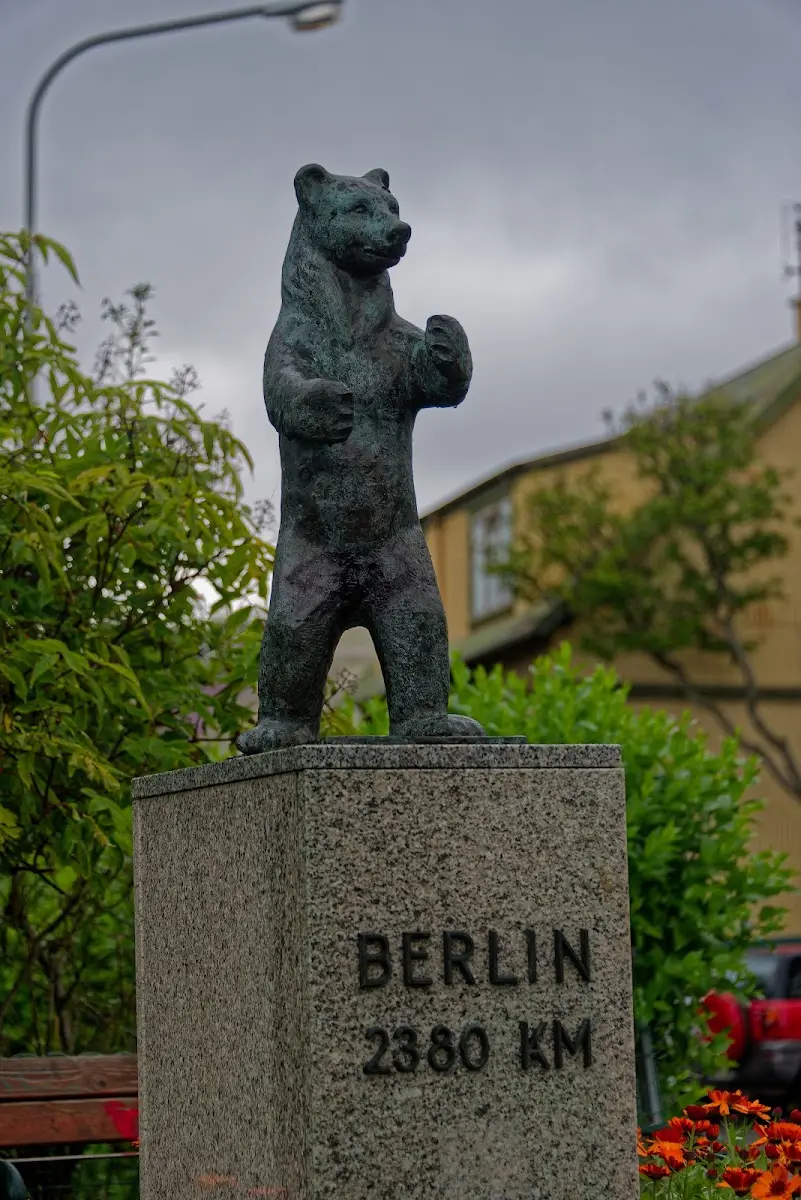
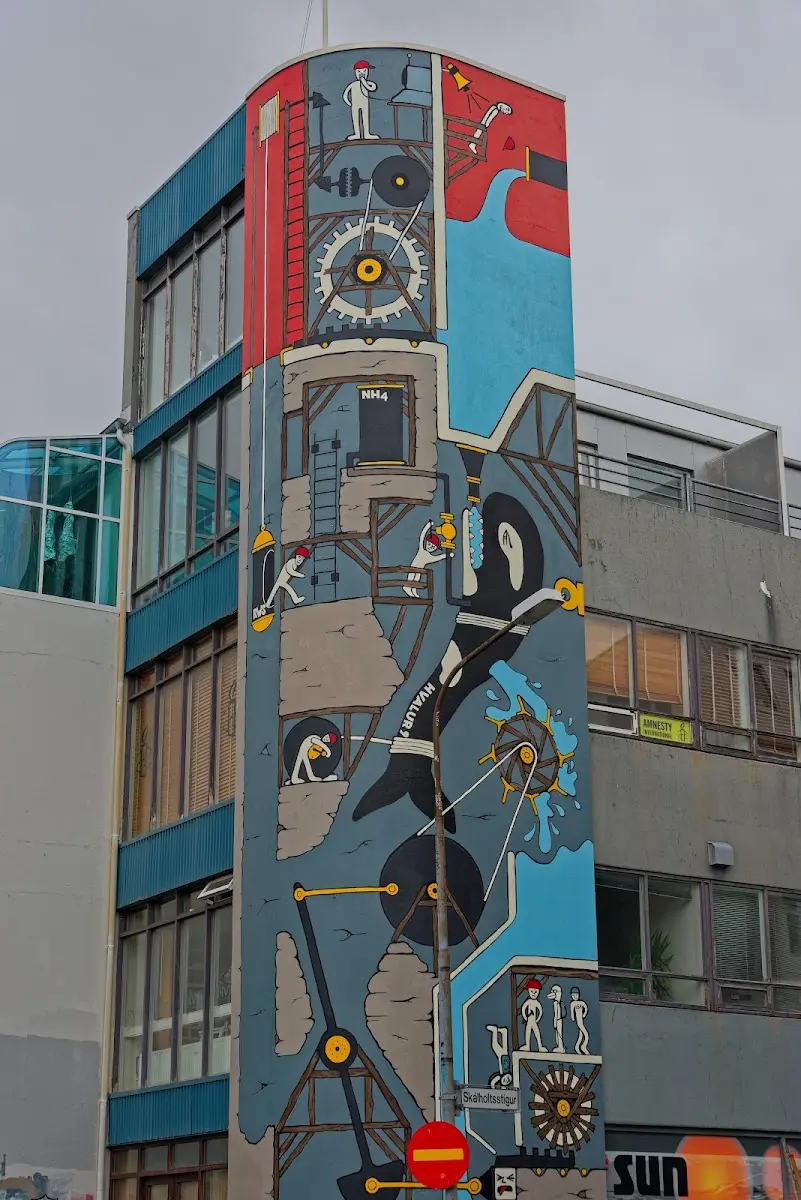
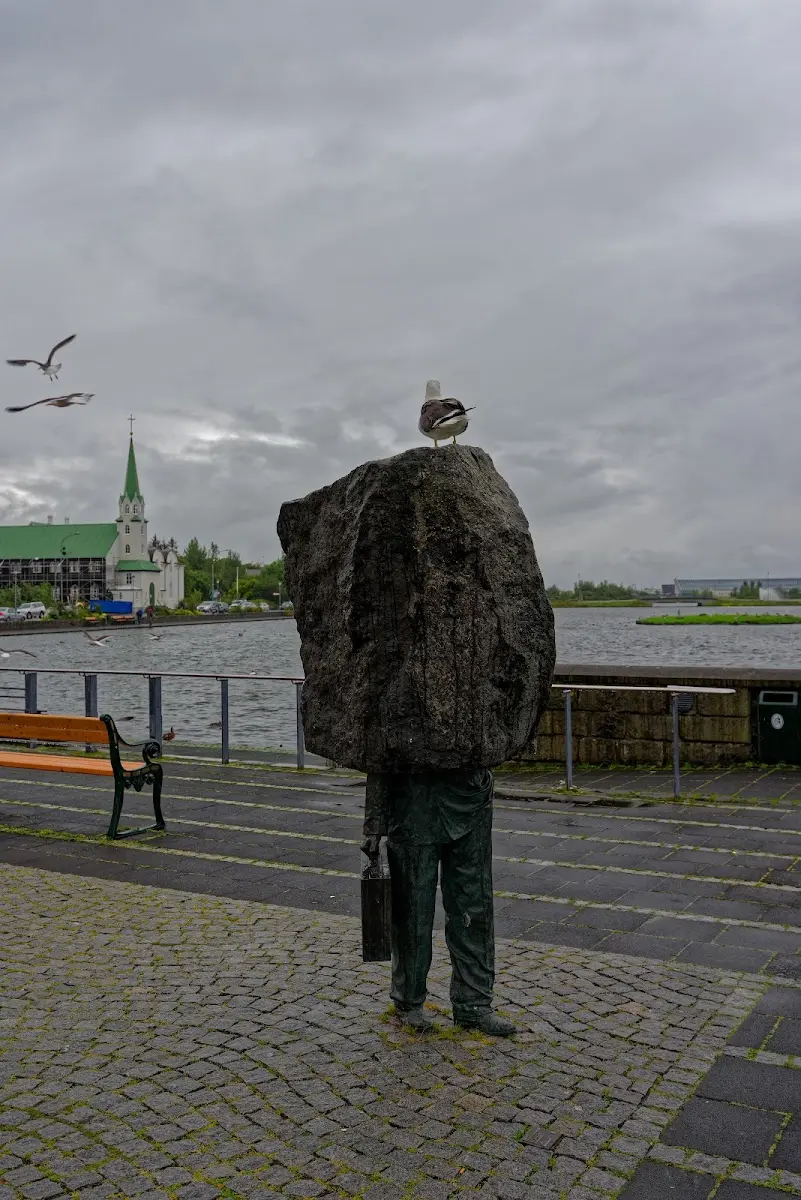
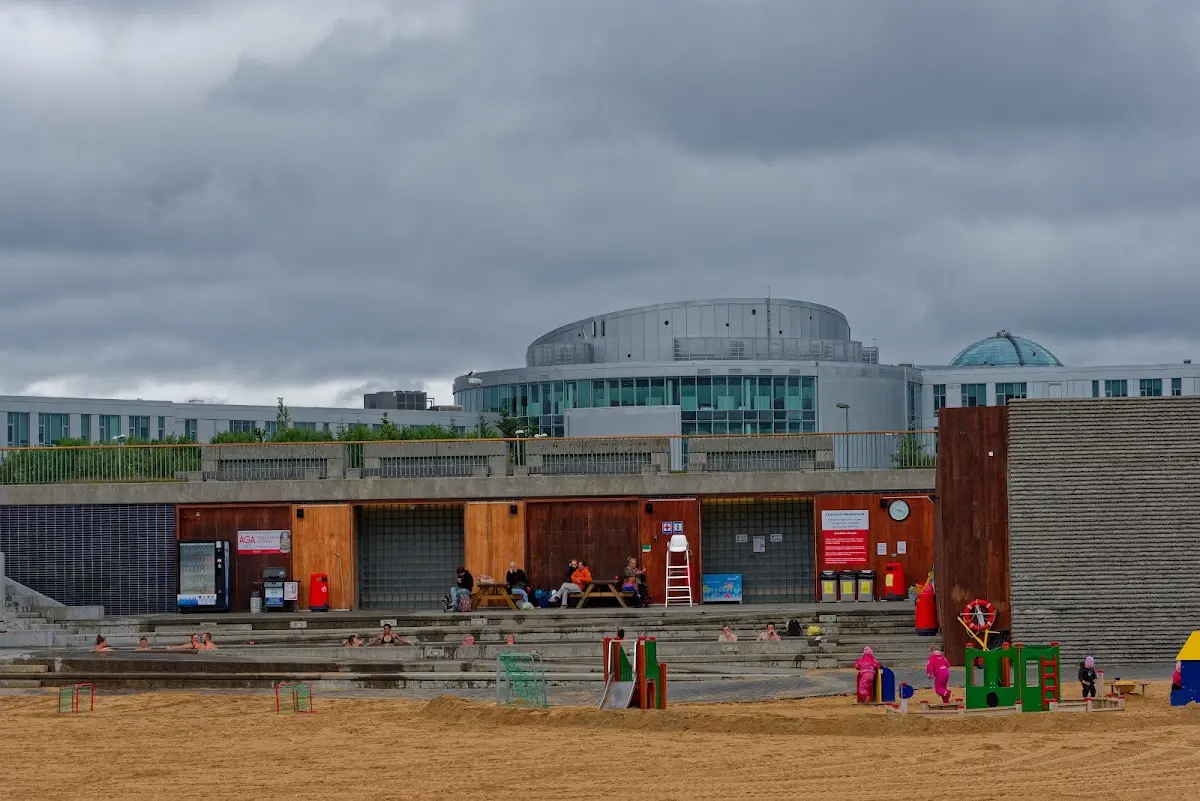
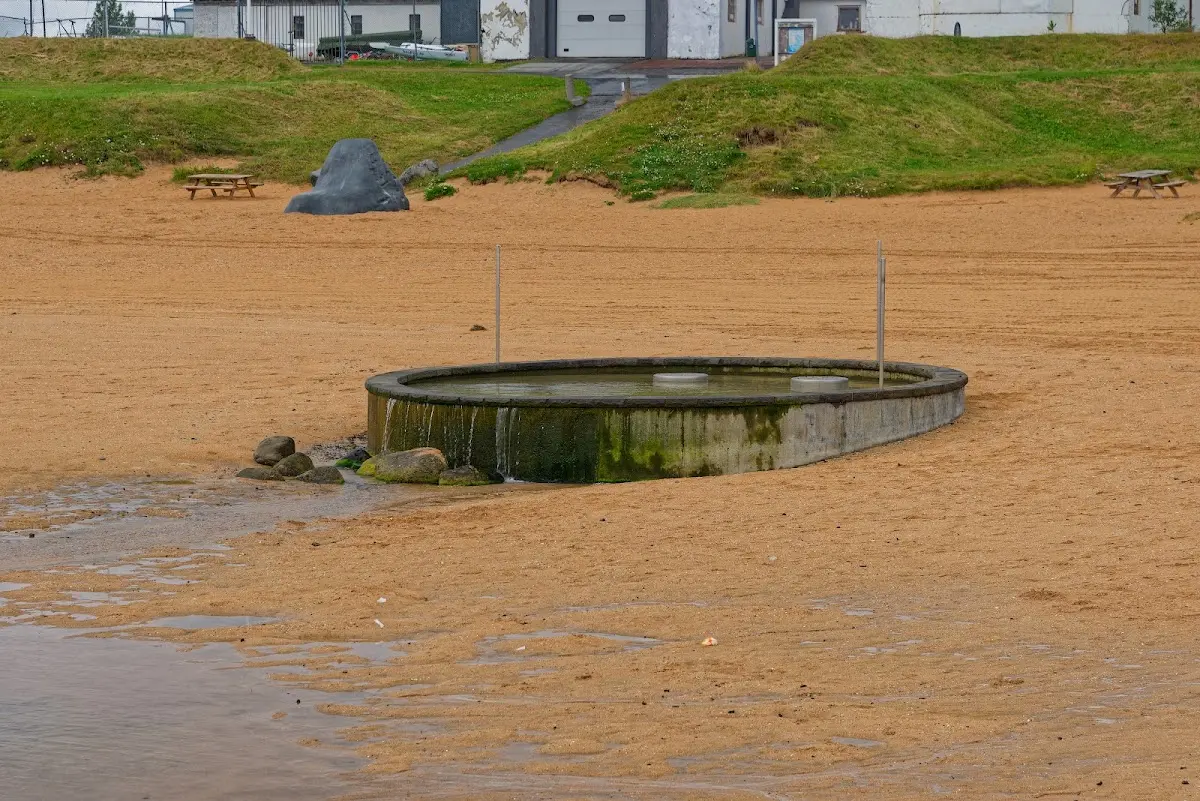
As far as I remember correctly, sand from North Africa was dumped in Nauthólsvík and parts of the ocean, or a few hot pots on the beach, are heated by geothermal energy.
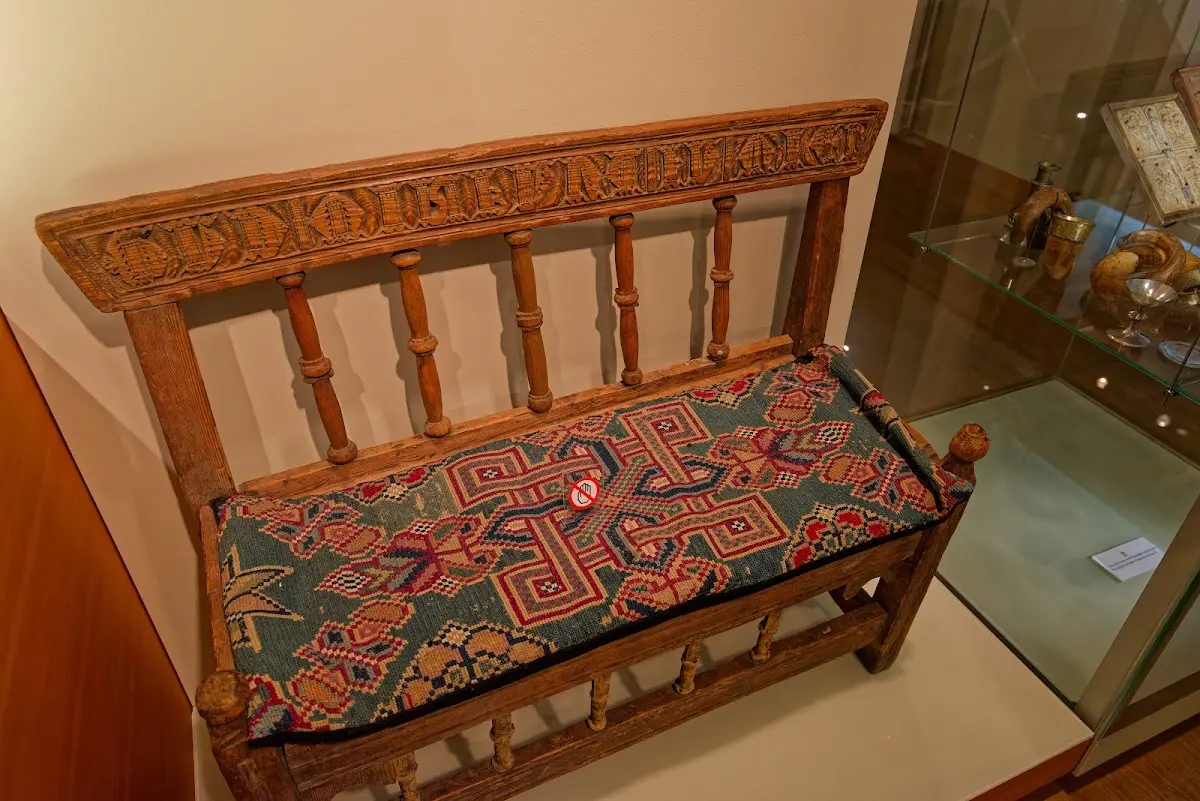
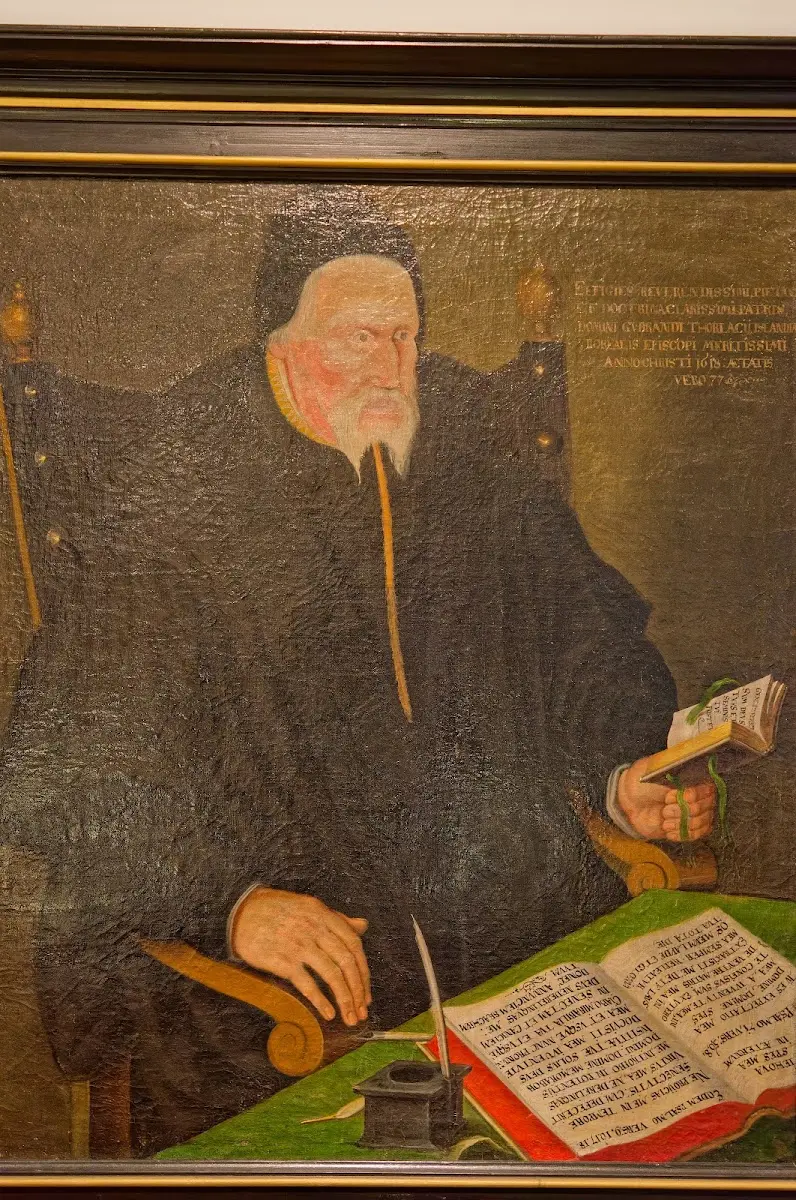
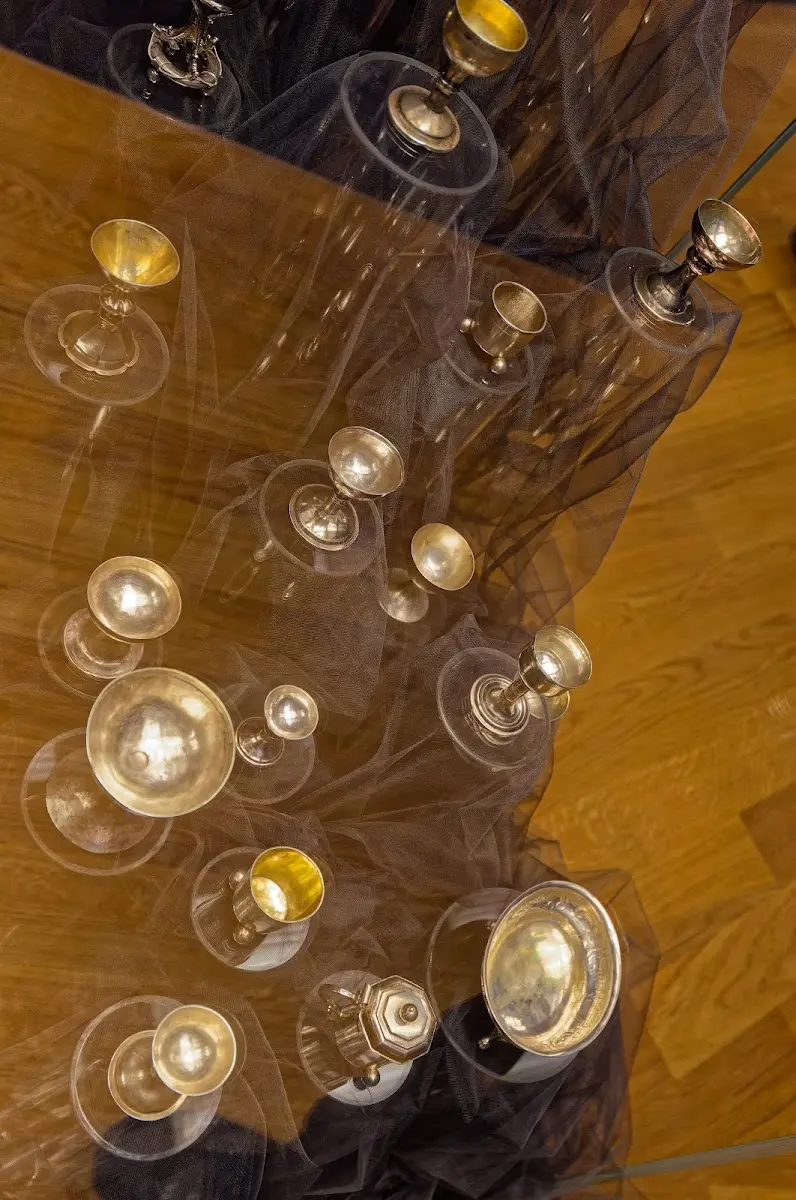
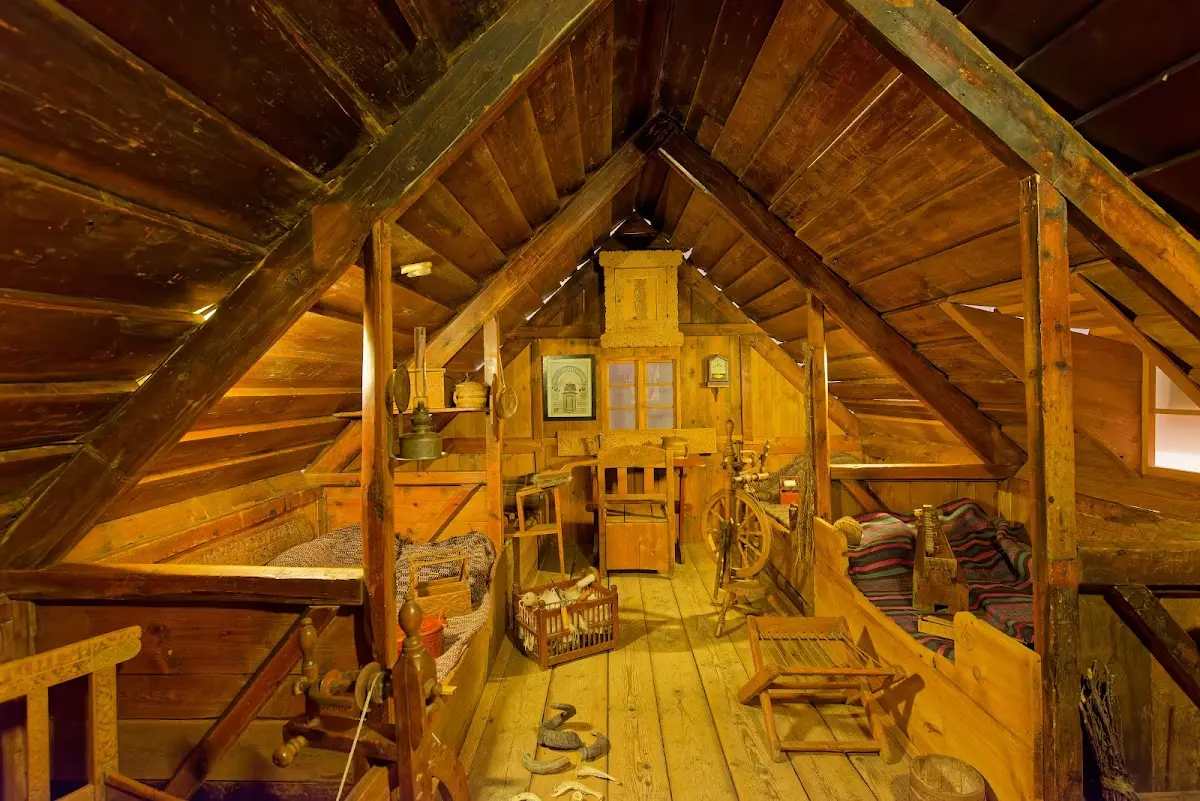
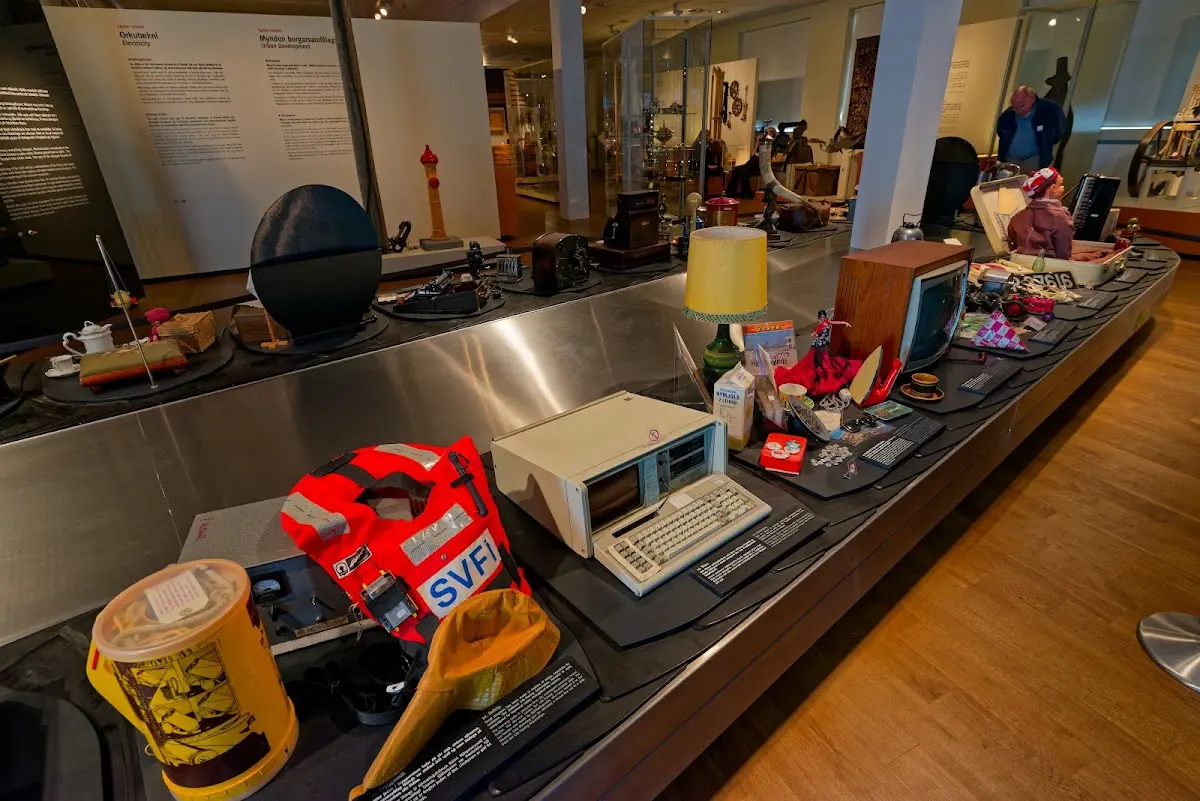
The cultural history museum Þjóðminjasafn is the National Museum of Iceland and deals with the history of Iceland.
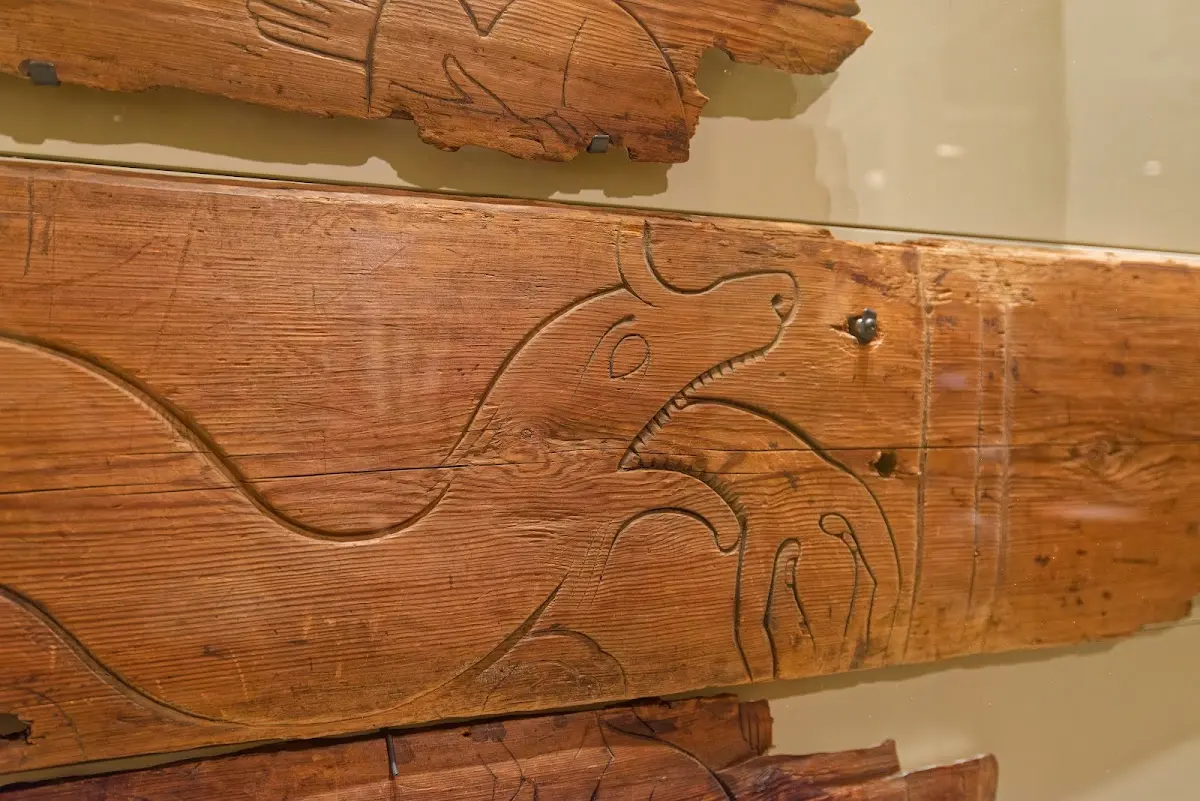
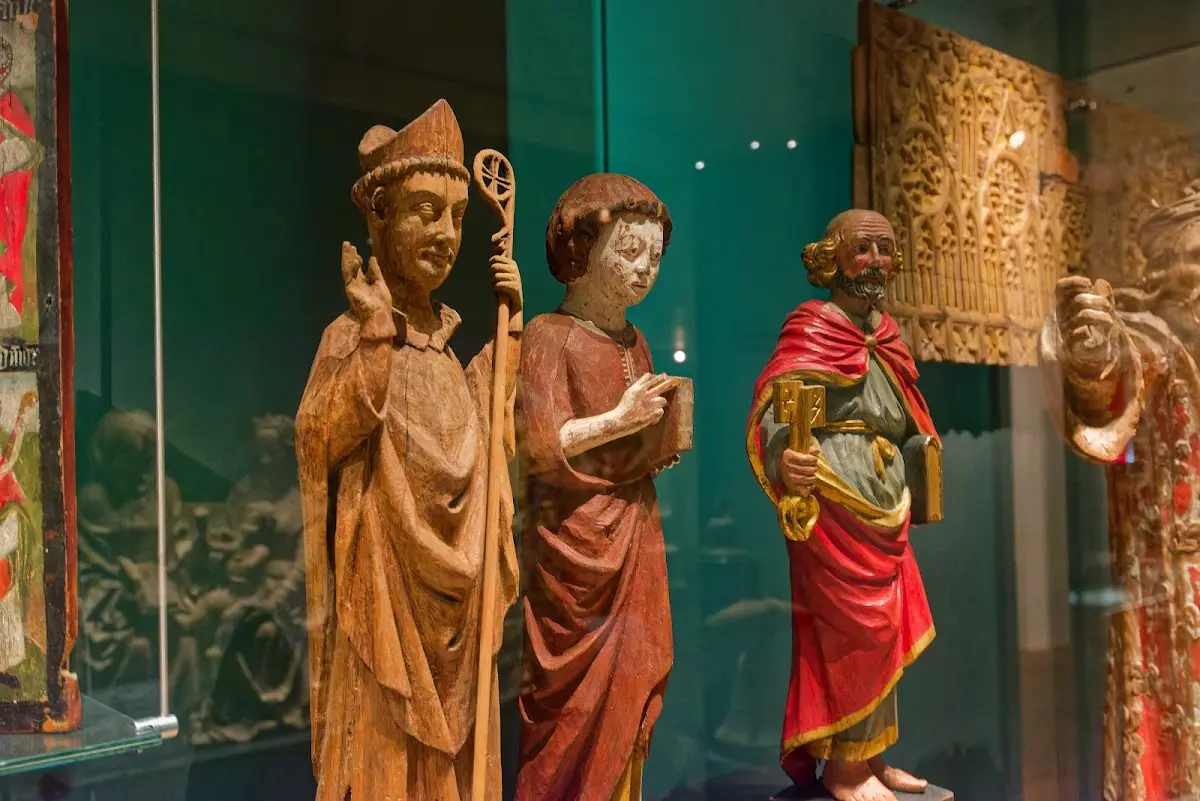
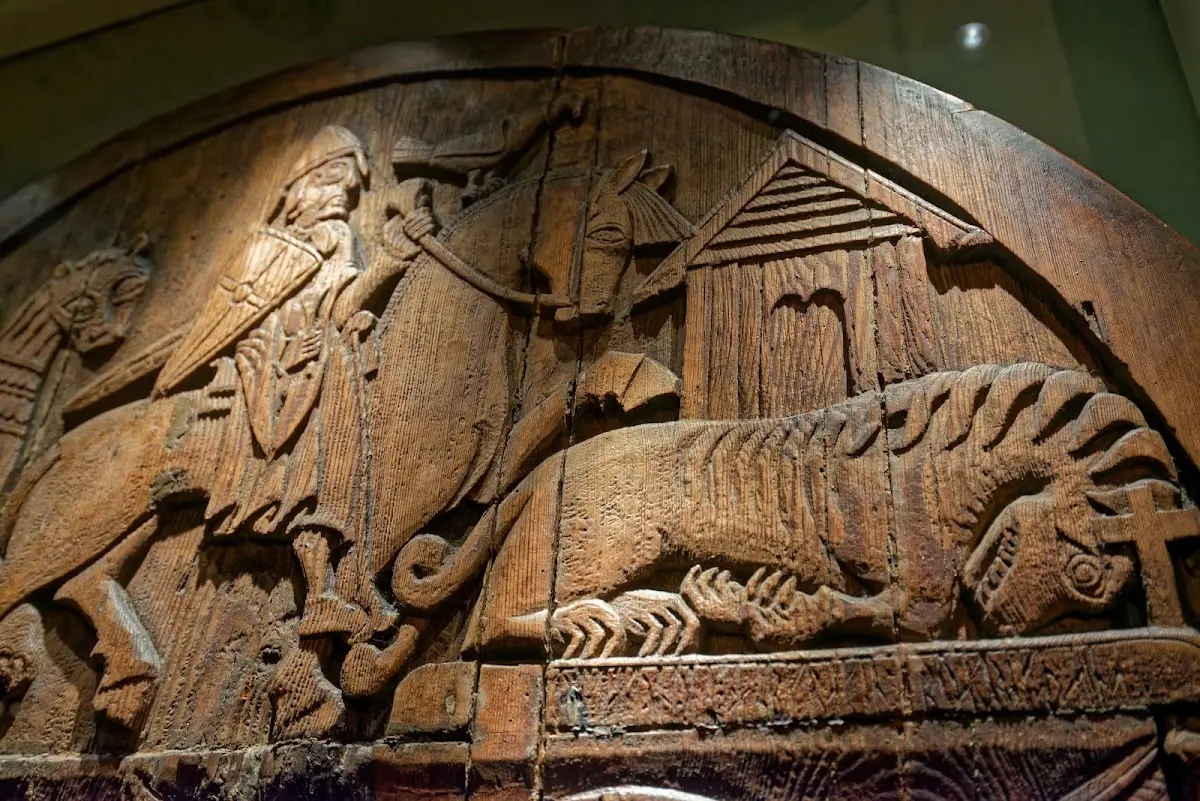
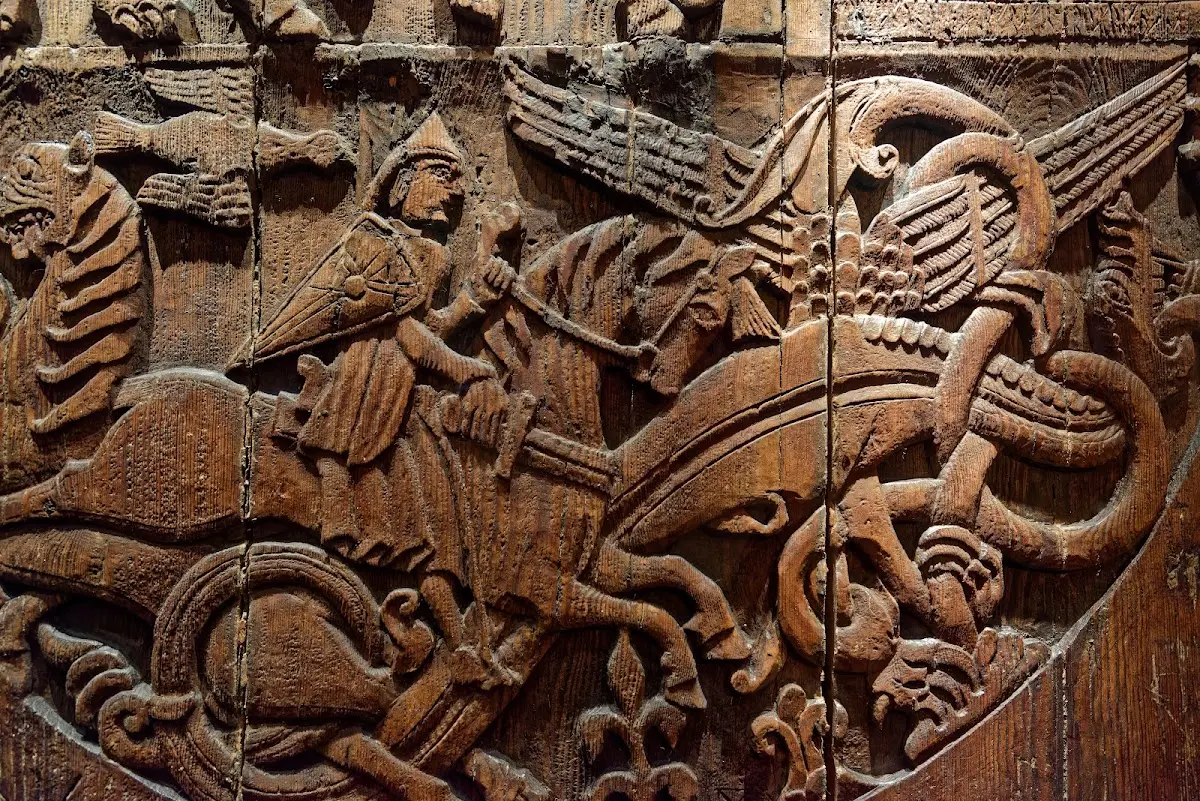
I could now tell stories on every single exhibit, but that would get lengthy... but I will tell you the translation of the inscription on the wedding bench from Skarð (16th century) “Guð miskunna þú mér” or roughly... “God have mercy on me”
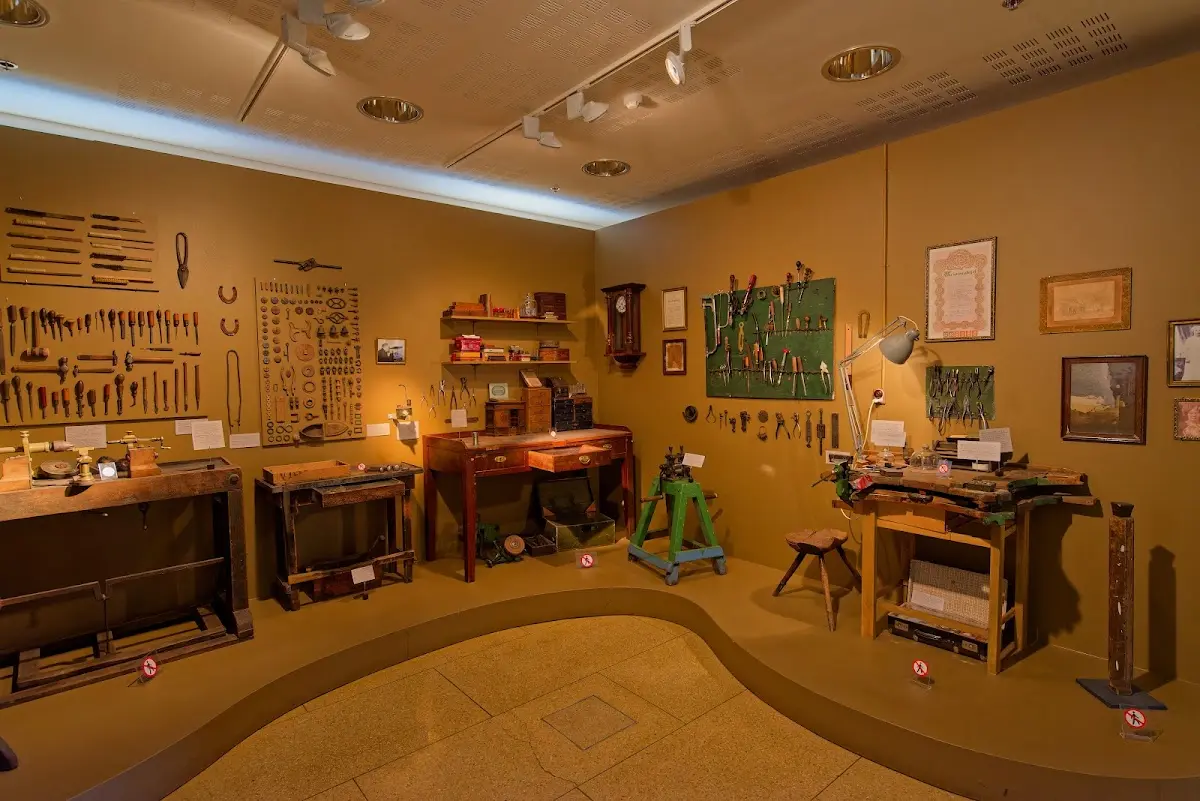
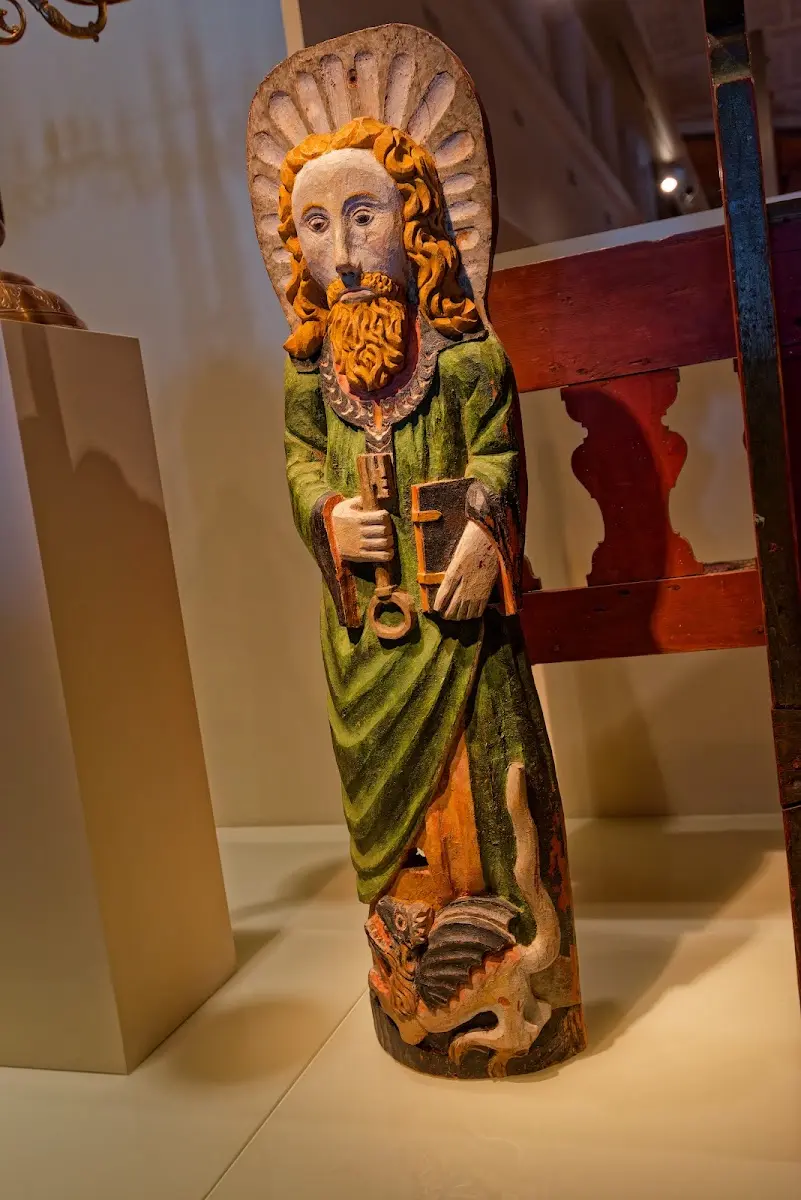
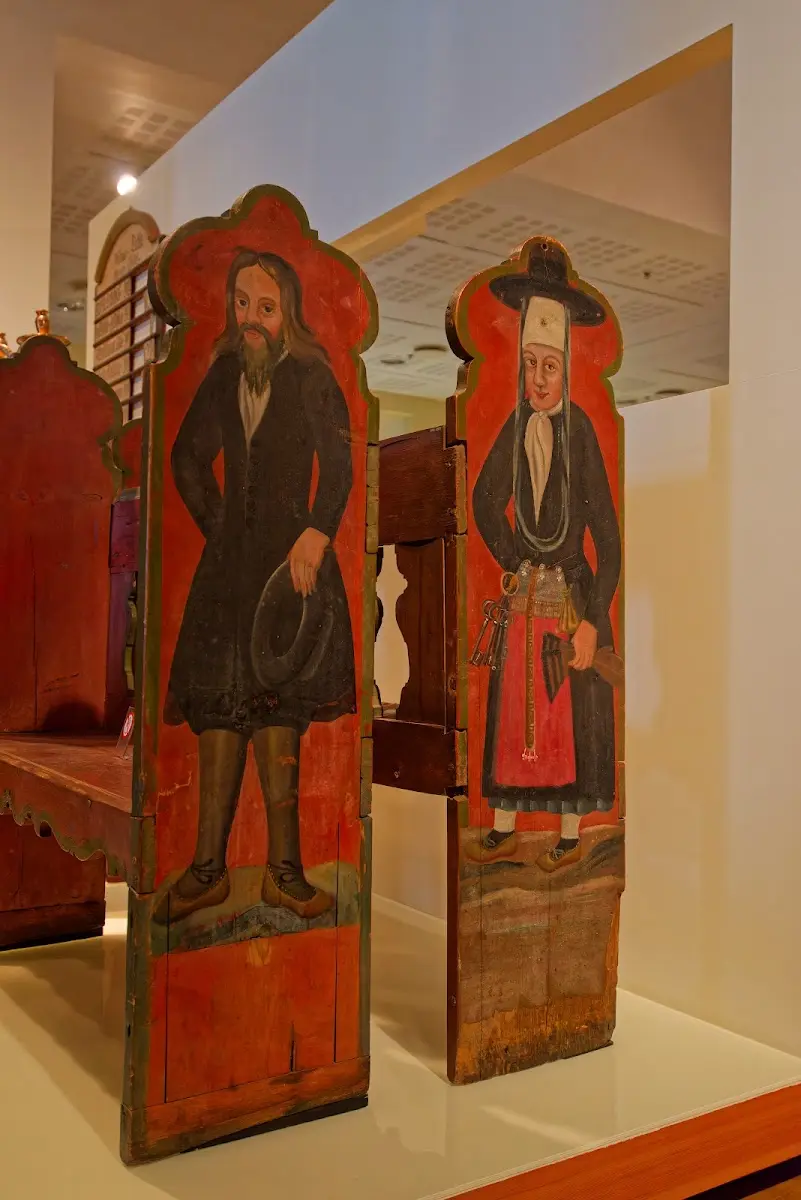
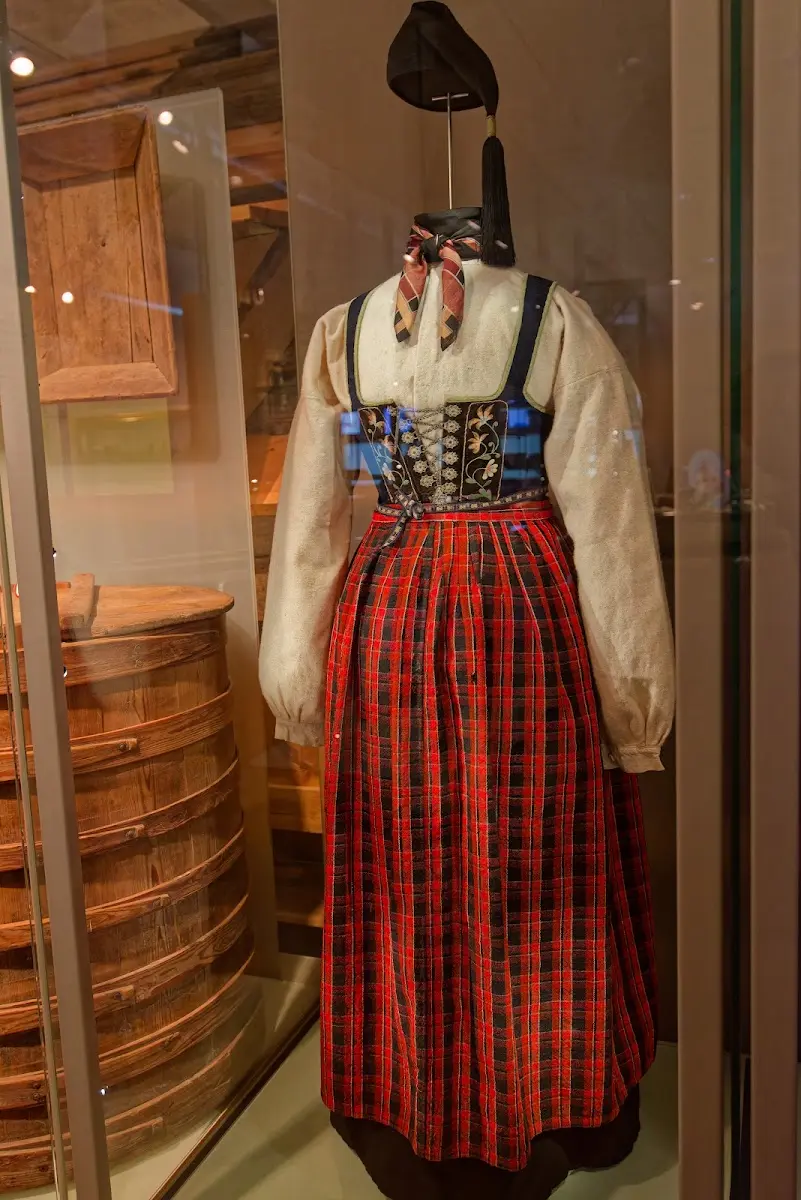
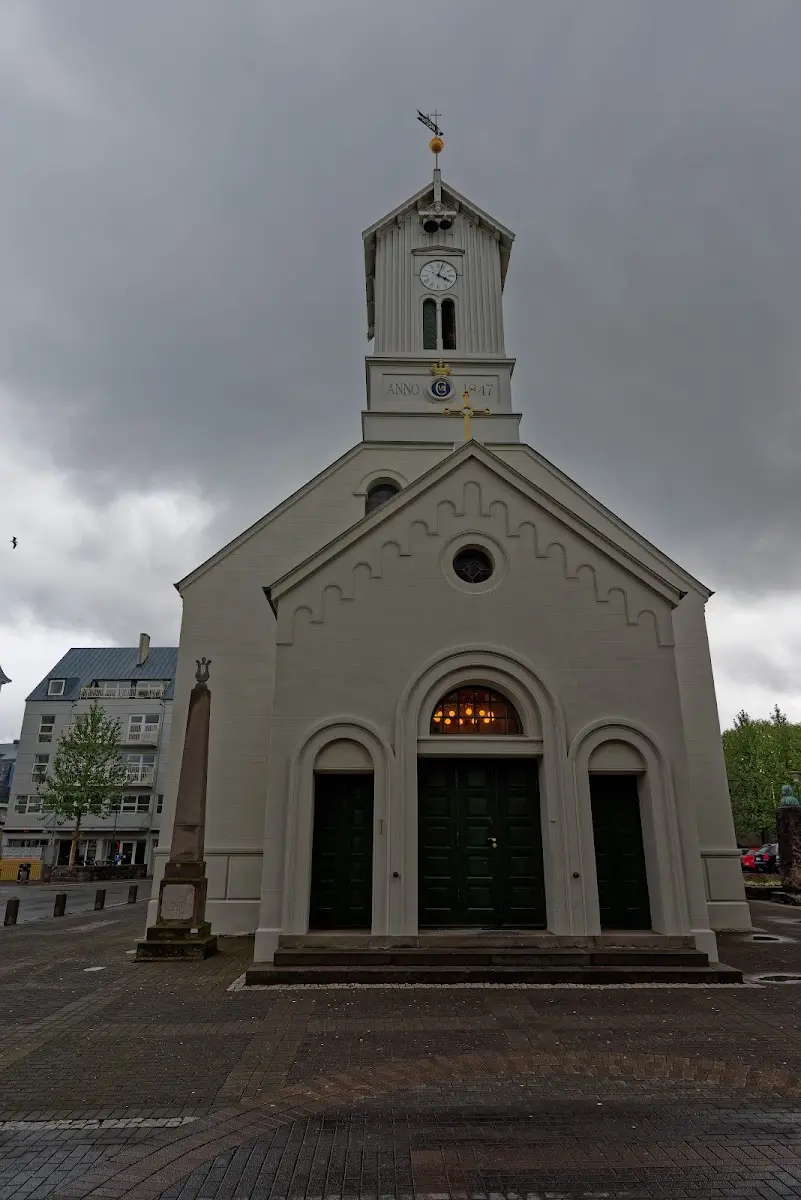
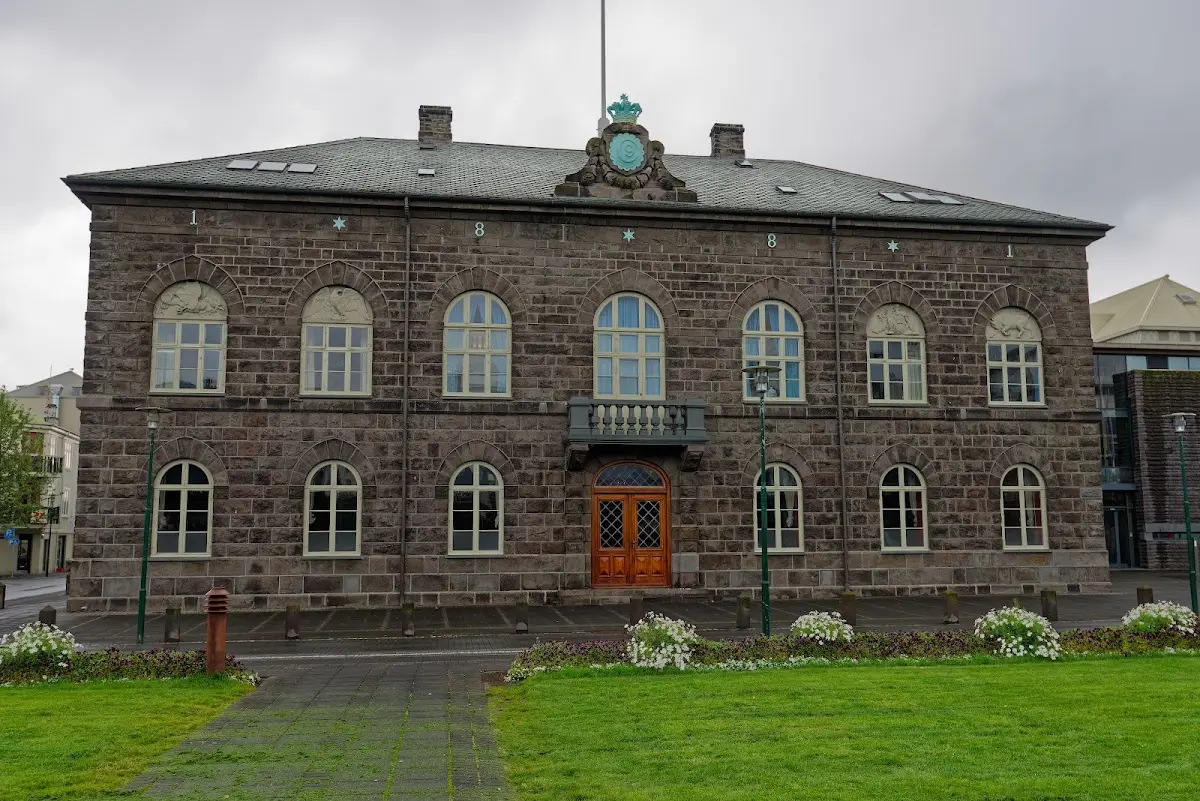
It is not the Hallgrímskirkja that is the cathedral of Reykjavík but the Dómkirkja, and right next to it is the parliament Alþingi.
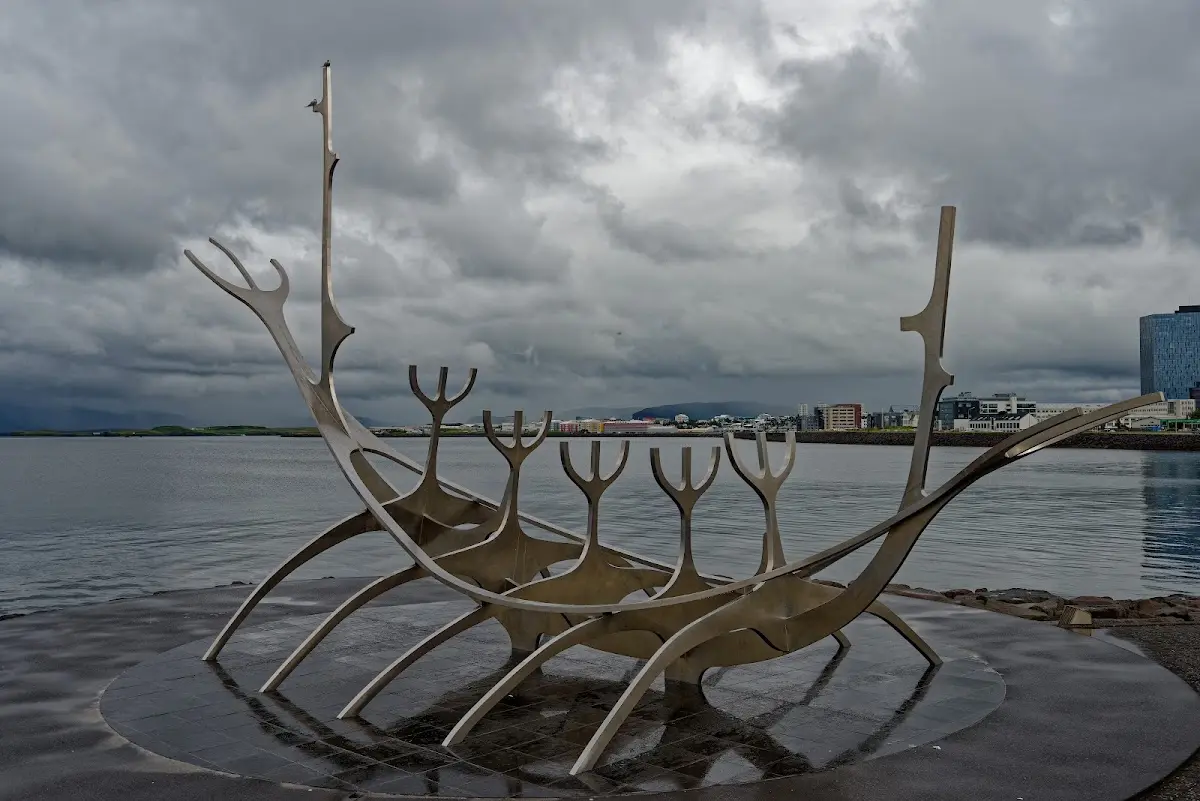
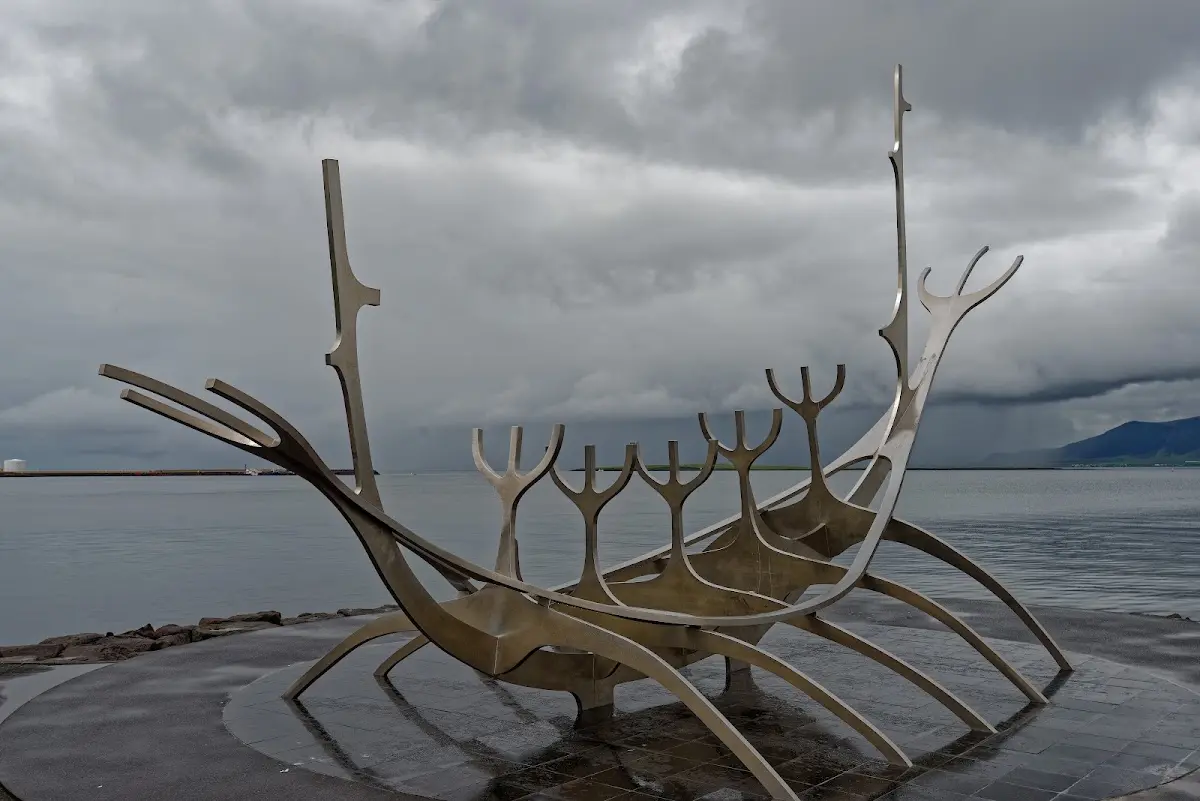
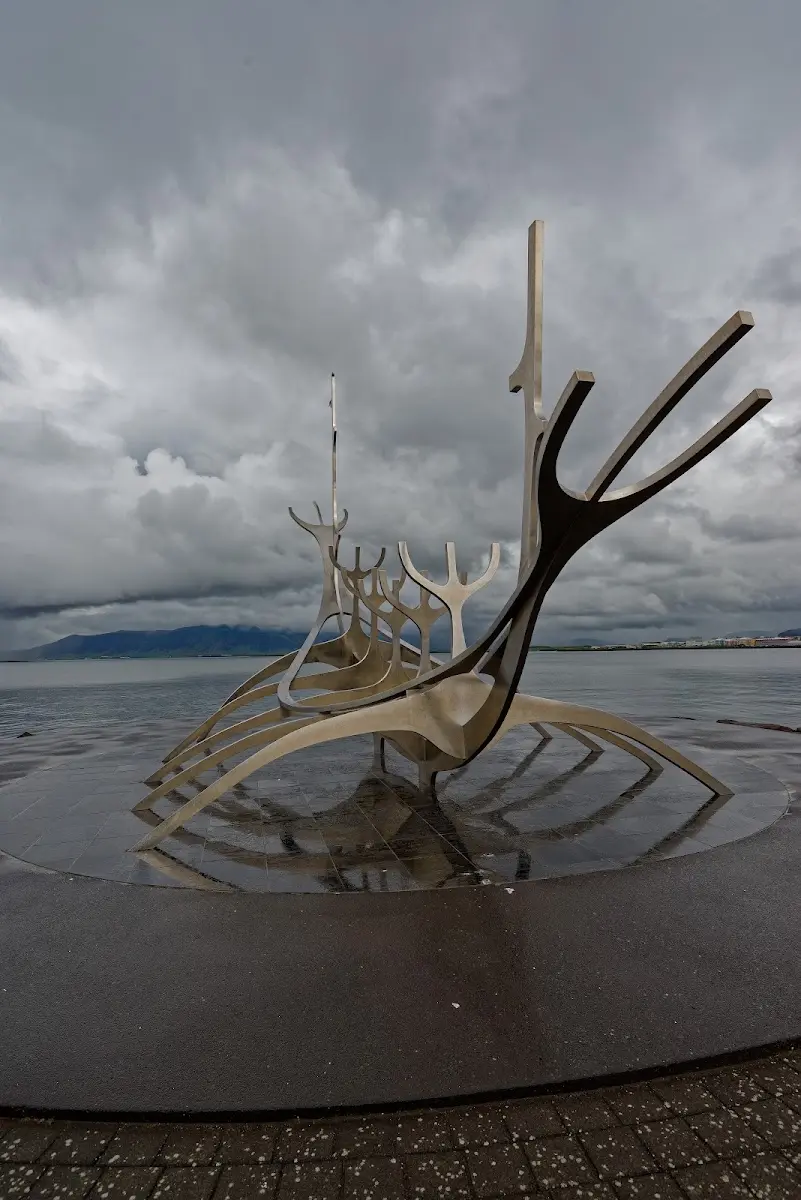
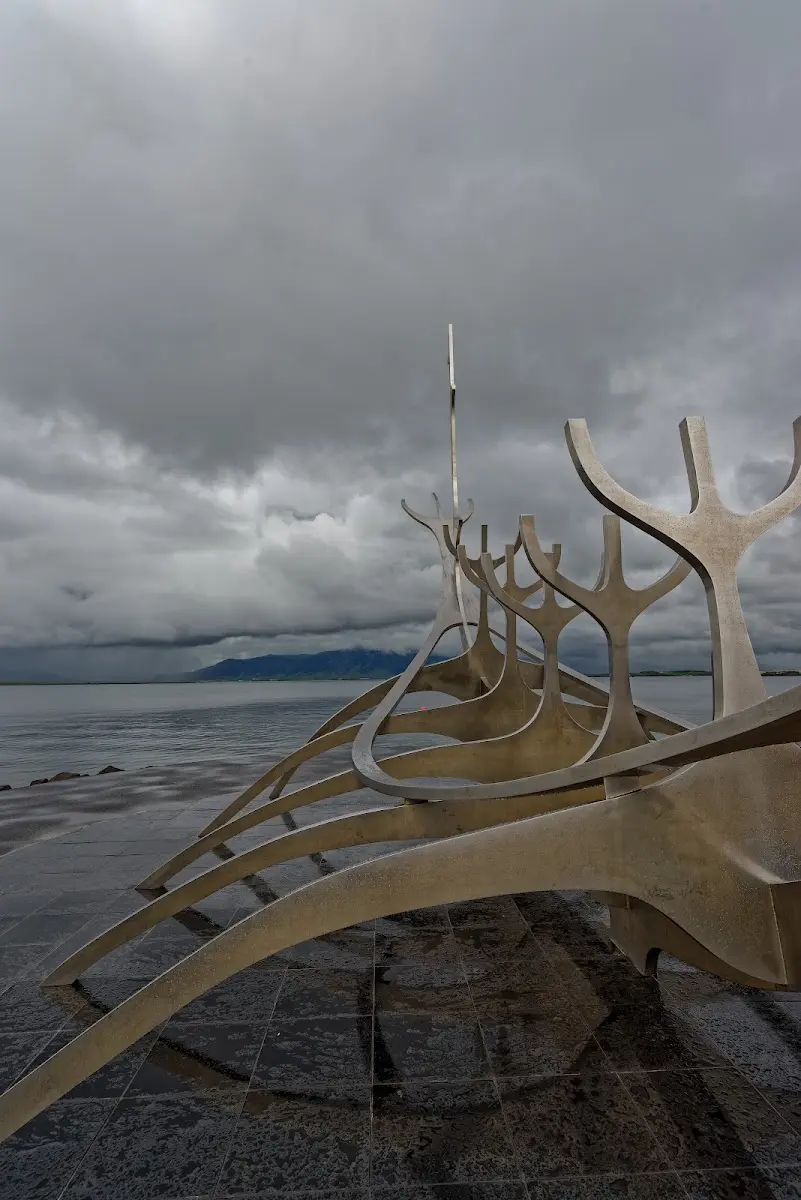
Sólfar, or Sun Voyager, by Jón Gunnar Árnason is on the face of it a Viking ship, but if you look into the artist’s circumstances of life, an interpretation as a ferry boat for the transport of souls into the realm of death might be more fitting...
I stayed overnight in Hafnarfjörður, a suburb of Reykjavík built on, or rather around, lava hills. Hafnarfjörður is a centre of belief in elves; amazingly many Icelanders are convinced that these lava hills are inhabited by elves. Right next to the sculpture park Víðistaðatún there is a hostel and campsite.
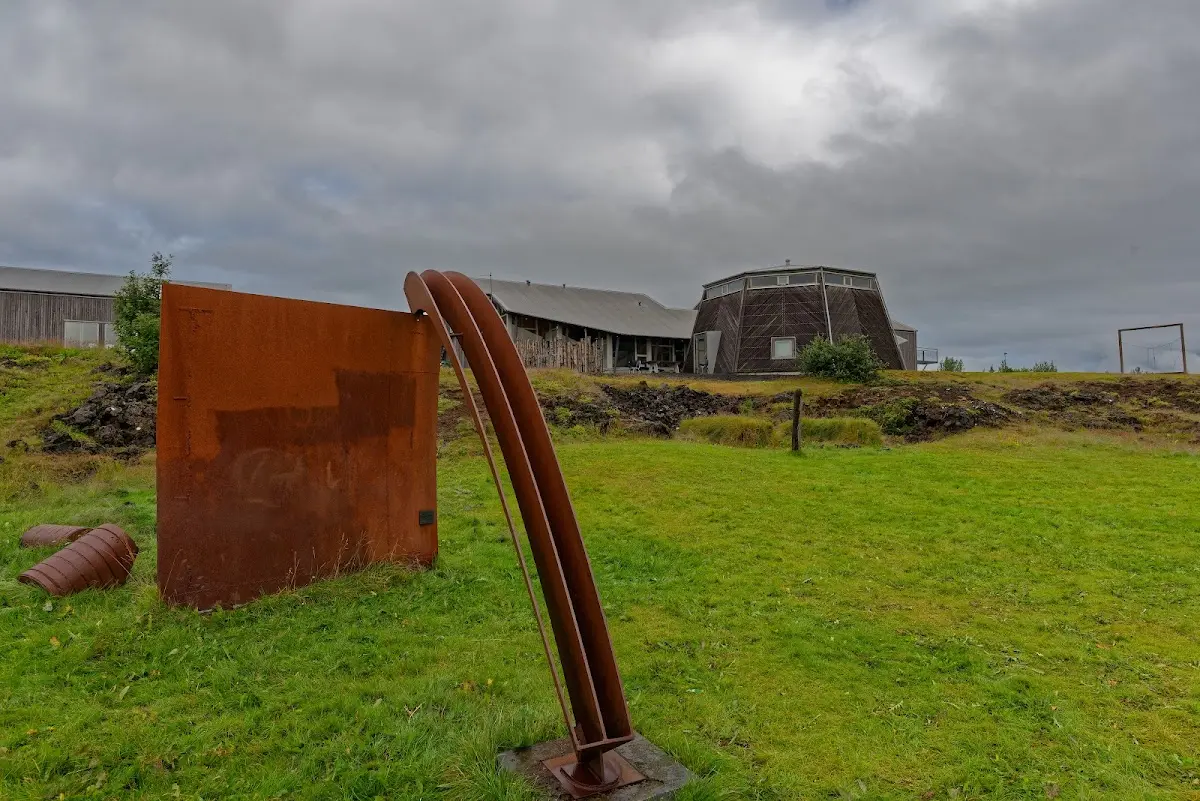
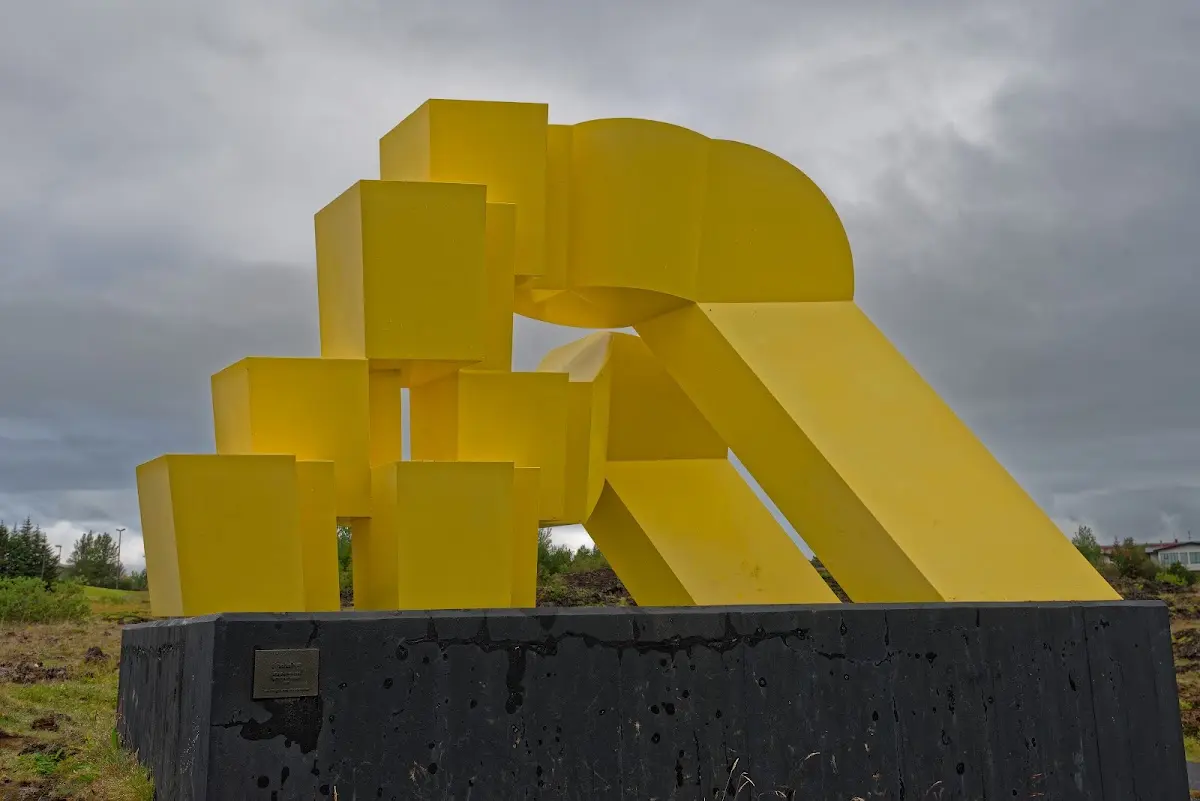
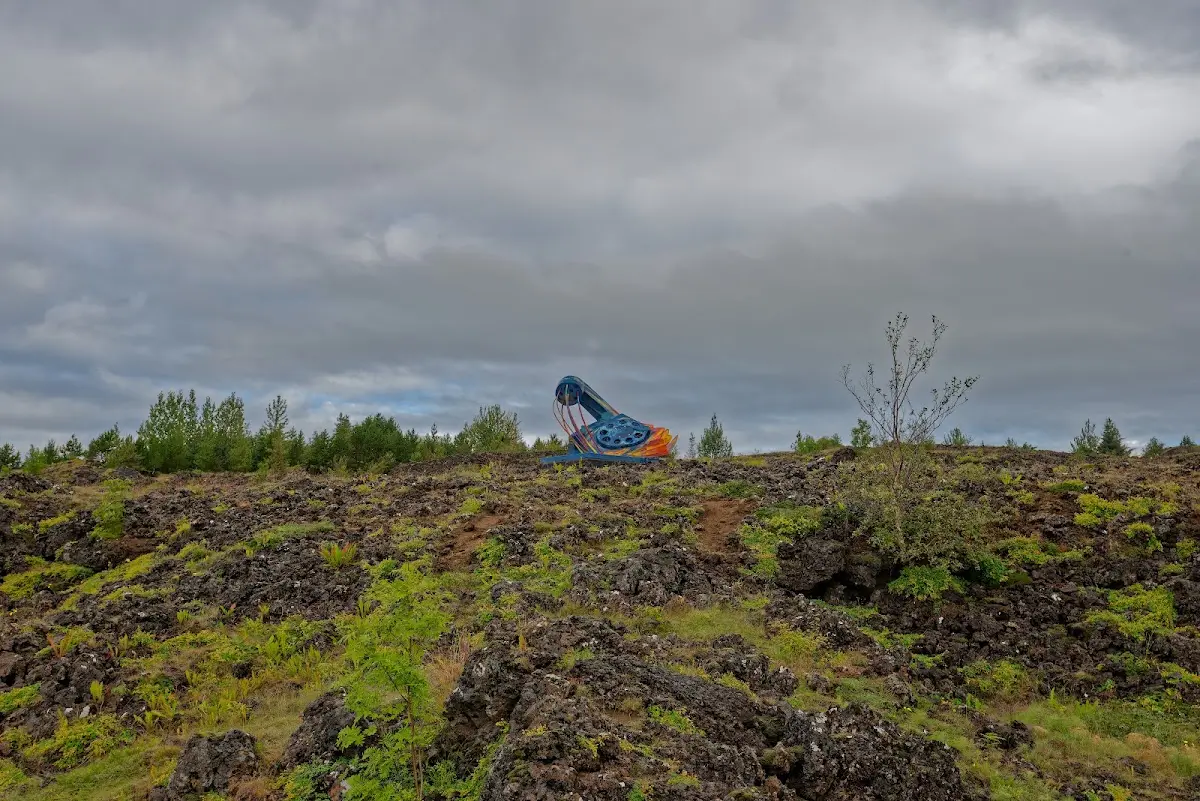
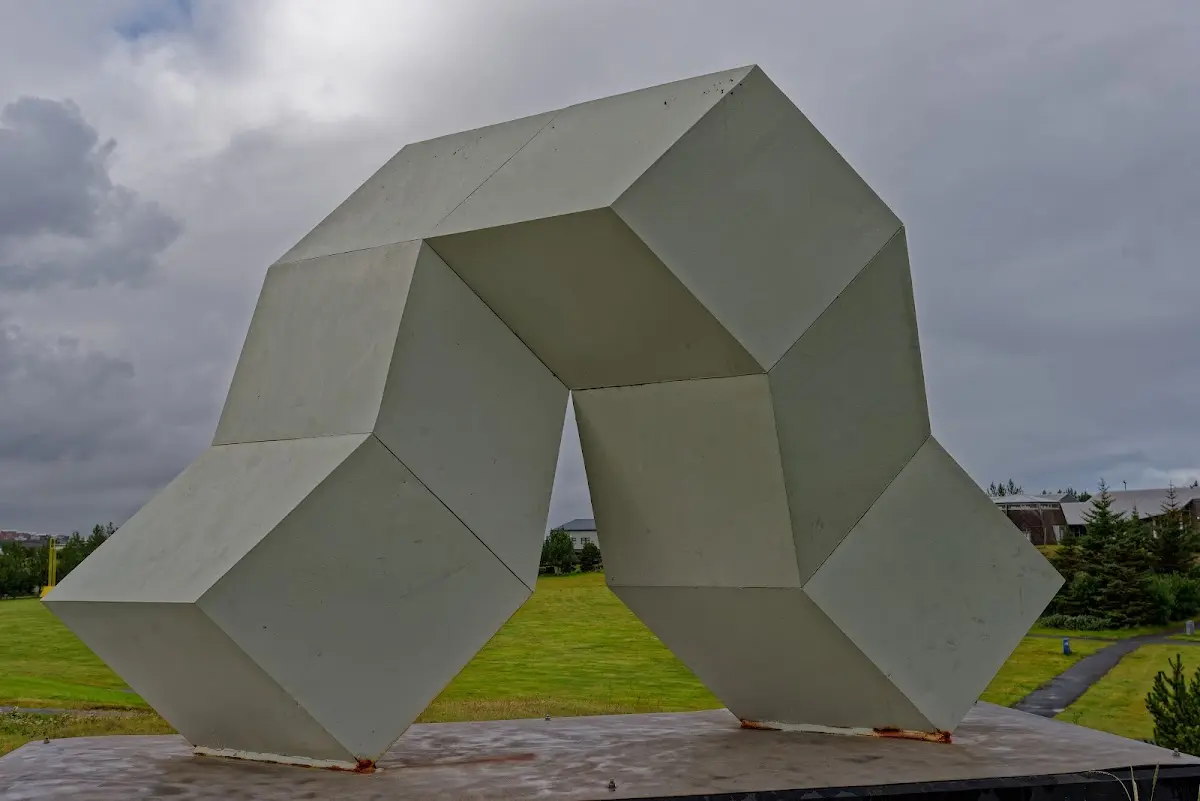
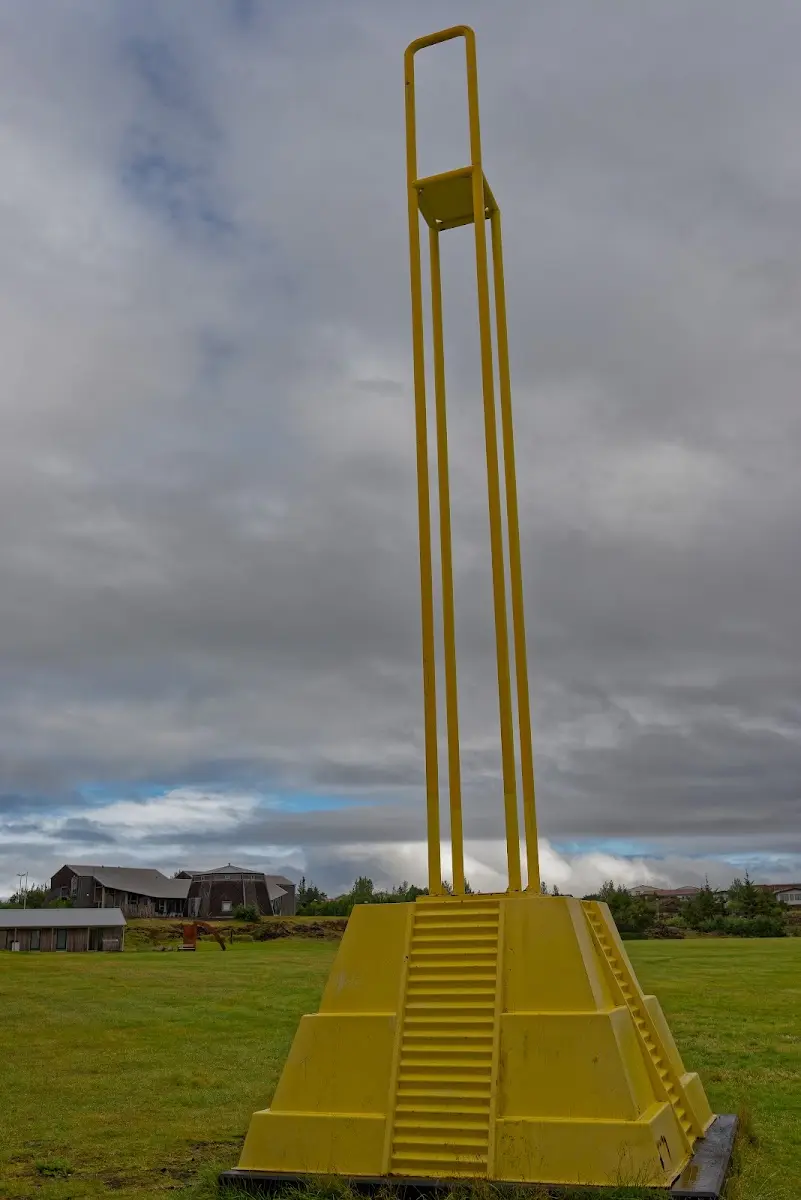
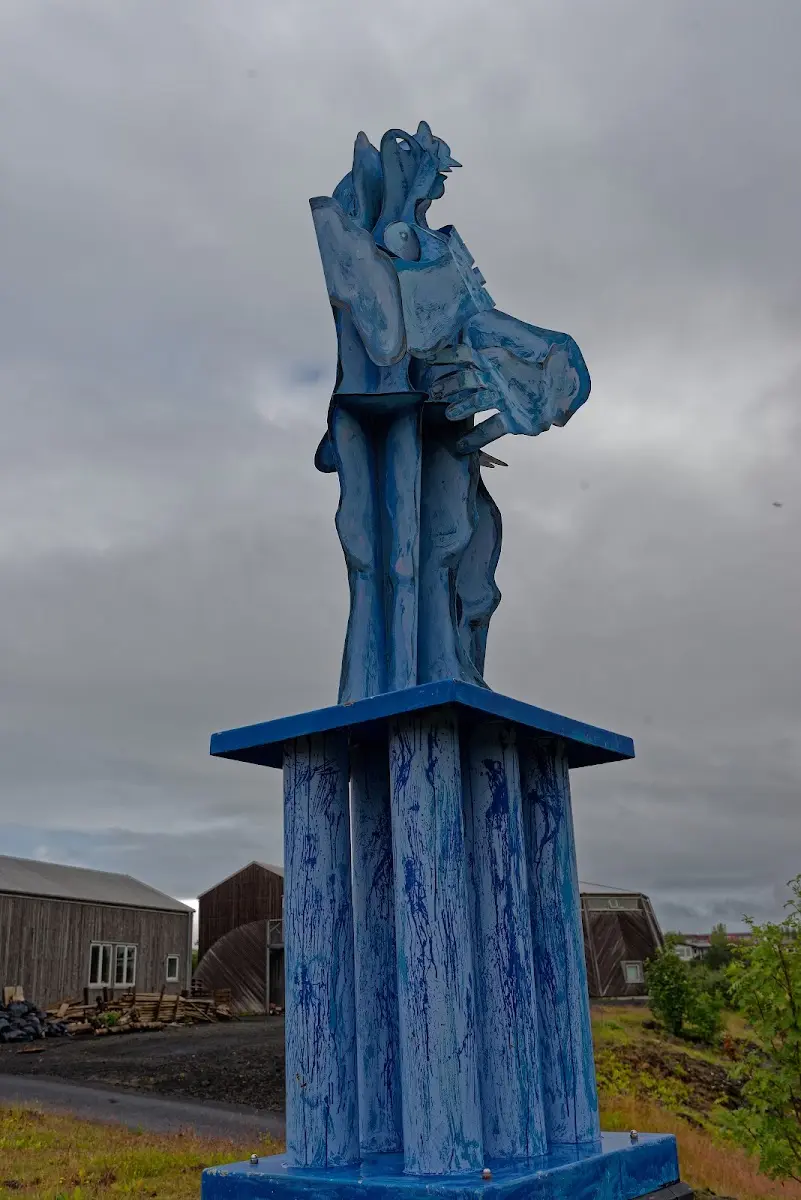
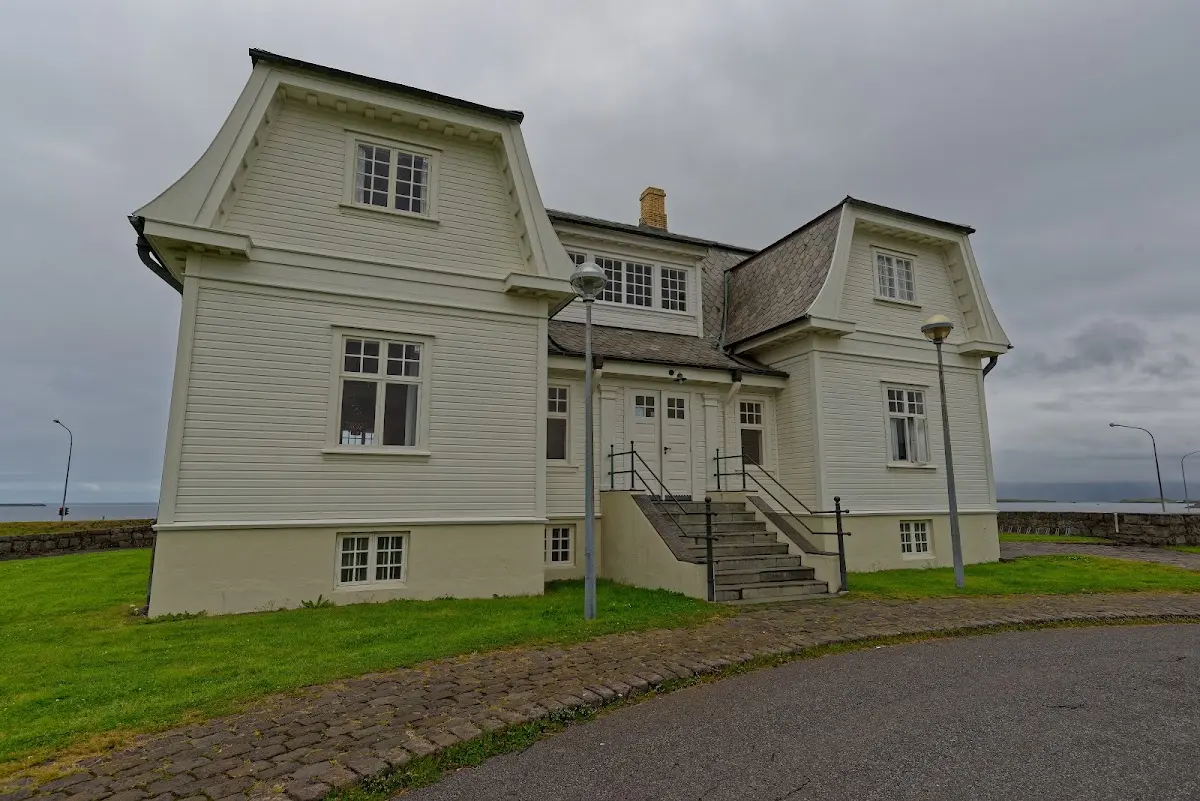
Höfði was built in 1909 for the French consul. From 10 to 12 October 1986 Ronald Reagan and Mikhail Gorbachev met there.
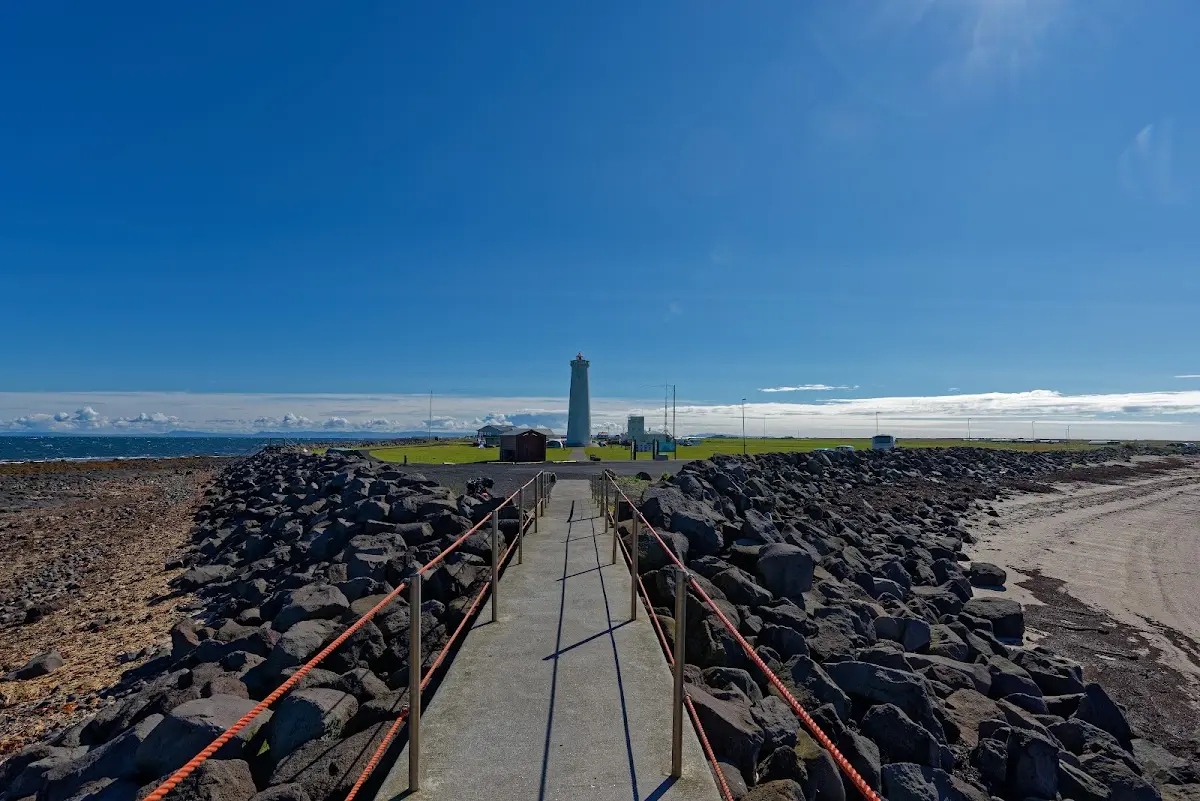
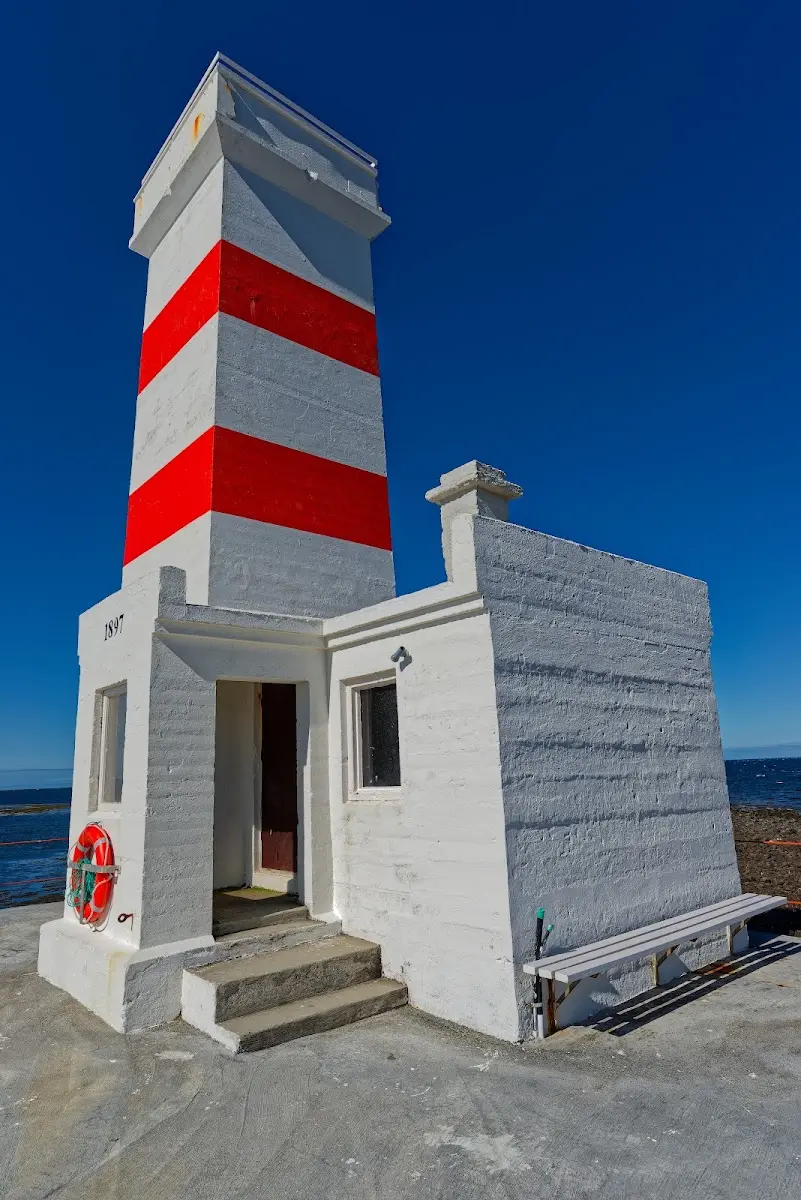
On the last day I made a detour to the airport and visited, among other places, Garður with its lighthouse, before the plane took me back to Munich at 7 the next morning. At MUC I reassembled my half-dismantled bike and rode along the Isar to Munich. A little north of St Emmeram I rode yet another highland track, Isarsandur, as the flood damage along the Isar had not been repaired yet. I rode the track quite carefree after my experiences in Iceland.
“How was it?” --- “Schee war’s!” (Bavarian for: lovely it was!)