Biking and Hiking New Zealand - Christchurch
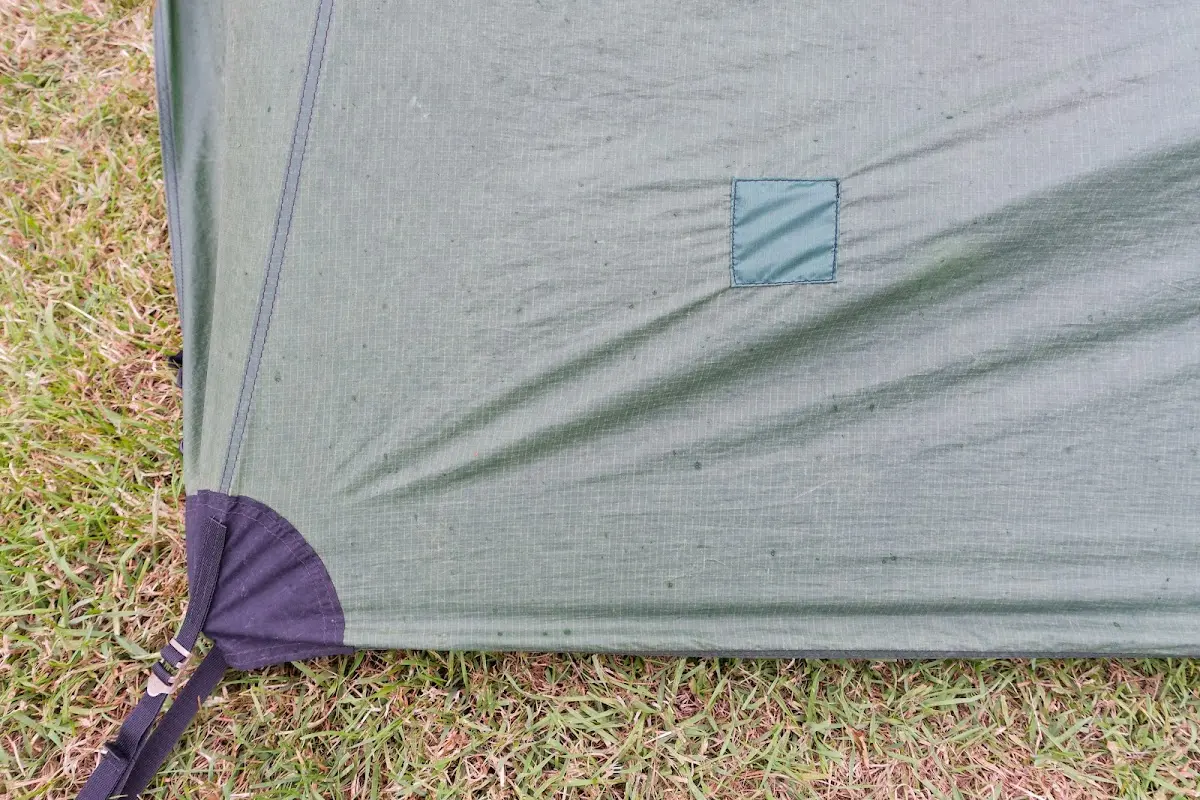
I had an appointment with a repair shop this morning, one that happened to work with the original materials used by my tent manufacturer. So I stayed a day in Christchurch.
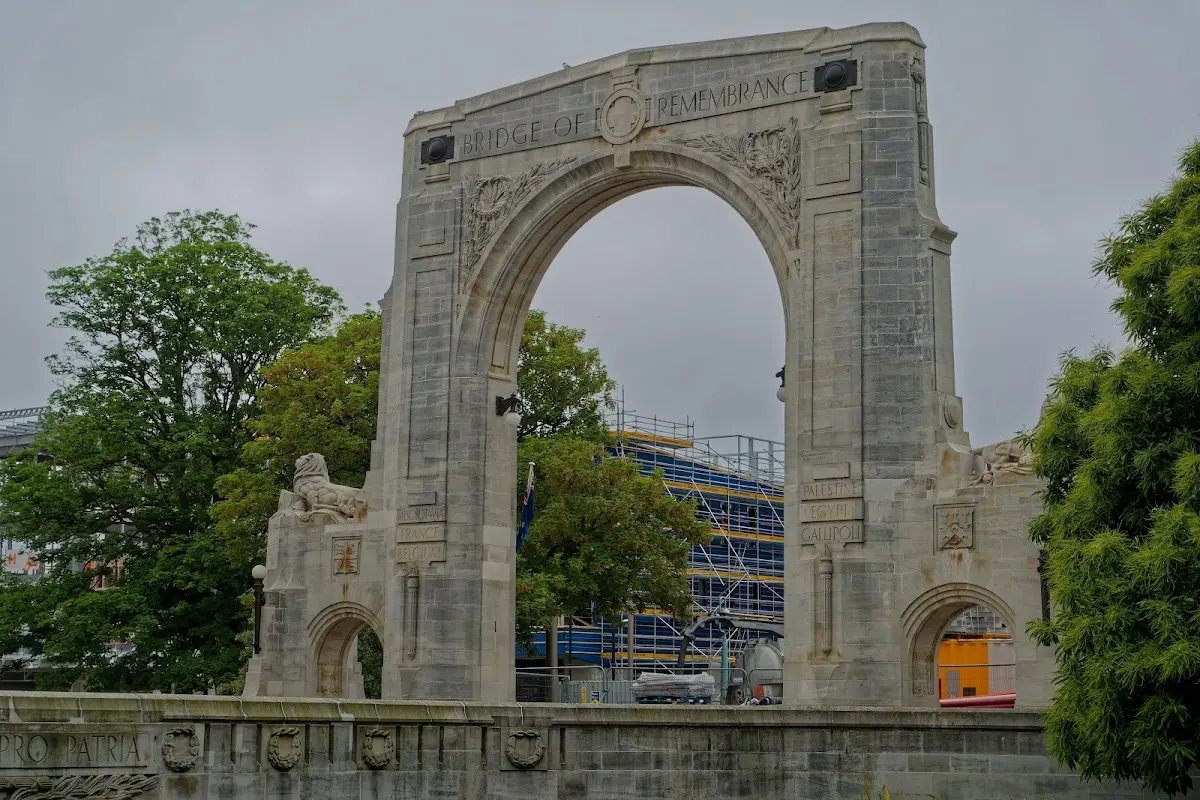
The Bridge of Remembrance war memorial, scaffolding still up behind it — the earthquake rebuild still visibly underway.
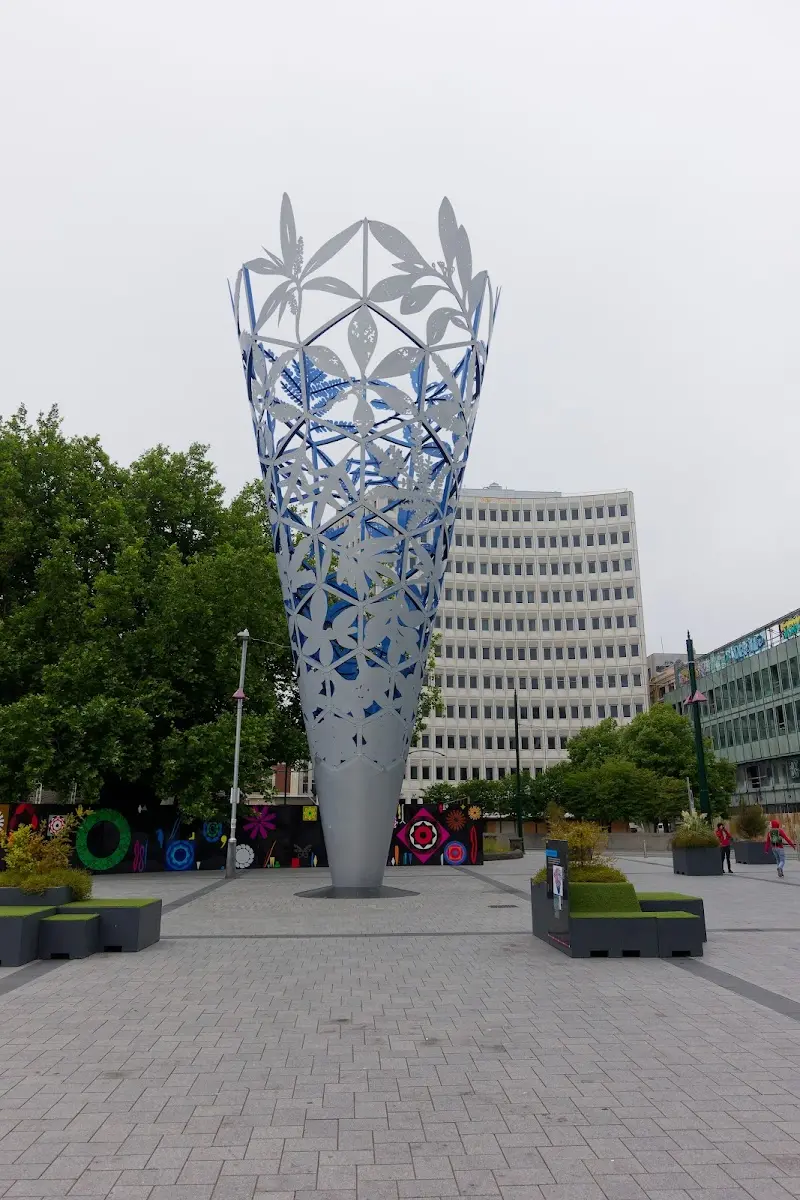
The giant metal "Chalice" sculpture in Cathedral Square, a construction site poking through its filigree base.
Earthquake Christchurch 2011
On February 22, 2011, a 6.3-magnitude earthquake struck Christchurch, New Zealand, causing widespread devastation and resulting in 185 deaths. This intraplate earthquake, potentially an aftershock of the September 2010 Canterbury earthquake, was centered just 6.7 kilometers southeast of Christchurch's central business district. The quake's shallow depth and proximity to the city, combined with already weakened infrastructure, led to severe damage.
The earthquake caused significant liquefaction, particularly in Christchurch's eastern suburbs, producing around 400,000 tonnes of silt. This liquefaction, along with the quake's high peak ground acceleration, resulted in extensive ground movement and infrastructure damage, including 80% of the water and sewerage systems. The quake also led to increased spring activity in the Avon and Heathcote Rivers.
In the central city, many older buildings, especially those with unreinforced masonry, suffered severe damage or collapse. The Canterbury Television (CTV) building collapsed, killing 115 people, including 12 Japanese students. A government report later found the building's construction was faulty. The Pyne Gould Corporation (PGC) building also collapsed, resulting in 18 casualties.
The iconic ChristChurch Cathedral was severely damaged, losing its spire and part of its tower. Plans for its demolition faced opposition, leading to a decision to reinstate the cathedral with government support. Meanwhile, the congregation has been worshipping at the temporary Cardboard Cathedral since 2013.
The Hotel Grand Chancellor, Christchurch's tallest hotel, was severely damaged and deemed irreparable, leading to its demolition. Other notable demolitions included the PricewaterhouseCoopers building and the Carlton Hotel, both affected by the earthquake.
Overall, the 2011 Christchurch earthquake was New Zealand's costliest natural disaster, causing over $44.8 billion in damages. It significantly impacted Christchurch's population and infrastructure, leading to a long-term recovery and rebuilding process.
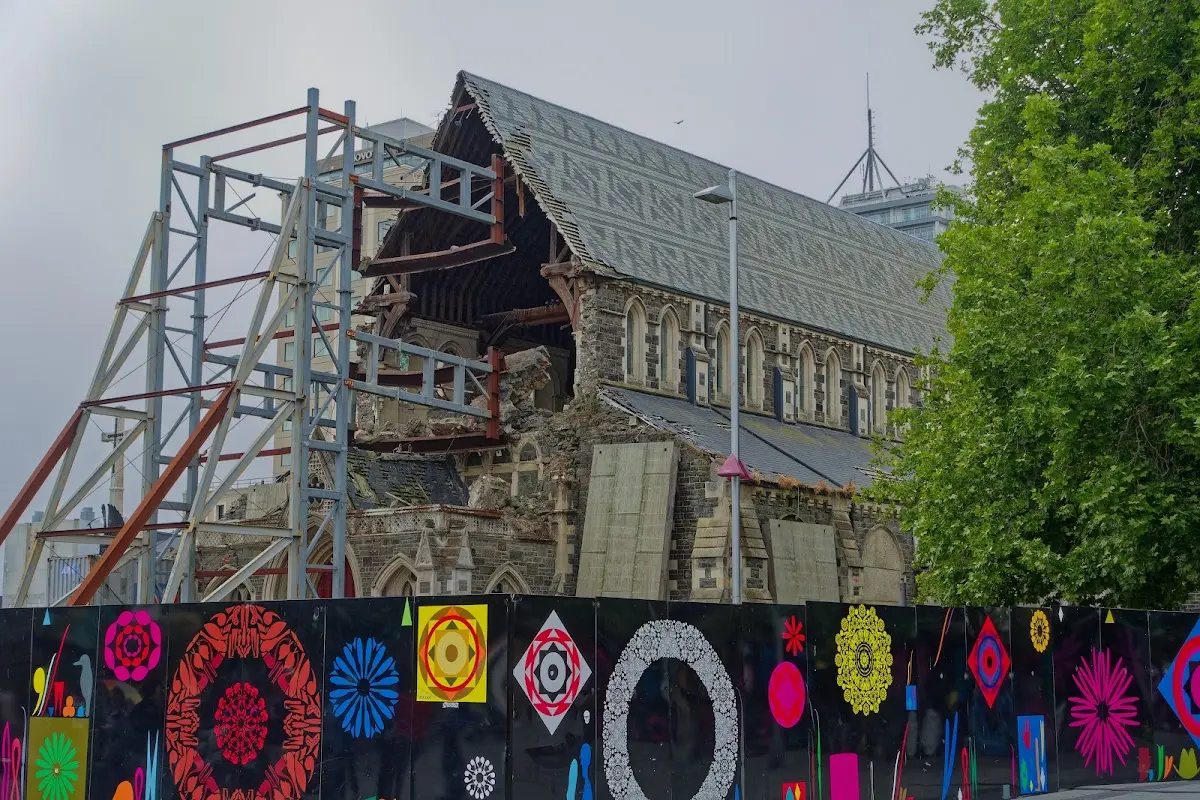
ChristChurch Cathedral itself, still shattered and shored up almost five years after the quake — colourful hoarding hiding the worst of it from the square.
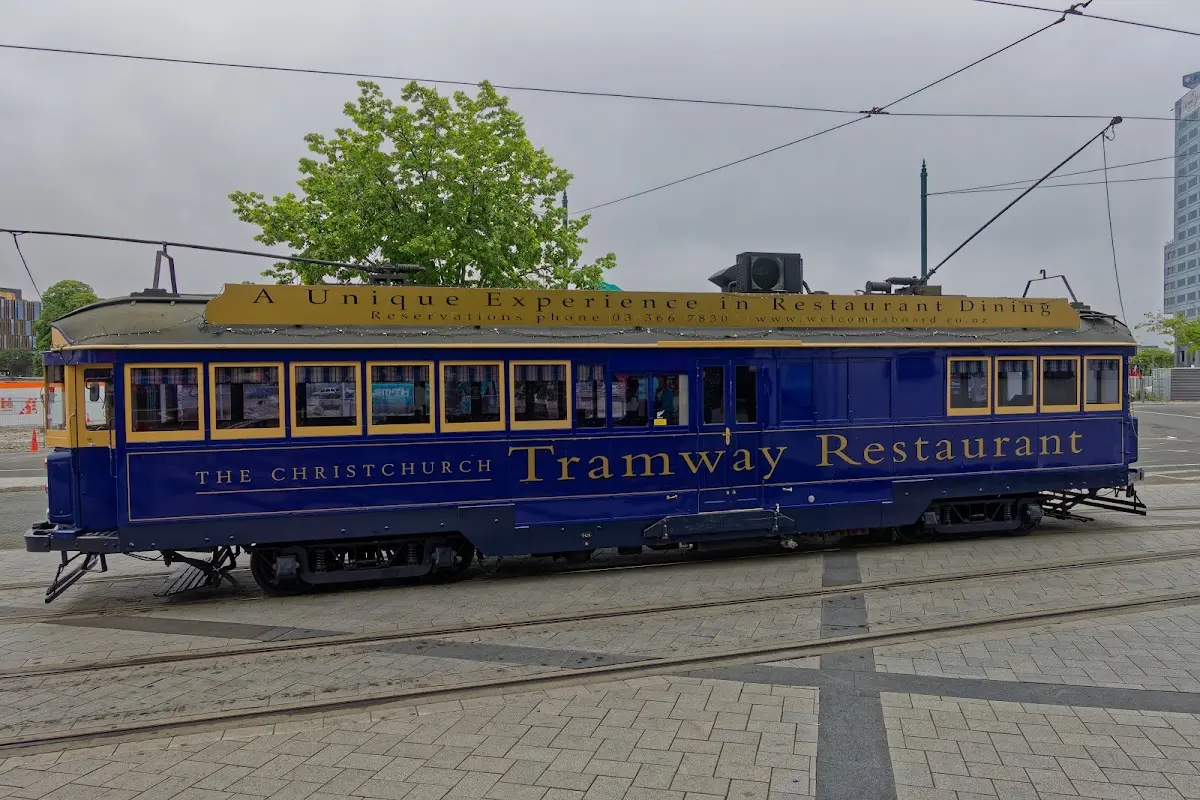
The vintage Christchurch Tramway Restaurant car, still trundling the same heritage loop.
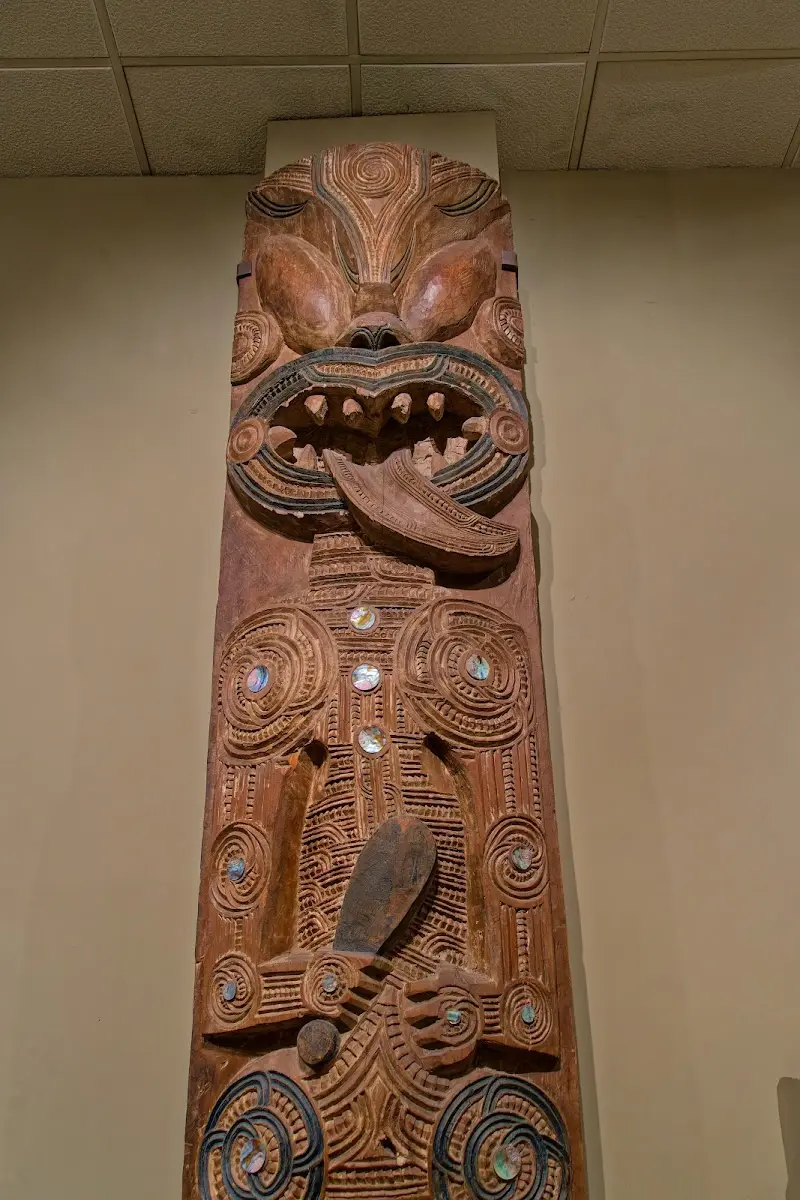
A towering Māori carved figure inside Canterbury Museum, paua-shell eyes glinting in the display light.
Canterbury Museum
The Canterbury Museum, located in Christchurch's Cultural Precinct, was established in 1867 with Julius von Haast as its first director. The museum's Gothic Revival building, designed by Benjamin Mountfort, opened in 1870 and has undergone several expansions and renovations, including earthquake strengthening in the 1990s. It is registered as a "Historic Place – Category I" by Heritage New Zealand.
The museum sustained minor damage during the 2011 Christchurch earthquake but remained structurally sound, with 95% of its collections unharmed. The museum reopened in September 2011 after repairs. A statue of William Rolleston at the museum's front toppled during the quake.
In 2020, the museum faced controversy over a Māori exhibit, leading to its removal in 2022. A redevelopment project, initially estimated at $195 million and later increased to $205 million, aims to enhance the museum's offerings, including the display of a blue whale skeleton and the Whare Whakairo. The project is supported by a $25 million government grant.
The museum began relocating its 2.3 million-item collection to a storage facility in October 2022, inviting the public to "say goodbye" to the galleries. During redevelopment, the museum will operate from the CoCA building, offering temporary exhibitions and showcasing popular pieces.
In January 2023, the museum hosted "The Shift: Urban Art Takeover," featuring works by over 60 artists. The redevelopment will include a large atrium, seismic strengthening, and integration with the Robert McDougall Art Gallery. The museum has had a series of directors, with Anthony Wright serving as the current director since 1996.
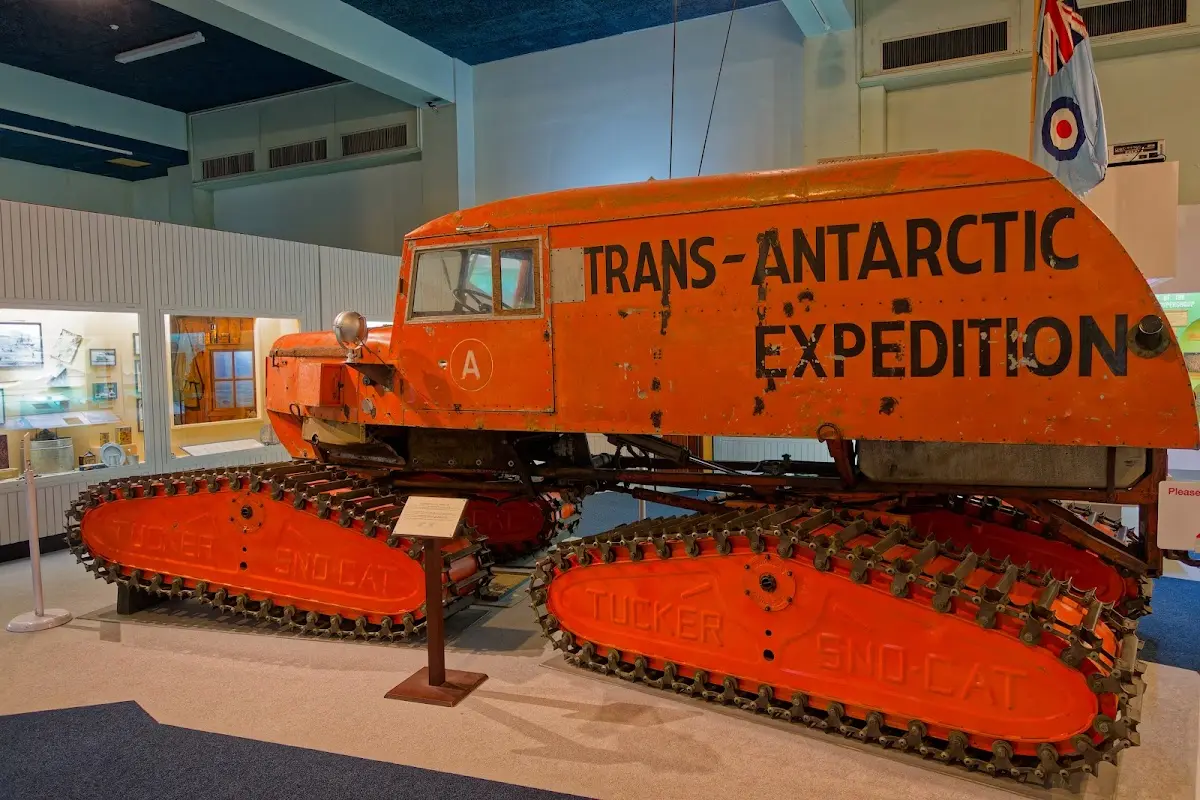
A genuine Sno-Cat from the 1957–58 Commonwealth Trans-Antarctic Expedition — a nod to Christchurch's long role as the gateway south.
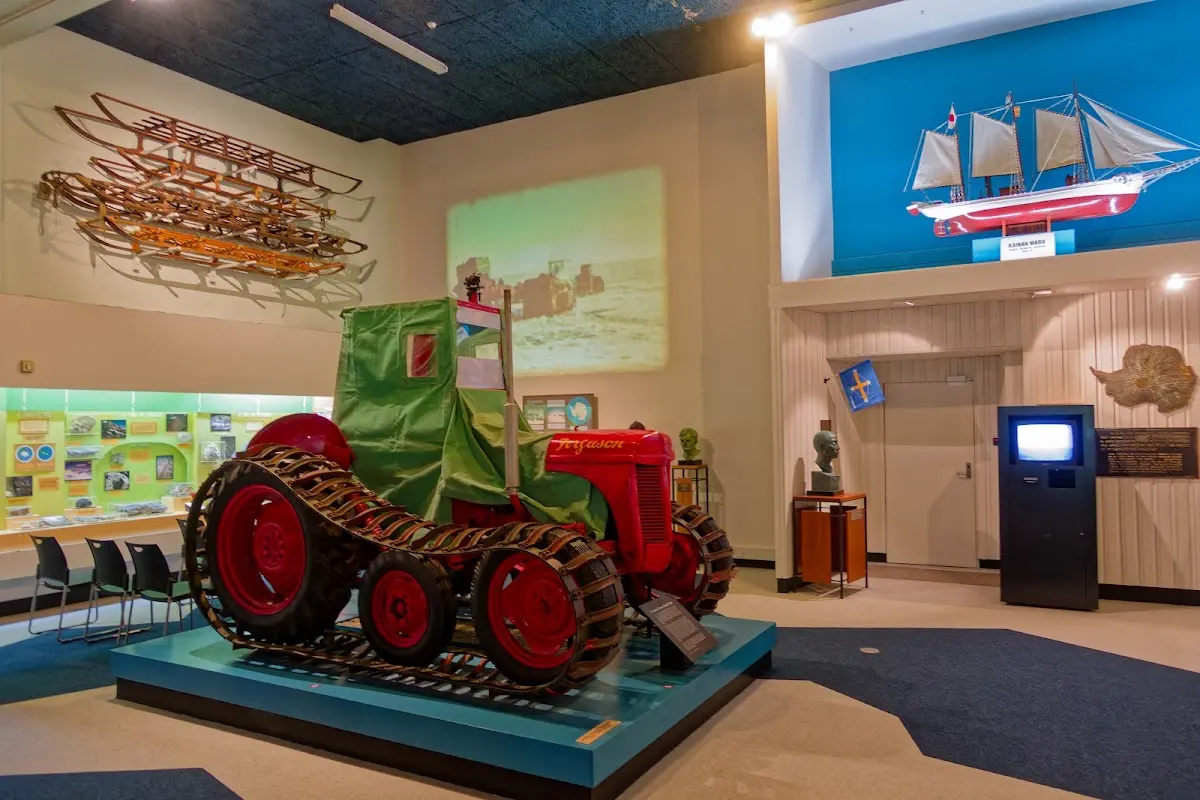
A modified Ferguson tractor from early Antarctic expeditions, a small bronze bust of Sir Edmund Hillary watching over the gallery.
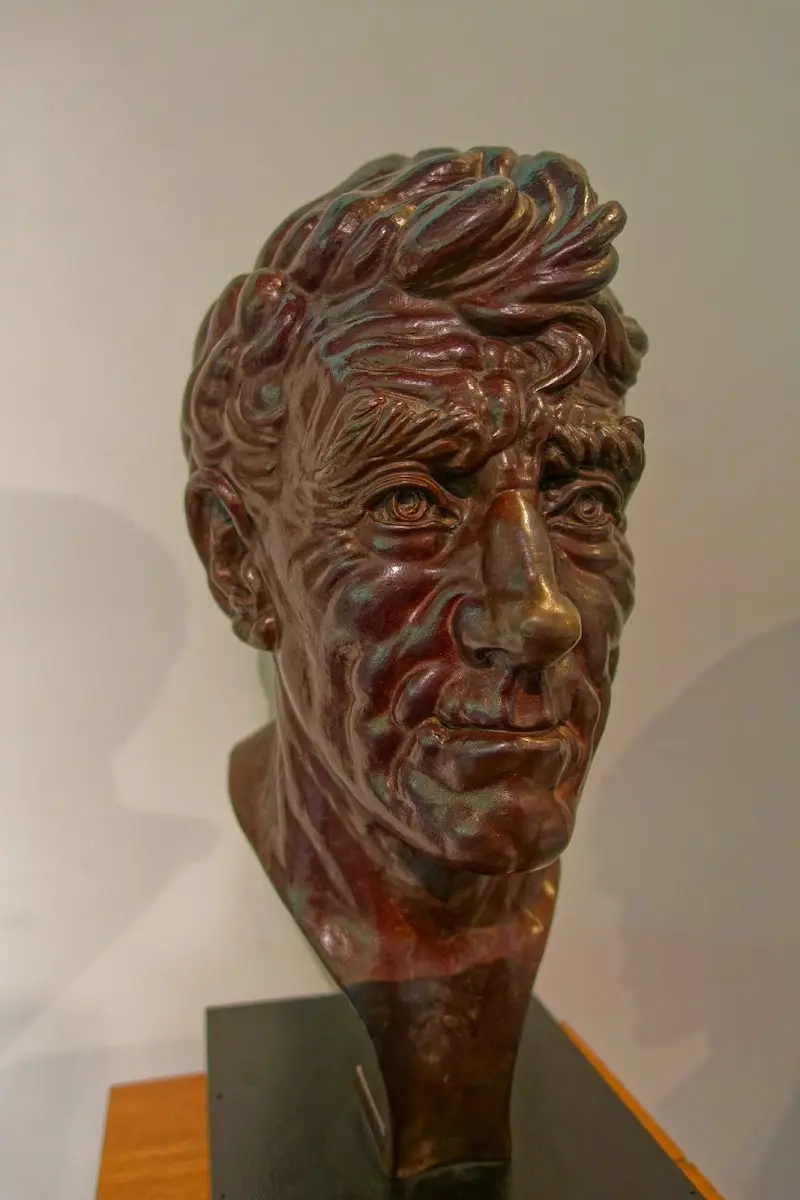
Hillary up close — the man who, alongside his South Pole tractor party, helped make this city famous as an Antarctic gateway.
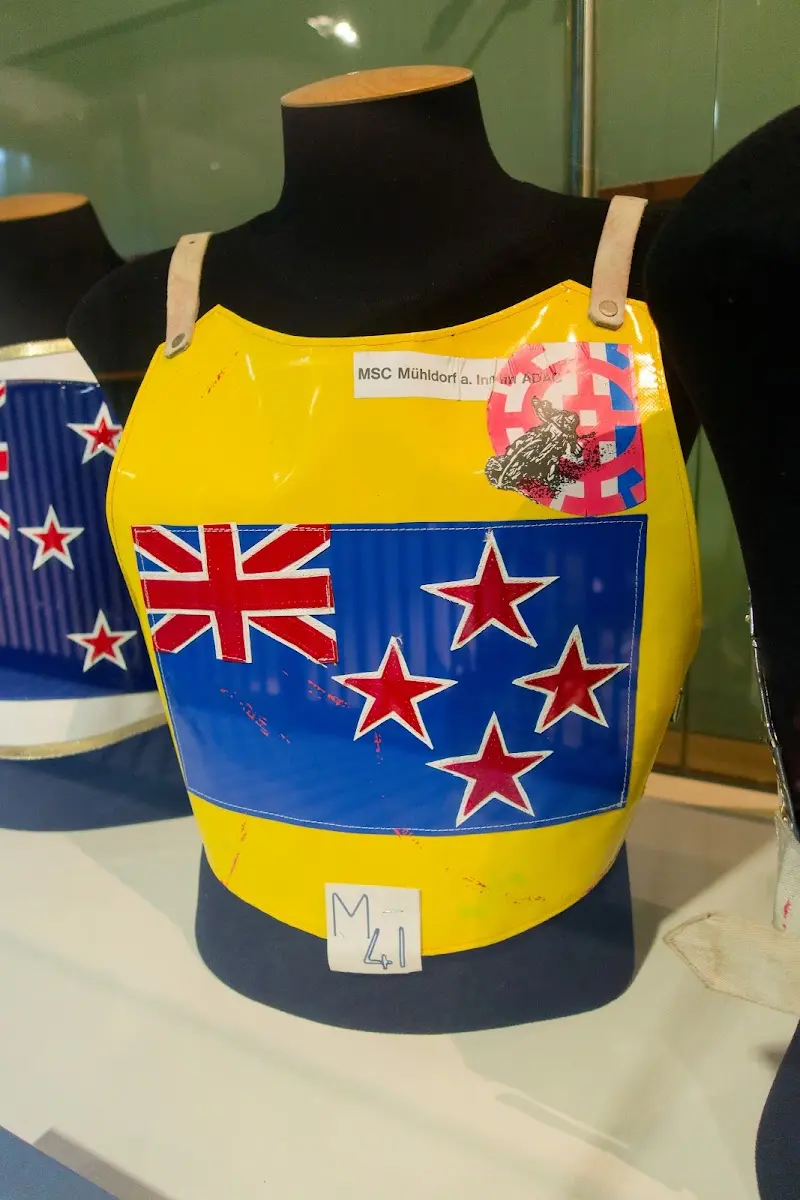
A racing bib on display — "MSC Mühldorf a. Inn," a German motorsport club, oddly turning up wrapped in New Zealand's colours.
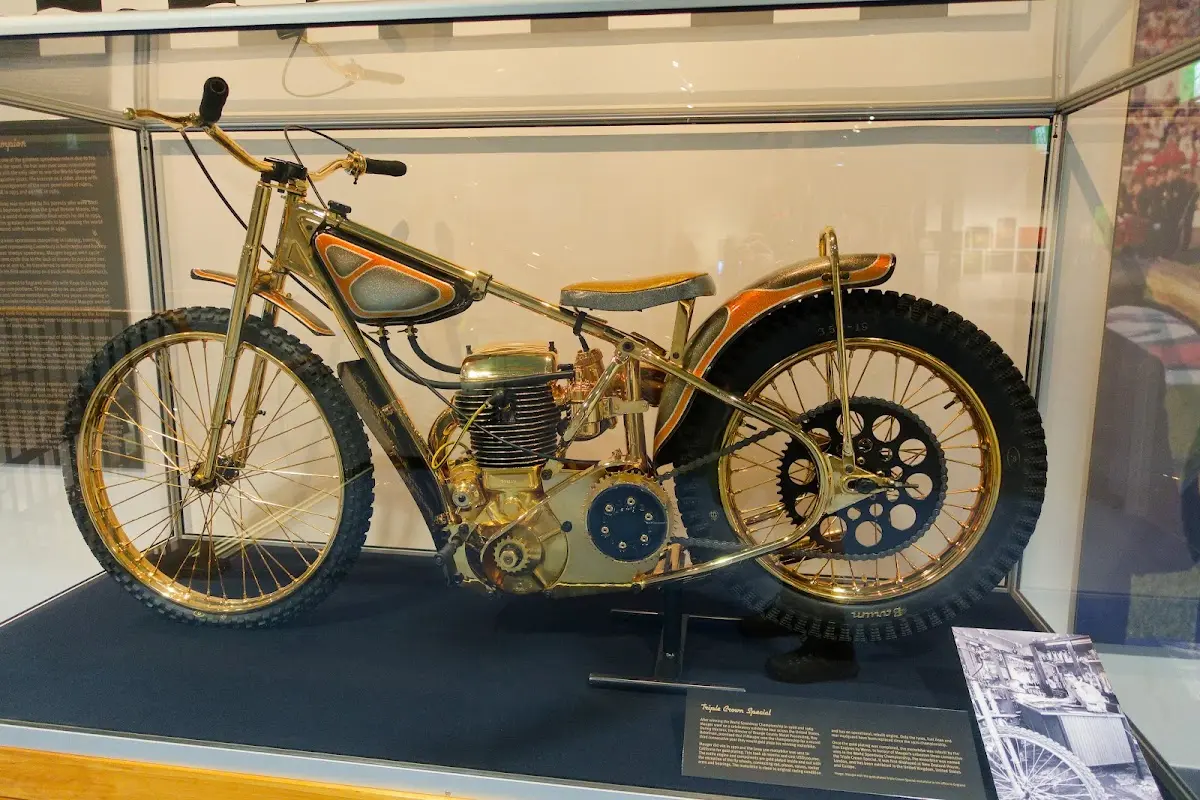
A gold-plated speedway bike, the "Triple Crown Special" — the museum's motorsport history gallery in full swing.
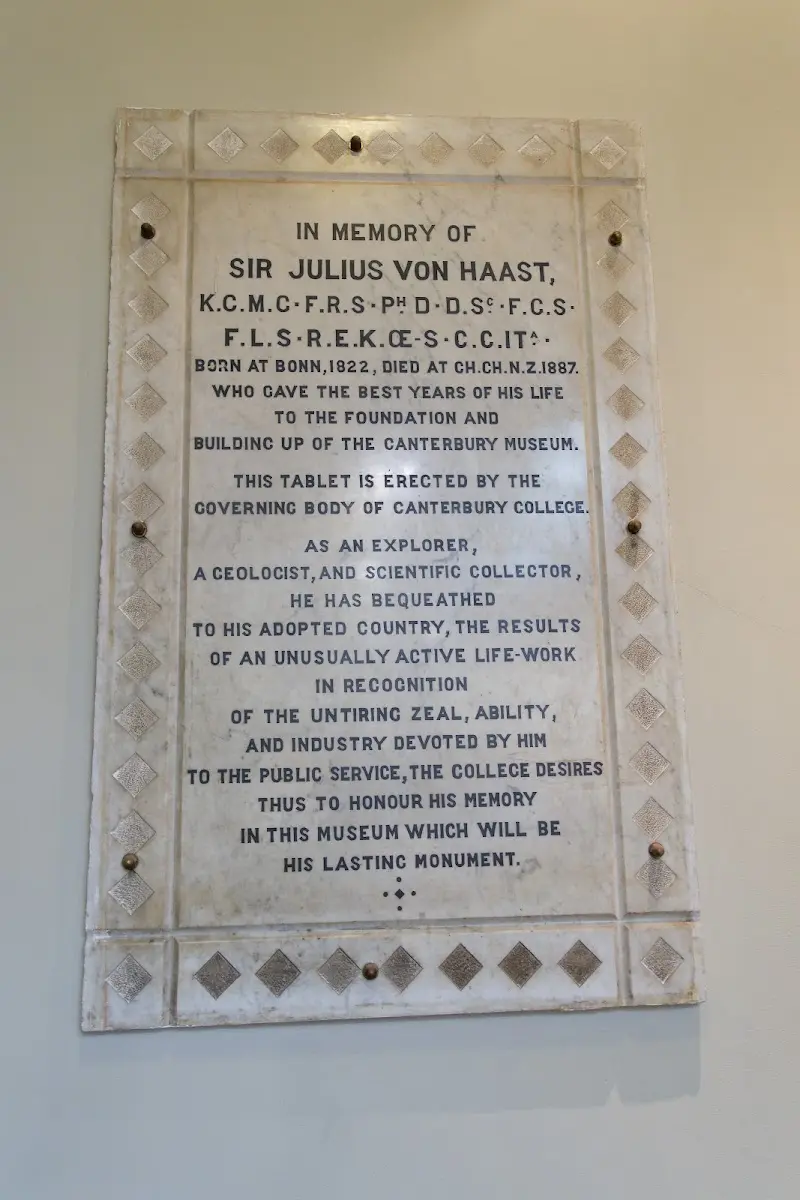
The memorial tablet for Sir Julius von Haast — another German-born name shaping New Zealand, this time as the museum's founding director.
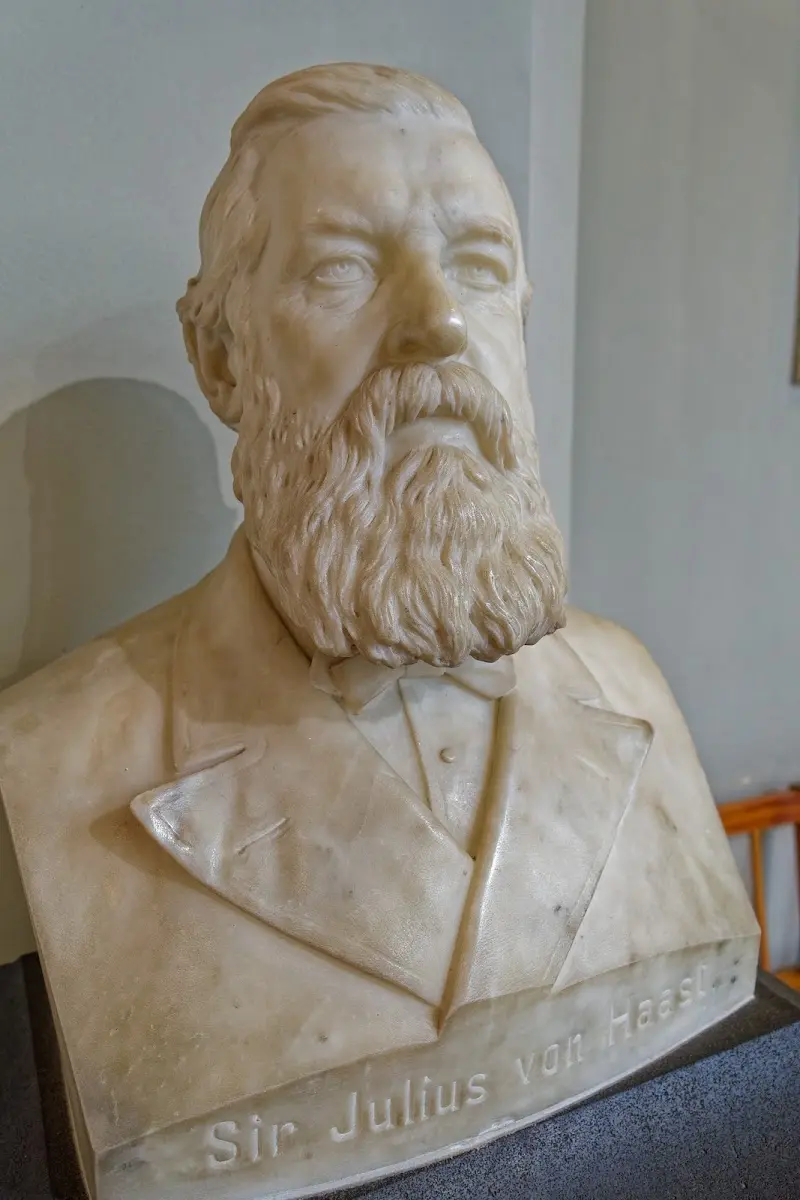
His marble bust, right beside the tablet, full magnificent beard included.
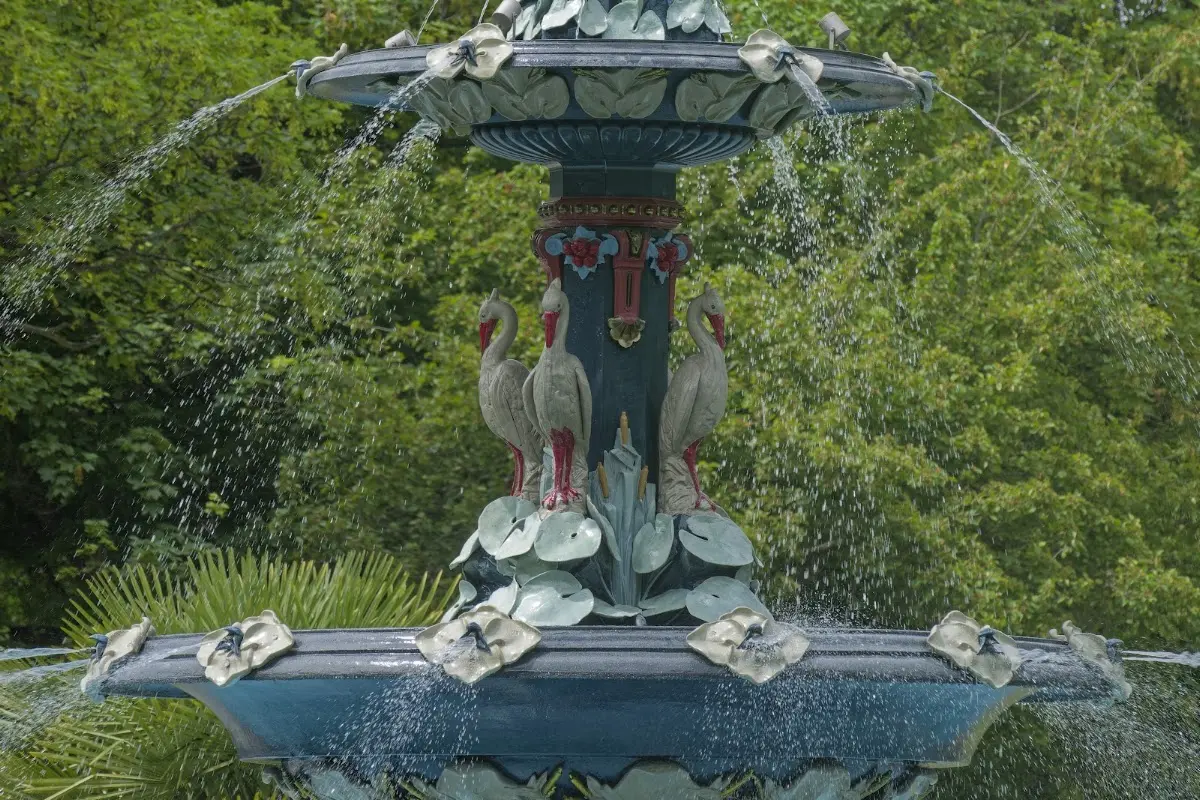
The ornate Peacock Fountain in full flow, painted storks and lily pads in cast iron.
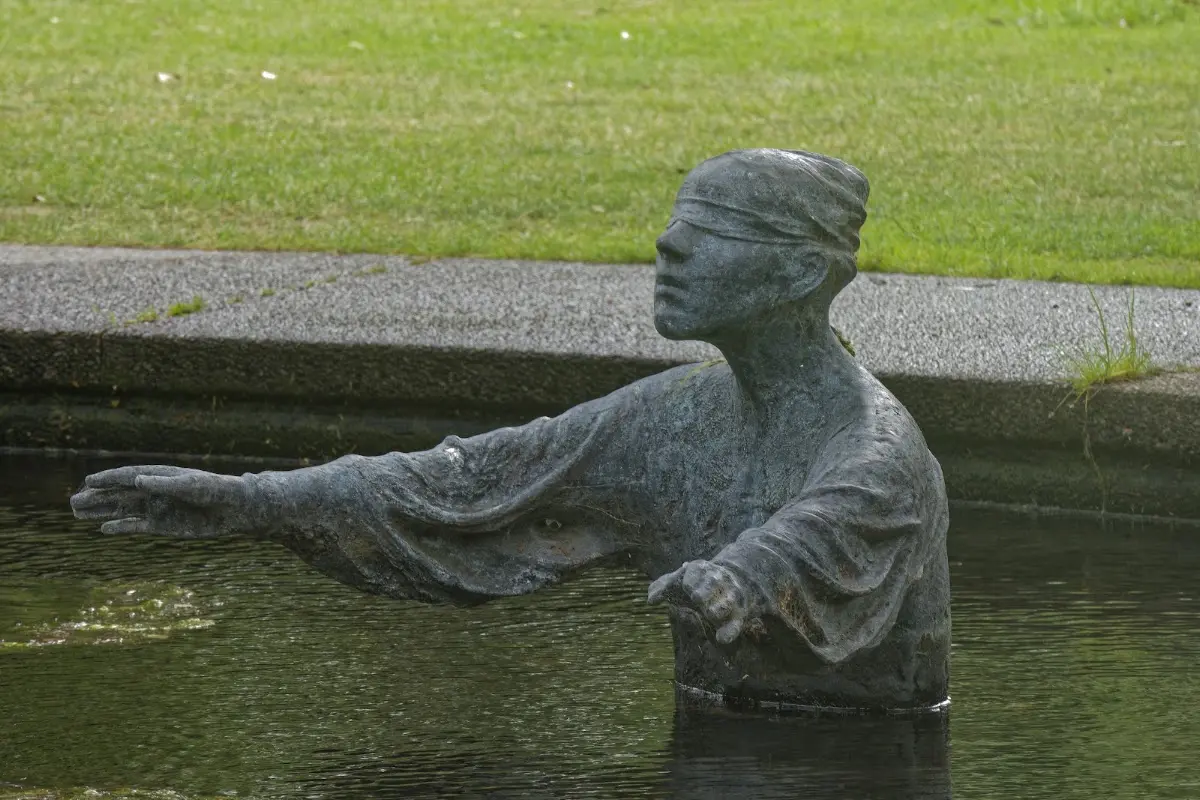
A blindfolded bronze figure emerging from a garden pond, arms outstretched — a striking piece of public art in the Botanic Gardens.
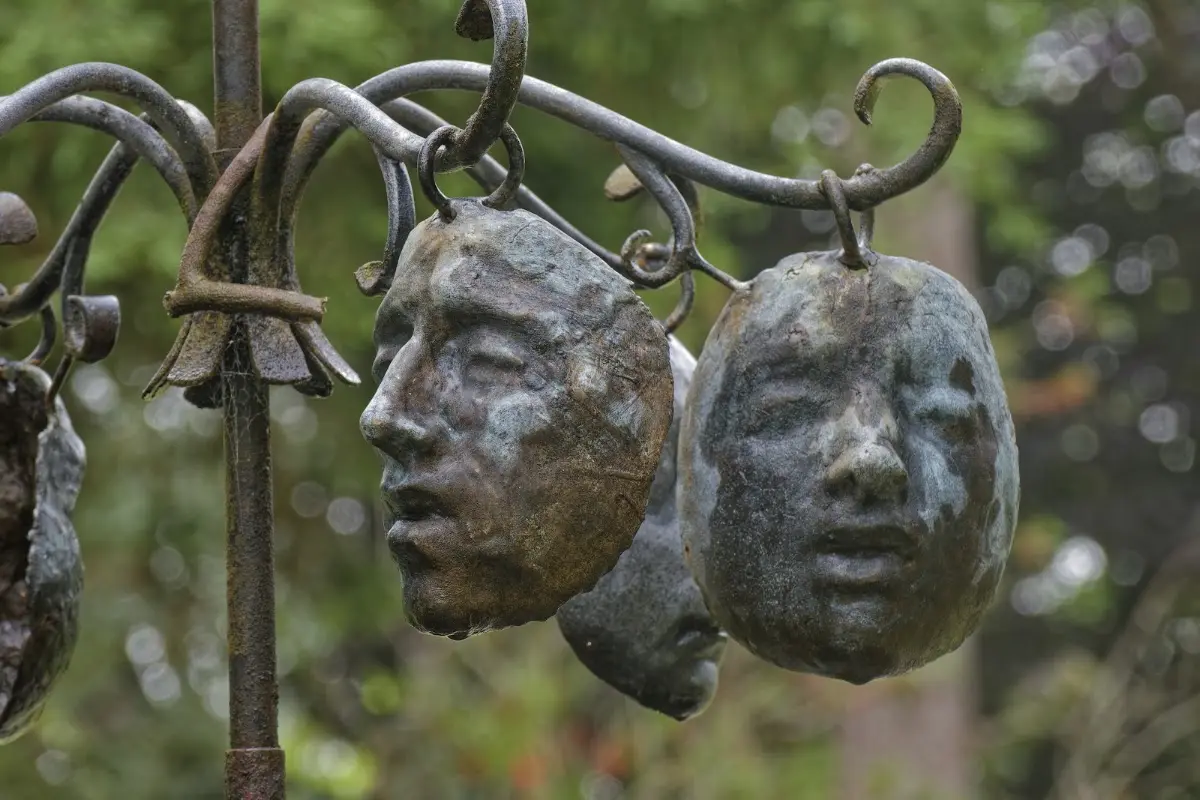
Bronze faces cast like fruit, hanging from a wrought-iron tree — one of the gardens' stranger art pieces.
Christchurch Botanic Gardens
The Christchurch Botanic Gardens, established in 1863, are located in central Christchurch, New Zealand, covering 21 hectares adjacent to the Avon River and Hagley Park. The gardens feature a diverse collection of exotic and native New Zealand plants, several conservatories, a nursery, a playground, and a climatological station. Key historical milestones include the planting of an English oak in 1863 to commemorate the marriage of Prince Albert and Princess Alexandra, the opening of the Acclimatisation Gardens in 1882, and the construction of the Magnetic Observatory in 1901. The gardens have hosted significant events, such as the first domain fête in 1910 and the opening of various conservatories and memorials over the years. Notable features include the Peacock Fountain, restored in 1996, and the Peace Bell unveiled in 2006. The gardens won the 2014 Supreme Design Excellence Award at the Ellerslie International Flower Show for their exhibit "Burn after Reeding." The mission of the Christchurch Botanic Gardens focuses on leadership in horticulture, education, and cultural relevance, with an emphasis on New Zealand's indigenous plant diversity and global plant diversity. The gardens aim to protect heritage and cultural values while fostering community appreciation.
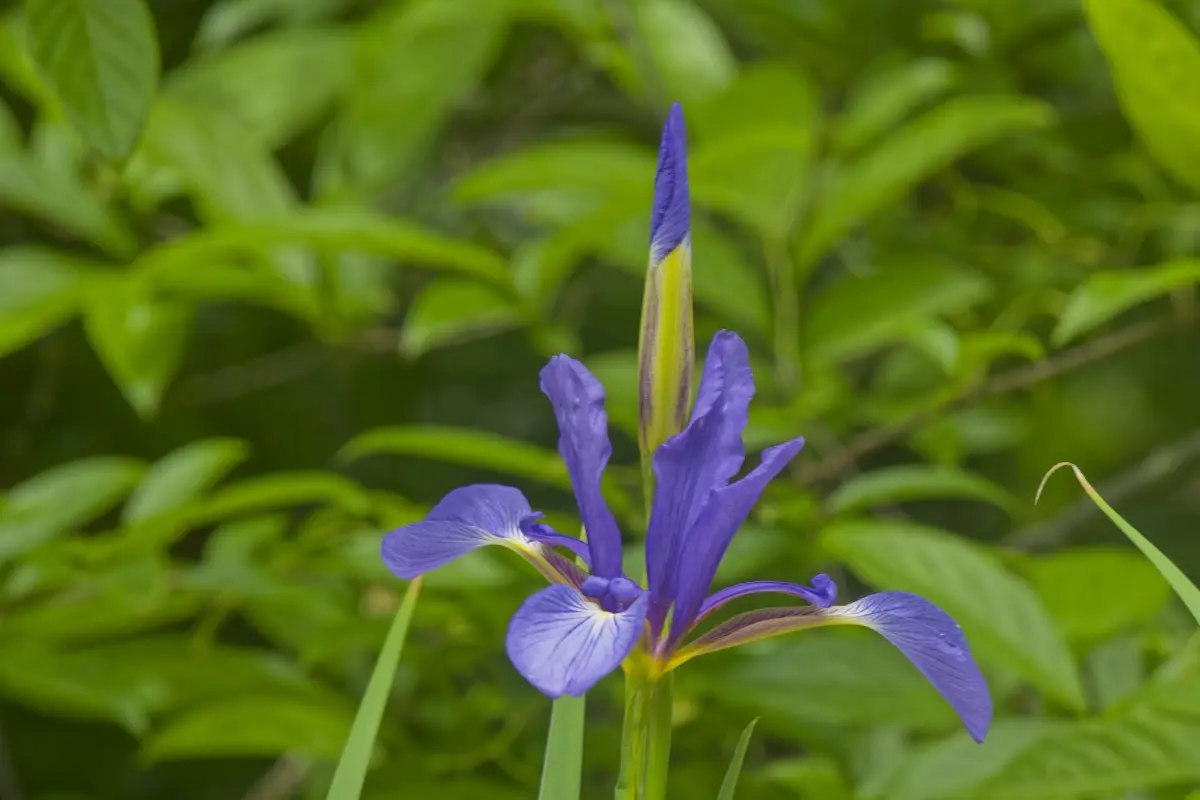
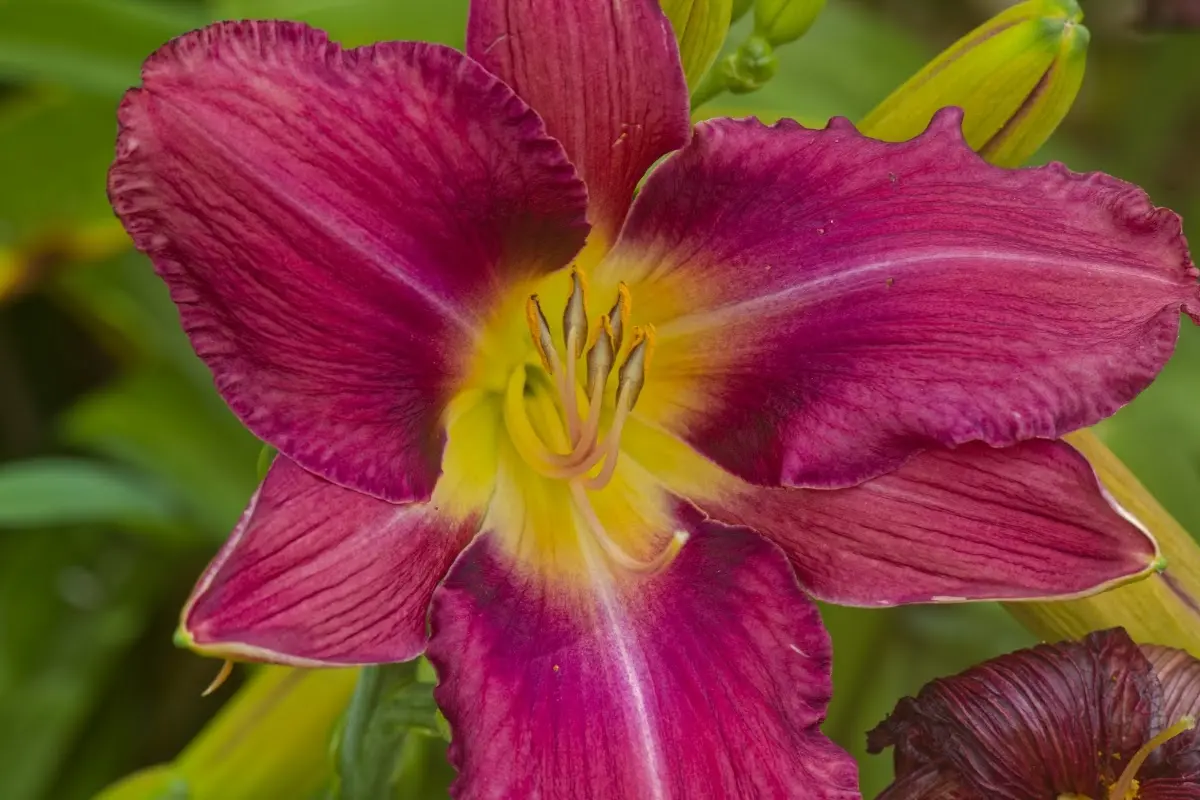
A deep purple iris in full bloom — one flower among the gardens' huge exotic collection.
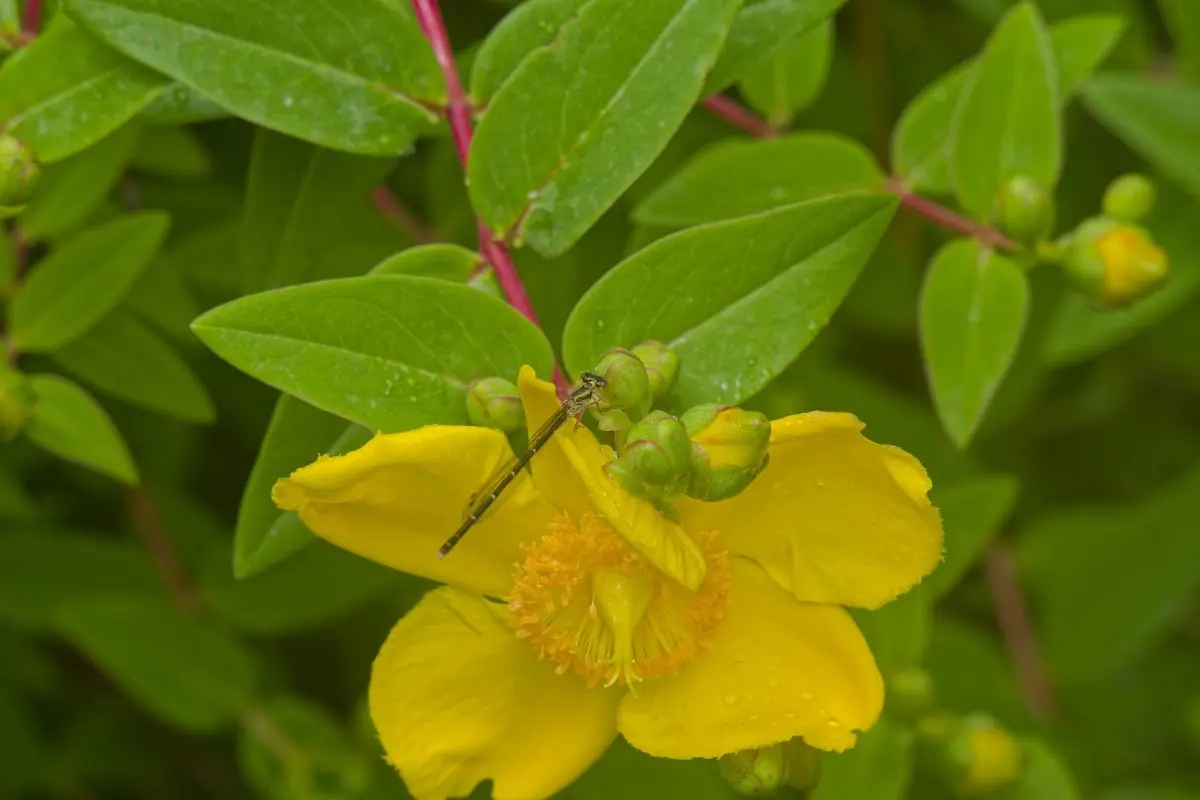
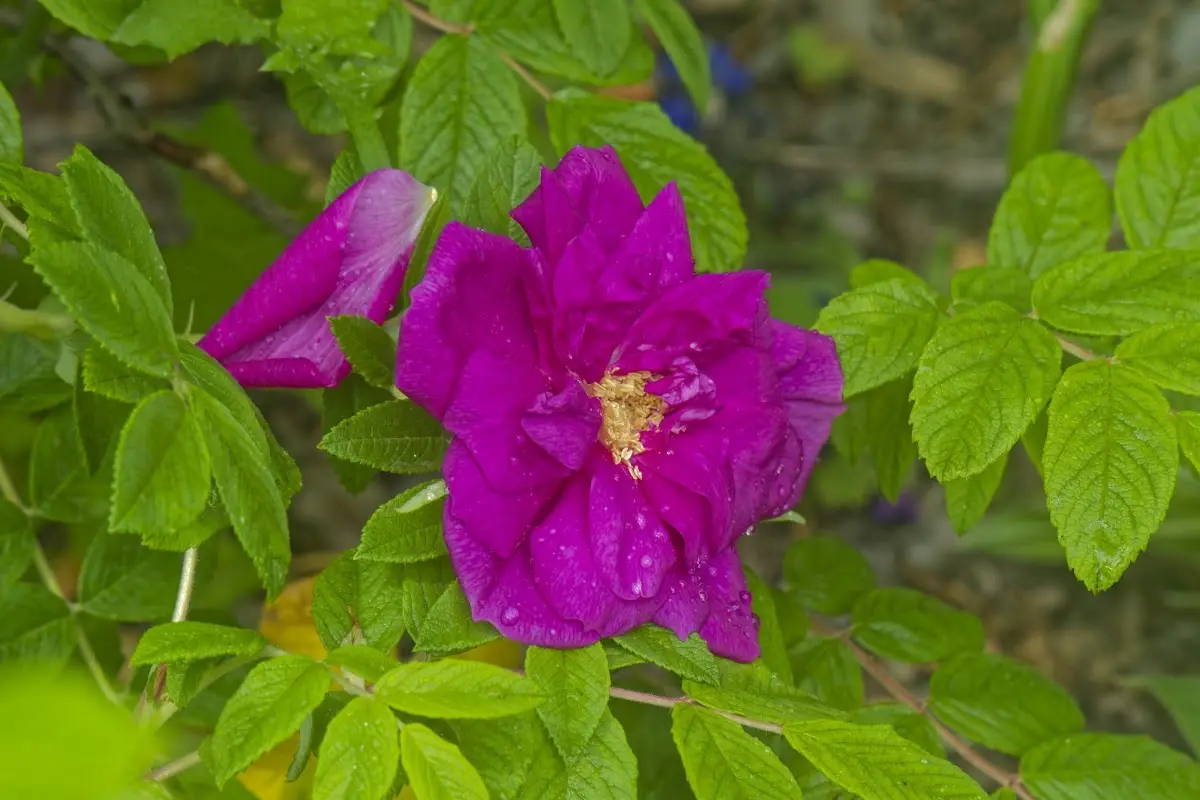
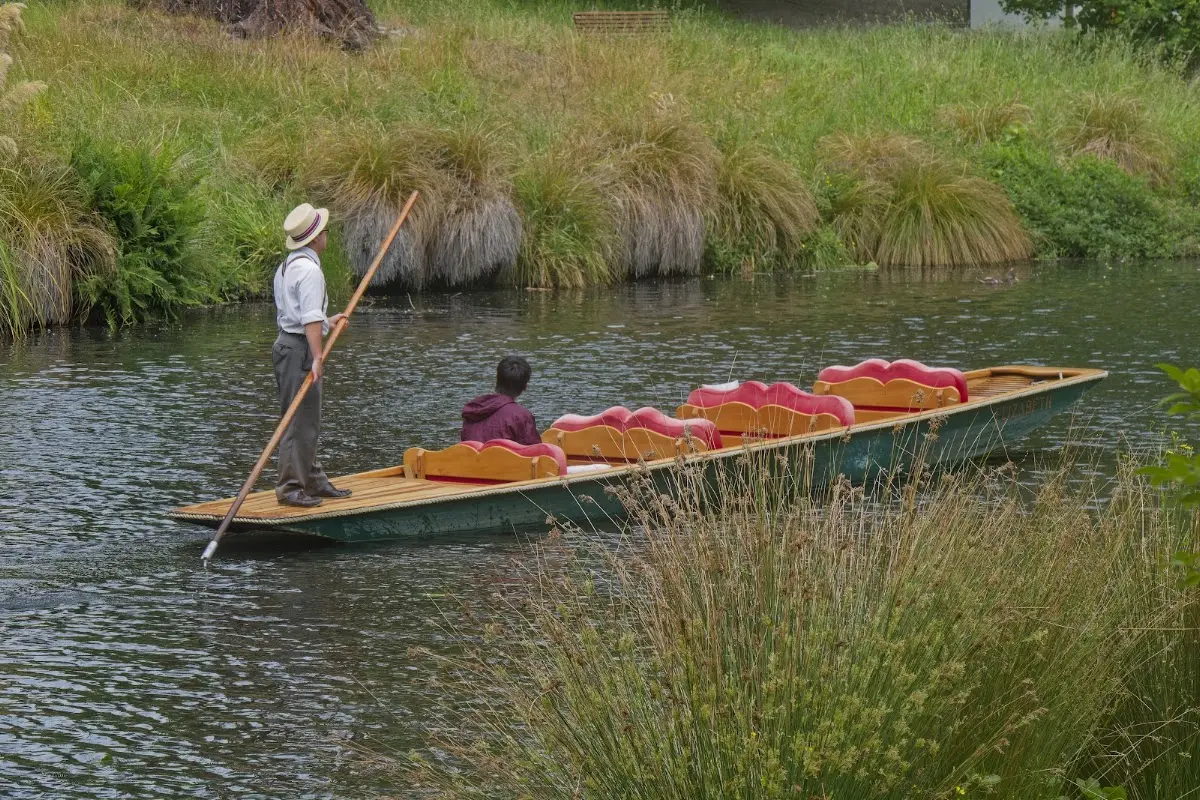
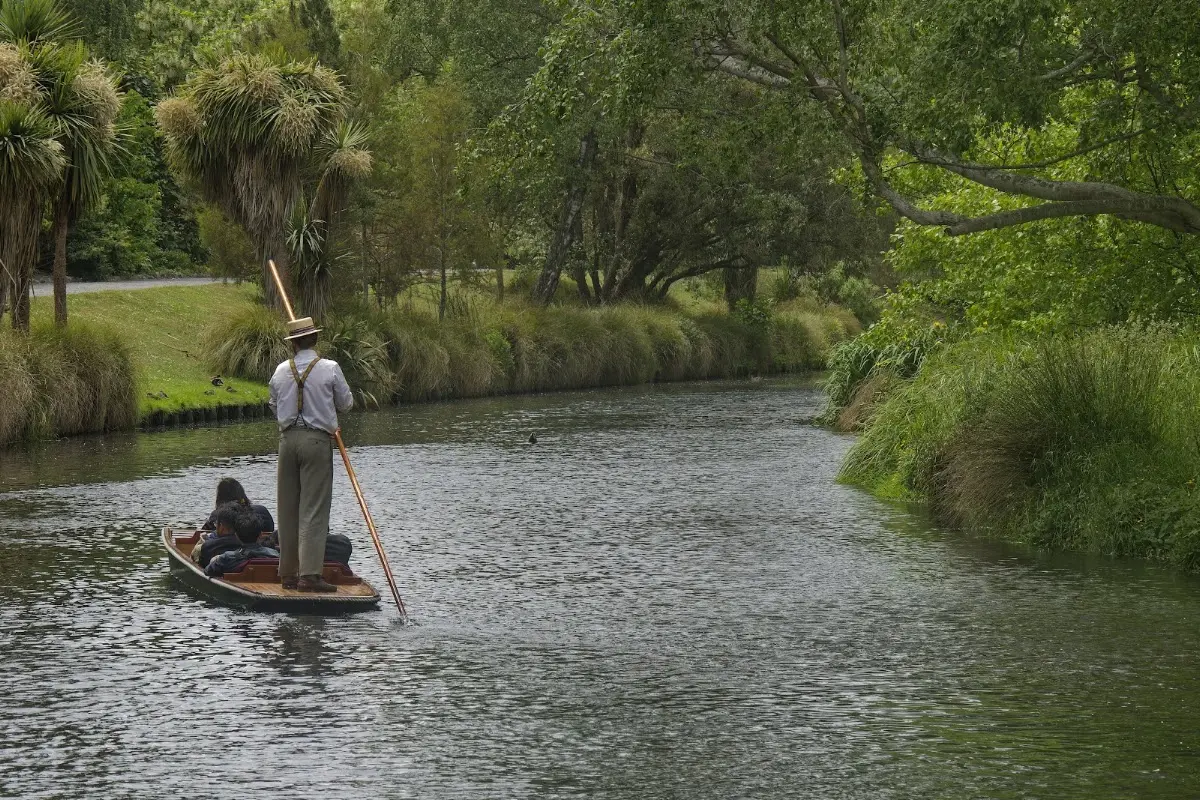
A punter in a straw boater poling a passenger down the Avon — very much still "the most English city outside England."
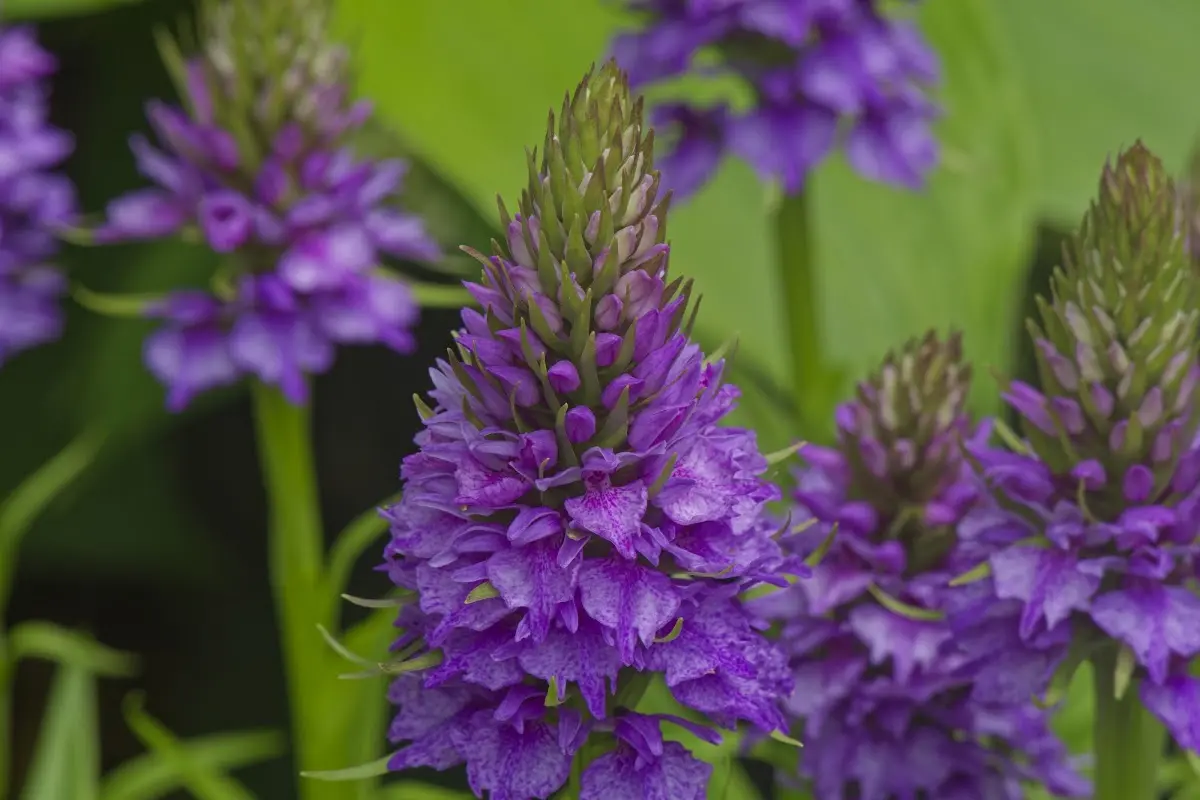
Pyramidal purple orchids clustered densely, one of many close-ups collected through the gardens.
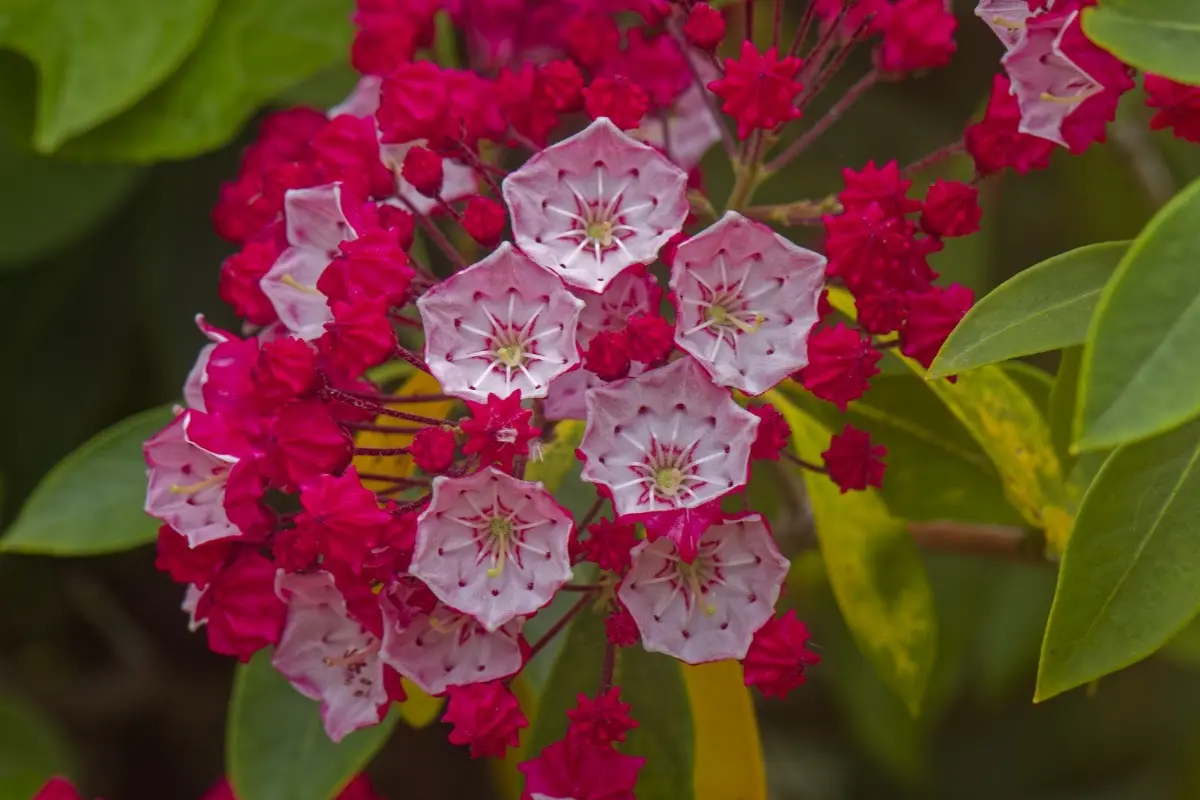
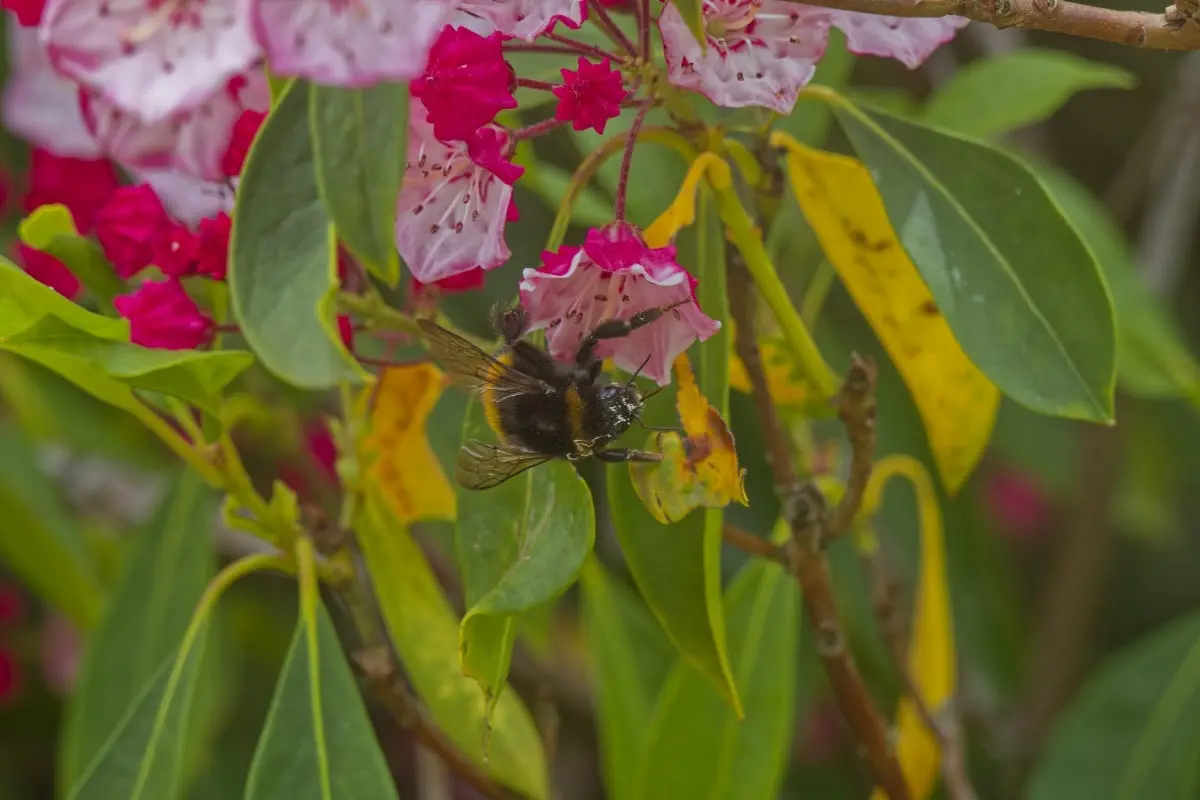
Star-shaped mountain laurel blooms, crimson buds opening into pale star patterns.
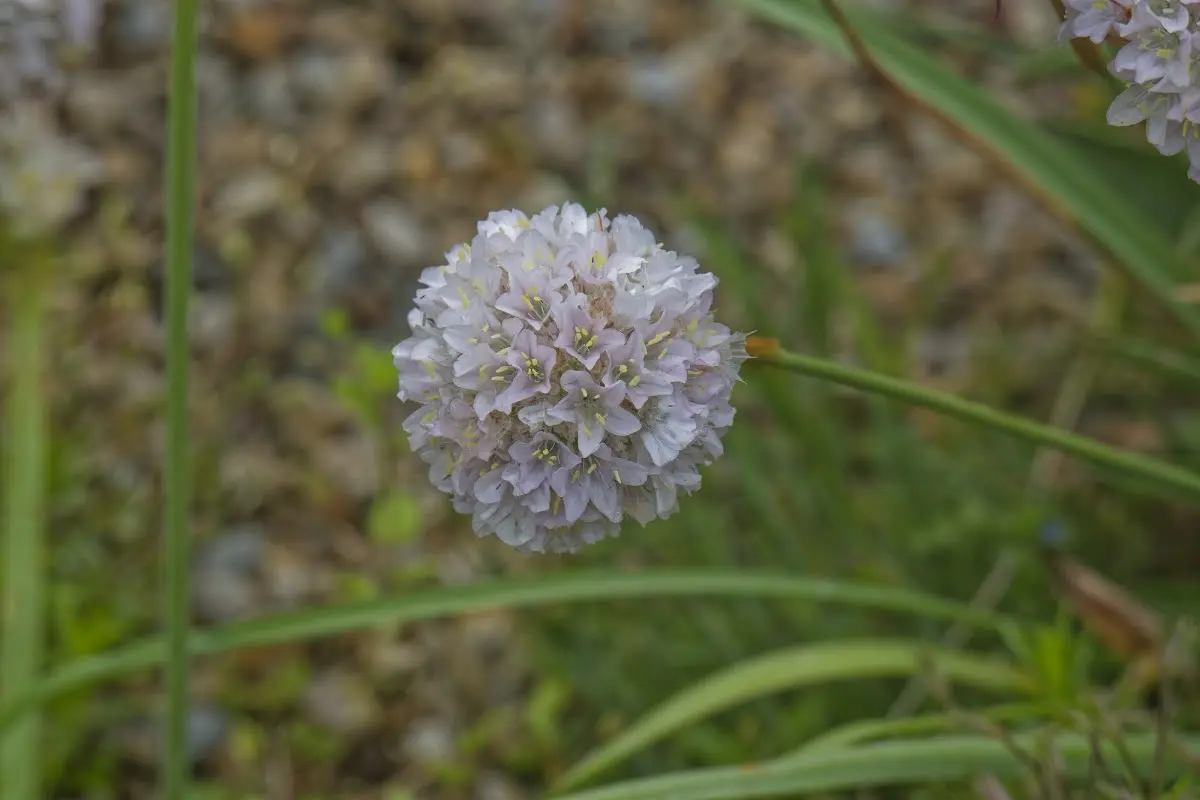
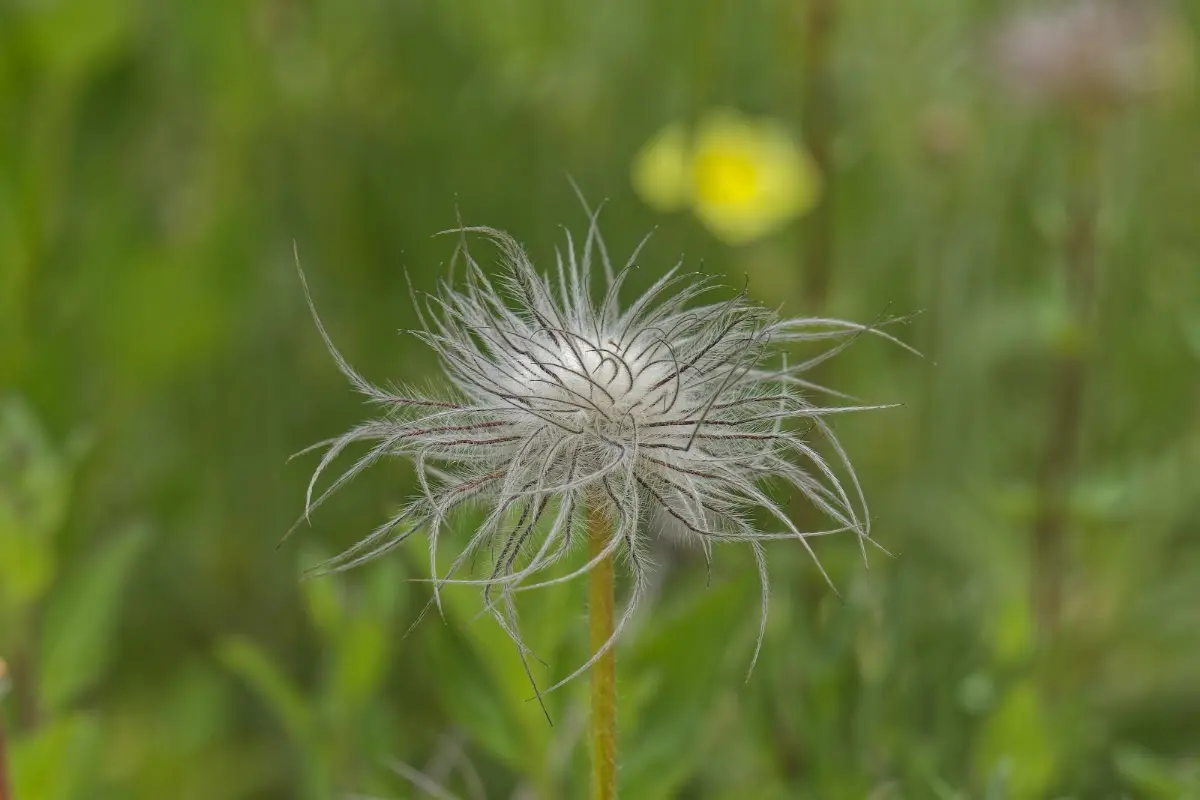
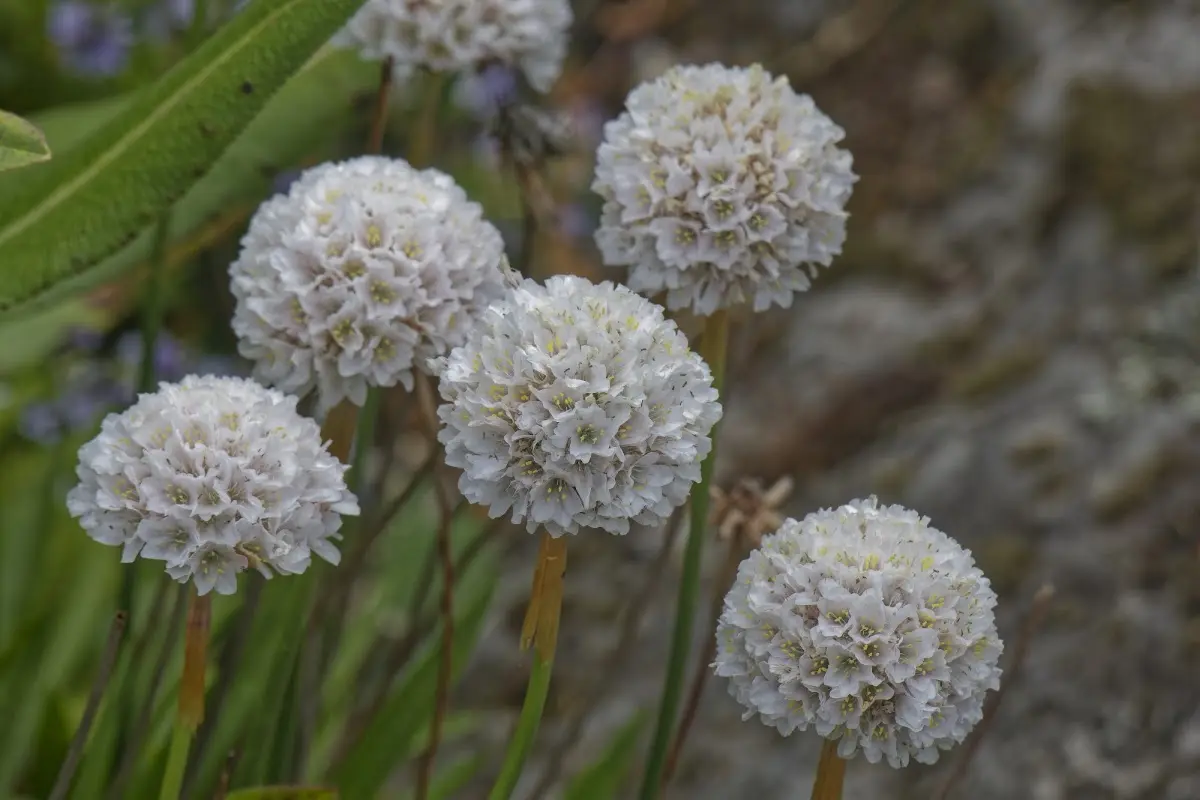
A whole cluster of pale pom-pom blooms, growing straight out of a rock garden.
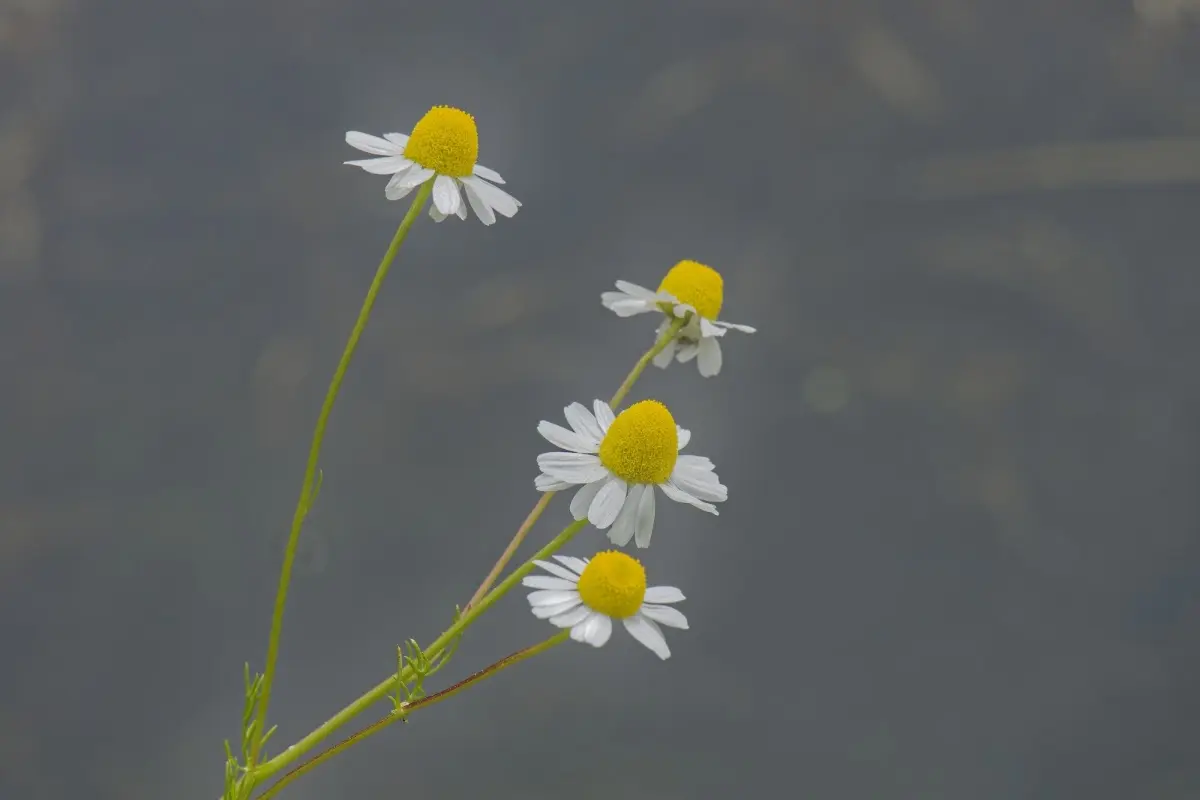
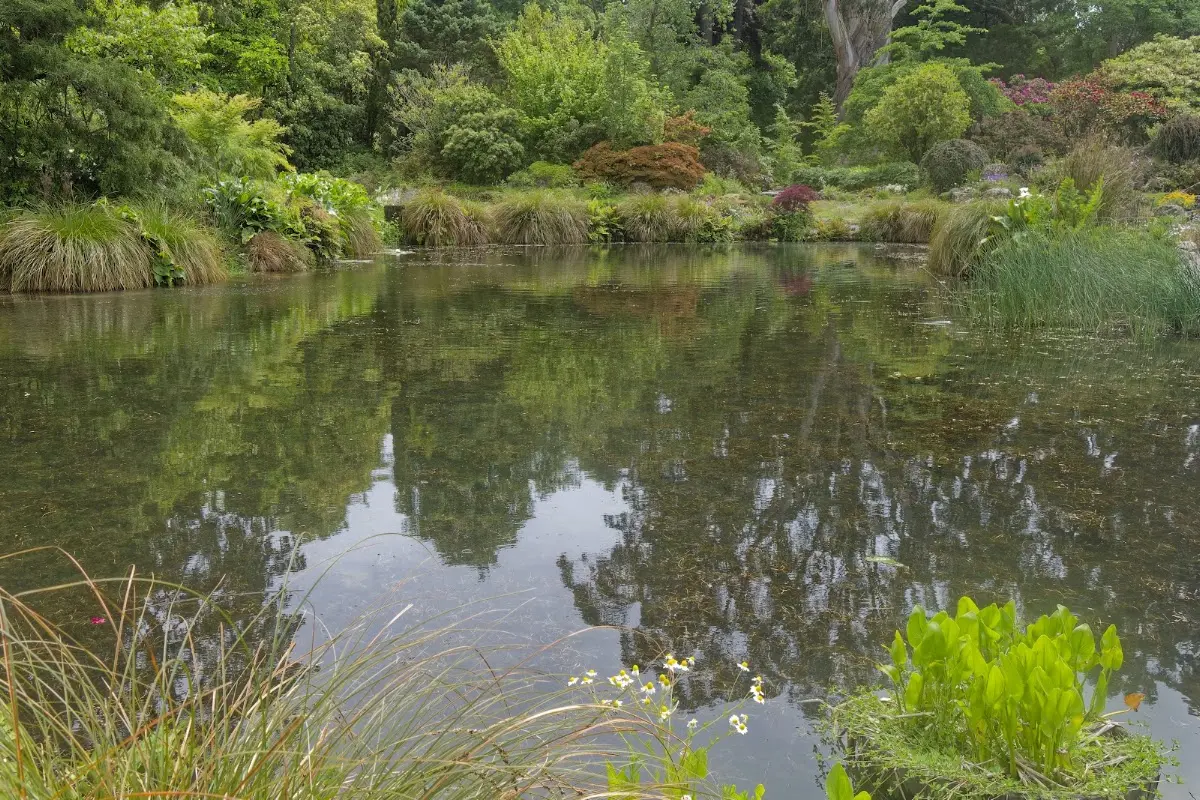
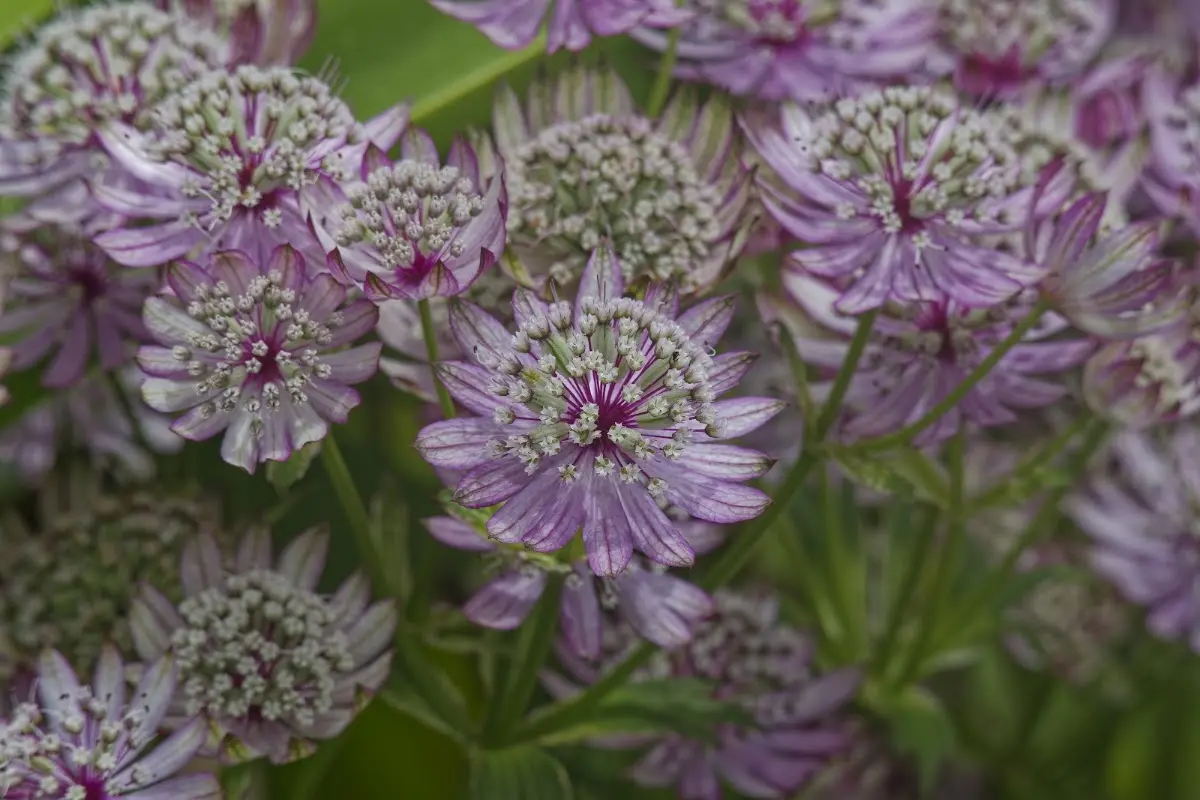
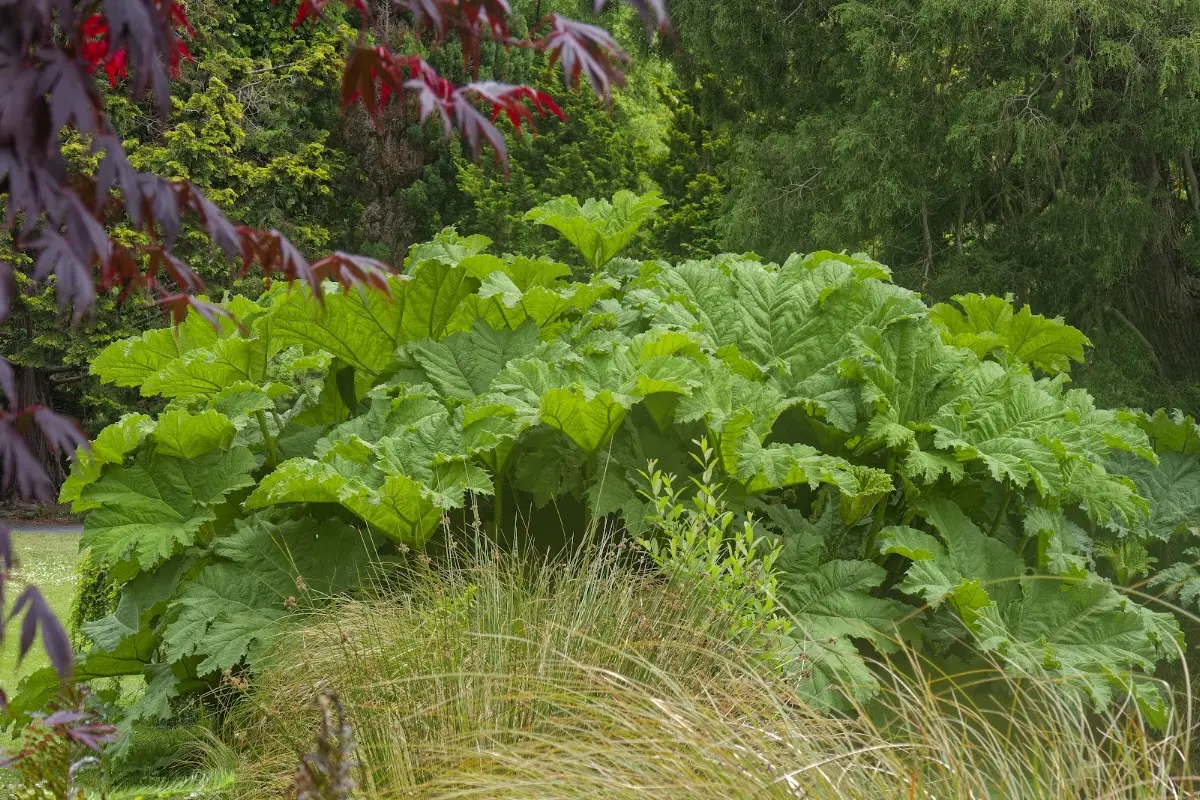
A giant Chilean rhubarb, its leaves easily a metre across — a full-scale garden oddity.
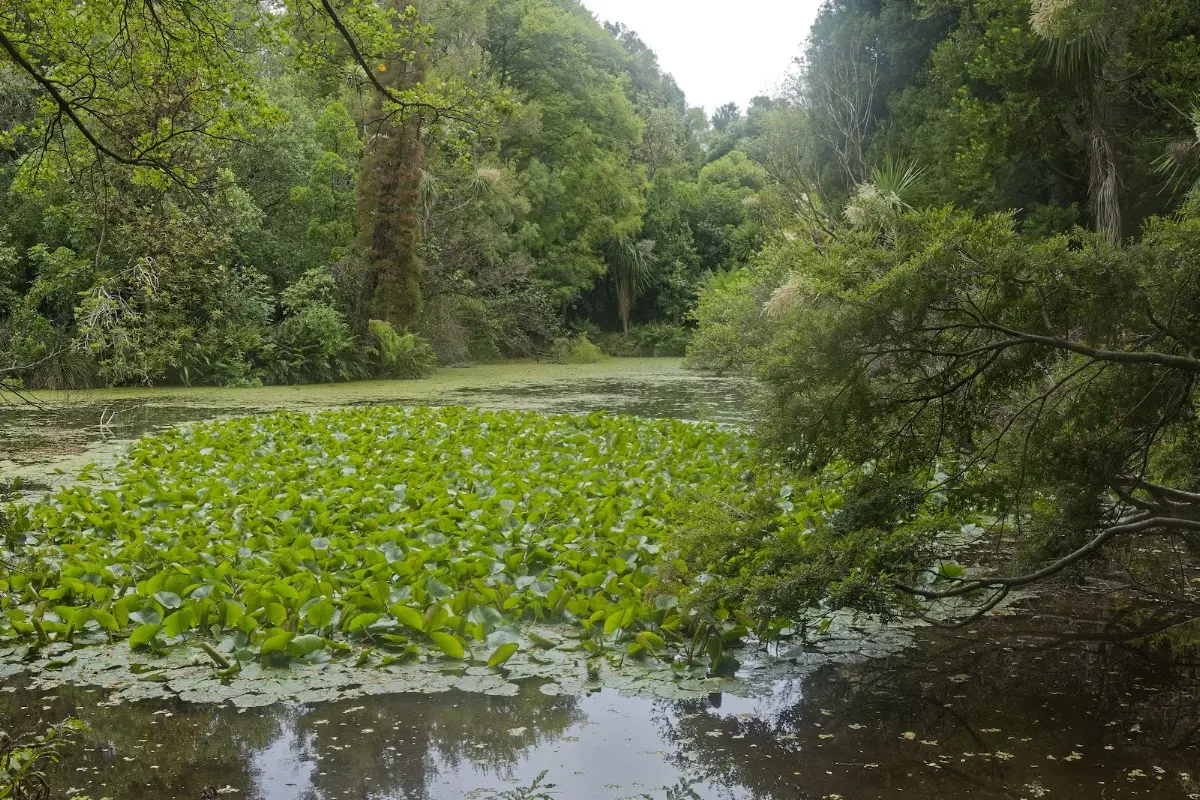
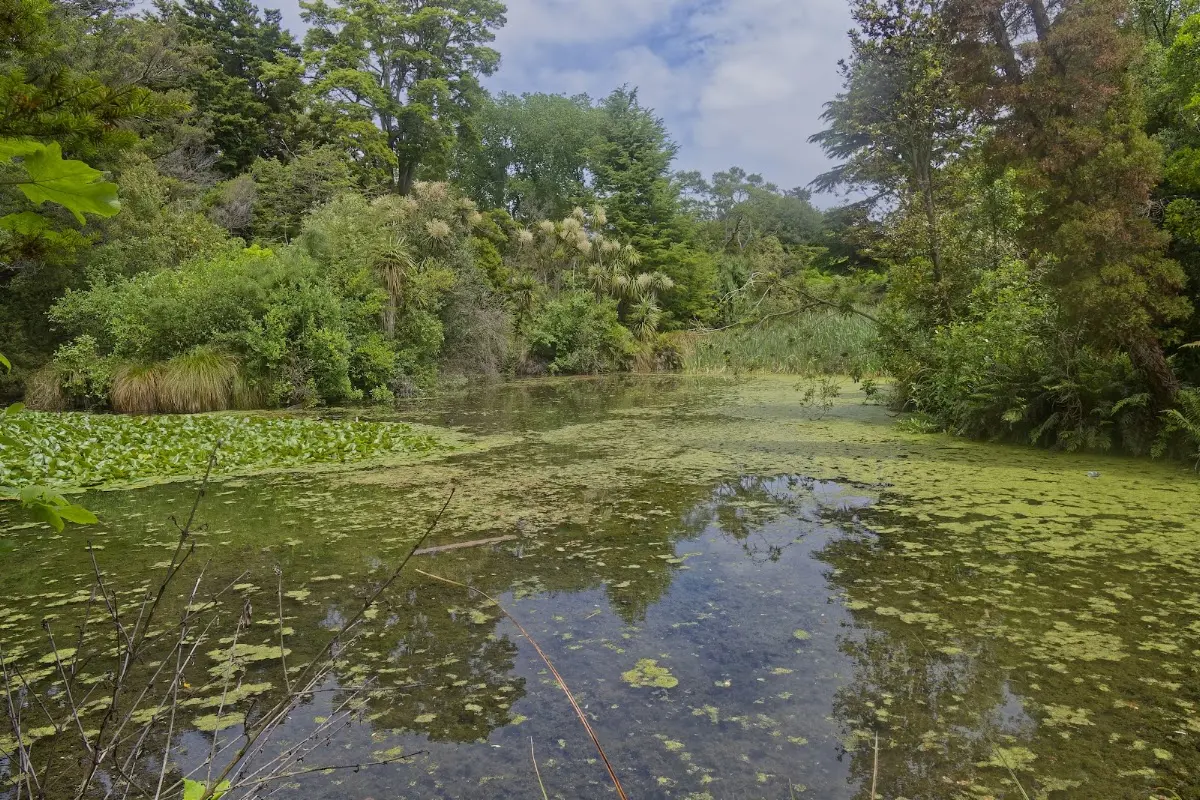
A wilder corner of the gardens — a lily-choked pond ringed by native bush, a real change of pace from the manicured beds.
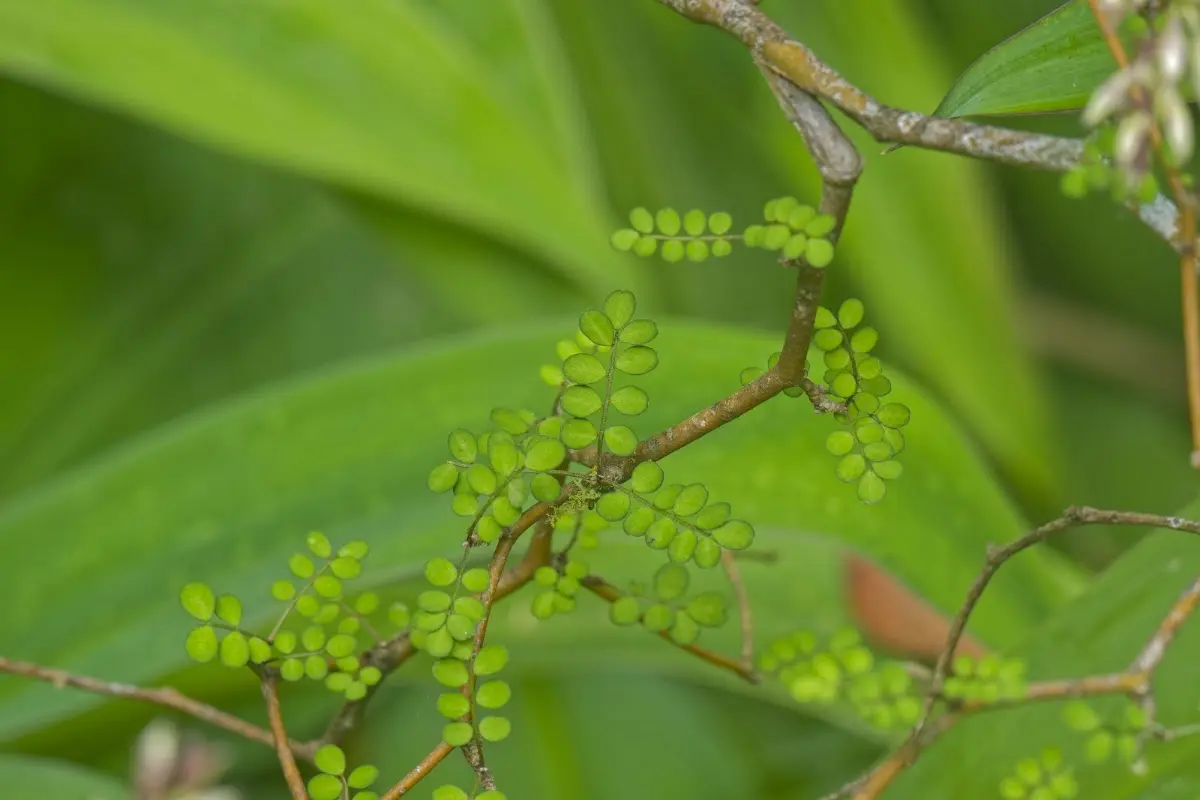
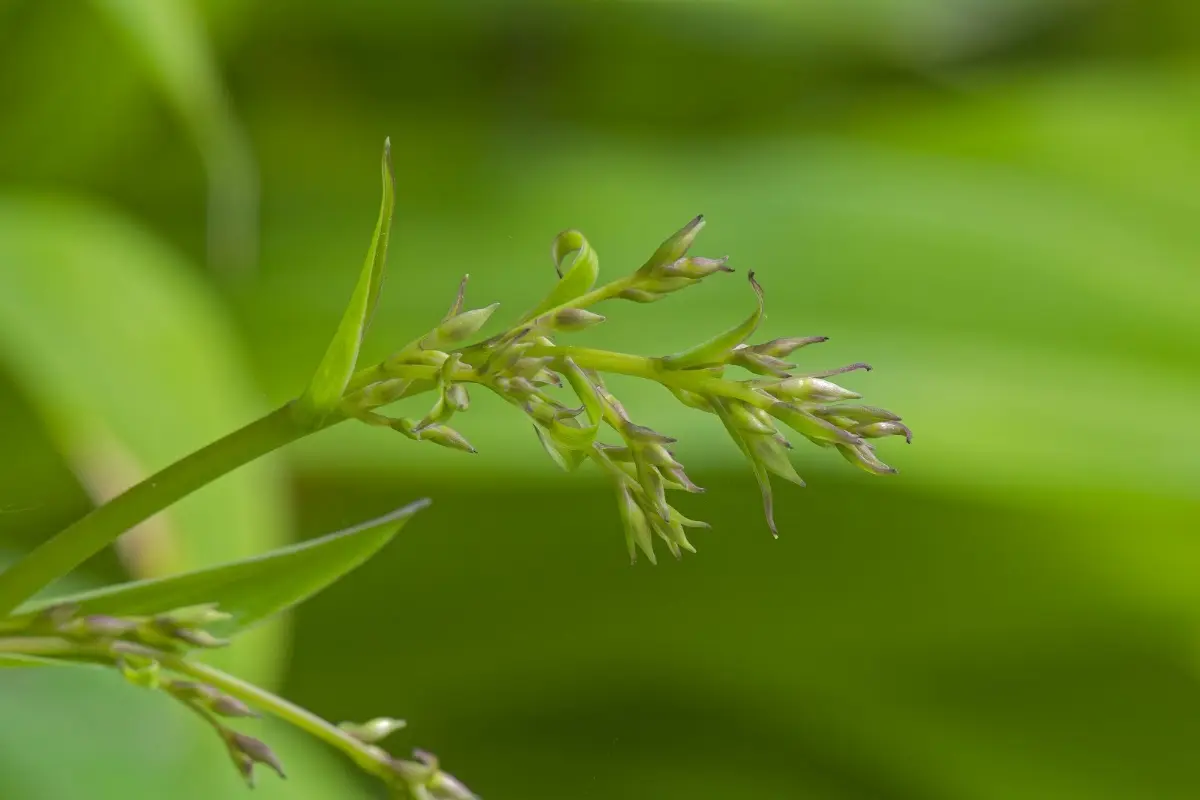
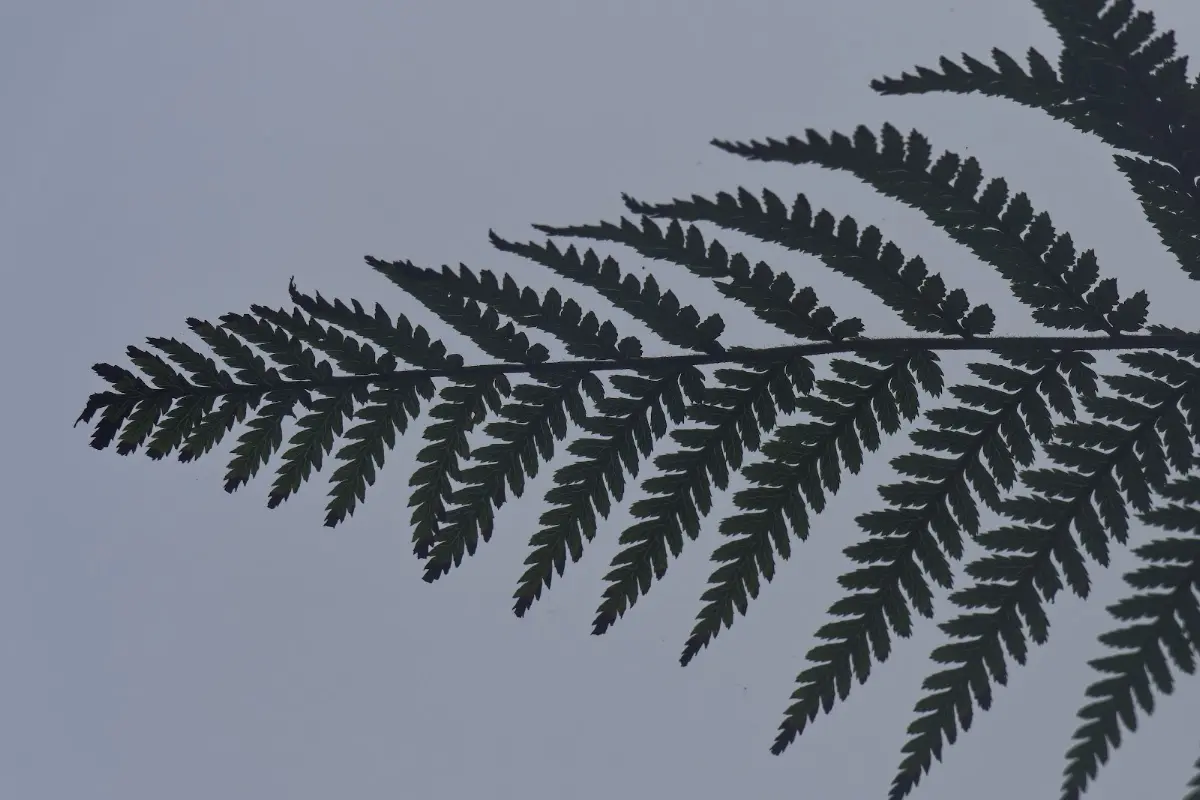
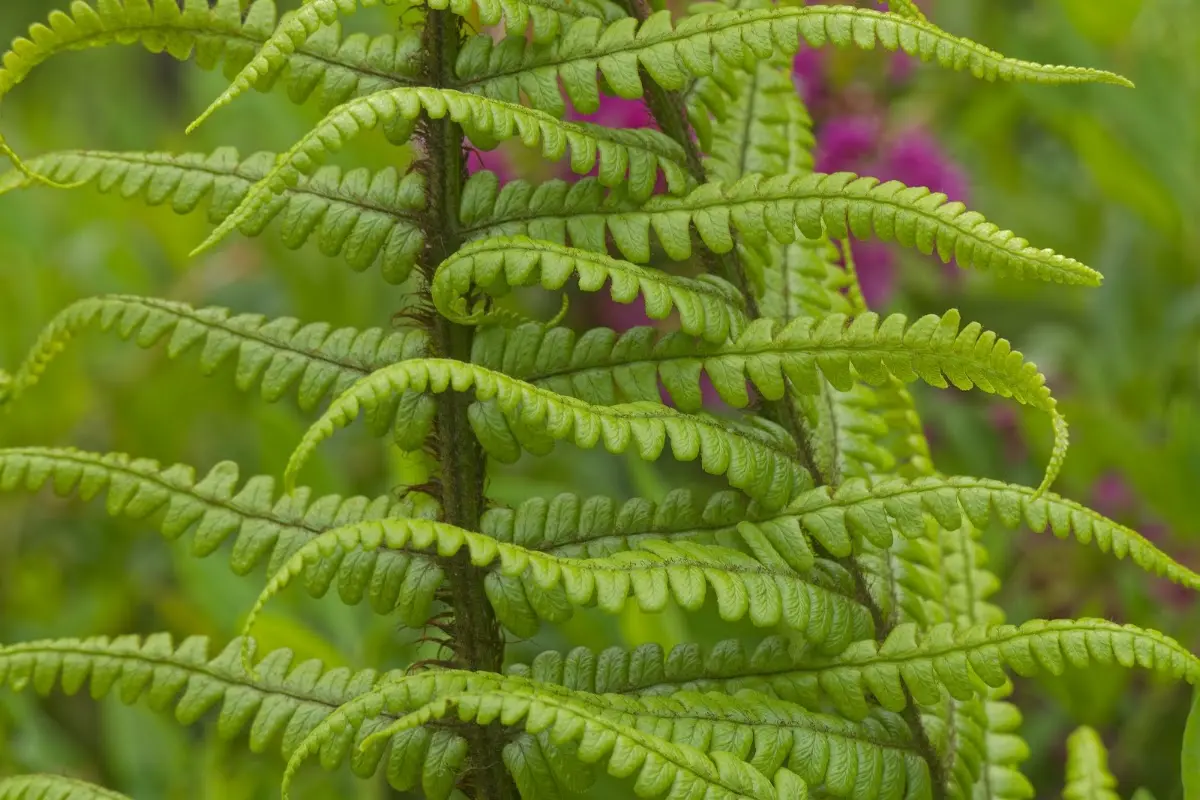
A tree fern frond silhouetted against flat grey sky, its full architecture on display.
Silver Fern
Alsophila tricolor, commonly known as the silver fern or ponga, is a medium-sized tree fern endemic to New Zealand. Recognizable by the silver-white undersides of its mature fronds, it is a national symbol associated with New Zealand. The fern grows up to 10 meters tall and thrives in subcanopy areas of drier forests and open scrub.
Arriving in New Zealand during the Pliocene epoch, the silver fern is found on the main islands, the Chatham Islands, and Lord Howe Island. It prefers well-drained humus and sheltered conditions, tolerating drier environments once established.
Culturally, the silver fern has been used as an emblem by the New Zealand military since the Second Boer War and appears on Commonwealth war graves. It is also featured in various logos, including KiwiRail and the New Zealand Labour Party, and has been proposed for the national flag.
The fern's koru symbol, representing an unfurling frond, is prominent in Māori art and culture, symbolizing perpetual movement and a return to origins. Although not an official national symbol, the silver fern is widely recognized alongside the kiwi as an emblem of New Zealand.
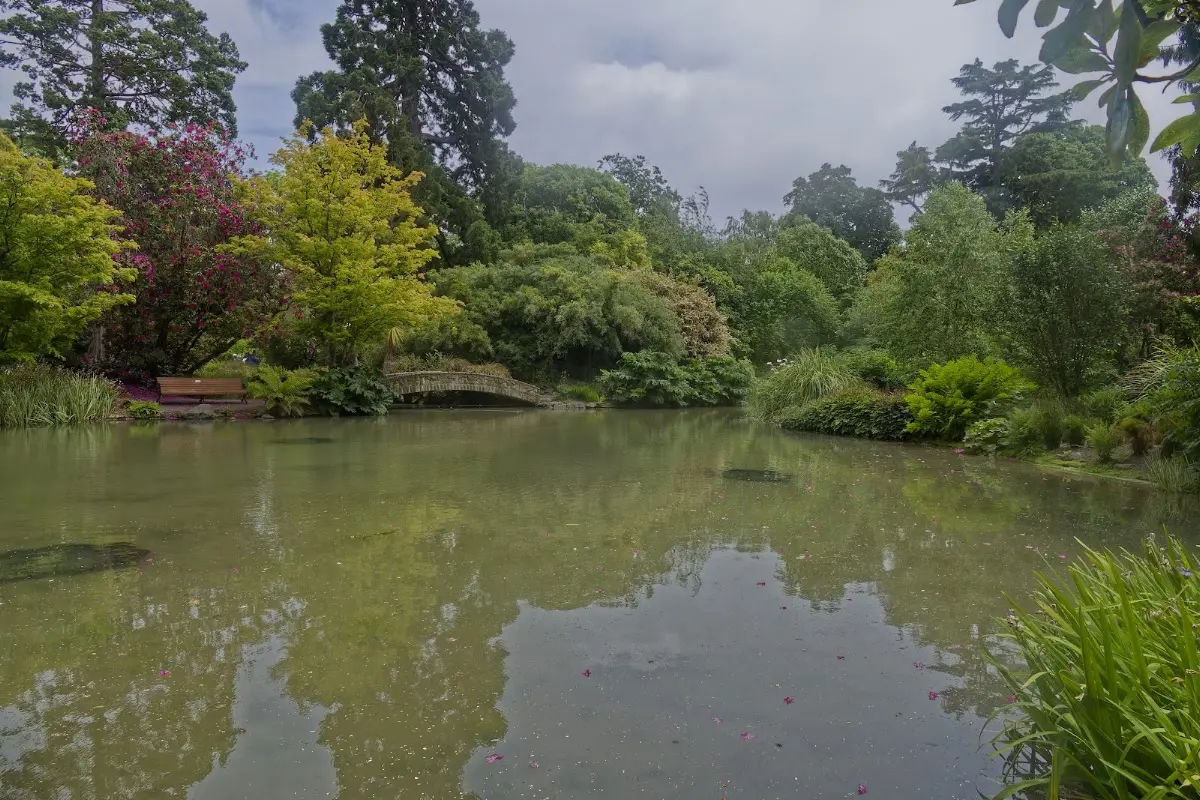
A small stone footbridge across the ornamental lake, a lone bench waiting on the far bank.
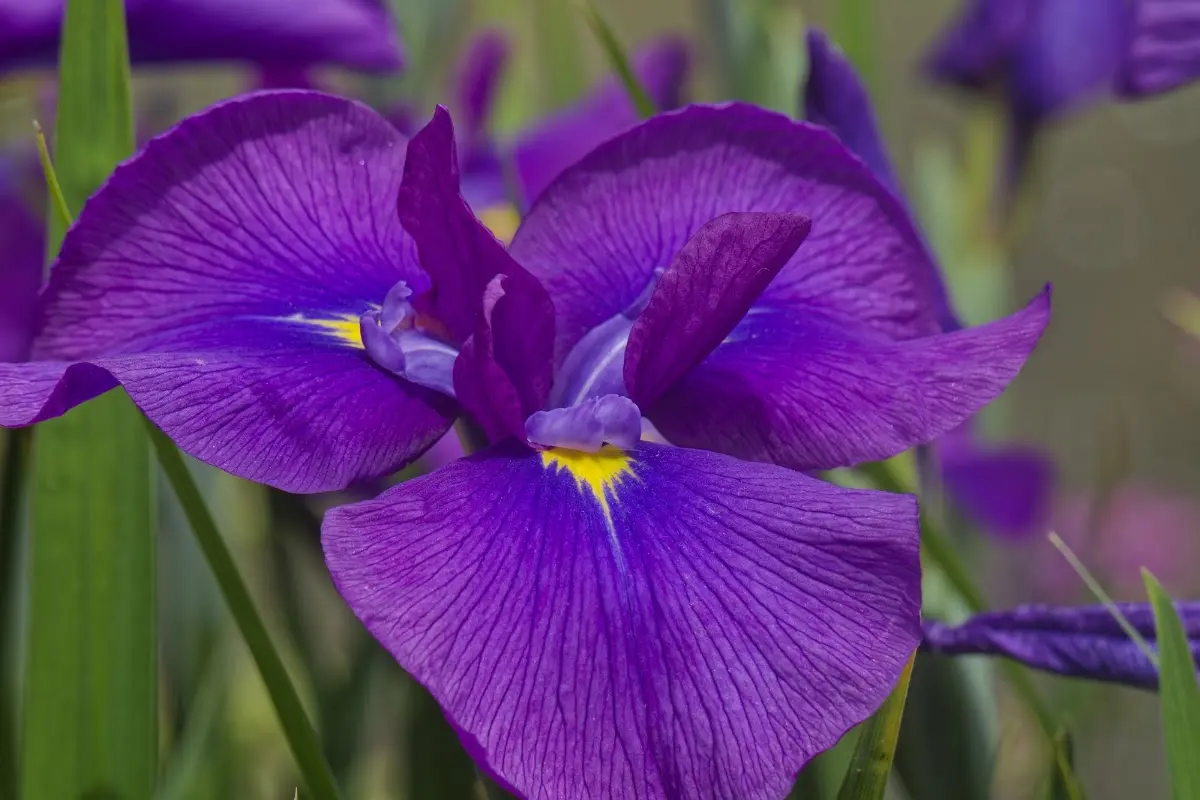
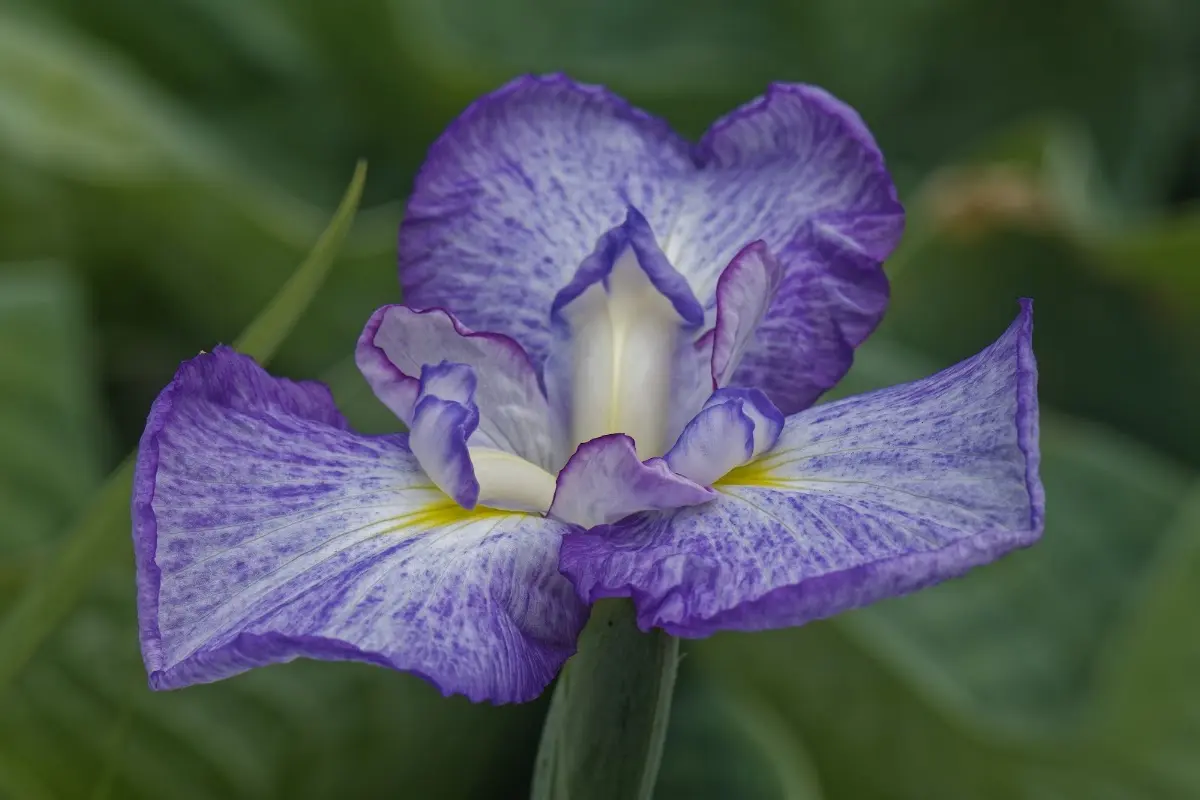
A vivid Japanese iris in near-perfect bloom, its veined petals in full sun.
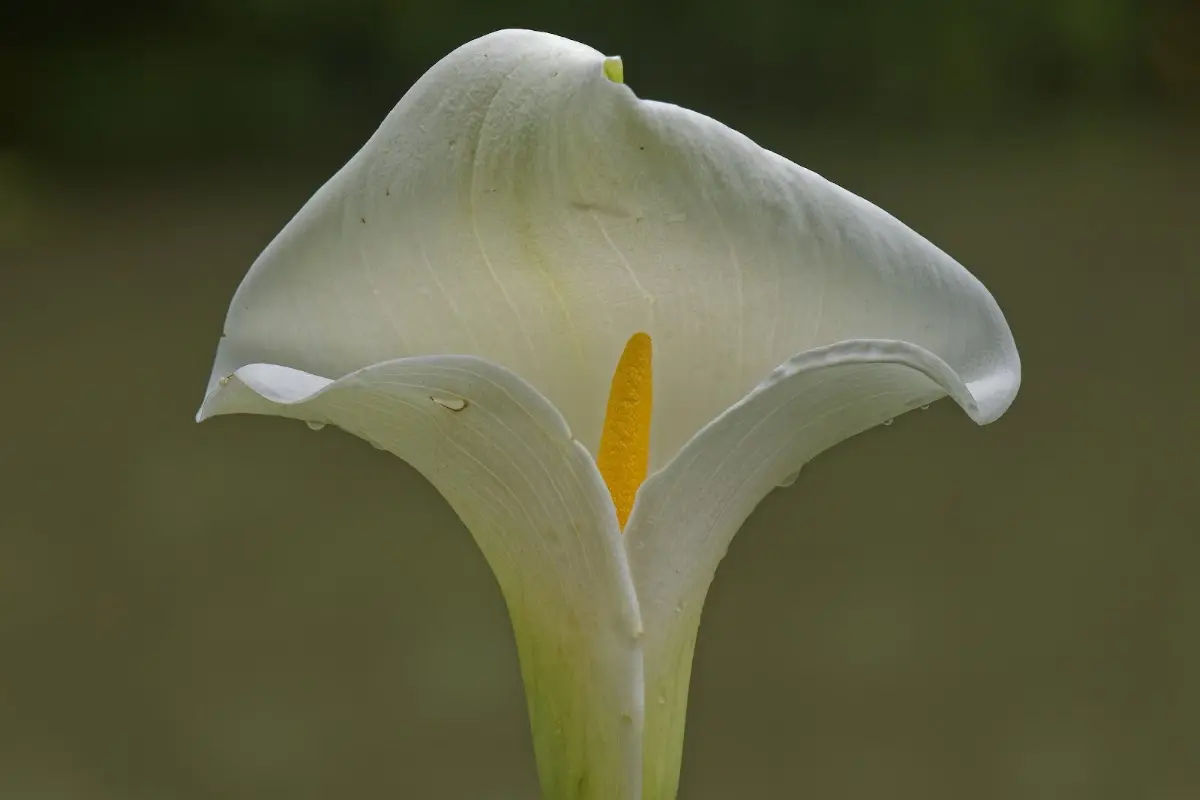
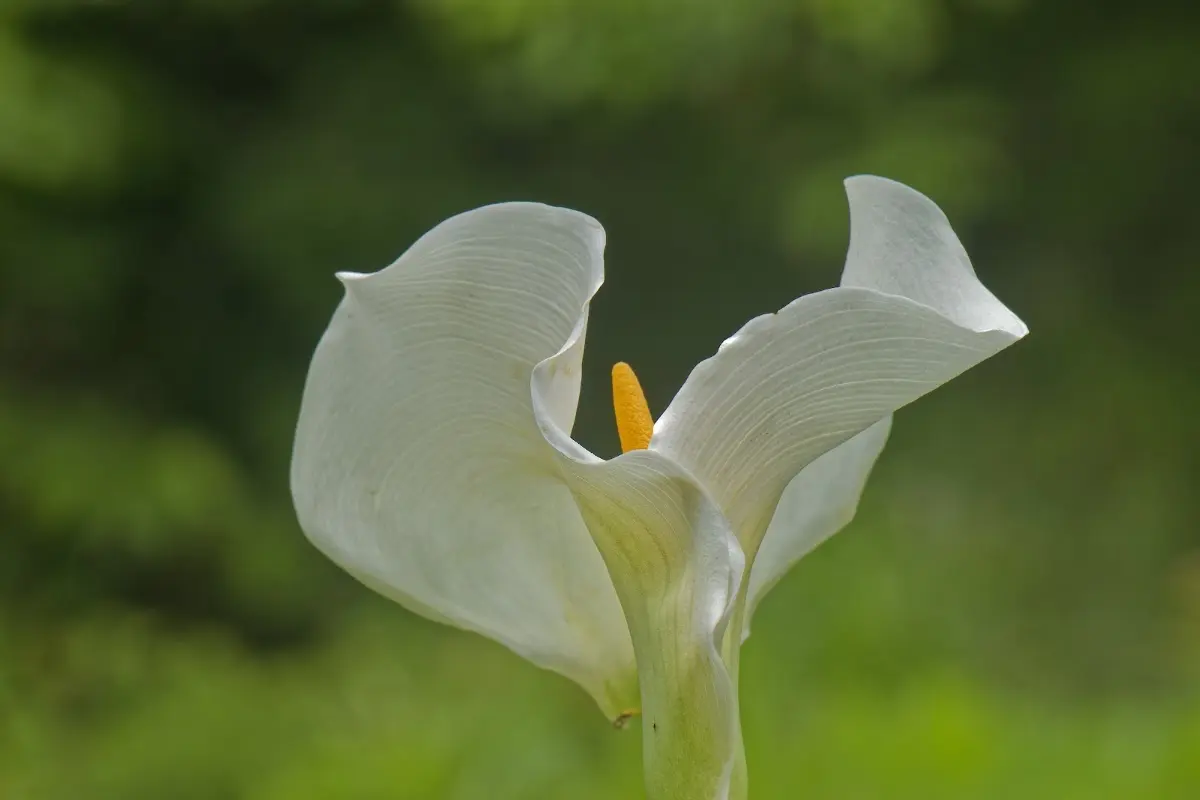
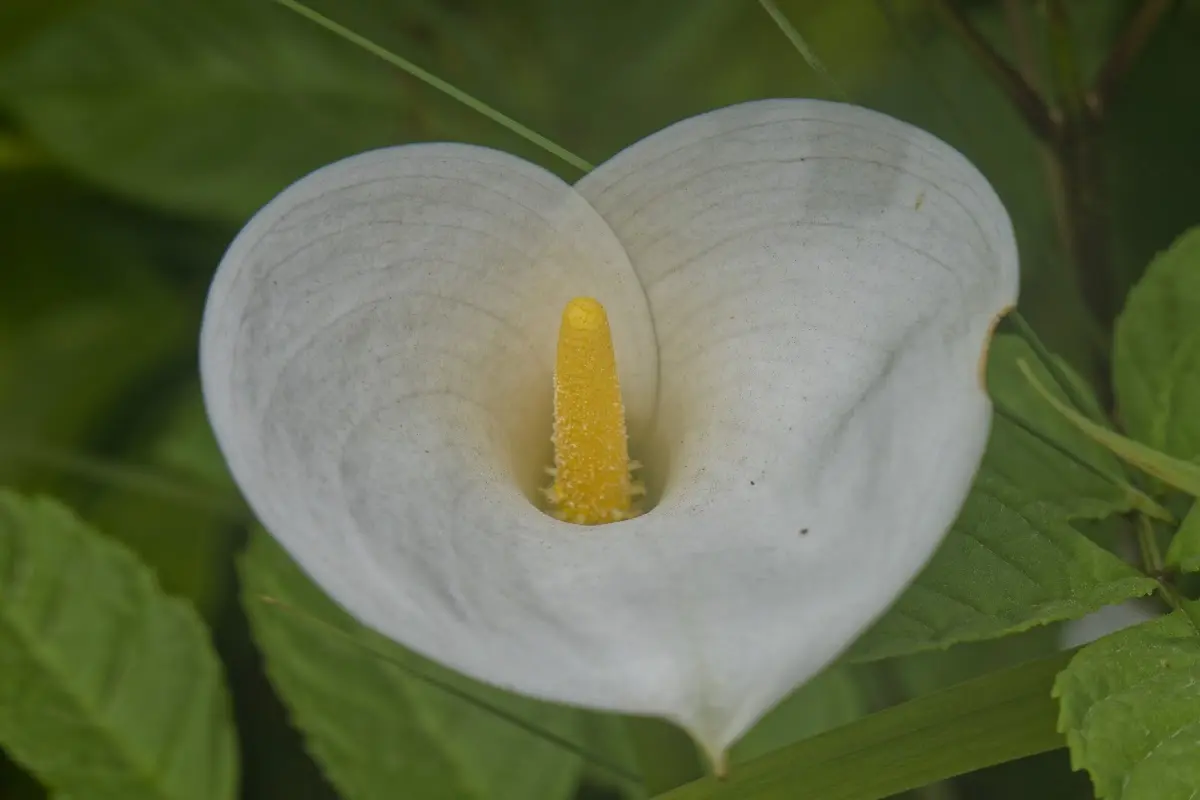
A classic white calla lily against a dark background, its spadix glowing gold.
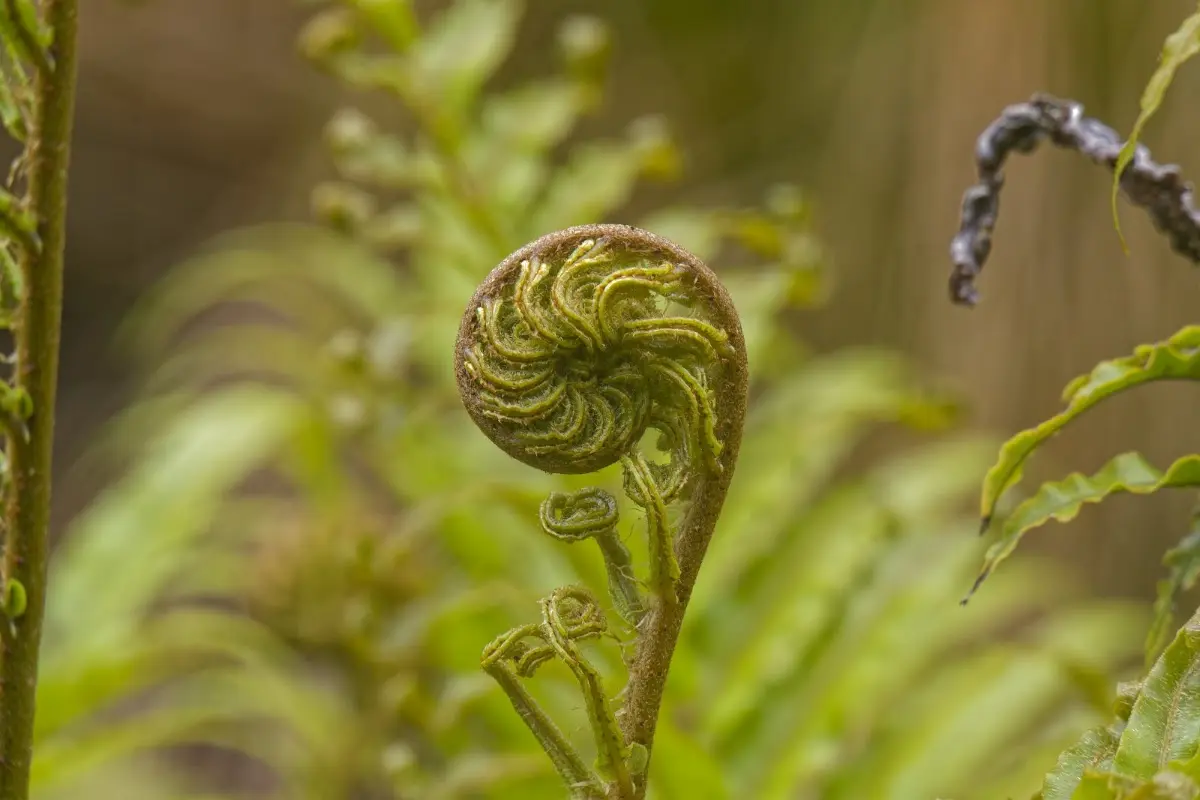
A textbook koru — a silver fern frond unfurling perfectly, right where the story above comes alive.
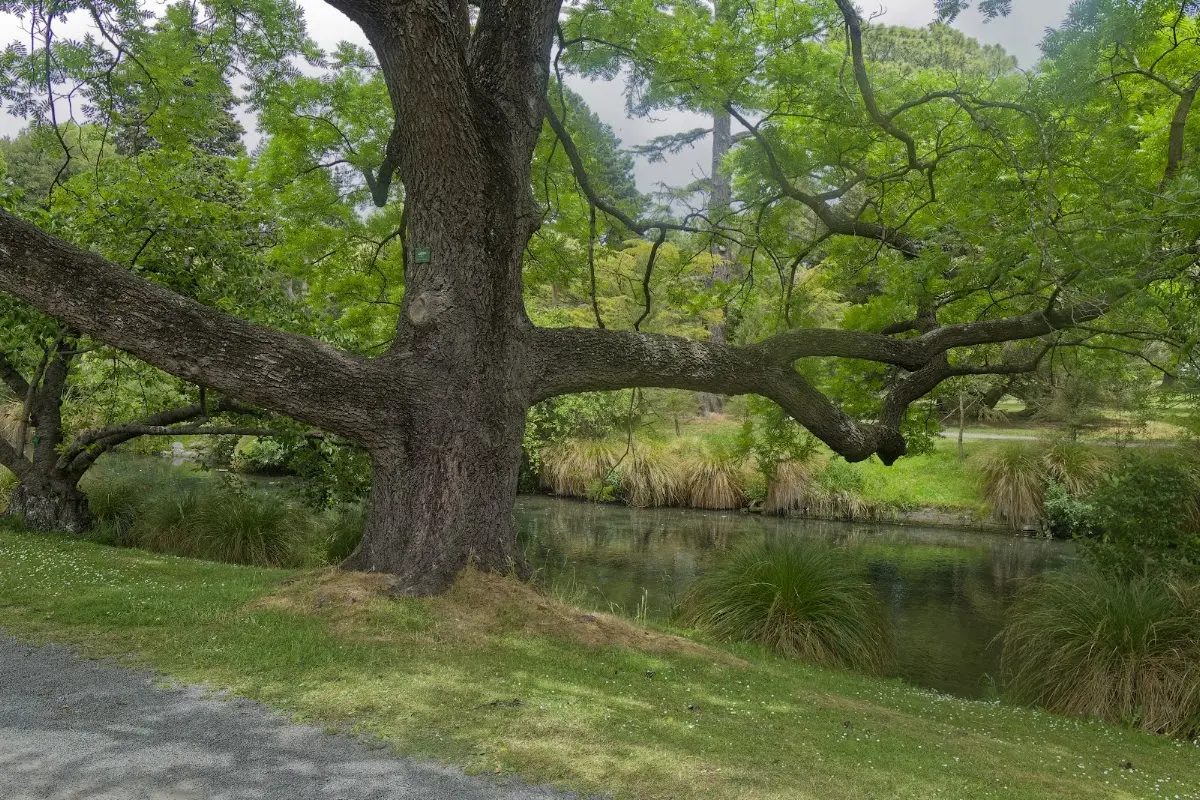
The 1863 English oak, planted to mark the wedding of Prince Albert and Princess Alexandra — now a genuine giant leaning right over the Avon.
Christchurch
Christchurch Overview
Christchurch is the largest city in the South Island and the second-largest city by urban area population in New Zealand. It has an urban population of 415,100 and a metropolitan population of over half a million. The city is located in the Canterbury Region, near the centre of the east coast of the South Island, east of the Canterbury Plains.
History
Christchurch was first inhabited by the historic Māori iwi Waitaha in the mid-thirteenth century. The area was later invaded by Kāti Māmoe and then absorbed by Kāi Tahu a century later. British colonial settlement began in the mid-nineteenth century, and the city became a major trading centre.
Geography
Christchurch is located near the southern end of Pegasus Bay and is bounded to the east by the Pacific Ocean and to the south by the ancient volcanic complex of the Banks Peninsula. The Avon River winds through the centre of the city, with a large urban park along its banks.
Climate
Christchurch has a temperate oceanic climate with regular moderate rainfall. The city has experienced a number of natural disasters, including earthquakes and floods, which have had a significant impact on the city's development.
Modern History
Christchurch experienced rapid growth in the 20th century, driven by the construction of state houses and the development of the city's industrial sector. The city hosted the 1974 British Commonwealth Games and has been recognized as an Antarctic gateway since 1901.
Conservation
The kea is listed as Nationally Endangered in the New Zealand Threat Classification System and is protected by law. Conservation efforts are underway to protect the kea and its habitat, including the creation of a citizen science project to monitor kea observations and the establishment of a kea conservation trust.
Tracks and Trails
Christchurch has a number of tracks and trails that offer stunning views of the city and its surroundings. The city's parks and gardens are also popular with visitors, offering a peaceful escape from the hustle and bustle of city life.
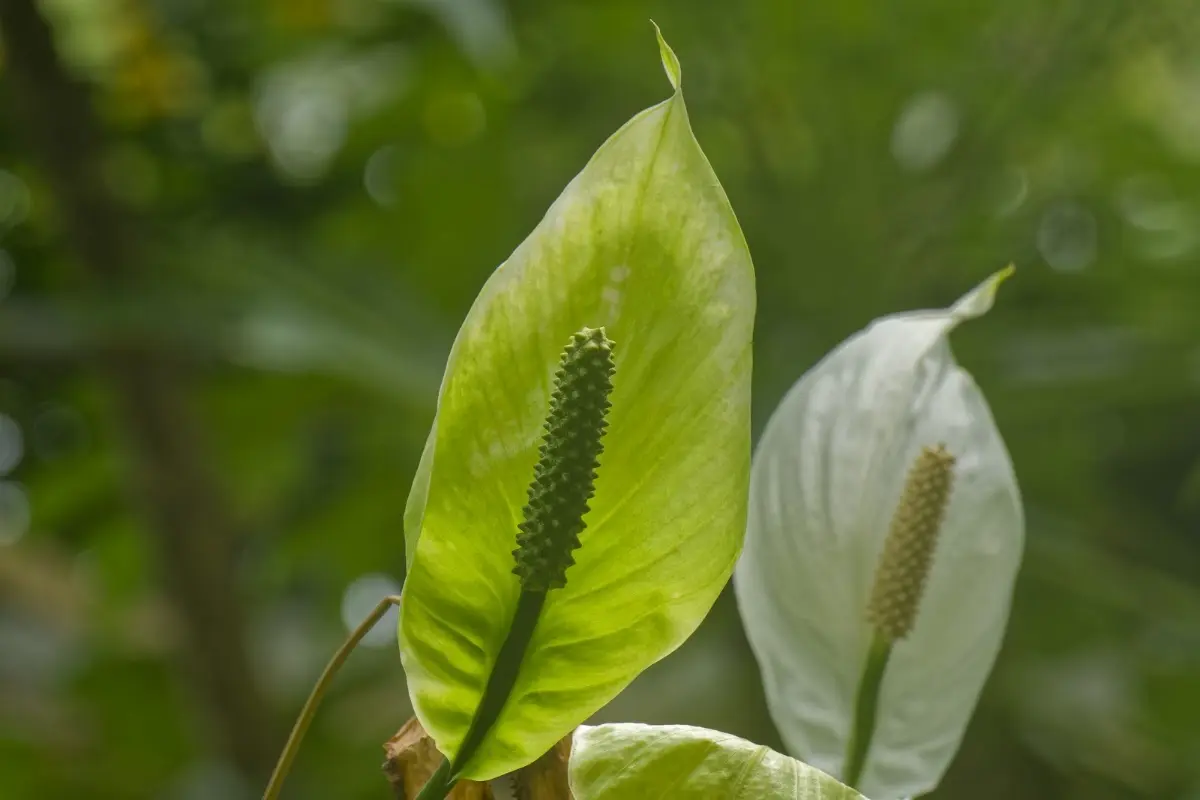
Peace lilies caught mid-transition — one still green, one already turning white.
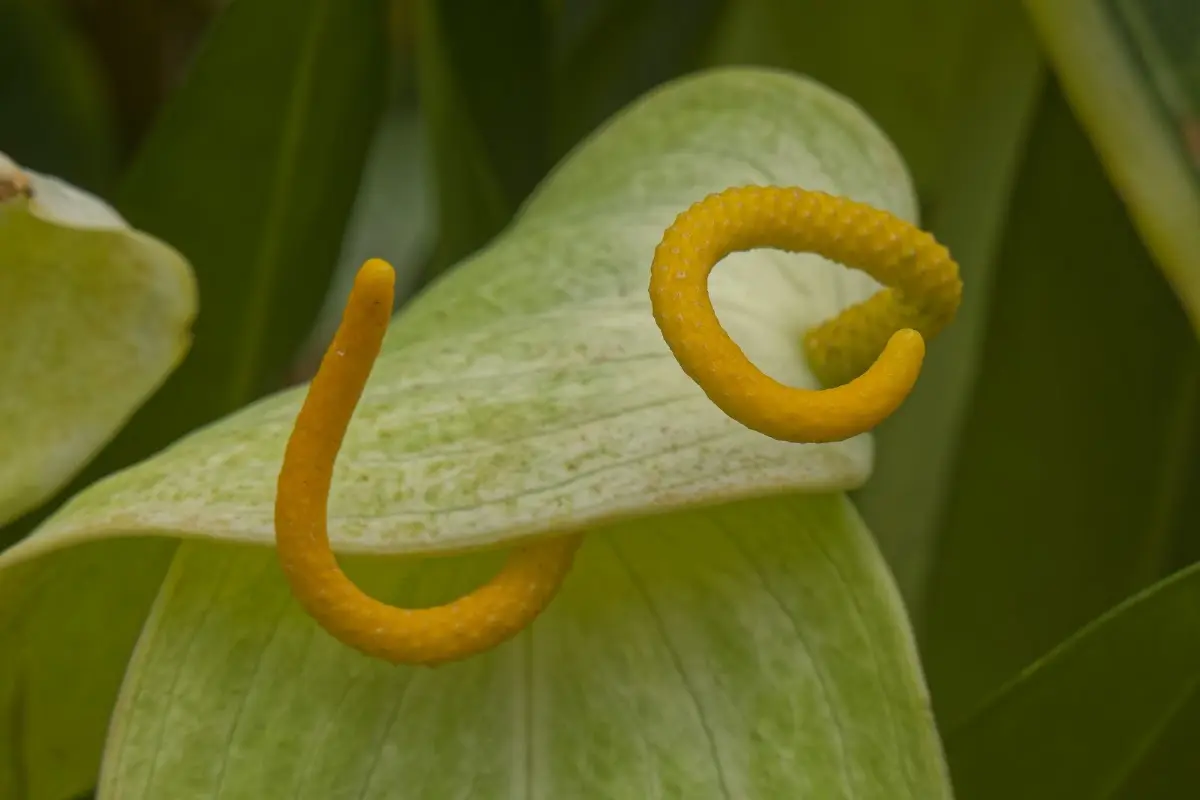
A calla lily spadix curled into a perfect spiral — one of the garden's weirder little details worth a closer look.
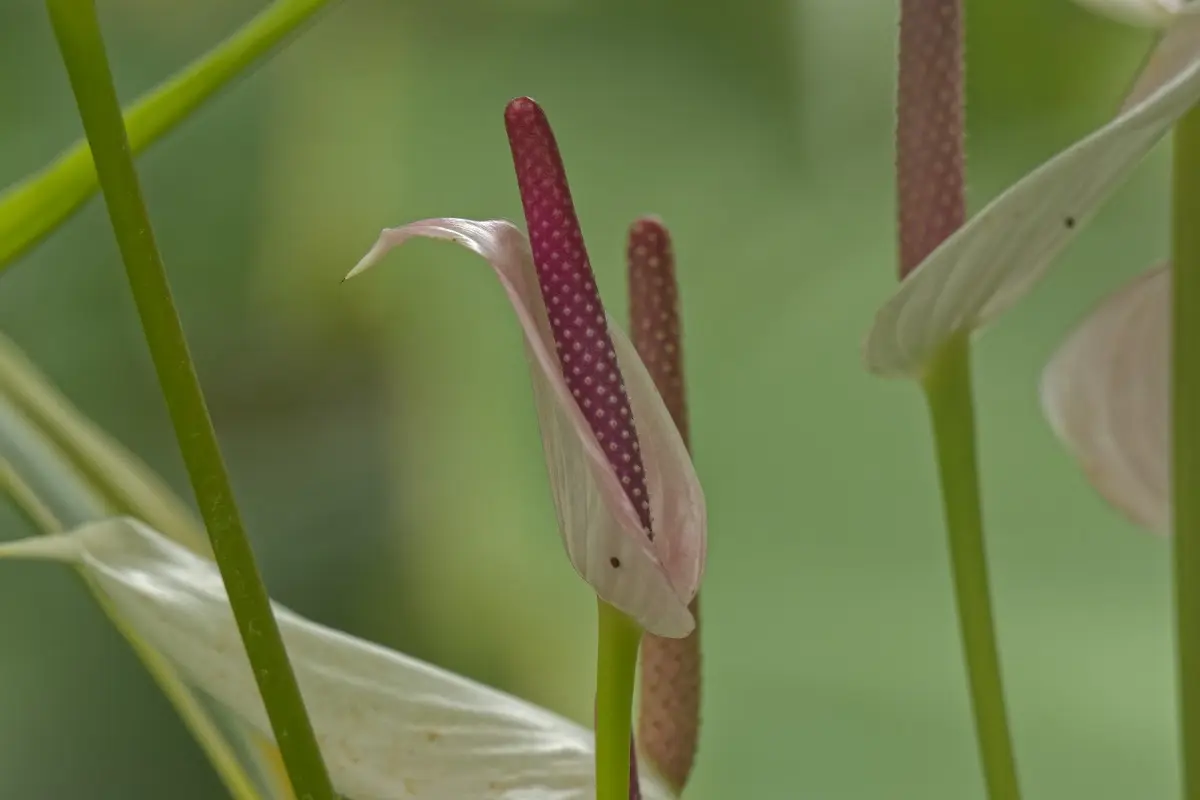
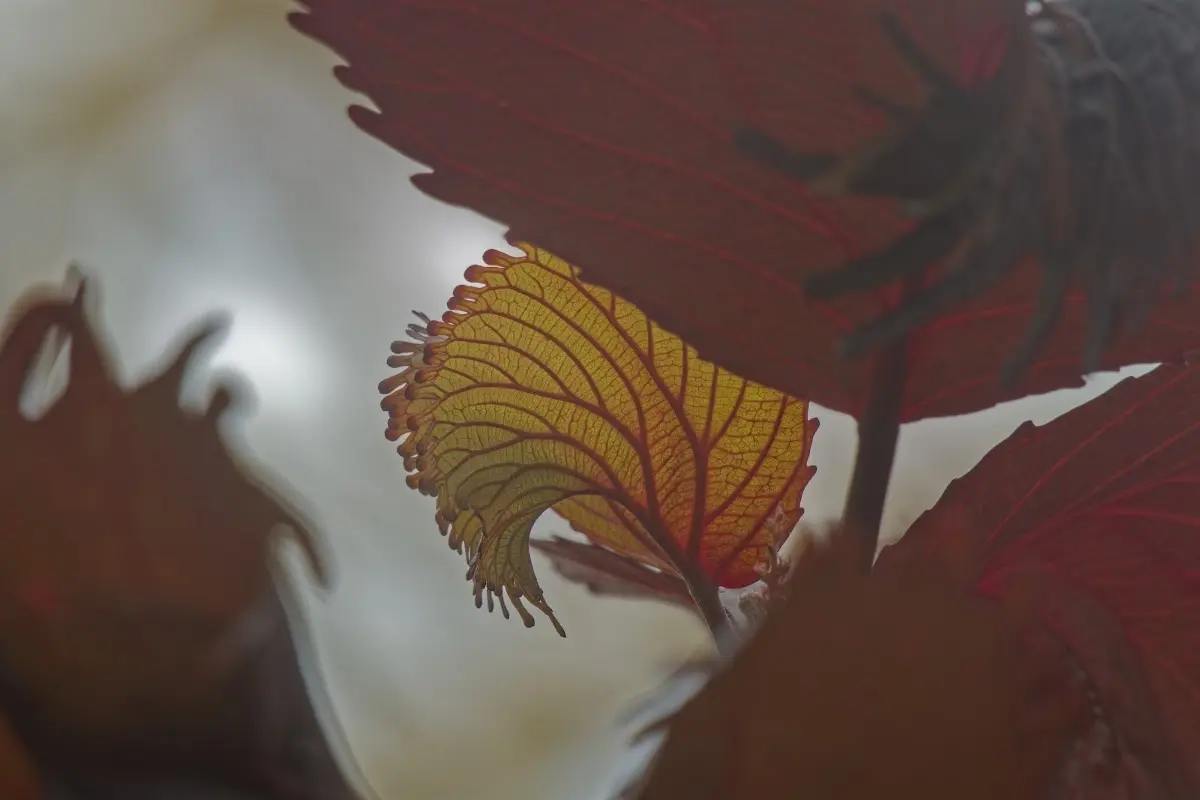
A backlit copper-beech leaf glowing gold and red, veins standing out like stained glass.
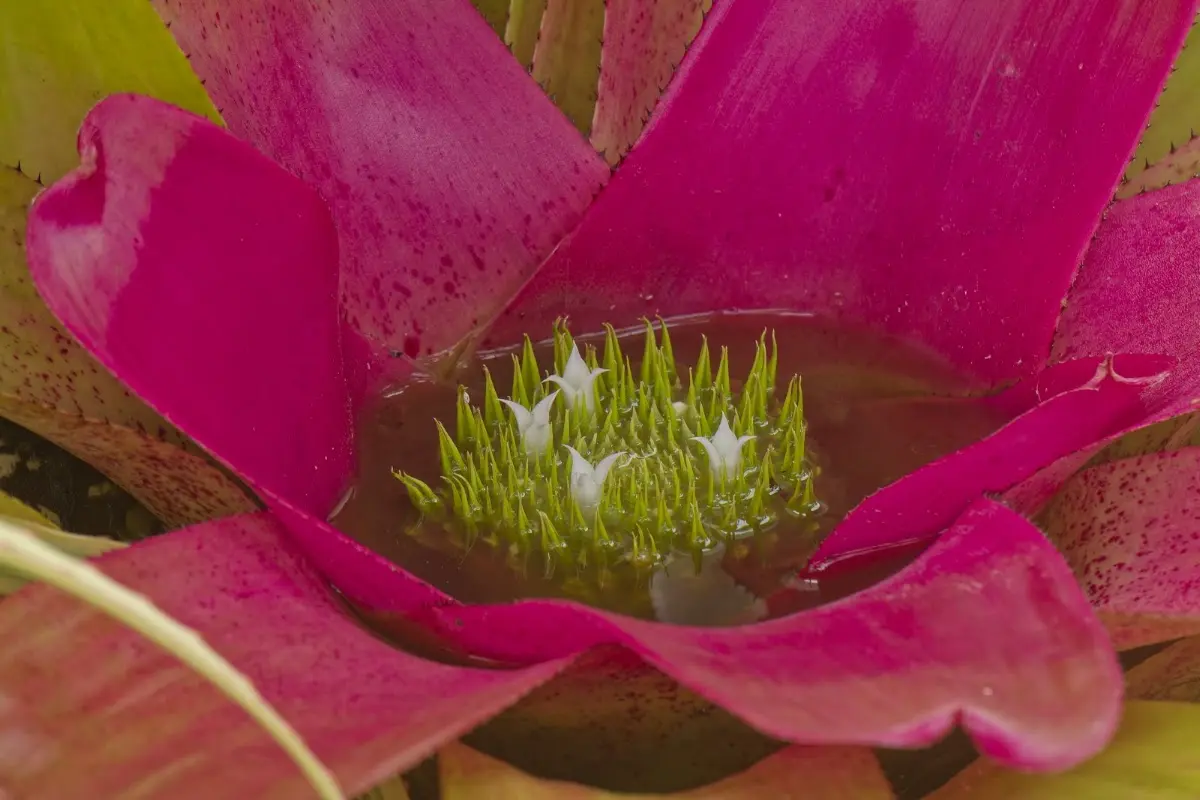
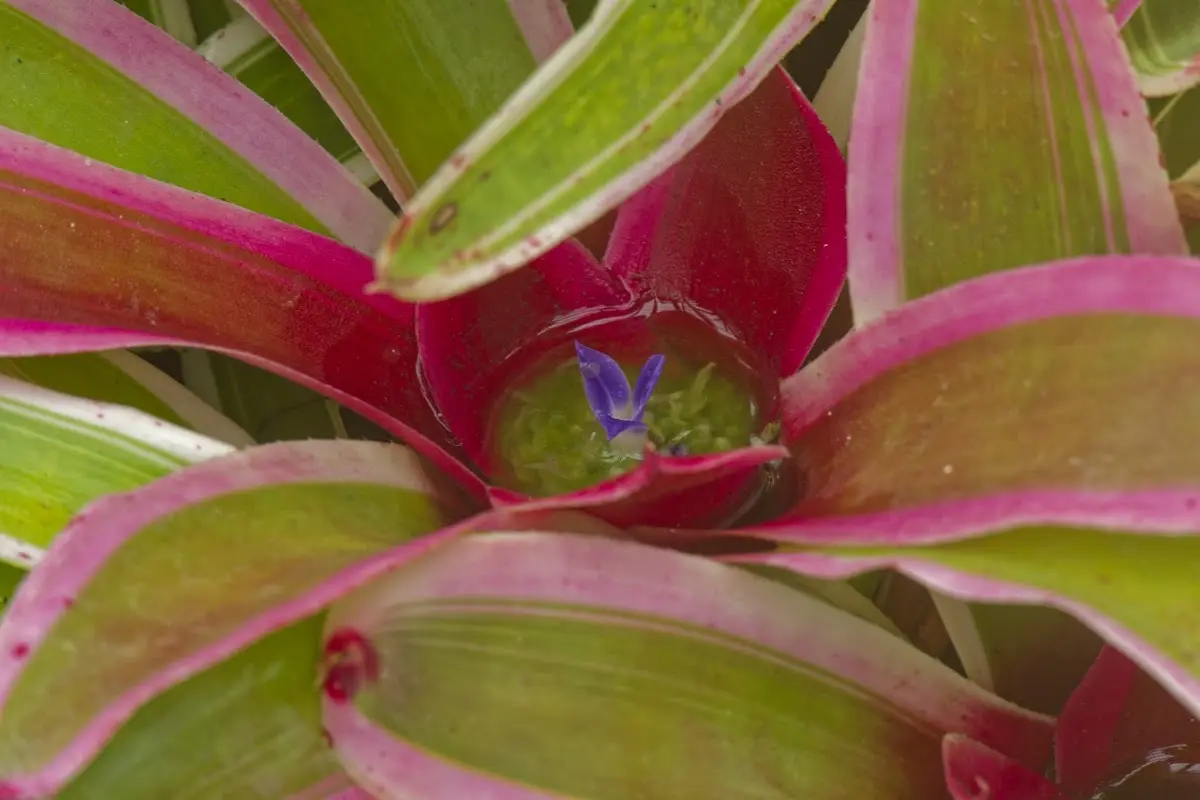
A striking bromeliad, magenta bracts cupping a rain-filled centre and tiny white flowers.
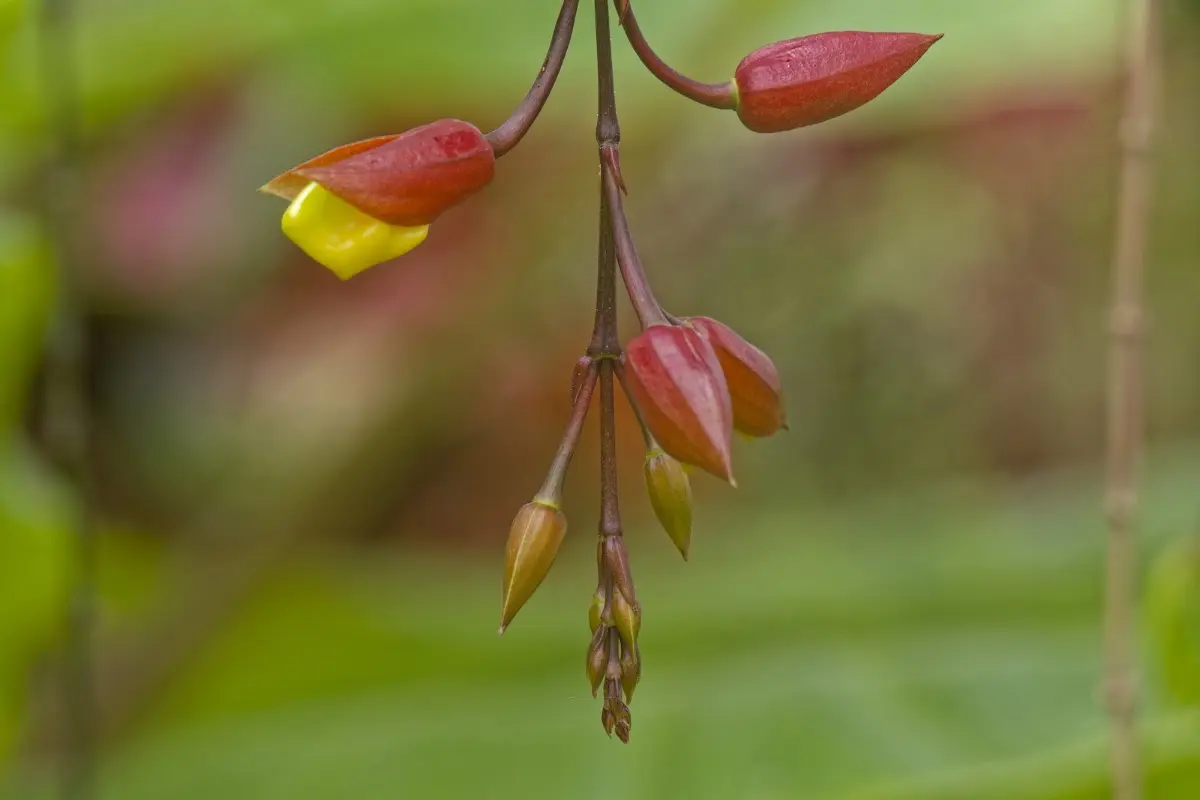
Little parrot's-beak flowers hanging like tiny lanterns, red splitting open to yellow.
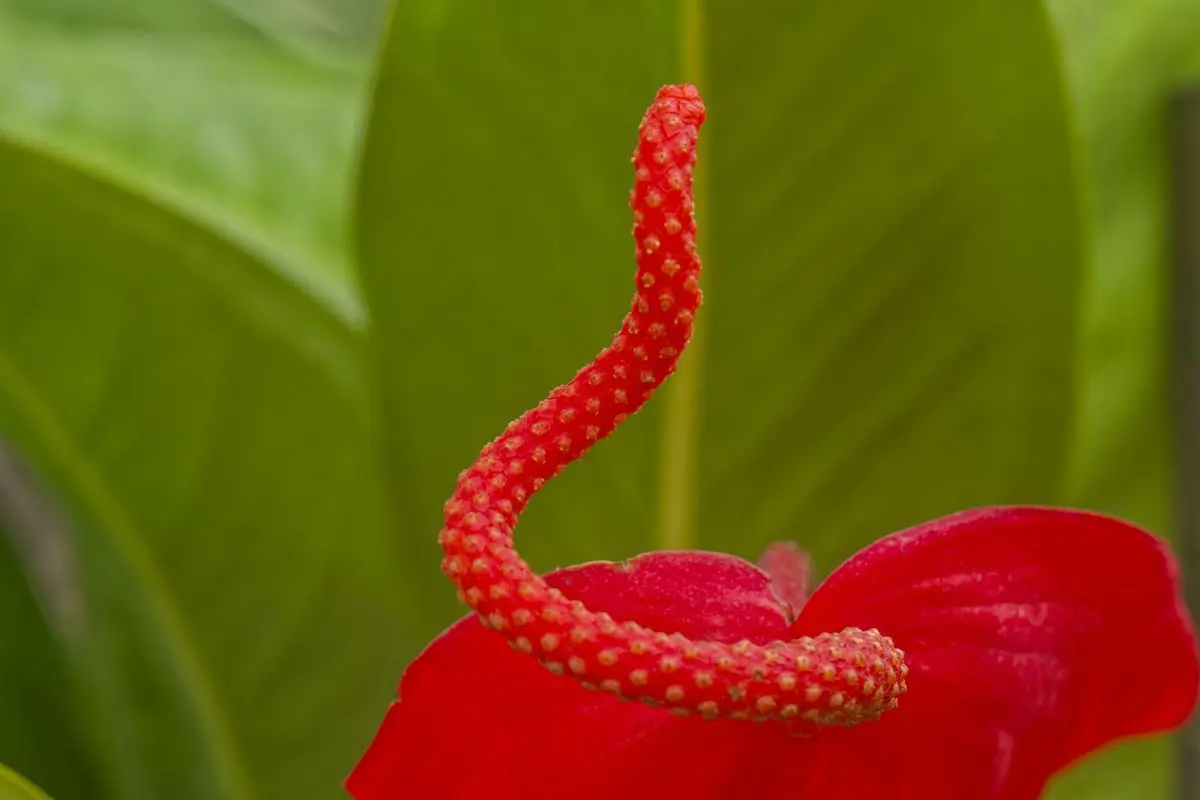
A brilliant red anthurium, its curled spadix twisting like a snake — a strong closer for the conservatory.
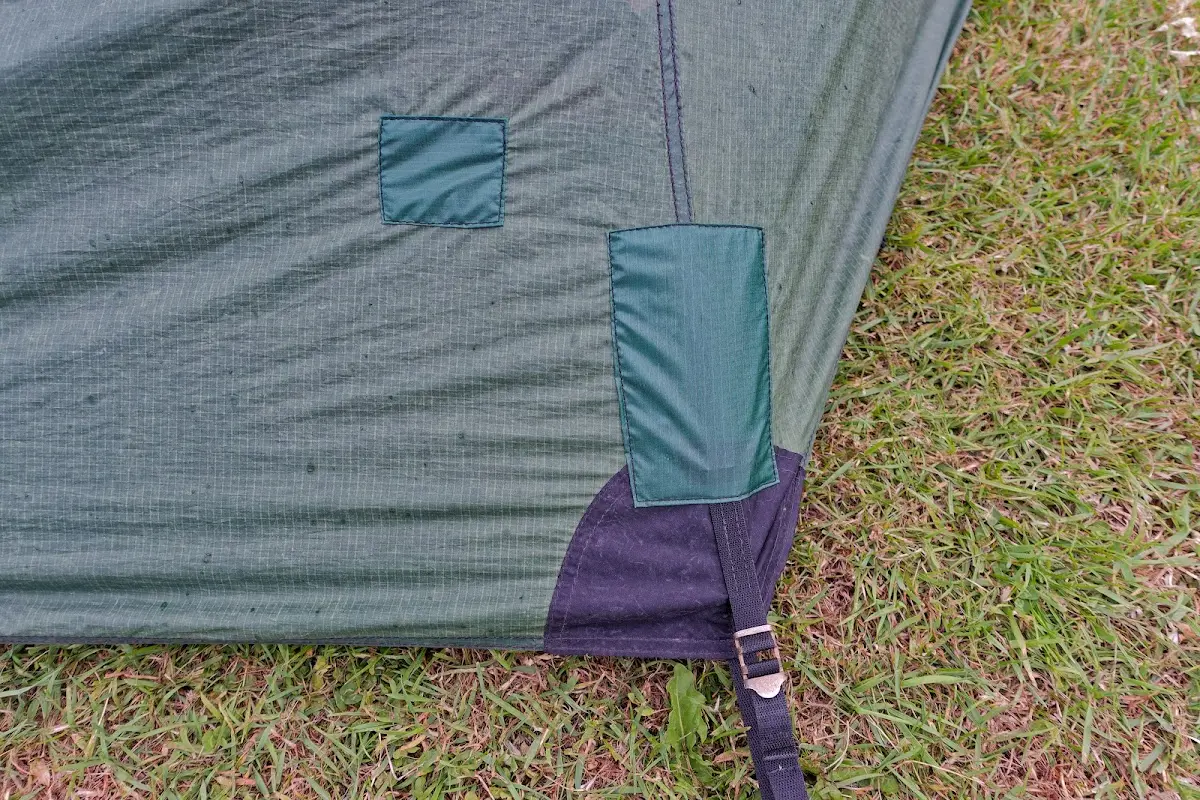
The tent, freshly patched — two neat repairs in matching fabric, exactly what the morning's appointment was for.