The Endless Summer
Back in Auckland to close the loop, with a week left before the flight home — a museum day, the ride out to Piha and its famous Lion Rock, a long afternoon among an outdoor sculpture exhibition, and then the last, rain-soaked scramble to get the bike boxed up for the airport. The final stretch of 9506km on the road since leaving in October.
Paid for five nights at the campsite this morning — $100. Then the bus into Auckland for a day at the Auckland War Memorial Museum, with a café stop along the way; $160 left, which should be enough to see things through to the end.
Rode out to the airport in the evening to scout for bike boxes — no luck there, but no matter, there's plenty of cardboard to be found elsewhere, and the bike can be wrapped with tape instead. Probably Piha tomorrow. Rain forecast for Friday, it seems.
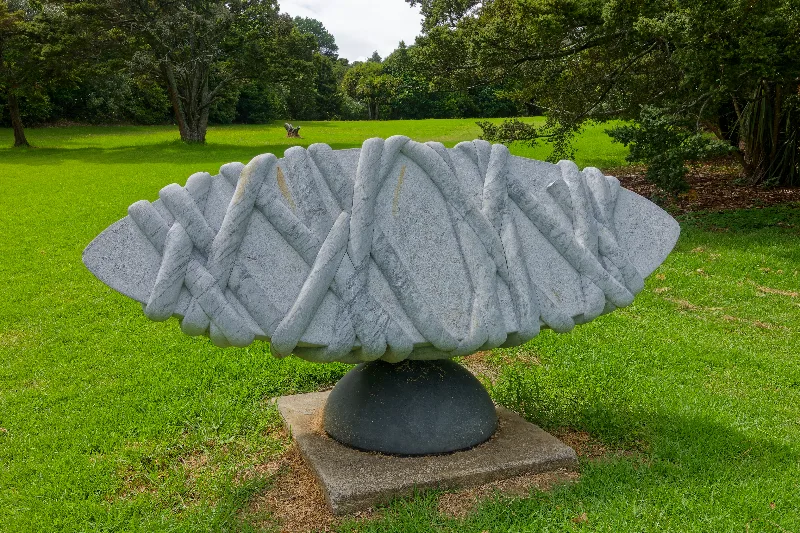
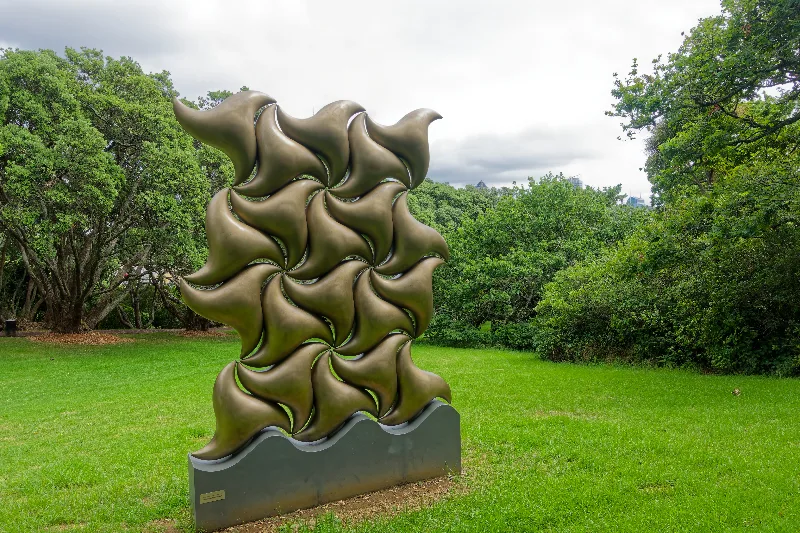
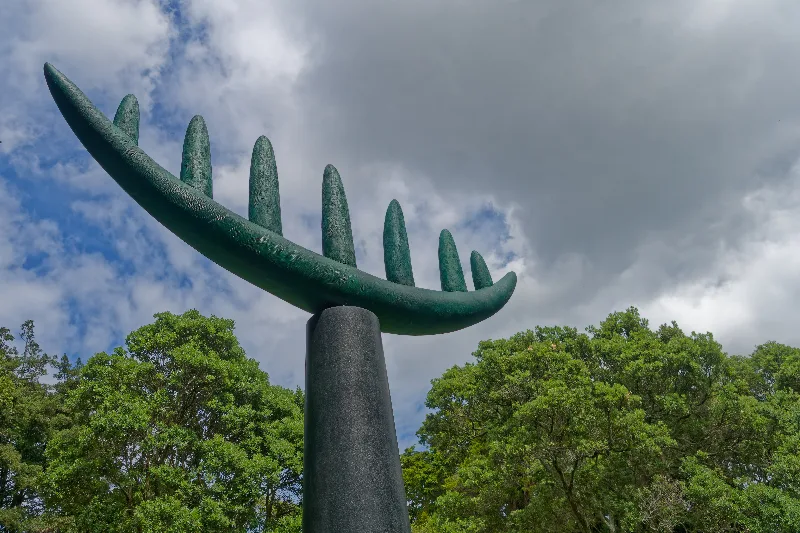
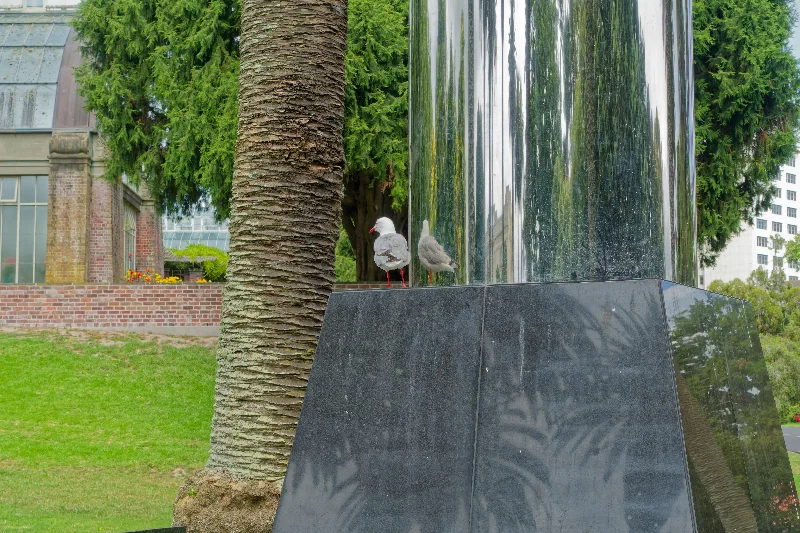
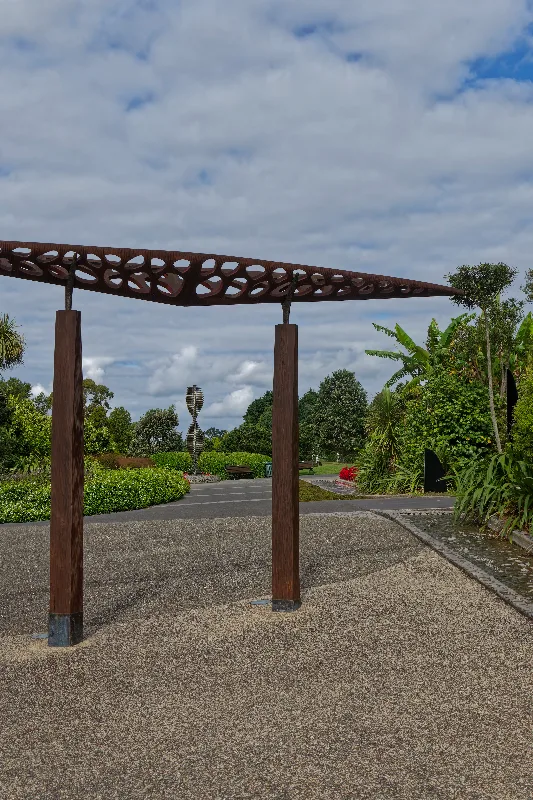
One of several large sculptures scattered across the Auckland Domain, the park surrounding the museum.
The Auckland War Memorial Museum, with the city skyline and Sky Tower behind.
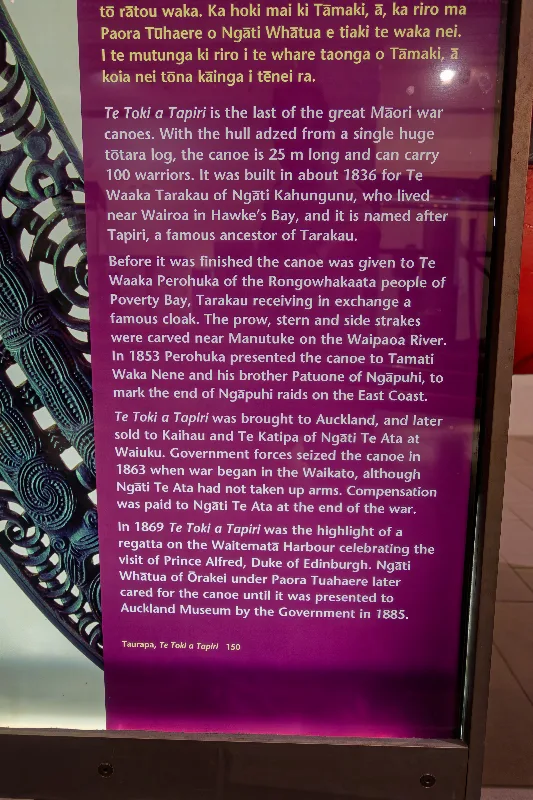
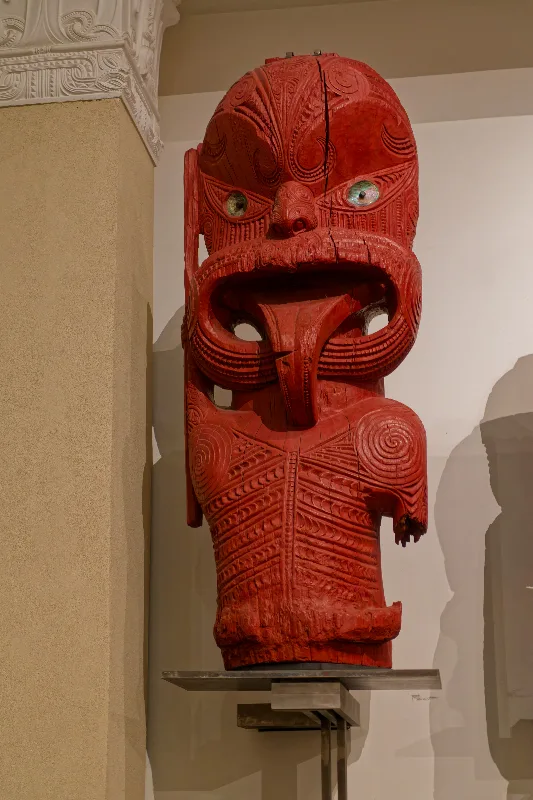
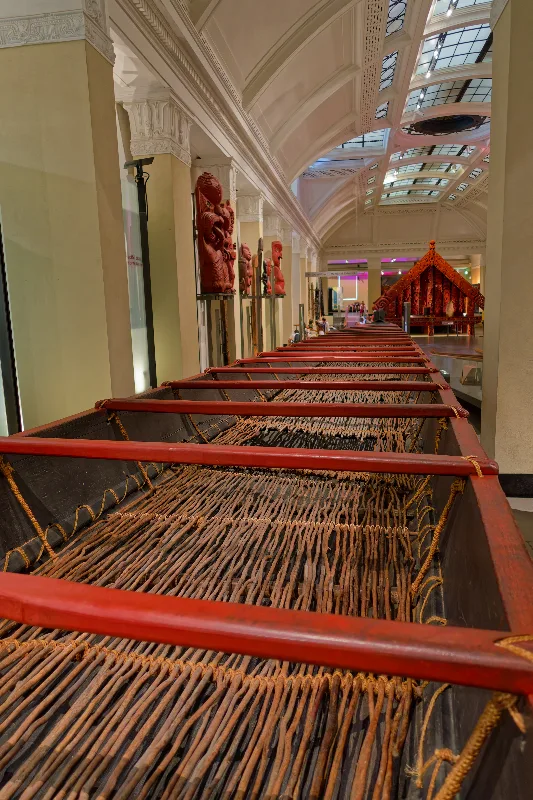
Te Toki a Tapiri, on display in the museum's Grand Foyer.
Te Toki a Tapiri
The last surviving great Māori war canoe, Te Toki a Tapiri, is 25m long and adzed from a single tōtara log, built to carry up to 100 warriors. It was built around 1836 for Te Waaka Tarakau of Ngāti Kahungunu, near Wairoa in Hawke's Bay, and named after Tapiri, a famous ancestor of Tarakau's.
The canoe changed hands several times over the following decades — given to the Rongowhakaata people of Poverty Bay in exchange for a prized cloak, later presented to Tāmati Wāka Nene and his brother Patuone of Ngāpuhi to mark the end of Ngāpuhi's East Coast raids, then sold on to Ngāti Te Ata at Waiuku. It was seized by government forces in 1863 when the Waikato War broke out, even though Ngāti Te Ata had taken no part in the fighting — compensation followed once the war ended. In 1869 the canoe was the centrepiece of a Waitematā Harbour regatta held for a visit by Prince Alfred, Duke of Edinburgh, before finally being presented to the Auckland Museum in 1885.
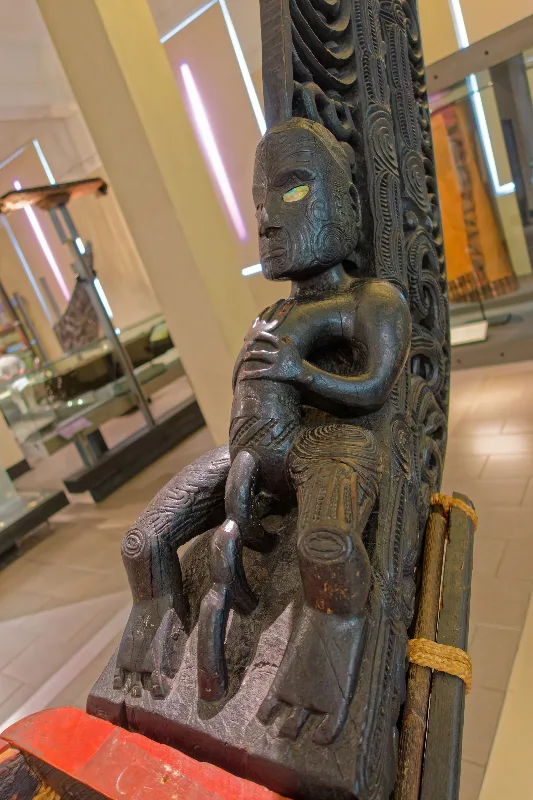
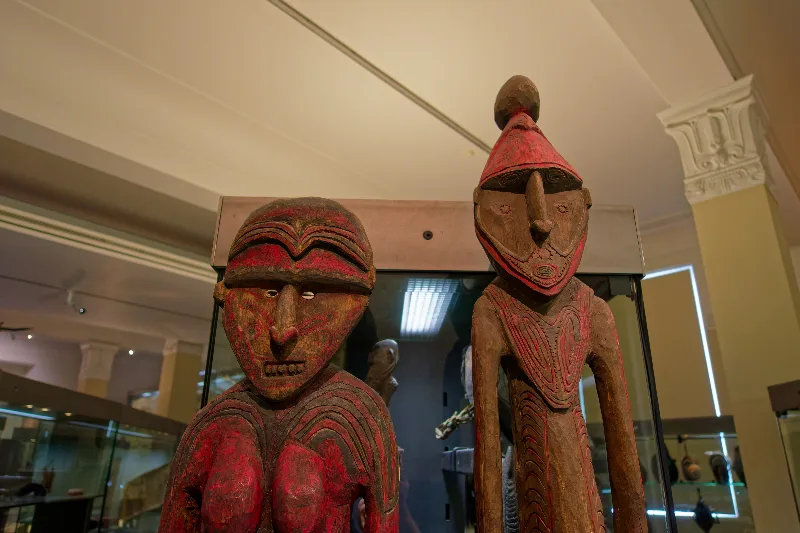
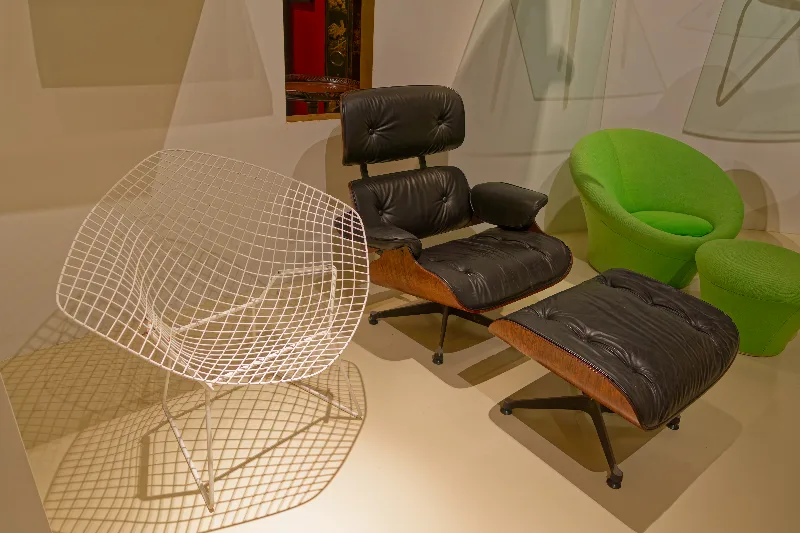
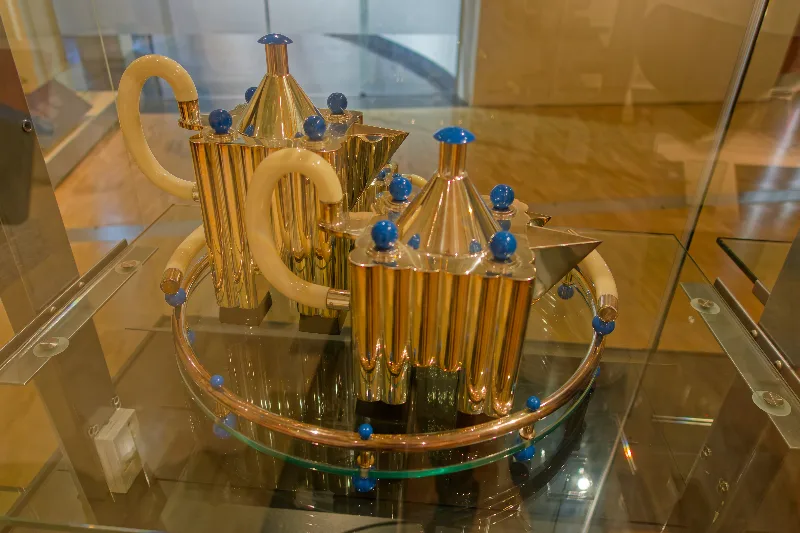
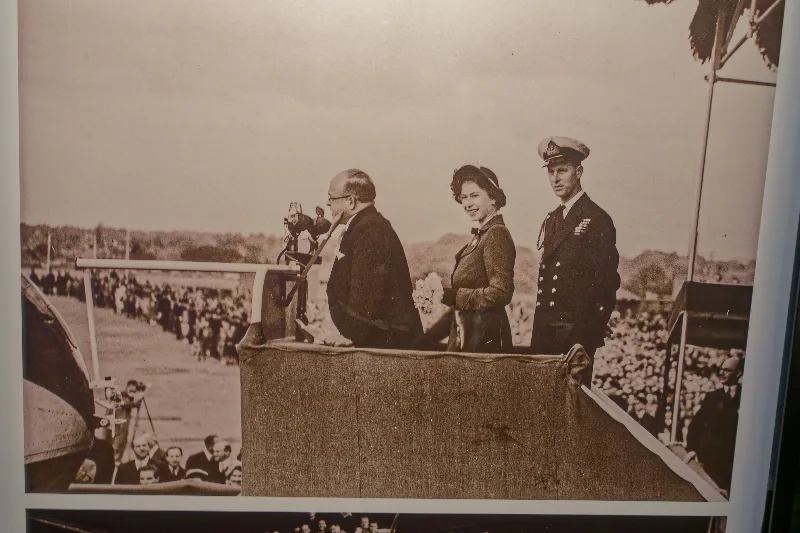
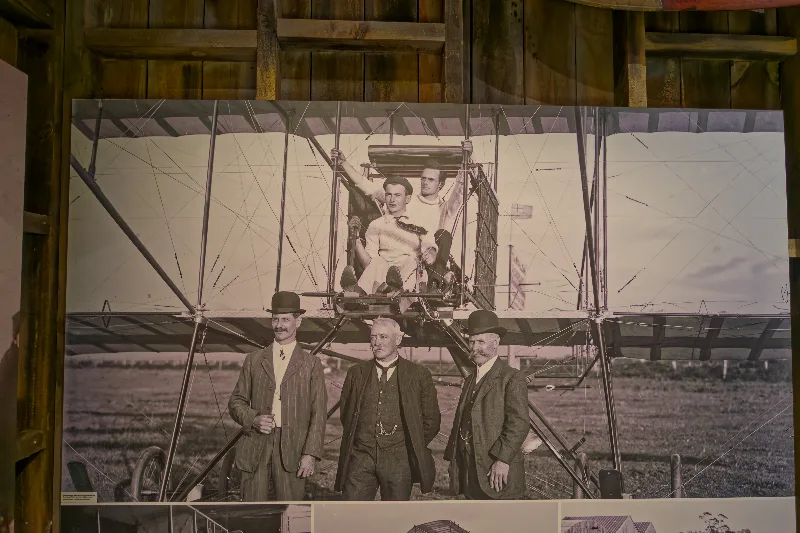
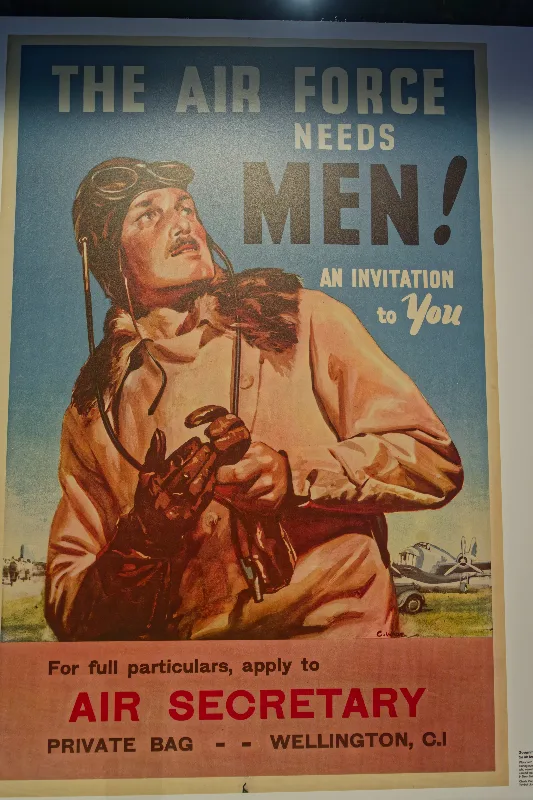
The museum's war history galleries, part of what makes this Auckland's official war memorial as well as its main museum.
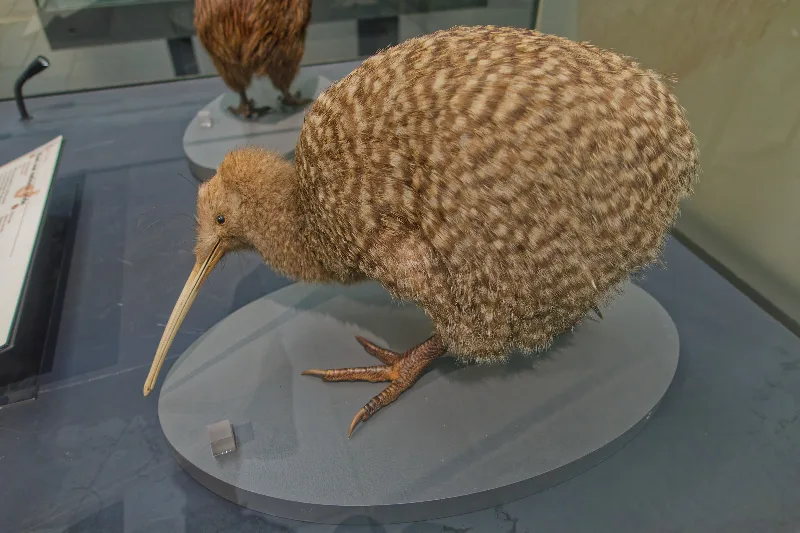
A kiwi on display in the natural history gallery — heard plenty on this trip, never once seen alive in the wild.
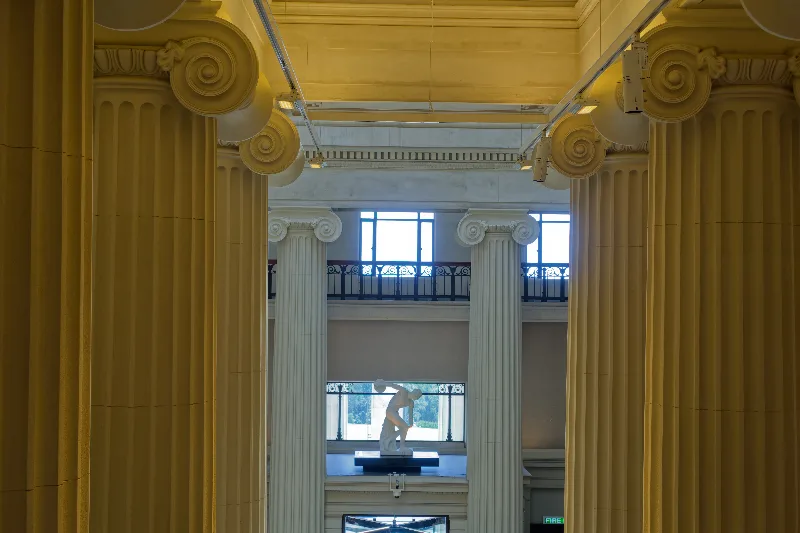
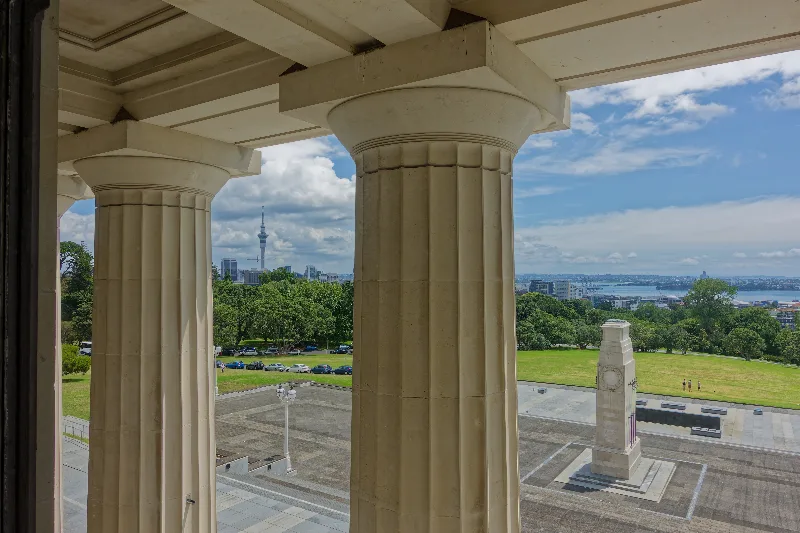
The view from the museum's colonnade — the war memorial cenotaph in the foreground, the Sky Tower and Waitematā Harbour beyond.
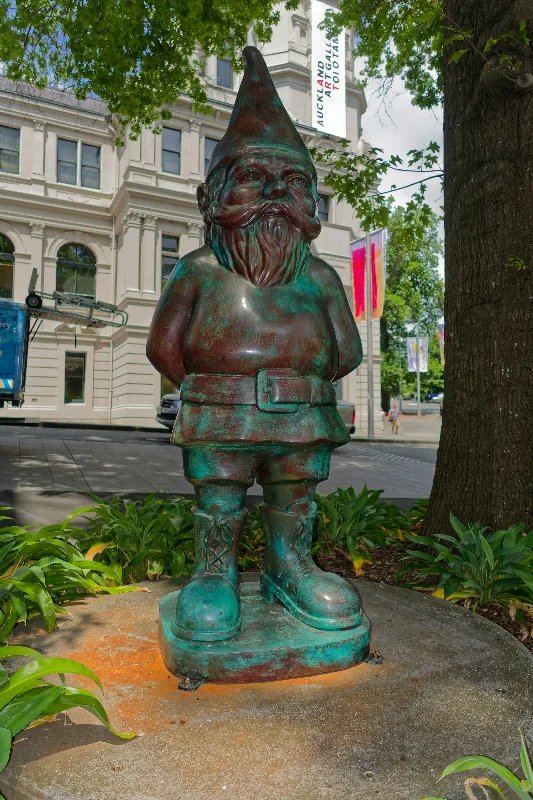
A rather large bronze gnome, spotted on the street near the Auckland Art Gallery.
Out to Piha this time, cycling the whole way through the city rather than taking the train partway as on an earlier visit. Heavy traffic, plenty of climbing, and good views along the way — 390m was the highest point of the ride. Decent weather in the morning gave way to rain by the time Piha itself came into view, but that didn't stop a swim, photographing the Lion, and watching the surfers out past the break.
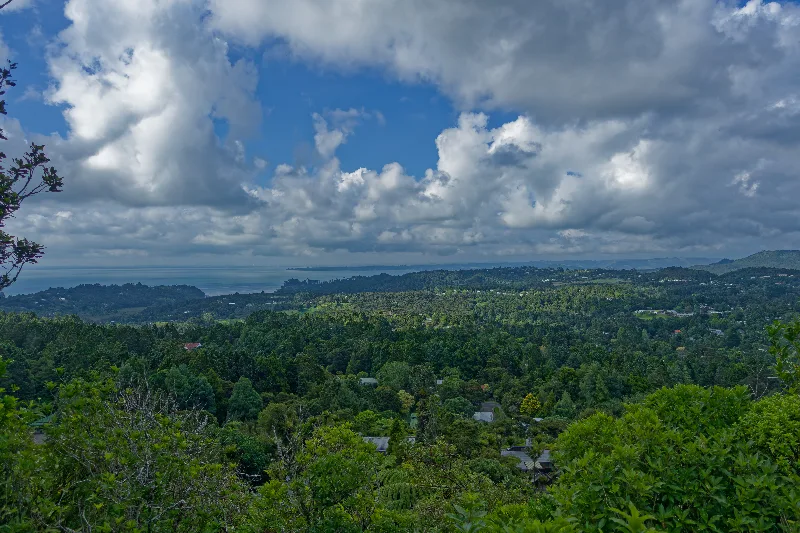
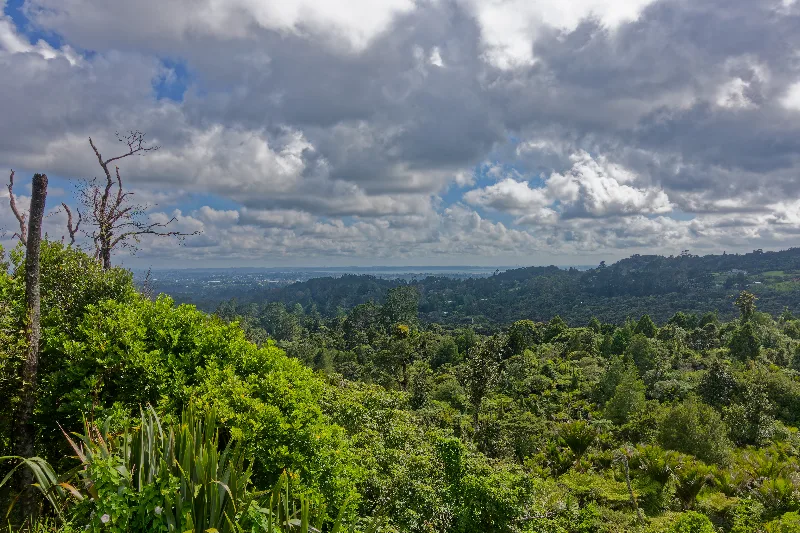
The Waitākere Ranges on the way out to the west coast, Auckland's suburbs already far behind.
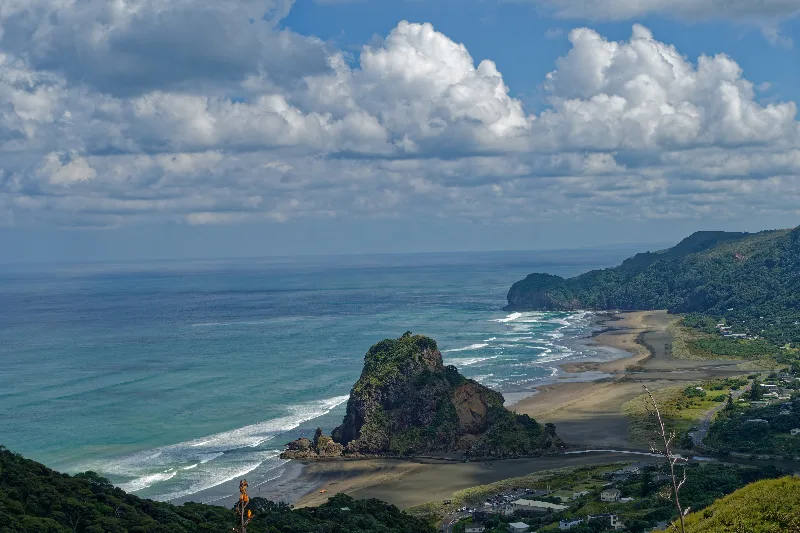
First sight of Piha and Lion Rock from the lookout above — the whole reason for today's ride.
Piha and the Endless Summer
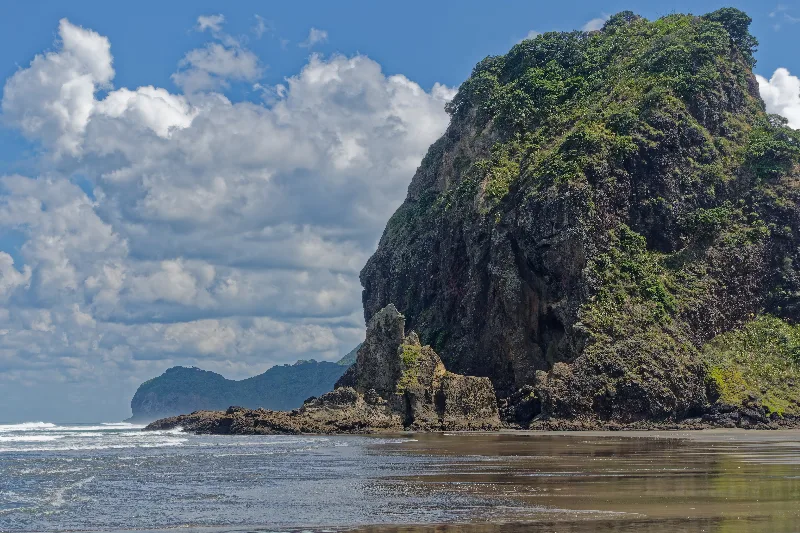
Lion Rock (Te Piha) dominates Piha's black-sand beach, splitting it in two — a volcanic remnant, all that's left standing after the surrounding softer rock eroded away over millions of years. It's sacred to local Māori, who once used it as a lookout and a burial site, and today it's simply the beach's defining landmark, visible from the lookout on the road in long before the sand itself comes into view.
Piha's surf break, and this whole stretch of black-sand west coast, featured in the 1966 surf film The Endless Summer — the title itself a reference to the idea that, given enough time and money, a surfer could chase summer right around the globe and never let it end. It's a fitting note to close this trip's own version of the same idea on, four and a half months and 9506km after it began.
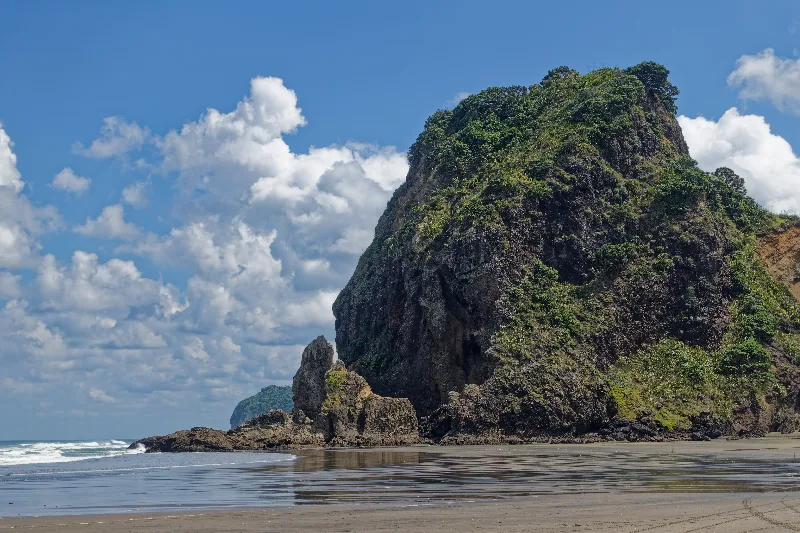
Lion Rock from the beach, its bulk cut by sea caves at the base.
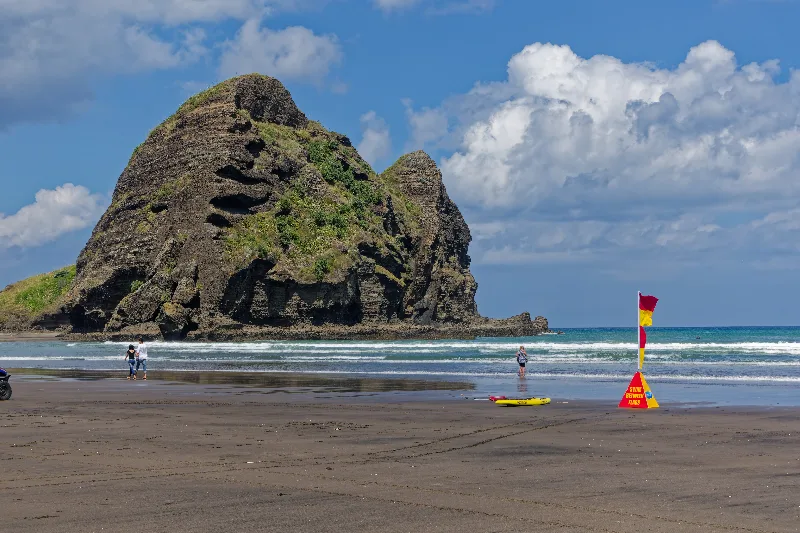
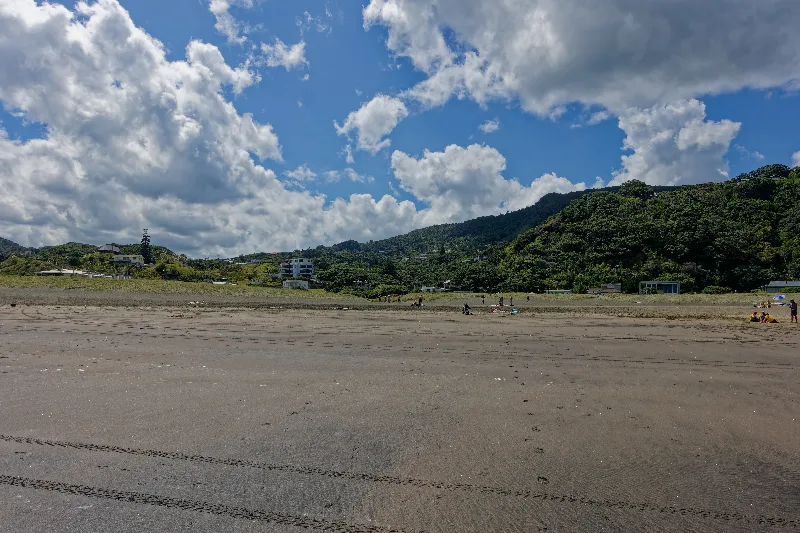
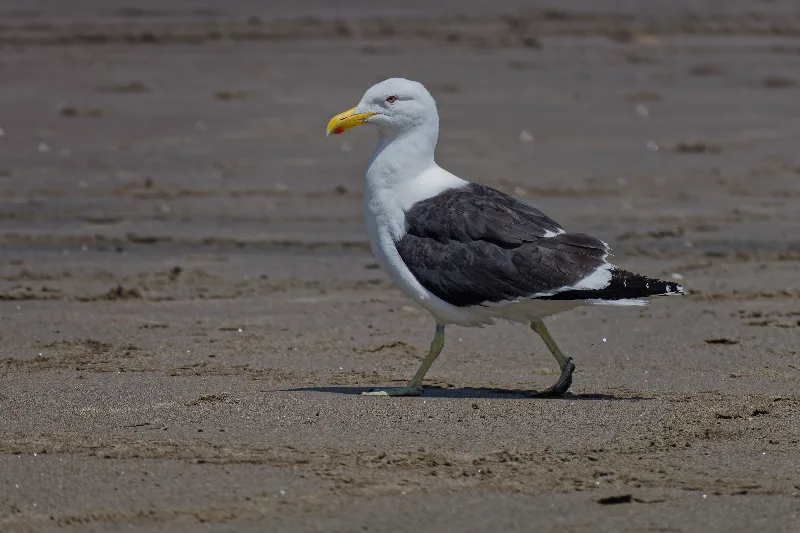
A black-backed gull, unbothered by the rain, patrolling the sand.
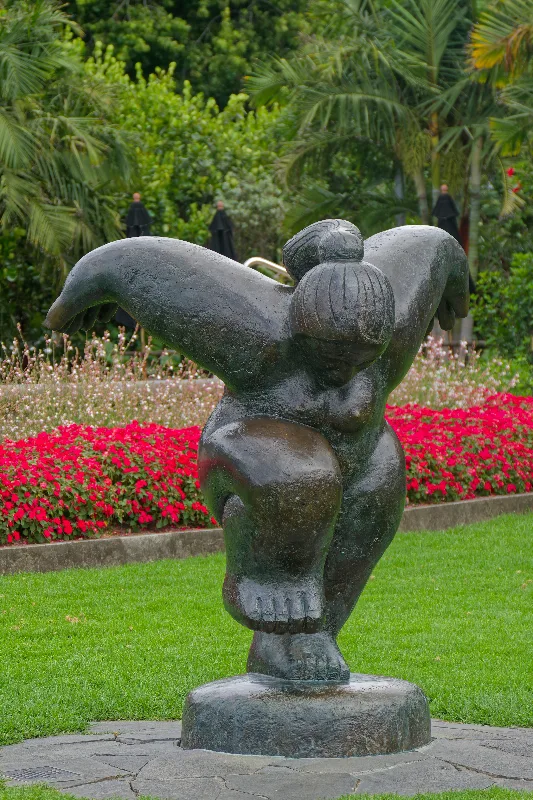
Out to the east coast, where a $4.01 Blueberry Real Fruit ice cream turned out just as good as it had been on a visit four years earlier. A swim at the beach, then back toward the campsite — about 55km for the afternoon — followed by a long walk through a botanical garden hosting a big outdoor sculpture exhibition, flower beds in full bloom alongside it.
A barbecue back at the campsite that evening, with a bottle of red wine picked up on special for $15. The whole day came in at $41.
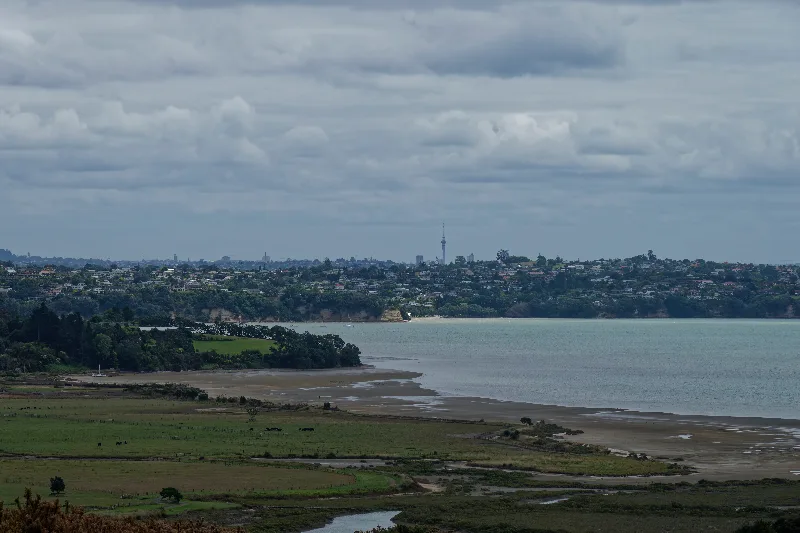
One of Auckland's eastern bays, the Sky Tower visible far across the water.
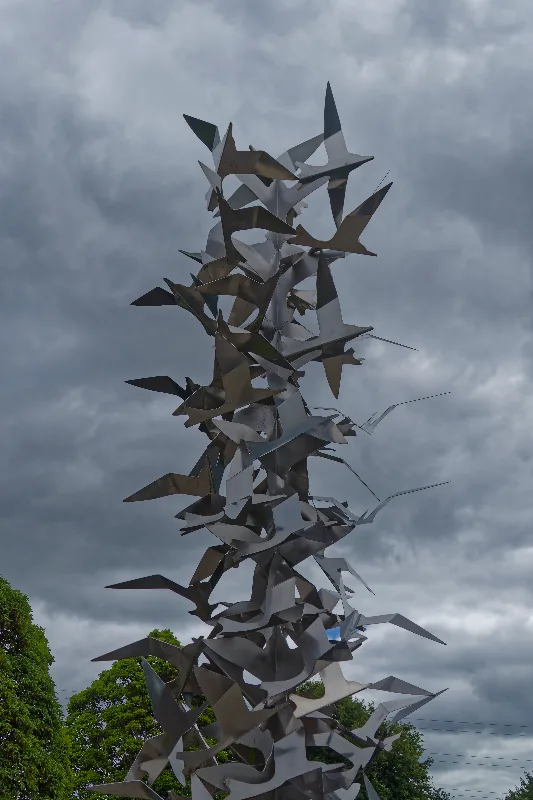
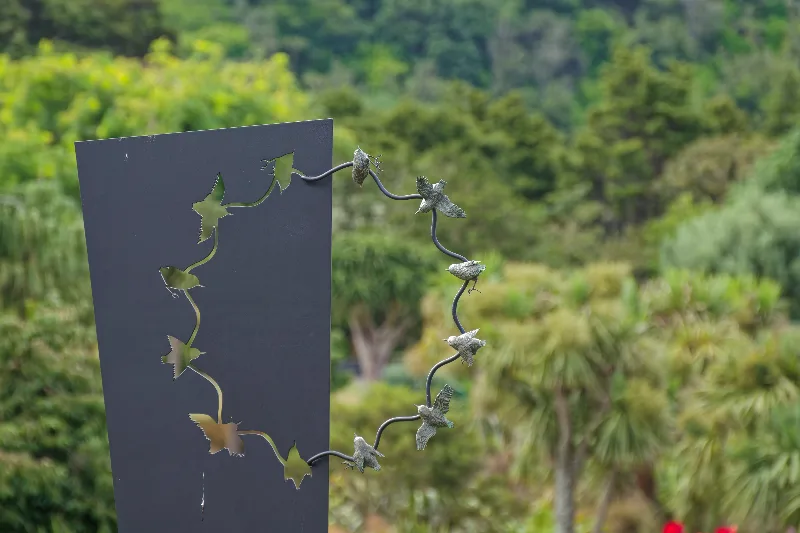
A flock of stainless steel birds, stacked into a single towering column.
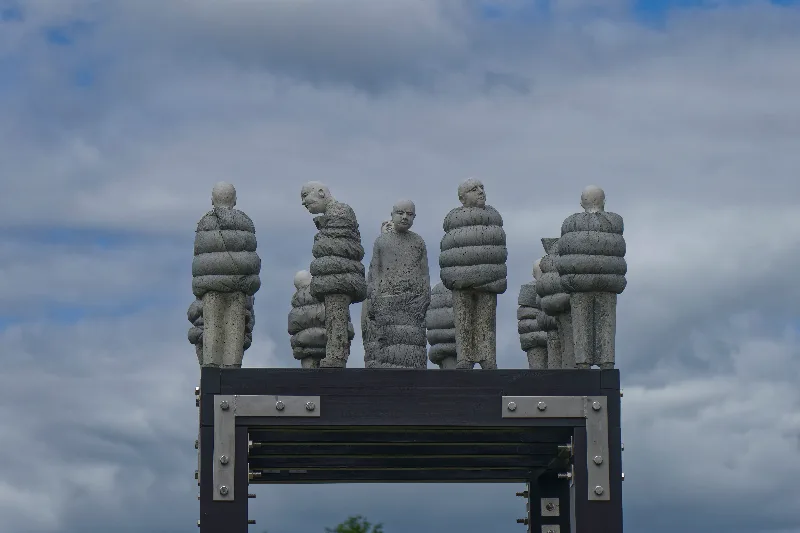
A group of quilted, faceless figures mounted on a rig above the lawn.
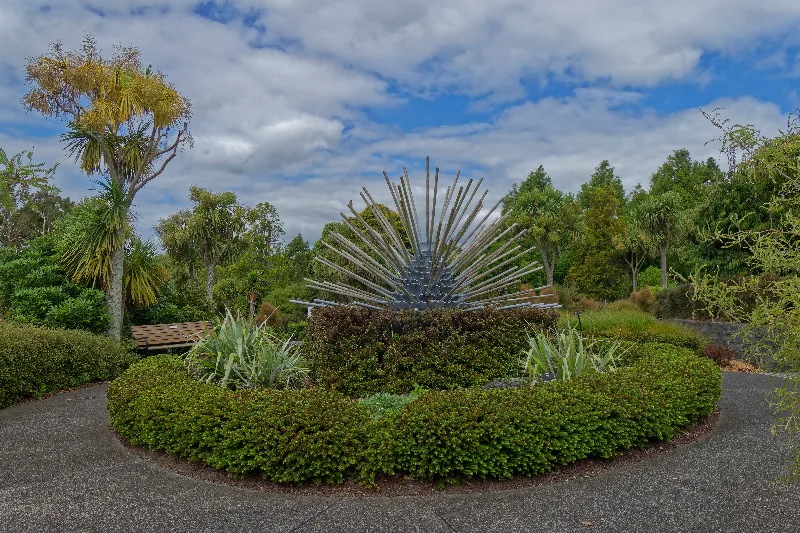
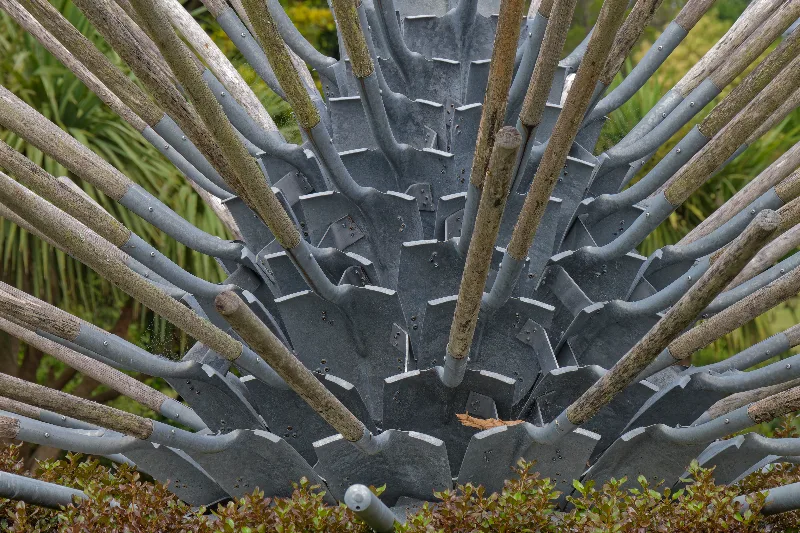
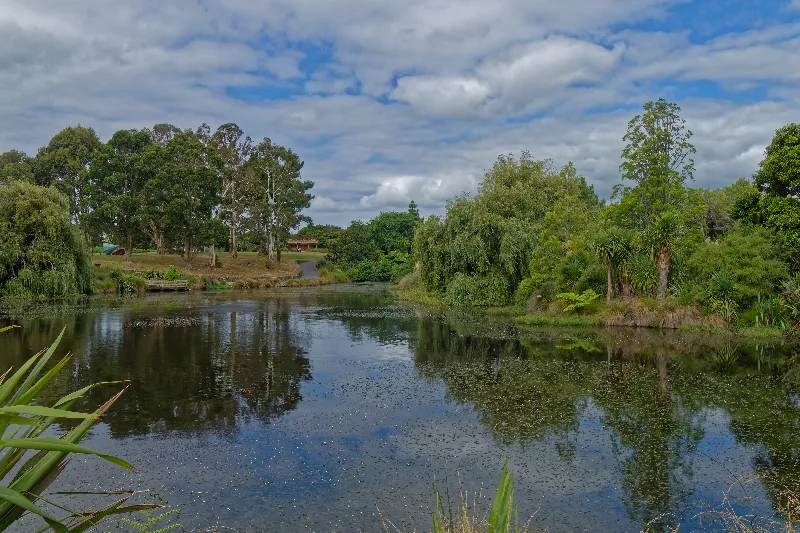
A quiet lily pond along the garden walk.
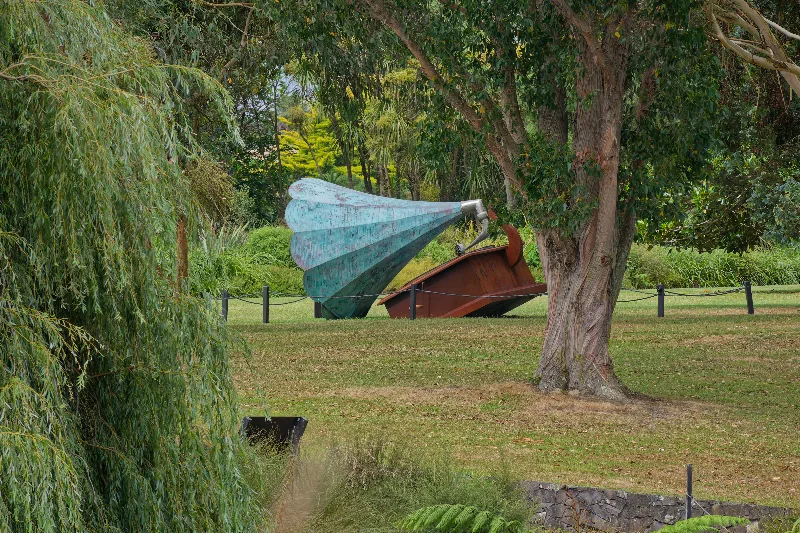
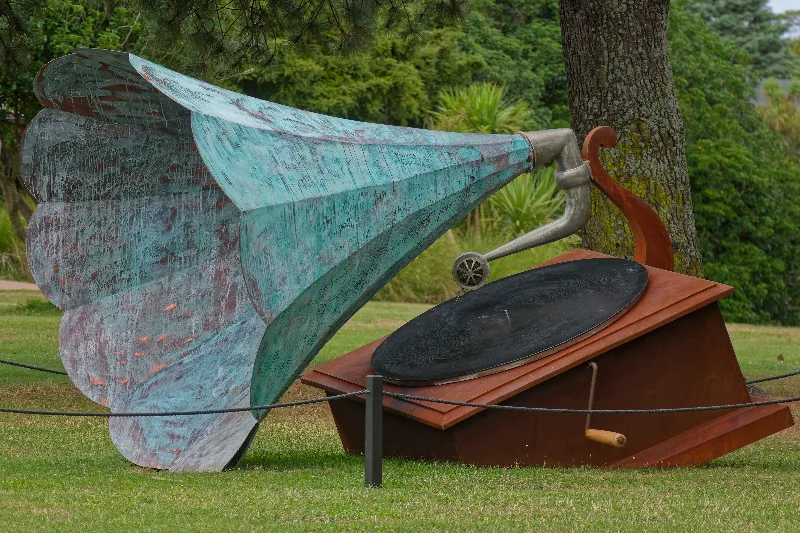
An enormous bronze gramophone, easily the largest piece in the whole exhibition.
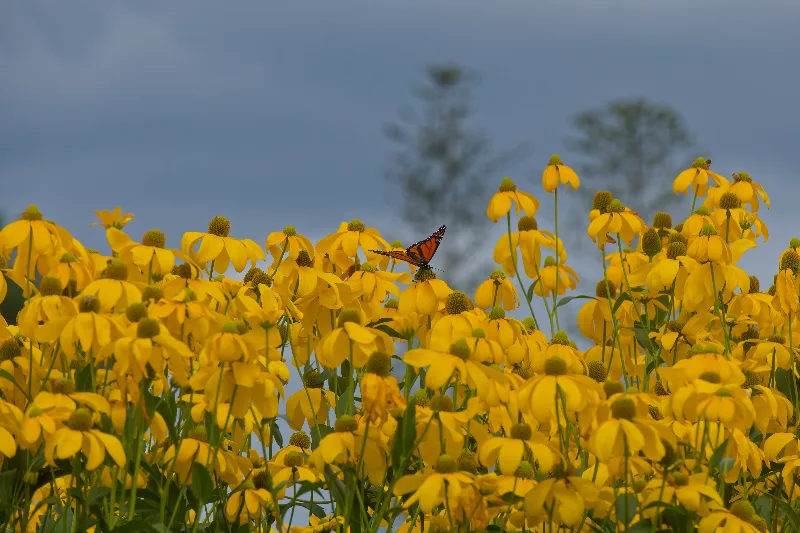
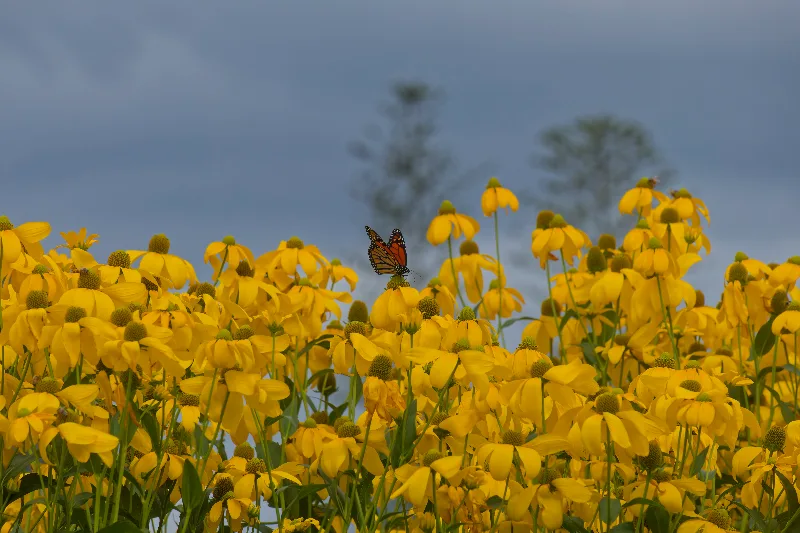
A monarch butterfly working through a bed of rudbeckia.
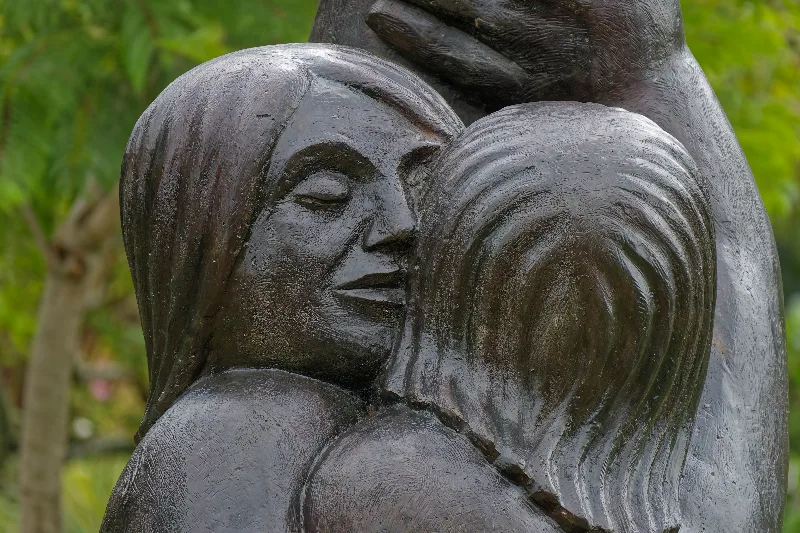
A bronze family group, one of the more figurative pieces among the exhibition's abstract sculptures.
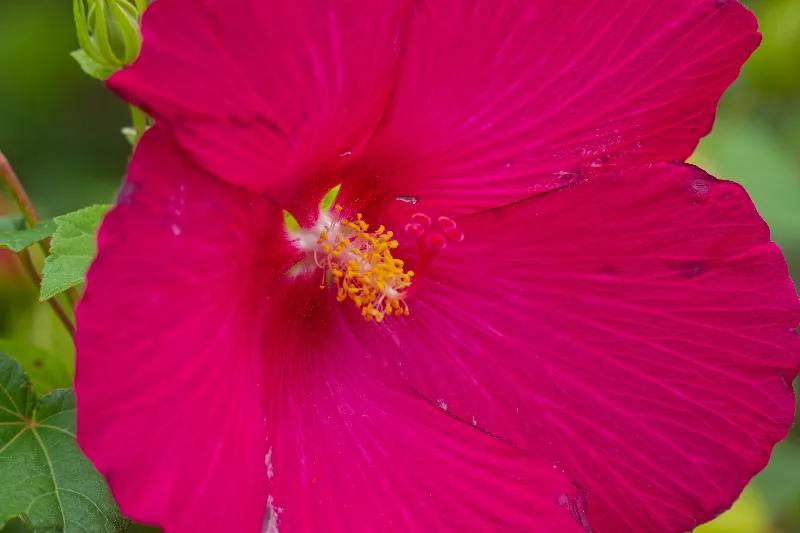
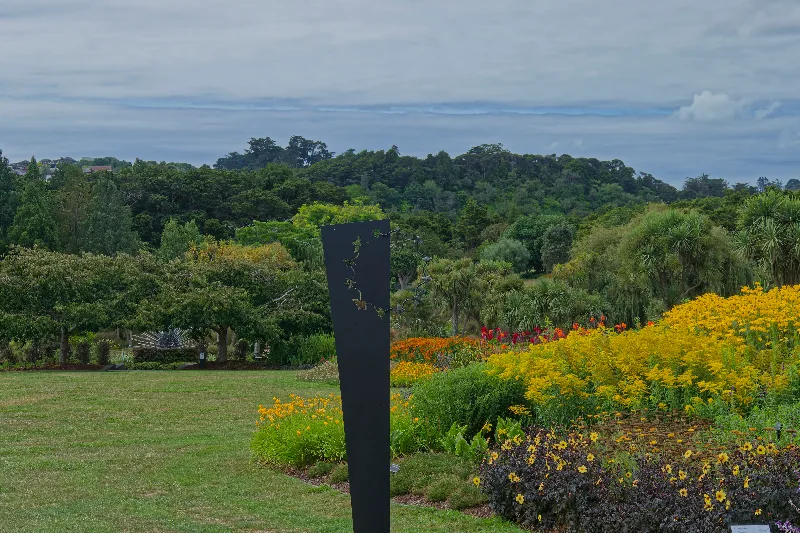
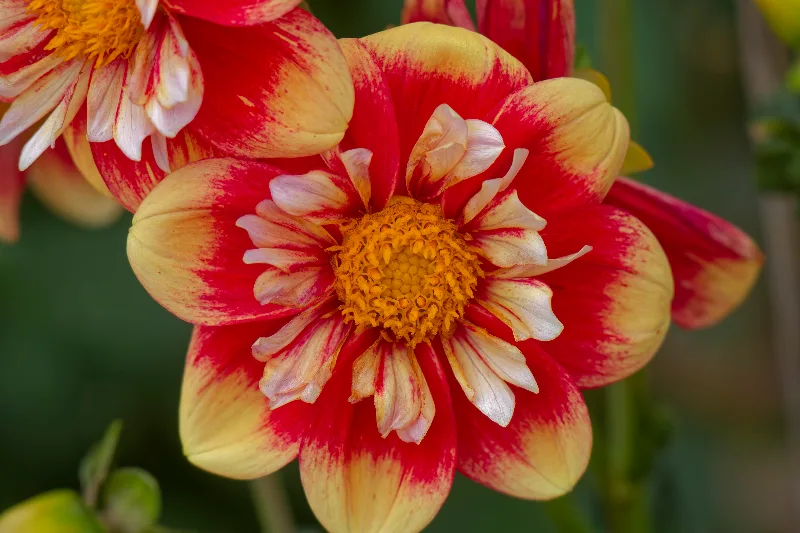
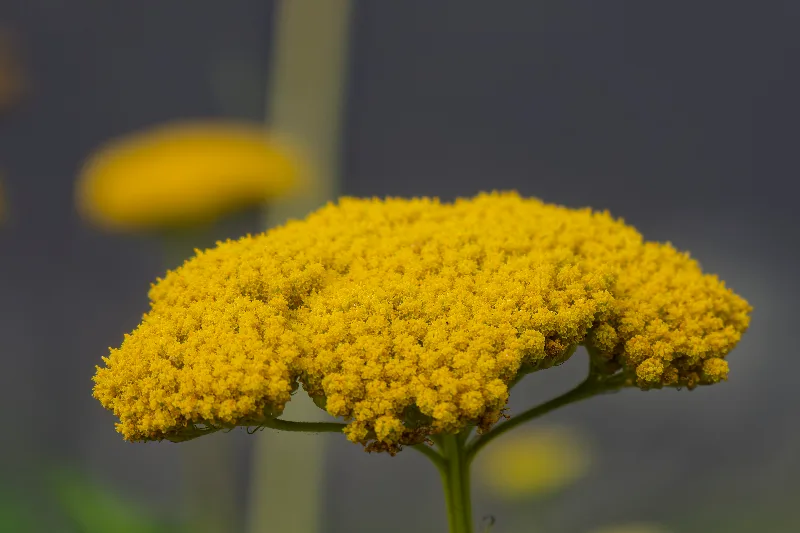
One of the garden's many flowerbeds, in full bloom.
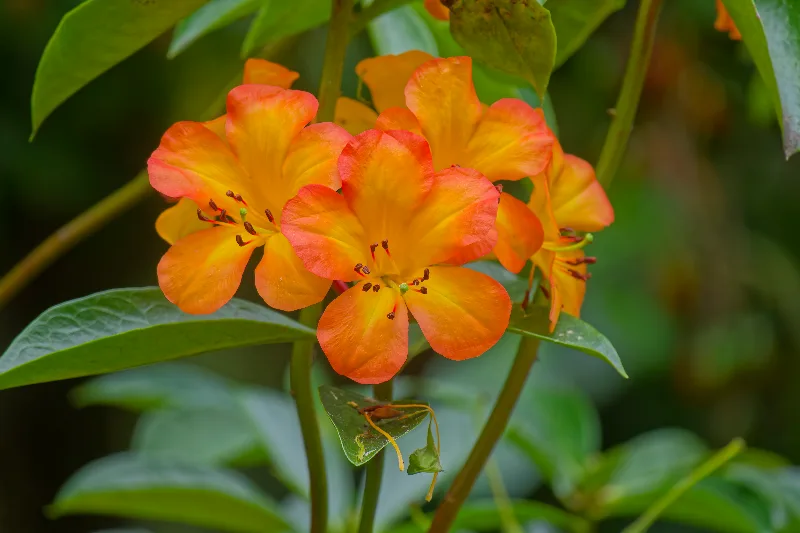
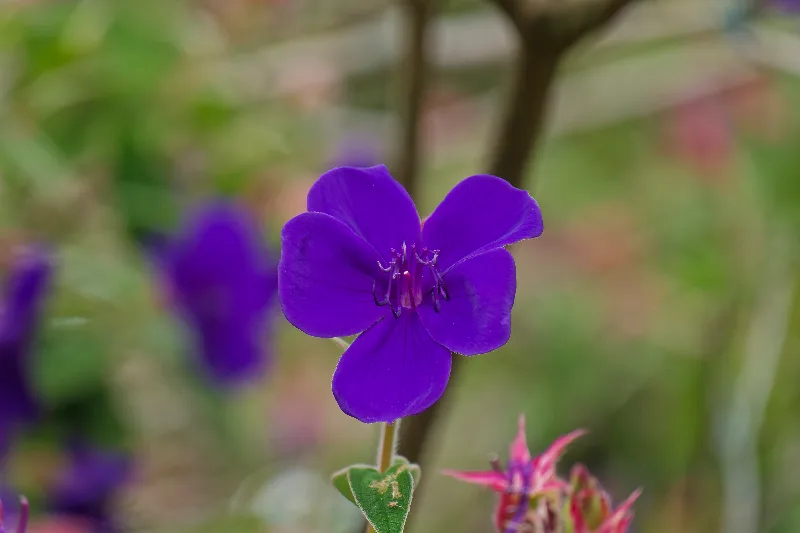
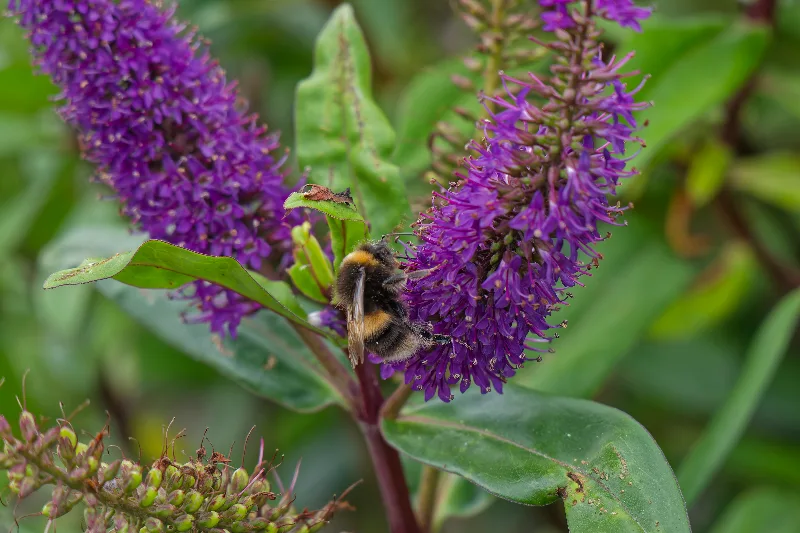
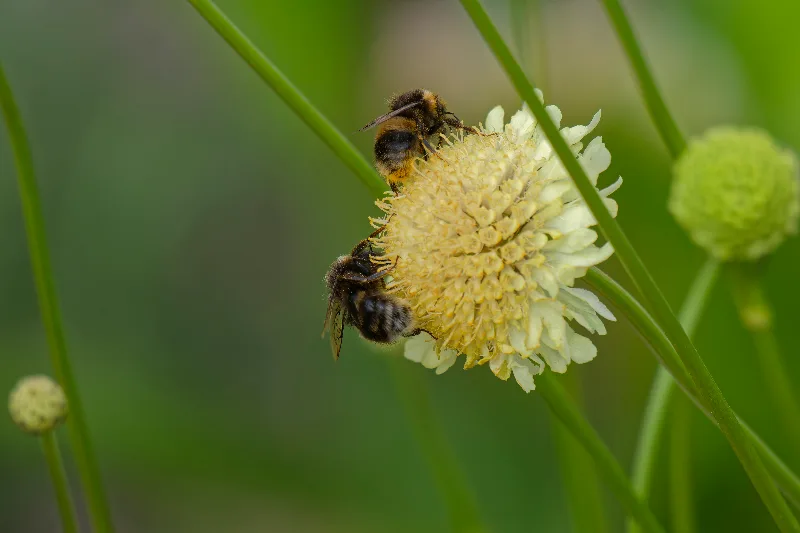
A bumblebee working the flower spikes of a hebe, one of New Zealand's own native shrubs.
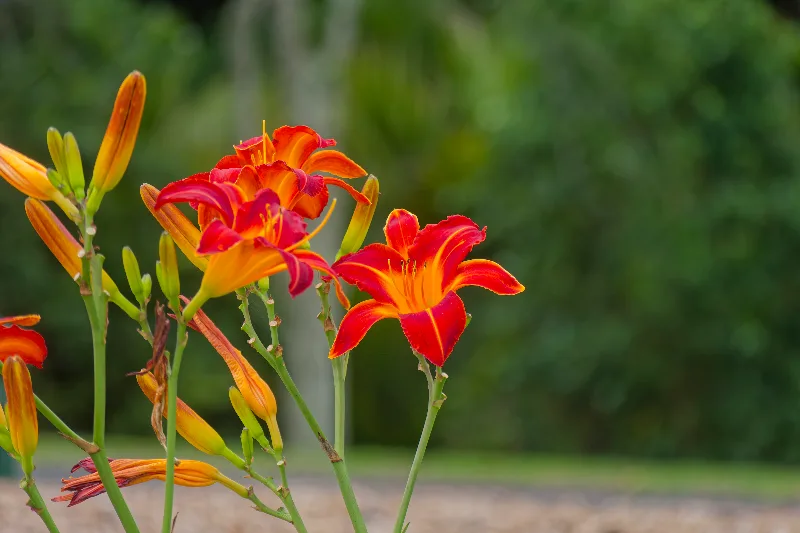
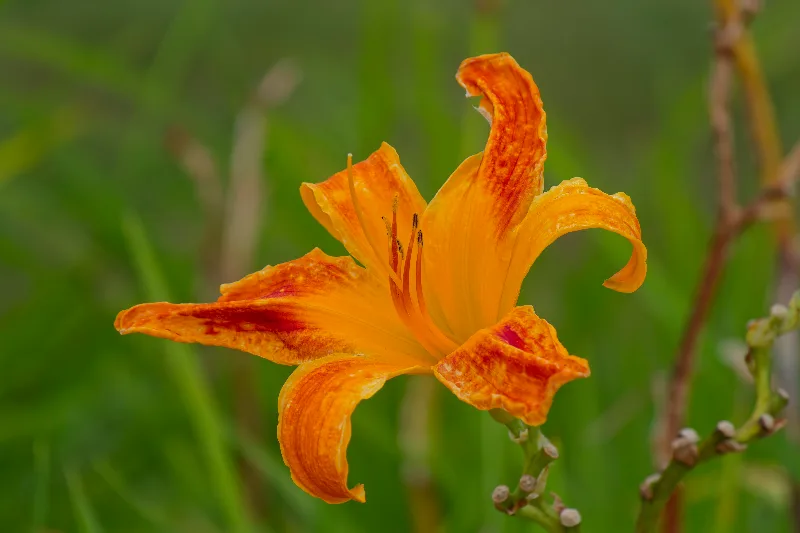
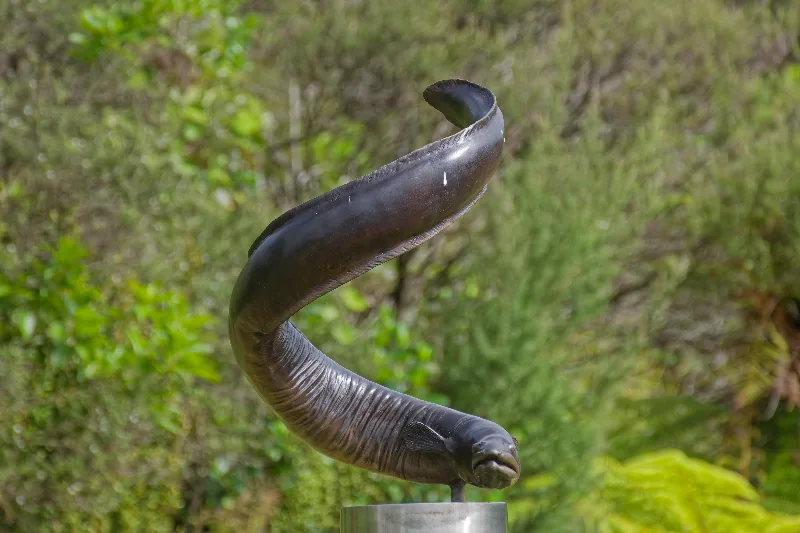
A bronze longfin eel, coiled on its plinth — a species native to New Zealand's rivers and lakes.
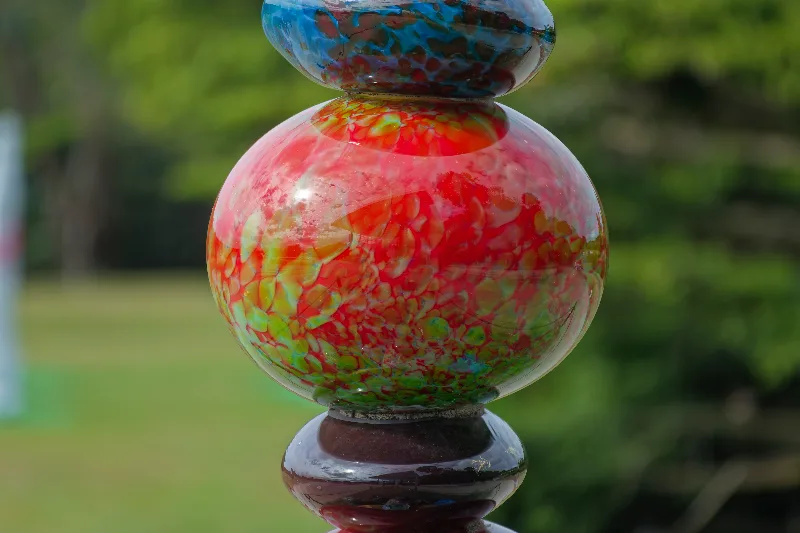
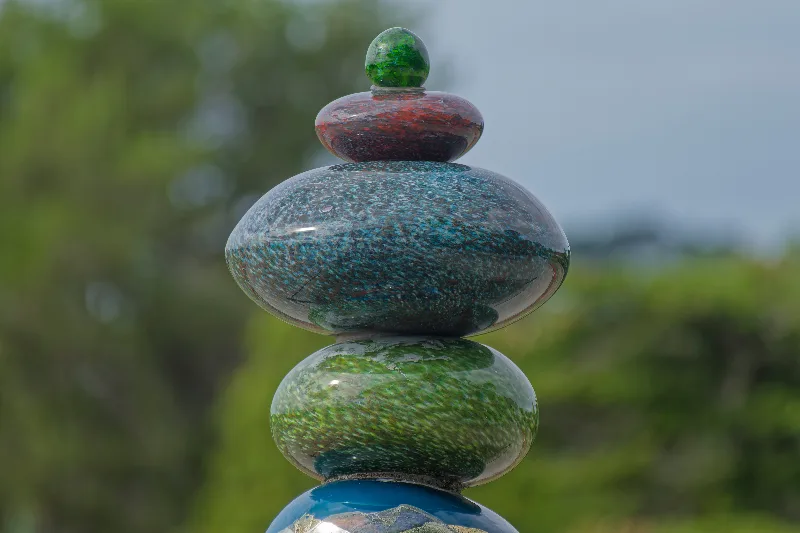
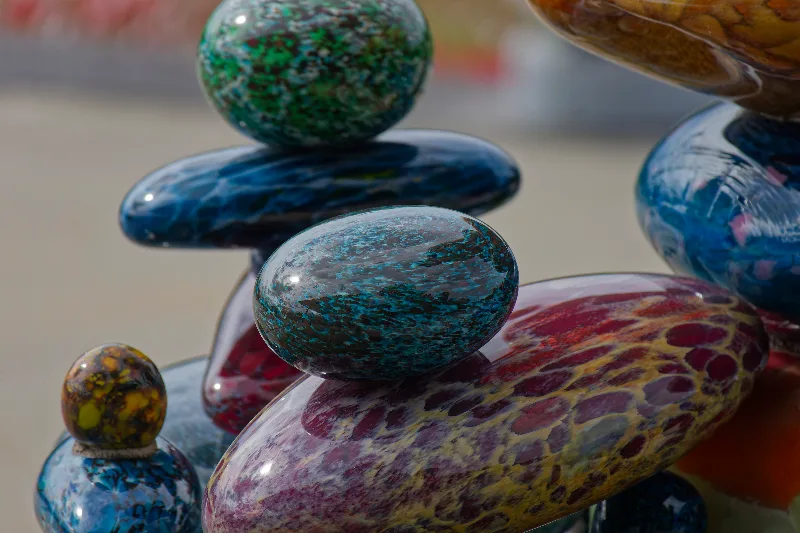
Blown-glass sculptures, stacked like cairns along the path.
Rainy, with only a brief errand out — otherwise a day spent reading at the campsite. No appetite left for Auckland by this point; the art gallery, the markets, and whatever else was still on the list stayed unvisited.
Rain, and no umbrella — a wet tent and a wet t-shirt after cycling to the airport. No boxes to be had at Air New Zealand, but a few turned up in the rubbish and recycling area instead; the bike ended up wrapped in plastic film for $21. 9506km covered in total since leaving Auckland back in October — the last day of a four-and-a-half month ride around both islands.
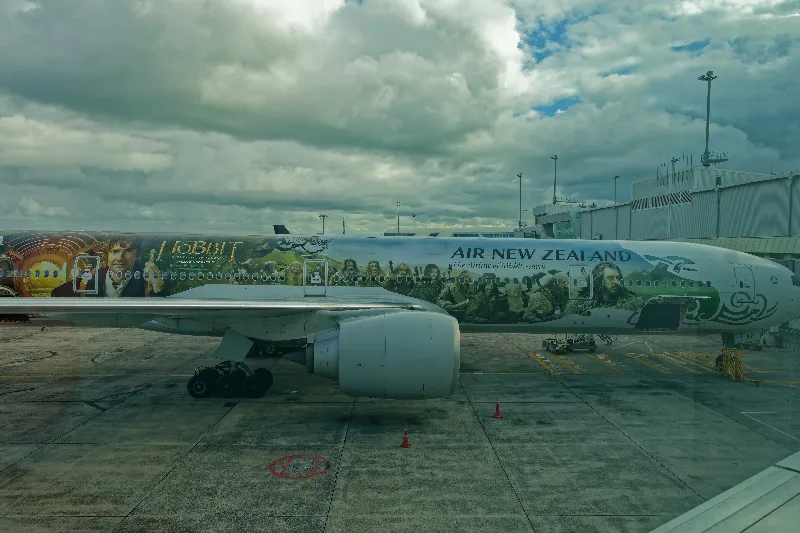
A Hobbit-liveried Air New Zealand 777 at the gate — a fitting sight to end this trip report on.
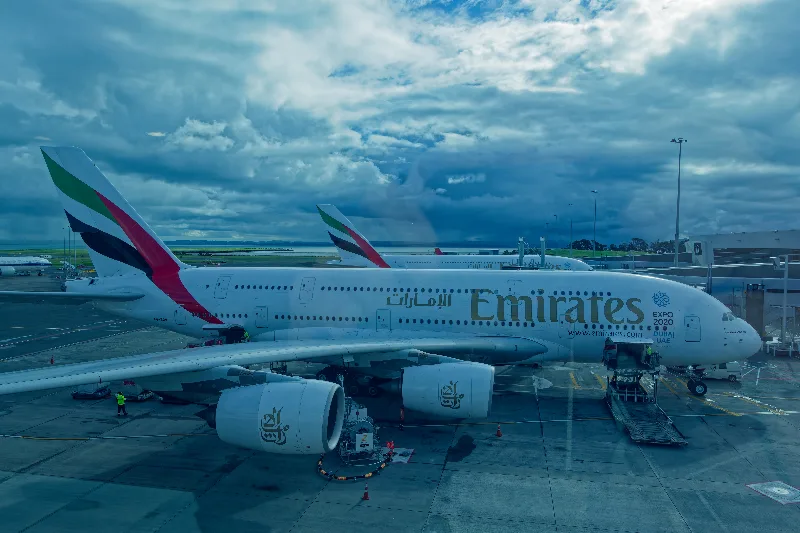
Waiting for boarding, one last look out over the tarmac before the long flight home.